Modeling the Governance Triangle: An Agent-Based Approach to Civil Society, Markets, and the State - Commentary on Bowles & Carlin 2026 paper
Abstract
This paper presents an agent-based model (ABM) that operationalizes the theoretical framework proposed by Bowles and Carlin (2026) in ``The Governance Triangle: Economic Interactions in Civil Society, the State, and the Market.'' We develop a computational simulation that captures the three vertices of governance---market enforcement, state regulation, and civil society norms---and examine how endogenous preferences, social networks, and inequality shape economic outcomes. Our results confirm Bowles and Carlin's central thesis: civil society governance exhibits comparative advantage under conditions of low inequality and incomplete contracts, but this advantage erodes when wealth disparities are substantial. We further demonstrate two critical mechanisms highlighted in the original paper: (1) \textit{complementarity}, where state or market institutions can reinforce social norms, and (2) \textit{crowding-out}, where excessive external monitoring undermines intrinsic motivation. The ABM provides a flexible platform for policy experimentation and suggests that optimal institutional design often requires hybrid configurations within the governance triangle rather than pure-type solutions.
Full Text



DISCUSSION PAPER SERIES
DP21085
THE GOVERNANCE TRIANGLE: ECONOMIC INTERACTIONS IN CIVIL
SOCIETY, THE STATE, AND THE
MARKET
Samuel Bowles and Wendy Carlin
ORGANIZATIONAL ECONOMICS









ISSN 0265-8003
THE GOVERNANCE TRIANGLE: ECONOMIC INTERACTIONS IN CIVIL SOCIETY, THE STATE,
AND THE MARKET
Samuel Bowles and Wendy Carlin
Discussion Paper DP21085 Published 26 January 2026 Submitted 26 January 2026
Centre for Economic Policy Research 187 boulevard Saint-Germain, 75007 Paris, France
2 Coldbath Square, London EC1R 5HL
Tel: +44 (0)20 7183 8801
www.cepr.org
This Discussion Paper is issued under the auspices of the Centre’s research programmes:
Organizational Economics
Any opinions expressed here are those of the author(s) and not those of the Centre for Economic Policy Research. Research disseminated by CEPR may include views on policy, but the Centre itself takes no institutional policy positions.
The Centre for Economic Policy Research was established in 1983 as an educational charity, to promote independent analysis and public discussion of open economies and the relations among them. It is pluralist and non-partisan, bringing economic research to bear on the analysis of medium- and long-run policy questions.
These Discussion Papers often represent preliminary or incomplete work, circulated to encourage discussion and comment. Citation and use of such a paper should take account of its provisional character.
Copyright: Samuel Bowles and Wendy Carlin






THE GOVERNANCE TRIANGLE: ECONOMIC INTERACTIONS IN CIVIL SOCIETY, THE STATE,
AND THE MARKET
Abstract
Interactions in civil society – in firms, families, neighborhoods, identity groups, and other face-to- face settings – have in common that relationships are personal and enduring, and as a result, identity and other-regarding preferences are important motivations (for better or worse). Here we add civil society to markets and states as a third form of governance of the economy, creating the governance triangle. We provide evidence that themes related to civil society have assumed substantially greater importance in economic research since the 1970s. We use a standard principal-agent model of employment in private firms to reveal three characteristics of interactions in civil society: the role of face-to-face interactions, social norms, and the private exercise of power. We show that market failures and other coordination problems can sometimes be more successfully addressed by civil society than by state or market governance. Civil society may have comparative institutional advantage where information available to state and market actors is limited, restricting the reach of complete contracts and enforceable government regulations, conditional on conflicts of interest being modest. When based on us-versus-them forms of identity, however, civil society governance may promote preferences antithetical to a liberal and democratic society.
JEL Classification: B21, B41, C38, D02, D23, Z13
Keywords: N/A
Samuel Bowles - samuel.bowles@gmail.com Santa Fe Institute, CORE Econ
Wendy Carlin - w.carlin@ucl.ac.uk Department of Economics, UCL, Santa Fe Institute, CORE Econ and CEPR
Acknowledgements Philippe Aghion, Tim Besley, Tilman Börgers, Antonio Cabrales, Jean-Paul Carvalho, Simon DeDeo, Nancy Folbre, Drew Fudenberg, Ararat Gocmen, David Green, Hahrie Han, Oliver Hart, Andreas Kotsadam, Margaret Levi, Hetty Marx, Yam Maayam Yehsoron, Eric Maskin, Suresh Naidu, Nathan Nunn, Andrew Oswald, Dani Rodrik, Paul Seabright, David Soskice, Rohini Somanathan, E. Somanathan, Nick Stern, Guido Tabellini, Elisabeth Wood, and Peyton Young for their contributions and, for their support of this research, the Santa Fe Institute (and especially Caroline Seigel of the SFI Library) and the James M. and Cathleen D. Stone Centre on Wealth Concentration, Inequality and the Economy at UCL.
Powered by TCPDF (www.tcpdf.org)






The Governance Triangle: Economic interactions in civil society, the state, and the market
Samuel Bowles and Wendy Carlin
25 January 2026
Abstract Interactions in civil society – in firms, families, neighborhoods, identity groups, and other face-to-face settings – have in common that relationships are personal and enduring, and as a result, identity and other-regarding preferences are important motivations (for better or worse). Here we add civil society to markets and states as a third form of governance of the economy, creating the governance triangle. We provide evidence that themes related to civil society have assumed substantially greater importance in economic research since the 1970s. We use a standard principal- agent model of employment in private firms to reveal three characteristics of interactions in civil society: the role of face-to-face interactions, social norms, and the private exercise of power. We show that market failures and other coordination problems can sometimes be more successfully addressed by civil society than by state or market governance. Civil society may have comparative institutional advantage where information available to state and market actors is limited, restricting the reach of complete contracts and enforceable government regulations, conditional on conflicts of interest being modest. When based on us-versus-them forms of identity, however, civil society governance may promote preferences antithetical to a liberal and democratic society.
Keywords: institutions, incomplete contracts, power, social norms, identity, topic modeling
Accepted by Annual Review of Economics
Affiliations: Bowles, Santa Fe Institute and CORE Econ (samuel.bowles@gmail.com), Carlin, University College London, CORE Econ, Santa Fe Institute, and CEPR (w.carlin@ucl.ac.uk).
Thanks to: Philippe Aghion, Tim Besley, Tilman Börgers, Antonio Cabrales, Jean-Paul Carvalho, Simon DeDeo, Nancy Folbre, Drew Fudenberg, Ararat Gocmen, David Green, Hahrie Han, Oliver Hart, Andreas Kotsadam, Margaret Levi, Hetty Marx, Yam Maayam Yehsoron, Eric Maskin, Suresh Naidu, Nathan Nunn, Andrew Oswald, Dani Rodrik, Paul Seabright, David Soskice, Rohini Somanathan, E. Somanathan, Nick Stern, Guido Tabellini, Elisabeth Wood, and Peyton Young for their contributions and, for their support of this research, the Santa Fe Institute (and especially Caroline Seigel of the SFI Library) and the James M. and Cathleen D. Stone Centre on Wealth Concentration, Inequality and the Economy at UCL.






INTRODUCTION
The choice of appropriate economic policy and institutional design – to address Pareto-inferior
outcomes arising from societal coordination problems – is often seen as a matter of finding the right
location along a one-dimensional continuum defined by polar variants of the state and the market.
Here we suggest that this framework is needlessly restrictive because it overlooks important
alternatives and constraints on policymaking arising from interactions among people outside the
market-state nexus. These interactions are governed in civil society by the private exercise of power,
and a set of values including social norms, identity, reputation, and ethical and other-regarding
preferences.
As Friedrich Hayek (1948) pointed out, the perfectly competitive model in economics has no place
for personal identities. In this respect the conceptual construct of civil society differs from markets
and states, whose functioning is conventionally modeled assuming ephemeral and impersonal
interactions motivated entirely by self-interest. In contrast, the personal and enduring nature of the
social relationships in civil society, we will show, accounts for cases in which civil society has a
comparative advantage – relative to states and markets – in addressing problems of societal
coordination.
Several anomalies revealed in research papers over the past few decades (all published in top
economics journals) suggest the limitations of a restricted view of alternative policies and
institutions. Five examples illustrate our claim.
• David Autor and his coauthors analyzed the “China shock” to US manufacturing in the quarter
century beginning in the early 1990s, concluding:
A presumption that US labor markets are smoothly integrated across space has long made regional equilibration the starting point for welfare analysis. The US experience of trade with China makes this starting point less compelling. Labor- market adjustment to trade shocks is stunningly slow, with local labor-force participation rates remaining depressed and local unemployment rates remaining elevated for a full decade or more after a shock commences. (2016) p. 235.
Generalizing from the rest of the literature, they write that “mobility responses to labor demand
shocks across US cities and states are slow and incomplete” (Autor & Dorn 2013) p. 2124. They
suggest that ties to community and place – concepts that do not appear in our canonical models –






should have an important bearing on the appropriate design and predicted outcomes of public
• Gary Becker’s explanation of the gender distribution of household and paid work based on
comparative advantage has been a workhorse model in household economics and labor
supply for the past half century (Becker 1974a, Becker 1974b). But Marianne Bertrand and
her coauthors found that “in couples where the wife earns more than the husband, the wife
spends more time on housework chores,” concluding on the basis of this and related
evidence that contrary to “standard economic models of the marriage market… gender
identity norms play an important role in marriage.” (Bertrand et al 2015) p. 571.
• Standard models have also failed to resolve a puzzle – initially raised by John Stuart Mill –
about the distribution of crop shares between landlords and farmers. “This proportion” he
wrote, “ … is usually one half” irrespective of the quality of the land (Mill 1929 [1848])
p.303. So fixed in custom is this half share that it is the name of that widely used contract,
for example: metayer, mazzaiuolo and medietarius. Consistent with the persistence of this
puzzle, Peyton Young and Mary Burke found that across 781 farms in modern day Northern
Illinois, 95 percent of the share contracts were fifty-fifty, despite substantial variations in the
quality of the land rented. This is a fact, they note, that “conventional theories fail to
explain.” If half the crop is sufficient to attract tenants on poor land, then surely a lower
share would be sufficient on high quality land. Young and Burke conclude that “custom is a
real force in setting contract terms, even in modern economies” pointing to another element
missing from the conventional paradigm (Young & Burke 2001) p. 559.
• Garret Hardin believed that “freedom in the commons means ruin to all” (Hardin 1968) p.
1244, and as a result he advocated “mutual coercion mutually agreed upon” (p. 1247). But
Elinor Ostrom pointed out that Hardin’s Hobbesian pessimism overlooked the many
noncoercive ways that local communities have averted the tragedy: “Extensive fieldwork
has by now established that individuals … voluntarily organize themselves so as to gain the
benefits of trade, to provide mutual protection against risk, and to create and enforce rules
that protect natural resources” (Ostrom 2000) p. 138. The capacity of small communities to
create new rules of the game to avert the tragedy of the commons and other coordination
failures, she wrote, challenges “the presumption that individuals cannot organize themselves
and always need to be organized by external authorities” (Ostrom 1990) p. 25.






• The standard model of market failure assigns the government the role of providing price
signals to internalize external effects such as pollution; but this may also be accomplished by
social norms. Taking the case of green innovation, Philippe Aghion and his coauthors show
“how citizens’ social-responsibility concerns and the degree of competition between firms
jointly shape the direction of innovation, acting as complements” (Aghion et al 2023) p.1. Their
results, they say, “provide support for models in which intrinsically or reputationally motivated
individuals incur costs to act in a ‘socially responsible’ manner. … Moreover, such prosocial
motivations can actually ‘move markets,’ even at the upstream stage of product research and
development, especially if competition is expected to intensify.” p. 17.
Taken together, this research suggests the importance for economic analysis and policy design of
place and community, identity, custom and social norms, peer-enforced rules of the game governing
face-to-face interactions that go beyond the state and markets as forms of governance, and reputation
and other-regarding preferences (including green values). Economists never completely neglected
these topics, as attested by the work of Thomas Schelling (1978) on non-market social interactions
and Albert Hirschman (1991) on “exit, loyalty, and voice”.
The conventional paradigm emphasizes the firm as market participant under conditions of complete
contracts in contrast to the firm as a site where private power is exercised. Oliver Hart wrote: “What
does it mean, to put someone ‘in charge’ of an action or decision if all actions can be specified in a
contract?” (Hart 1995):62 Herbert Simon imagined “a mythical visitor from Mars”
... equipped with a telescope that reveals social structures. The firms reveal themselves, say, as solid green areas… and market transactions show as red lines connecting the firms forming a network in the spaces between them. ... [T]he greater part of the space below it would be within the green areas, for almost all of the inhabitants would be employees, hence inside the firm boundaries. Organizations would be the dominant feature of the landscape (Simon 1991) p.27.
Were the visitor able to communicate with earthling economists below, “it might be surprised to hear
the structure called a market economy. ‘Wouldn’t ‘organizational economy’ be the more appropriate
term?’ it might ask.” Ronald Coase had also described a world foreign to the conventional market
with complete contracts: “If a workman moves from department Y to department X, he does not go
because of a change in prices but because he is ordered to do so.” (Coase 1937):387






In this paper, we develop the idea that something is missing in the market and state continuum,
where each pole is characterized as a pure type, meaning an idealized (or as Max Weber put it,
“utopian”) version of how each set of institutions would work. In the pure type of market
governance, price-taking producers and consumers interact voluntarily, motivated by self-regarding
preferences. The mechanism through which results are implemented is via competitive market-
determined prices in the setting of complete contracts, ensuring market clearing equilibria. Turning
to states (by which we mean the liberal-democratic variant), citizens voluntarily engage in elections,
which those who govern, once in office, select a legal and regulatory framework, the compliance to
which is secured through self-interest (considering possible penalties), as well as norms of obedience
to legitimate authority.
This conception of both markets and states – roughly Walras plus Weber – comes close to the
benchmark models used to define market and state failures in undergraduate instruction as well as in
public understanding and policy (Atkinson & Stiglitz 2015, Laffont 2008). But there are two distinct
problems. First, the pure-type state and market representations misrepresent current research on how
states and markets actually work. The price taking, market-clearing complete contracts world
described above would now be regarded by most research economists as a limiting case that is of
little empirical relevance. With respect to the state, models of voting by entirely self-interested
citizens fail to account not only for what citizens vote for, but also why they vote at all.
Second, entirely missing from the conventional paradigm is civil society, by which we mean: A set
of institutions and values that regulate personal and enduring interactions outside of the market-state
nexus of governance. The term will be unfamiliar to economists, but it dates back to Adam Smith
and the Scottish Enlightenment. Interactions in civil society – in firms, families, communities,
neighborhoods, schools, gangs, identity groups and other face-to-face settings – have in common a)
that relationships are personal and enduring and may not be voluntary, with the result that b) identity
and other-regarding preferences are important motives. While these characteristics of civil society
are not absent in the interactions governed by markets and states, they play a lesser role. For
example, anonymity is a feature not a bug in the standard Weberian pure-type state.
We use “civil society” instead of related terms. “Social capital” refers to an individual attribute
(occupying a central position in a social network, for example) rather than to characteristics of how
people interact. “Community” has a strongly positive normative connotation that we do not associate
with civil society as form of governance. Our use of the term civil society encompasses, for






example, civil society organizations such as the mafia, the Red Brigades in Italy, and the Alternative
für Deutschland (AfD). Thus, the same characteristics – including group-based identities – that may
provide a comparative institutional advantage for civil society may also foster less beneficial aspects
of this form of governance.
This tension is illustrated by a conflict in 1948 over the drafting of the constitution of newly
independent India between followers of Mahatma Gandhi and those of B.R. Ambedkar, the
Chairman of the Drafting Committee. Gandhi advocated recognition of the essential role of village
communities in the structure of post-colonial rule. But Ambedkar, a Dalit (then called
“untouchable”), who held doctoral degrees in economics from both Columbia and LSE disagreed:
“What is the village but a sink of localism, a den of ignorance, narrow-mindedness and
communalism… the Draft Constitution has discarded the village and adopted the individual as its
unit.” (Ambedkar 1994) p. 62
Ambedkar’s retort to Gandhi echoes the historical evolution of liberal societies, where advocates of
greater social equality and personal liberty promoted the progressive encroachment of markets and
liberal states into the traditional domain of often patriarchal, xenophobic, and hierarchical civil
society. Compulsory secular schooling is an example.
Although richly described in works such as Karl Polanyi’s The Great Transformation, Edward
Banfield’s Moral Basis of a Backward Society, and Robert Putnam’s Bowling Alone, civil society as
a form of governance has not been formalized in economic theory in the manner that Marshall and
Walras (and their followers) did for competitive markets and has been done for democratic states by
Kenneth Arrow (1963b), Anthony Downs (1957), Duncan Black (1958), Gary Becker (1958), and
James Buchanan and Gordon Tullock (1962), and those who followed.
Modern economists’ attention to the motivations and mechanisms of civil society can be dated to the
late 1950s. Yam Maayam Yehsoron (Maayam Yeshoron 2025a) documents that Arrow and Leonid
Hurwicz worked together and separately on the project of producing a “genuinely general theory of
the economic system … Their analyses move from ‘non-classical’ market environments
(characterized by externalities, increasing returns, or uncertainty) toward non-market institutions
such as political processes, firms, and norms.” Arrow, she writes, “frames society as a space for the
allocation and shifting of risk through various institutional arrangements, including markets, state
structures, and social norms.” (p.30, 35)






Writing in 1971 at the heyday of the general equilibrium economics that he had launched two
decades earlier, Arrow urged economists to take a broader view of the field: “It is a mistake to limit
collective action to state action; many other departures from the anonymous atomism of the price
system are regularly observed. Firms of any complexity are illustrations of collective action…” He
noted that self-interest is not a sufficient behavioral foundation for the field: “ … ethical and moral
codes … are reactions of society to compensate for market failures” (Arrow 1971) p.22.
Anticipating Arrow, Joseph Schumpeter had written that “no social system can work … in which
everyone is … guided by nothing except his own …utilitarian ends” (Schumpeter 1950) p.448.
Peyton Young, an important contributor to the new literature on civil society, provided the following
comment on an earlier draft of this essay:
the mathematization of the Marshallian paradigm was a key development in our understanding of the market, but the modelling of civil society and its impact on economic decisions has not yet been crystallized into a comparable analytical framework. Although the various pieces are there (game theory, incomplete information, norms, and social networks), they have yet to be integrated into a unified approach…
We hope that this essay will stimulate progress in this direction.
In the rest of the paper we proceed as follows. In section 2, we clarify our use of the term civil
society as a form of governance, recognizing that it is used in a variety of ways across philosophy
and the social science disciplines. In section 3, we use topic modeling – a Bayesian machine-
learning technique – to analyze a large corpus of economic research. Although the term ‘civil
society’ does not appear even once in our corpus of 27 thousand papers published in the top
economics journals between 1900 and 2014, we will show it is something that economists have been
routinely doing for the last half century.
In section 4 we use a standard model of employment with employers as principals and employees as
agents to represent one set of civil society interactions that take place within the boundary of the
firm, demonstrating the importance of both social norms and the private exercise of power.
In section 5 we characterize the comparative advantage of states, markets, and civil society in
addressing society’s primary governance challenges, using what we call the governance triangle. We
find that civil society is advantageous in cases where the effectiveness of private contracts and
government regulations alike is limited due to asymmetric information (and therefore incomplete






contracts). The institutional advantage of civil society in these cases is conditional on conflicts of
interest being modest and on property rights being aligned to make the actors implementing
solutions in civil society the residual claimants on the results of their efforts. We explain why these
conditions for the effectiveness of civil society are unlikely to obtain where wealth inequalities are
substantial. Parallel to market and state failures, we identify a set of “civil society failures.”
In section 6 we explain that under some circumstances, the three forms of governance may be
complementary rather than substitutes. For example, well-designed state interventions and well-
functioning markets may provide the conditions under which civil society best contributes to the
solution of societal problems. And civil society may help to sustain the cultural conditions essential
for democratic procedures in the state to flourish.
2. COMPARING CIVIL SOCIETY WITH STATES AND MARKETS AS FORMS OF
GOVERNANCE
To systematize the three governance forms we study, we note that an interaction can be characterized
by the motivations of the people involved and by the mechanisms that govern the allocation of
resources or other results of the interaction. We refer to a particular combination of motivations and
mechanisms as a form of governance and begin by distinguishing the two familiar ‘pure’ types –
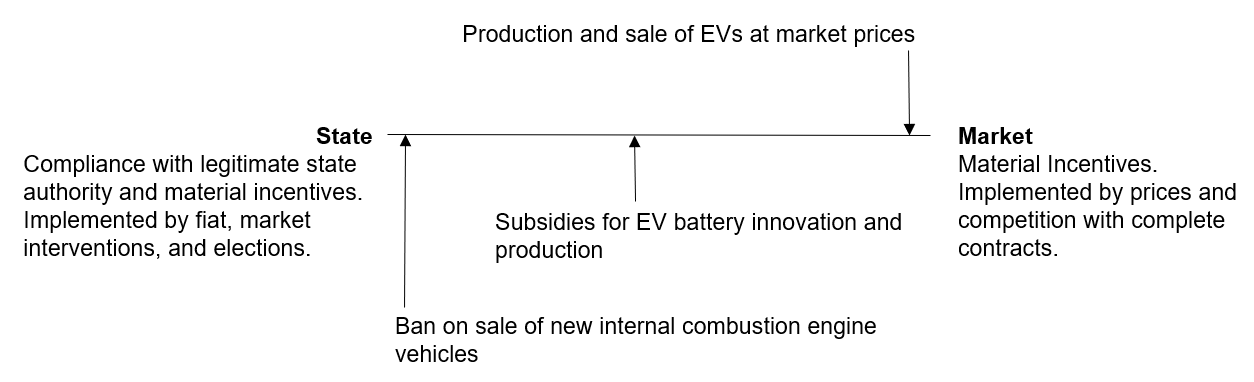
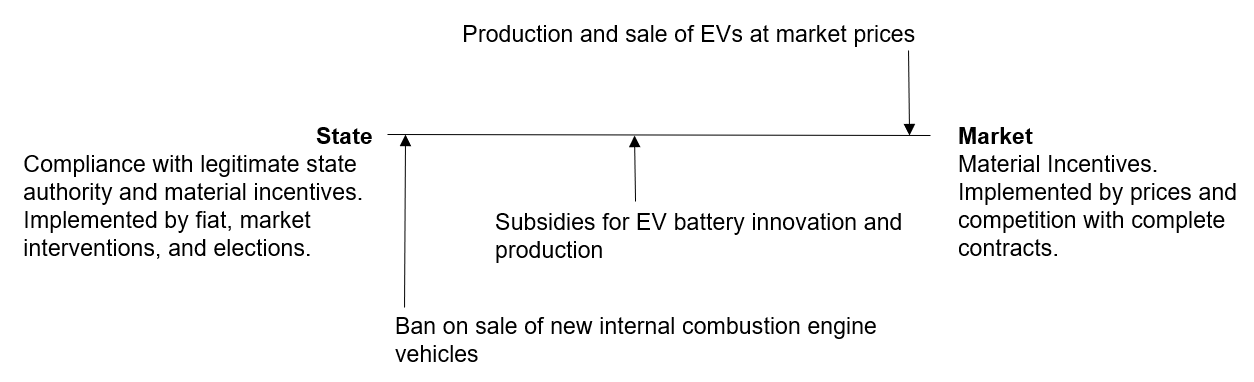
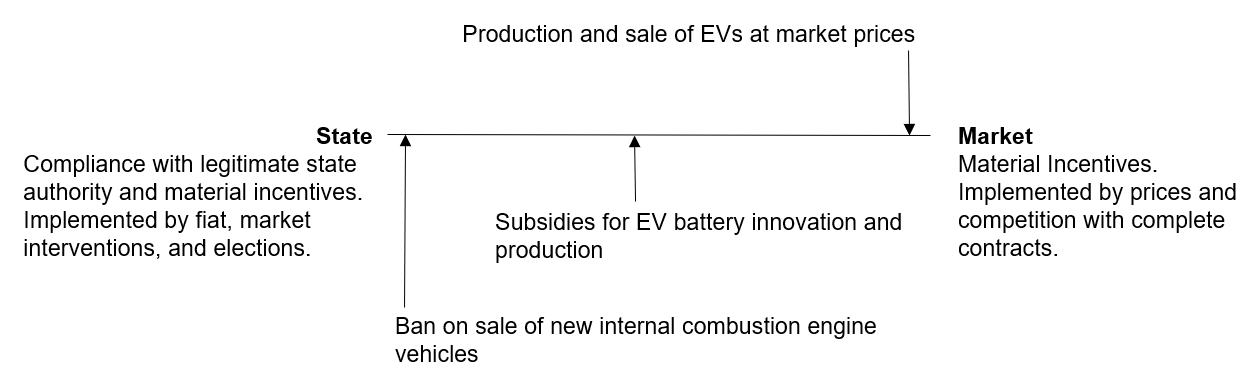
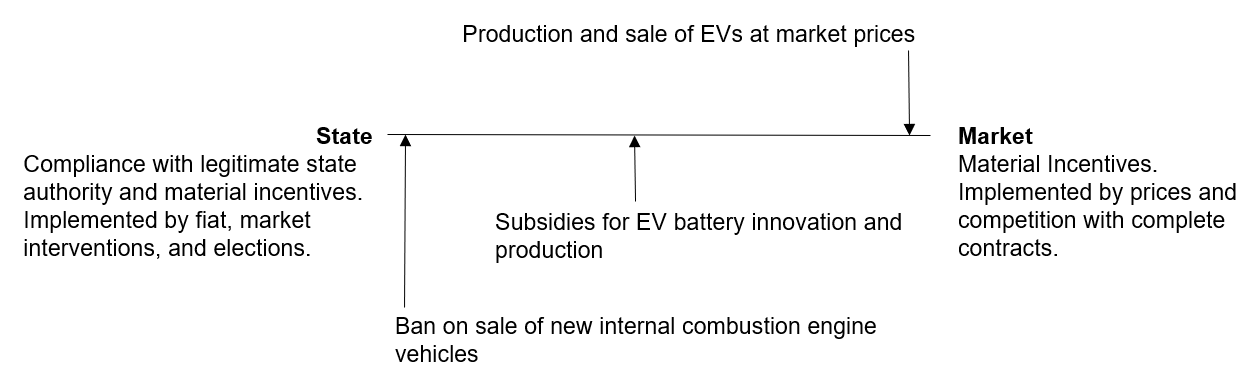
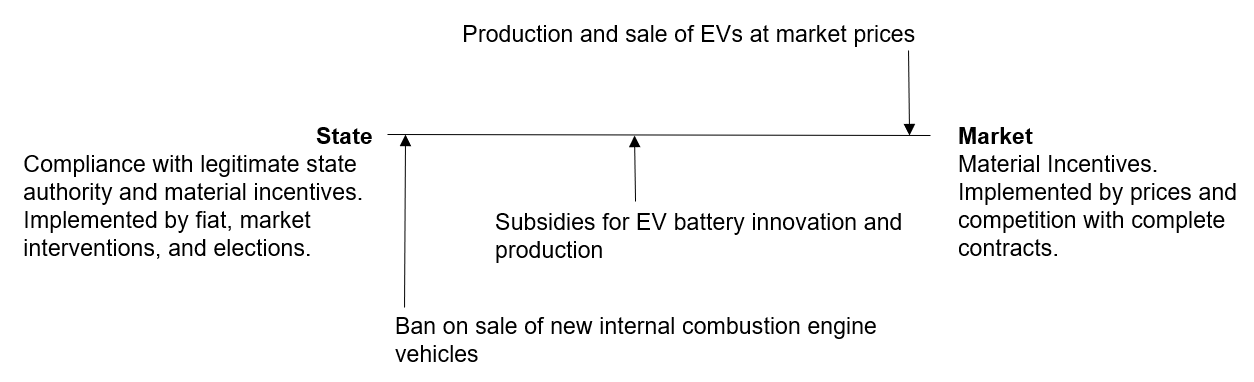
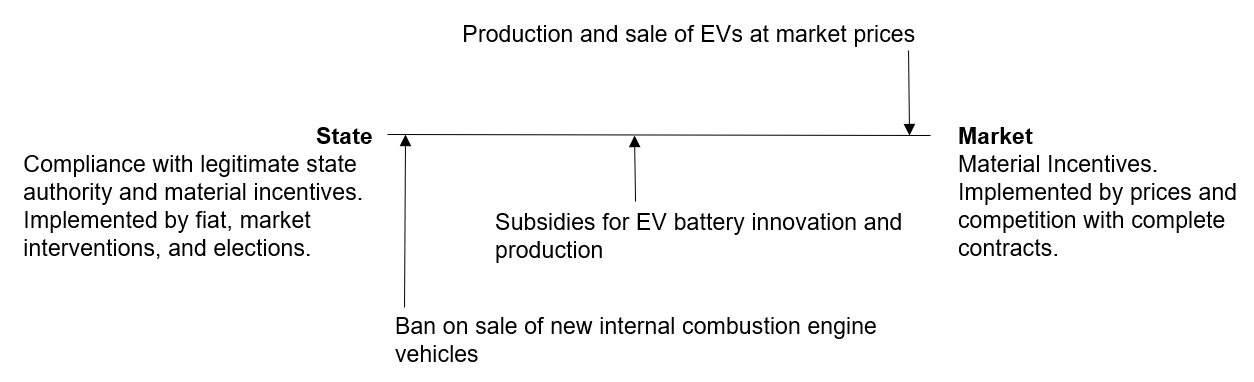
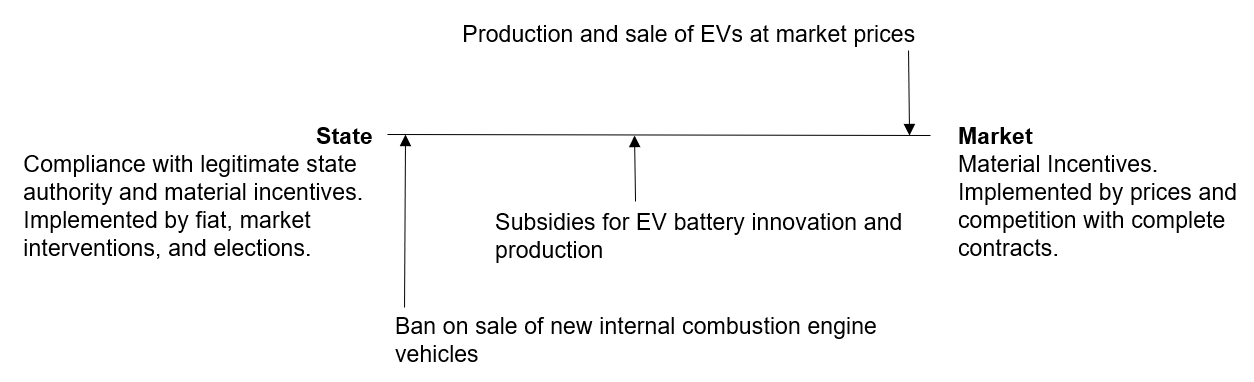
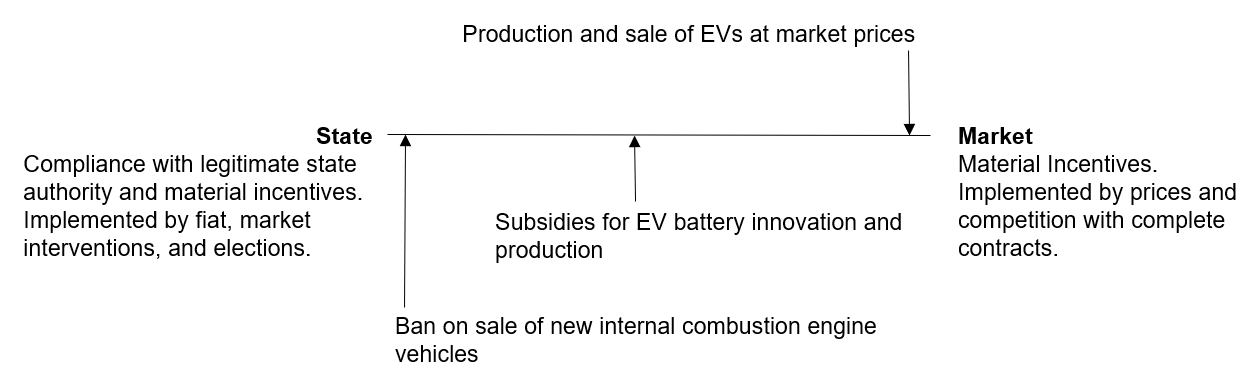
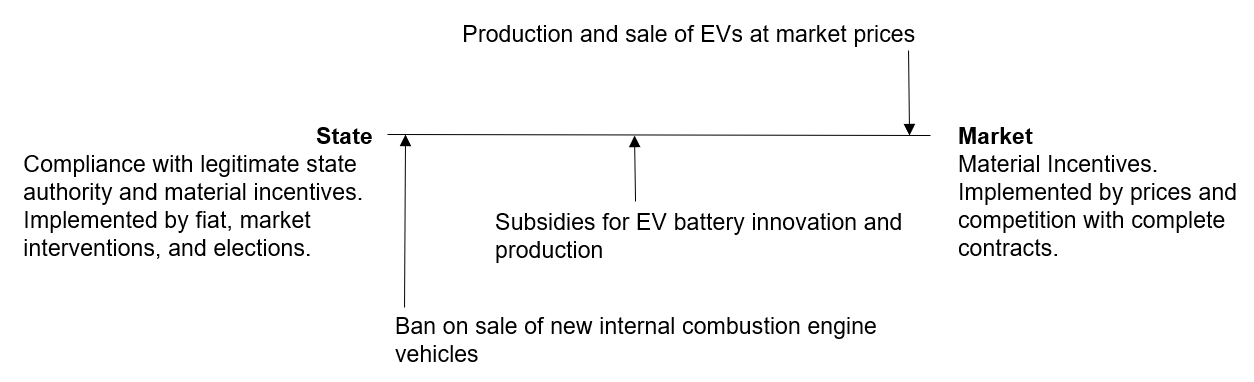
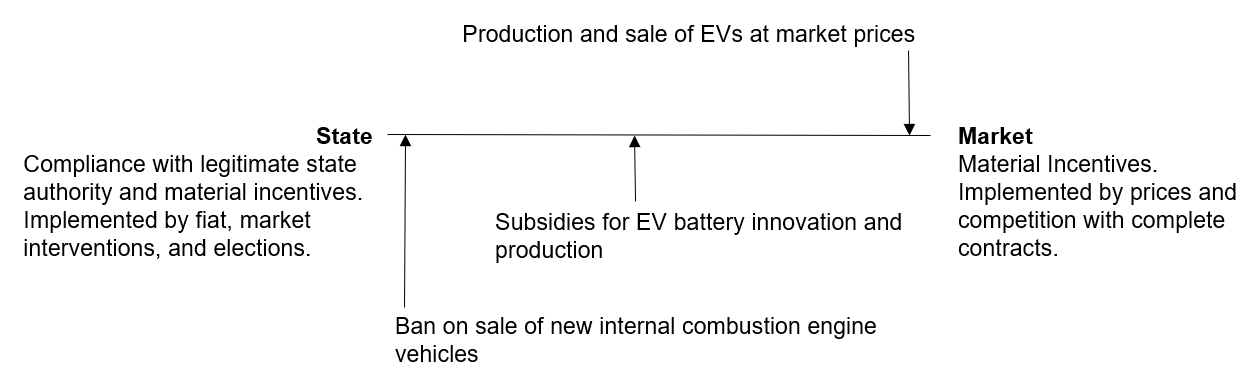
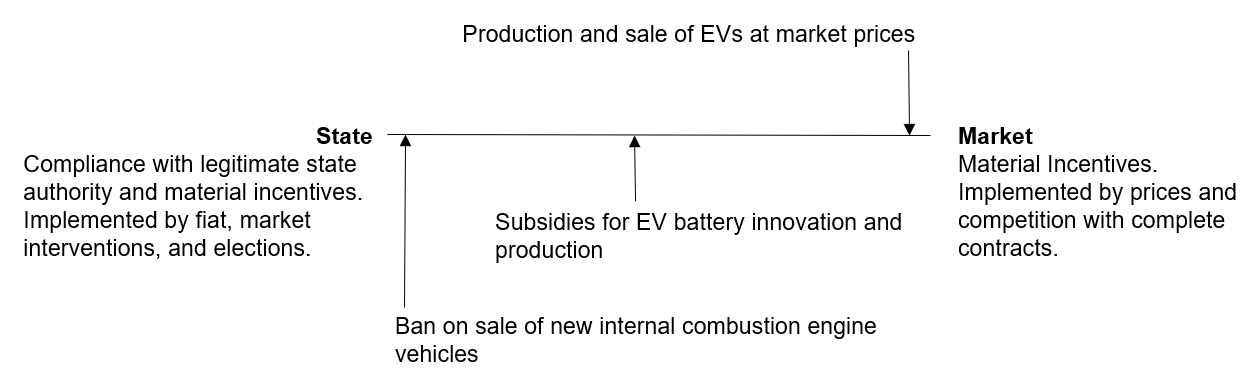
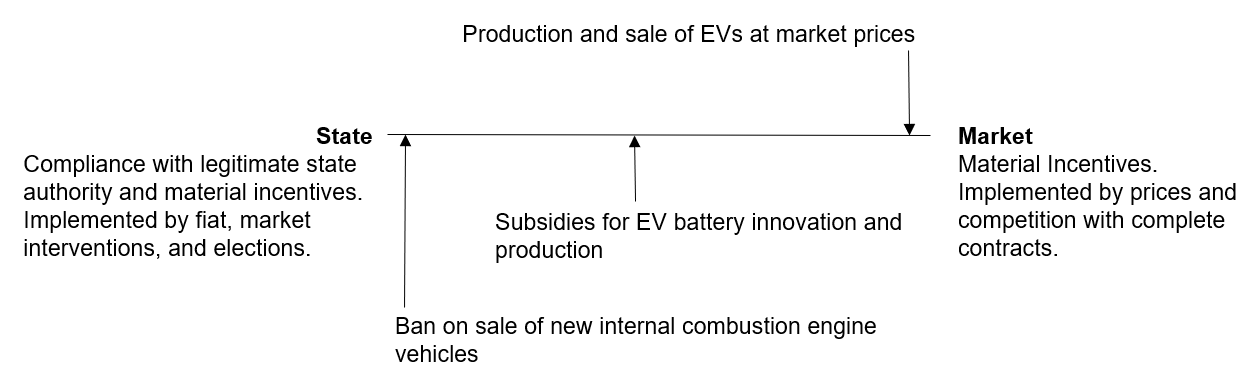
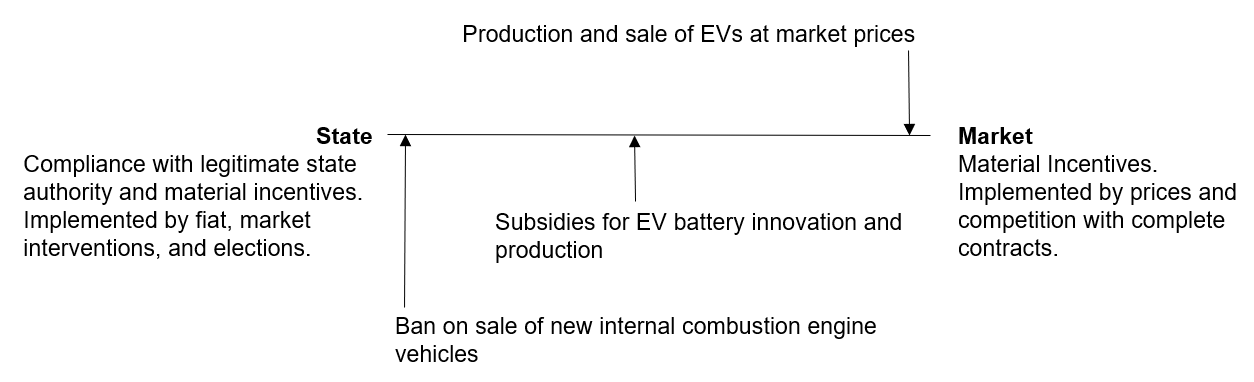
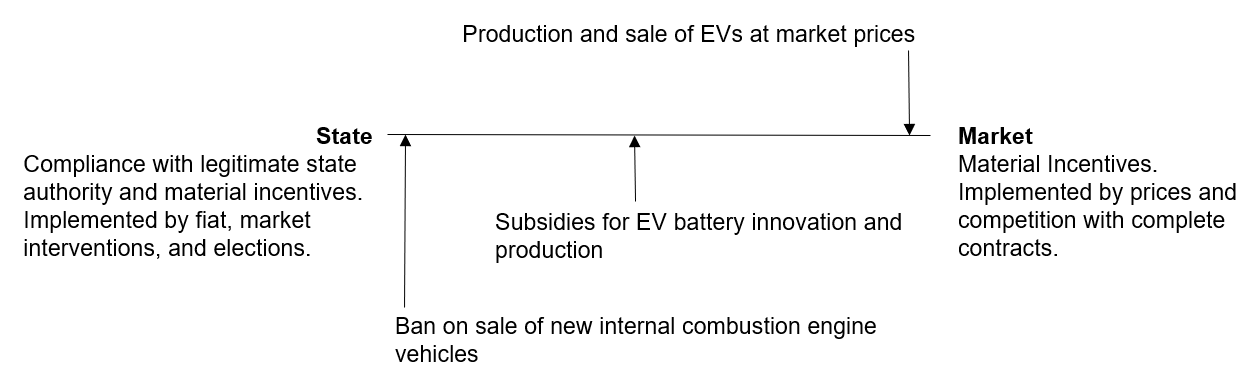
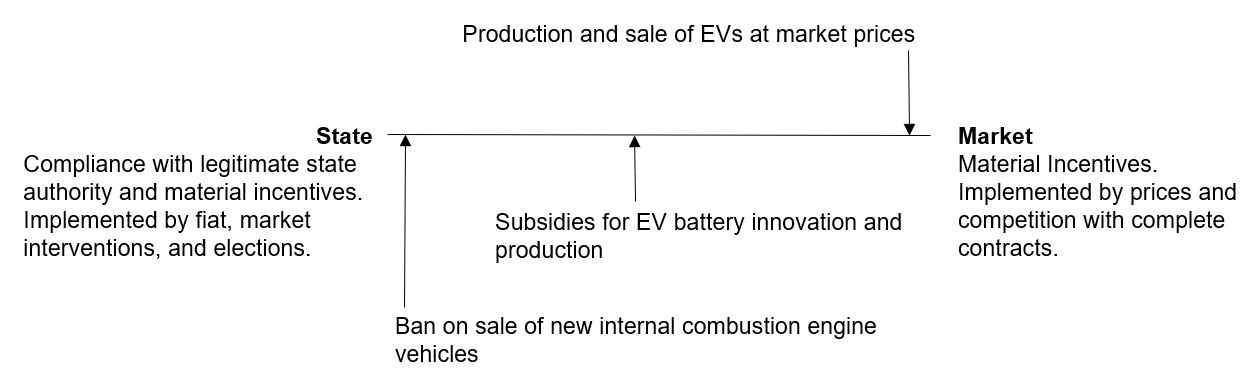
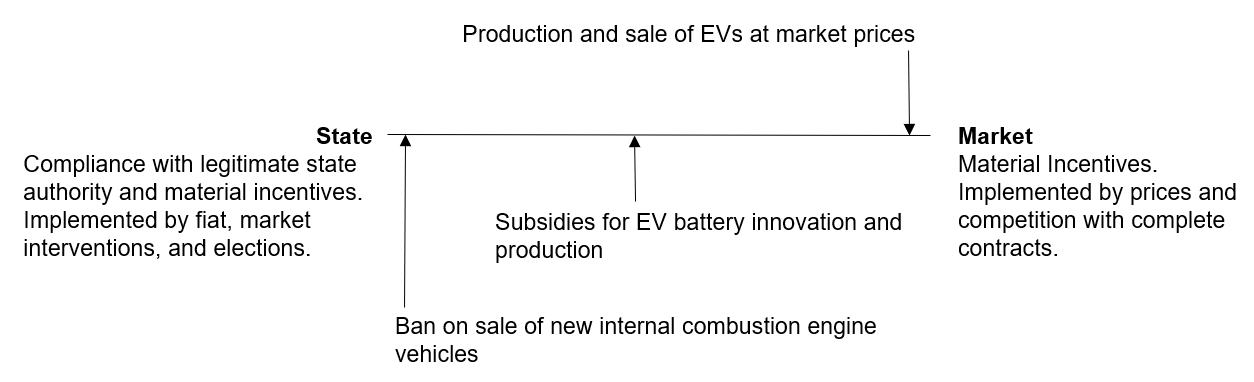
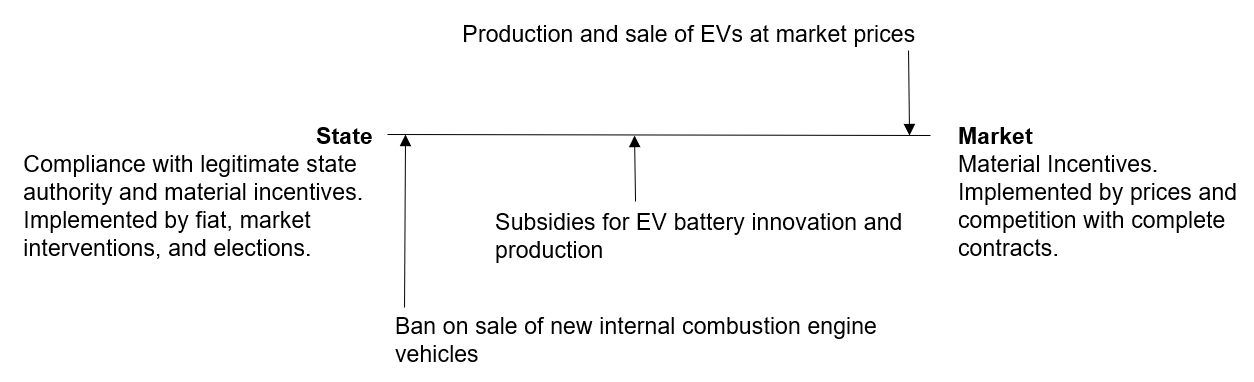
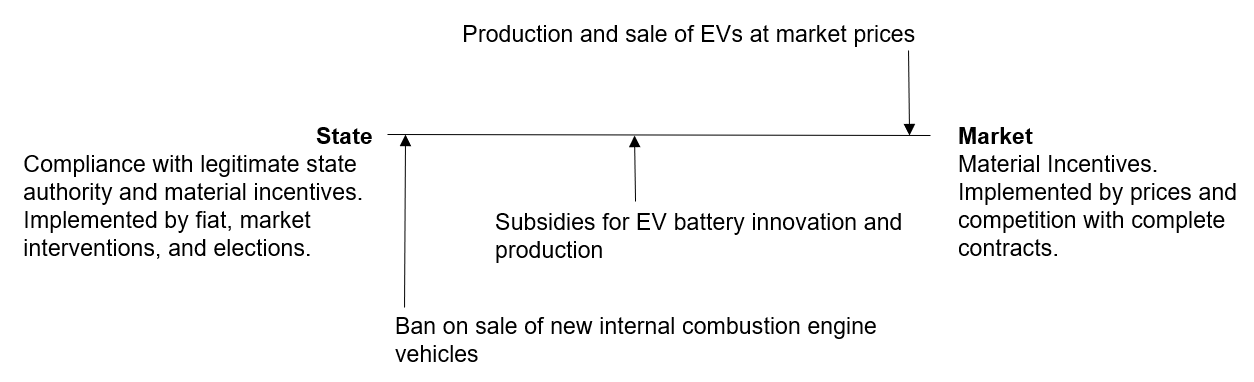
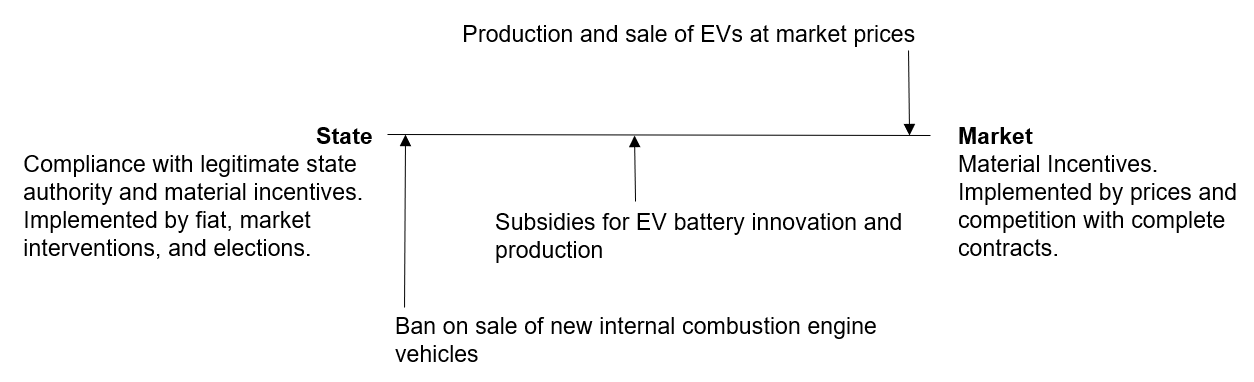
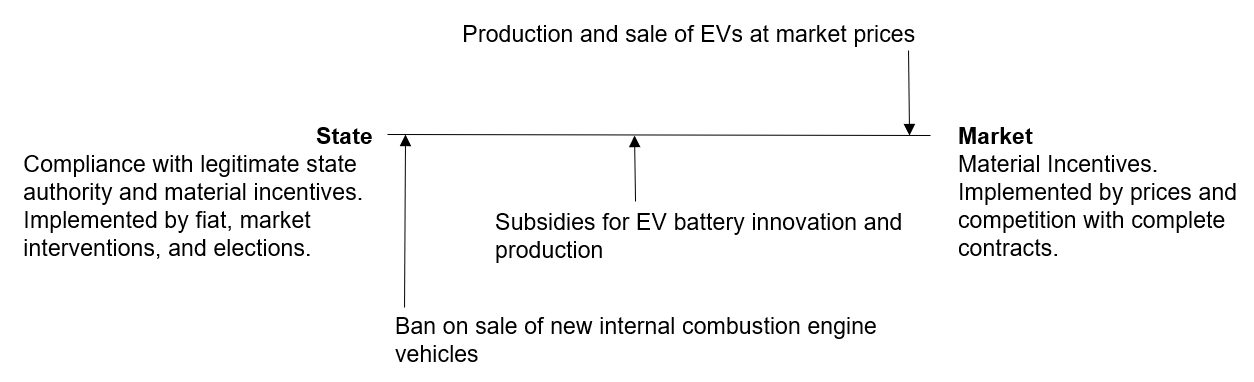
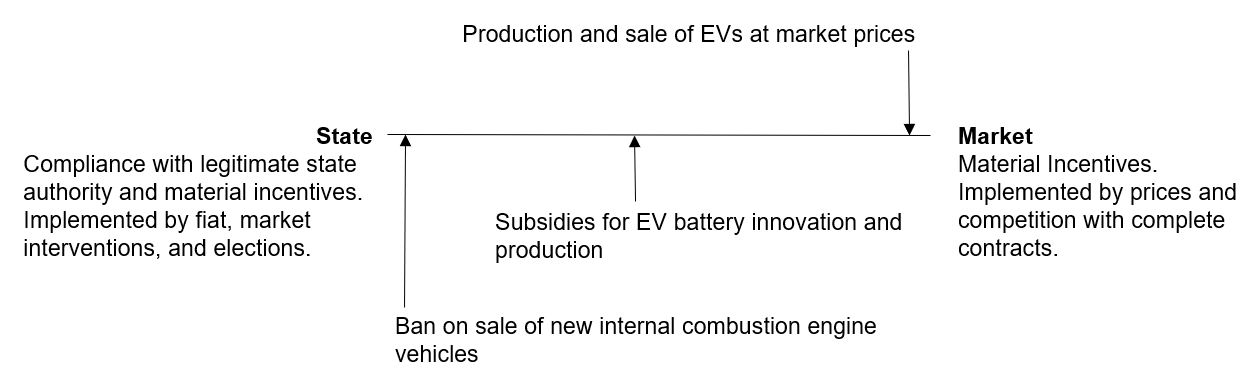
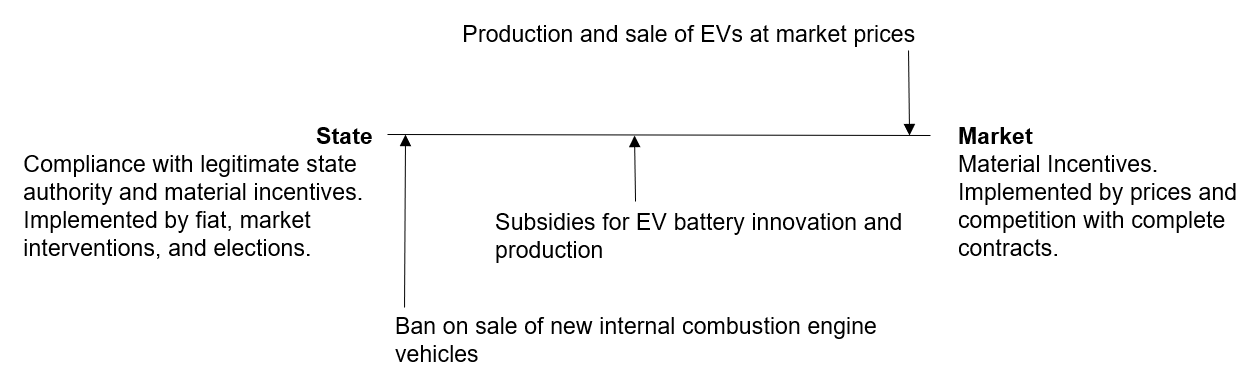
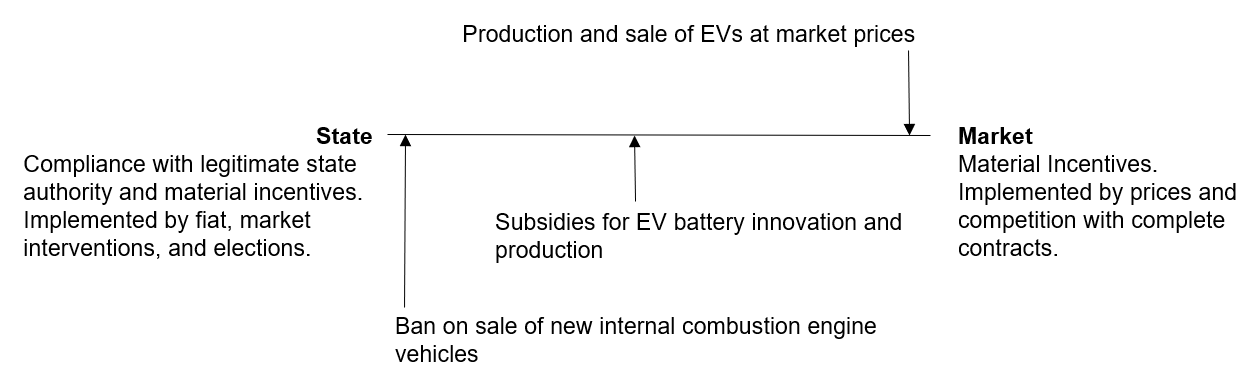
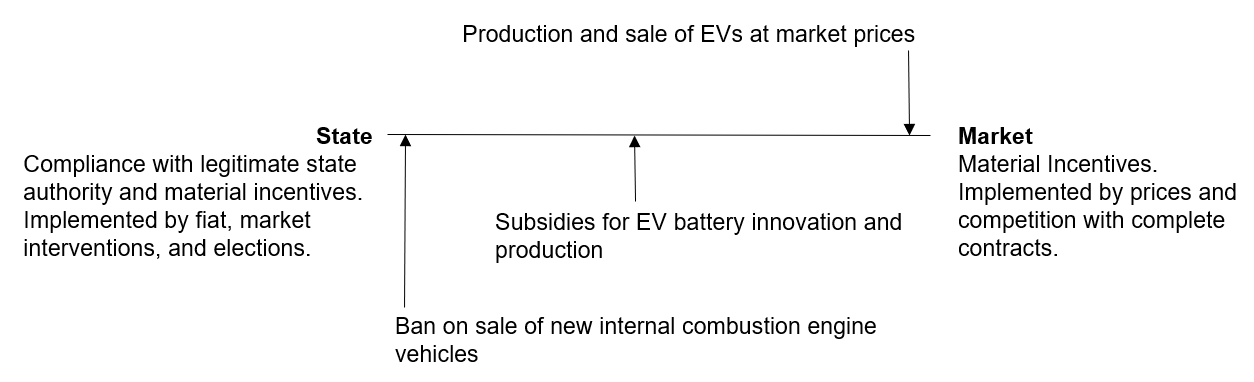
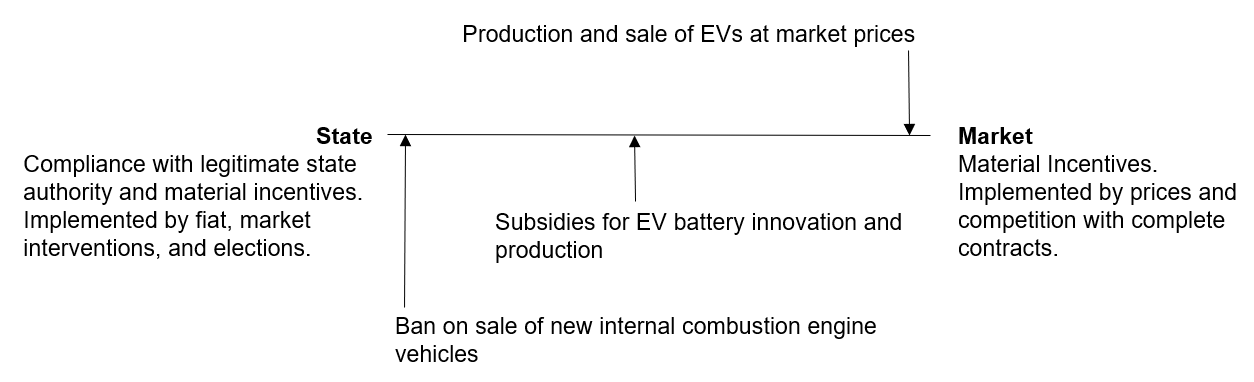
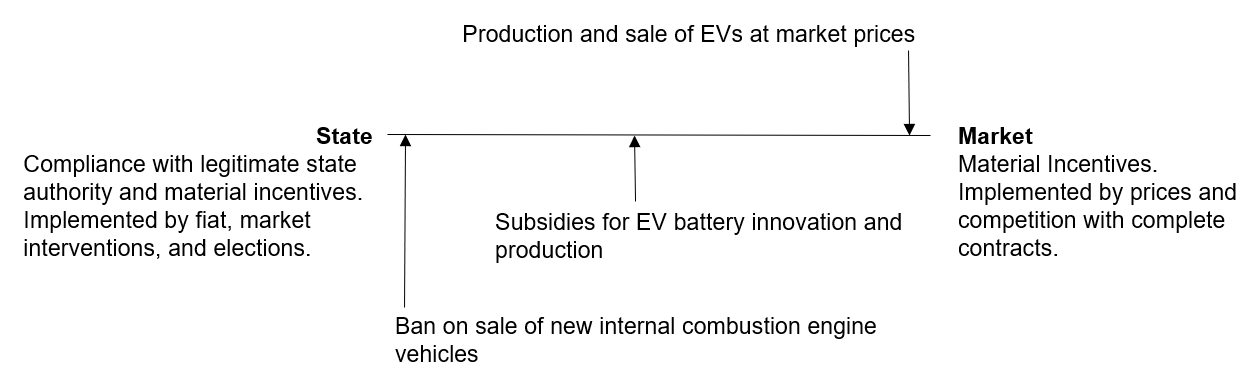
market and state shown in Figure 1. We illustrate the state-market continuum for the case of climate
impacts ranging from a direct governmental ban on the sale of new internal combustion engine
vehicles, to subsidies for EV battery innovation and production – combining both governmental fiat
and market exchange – to the production and sale of EVs at market prices in the absence of these
policies. More generally, economists design policies to mitigate the uncompensated social costs
arising through market governance. More sophisticated incentive compatible policy design takes
account of the self-interest not only of homo economicus but also of state officials.






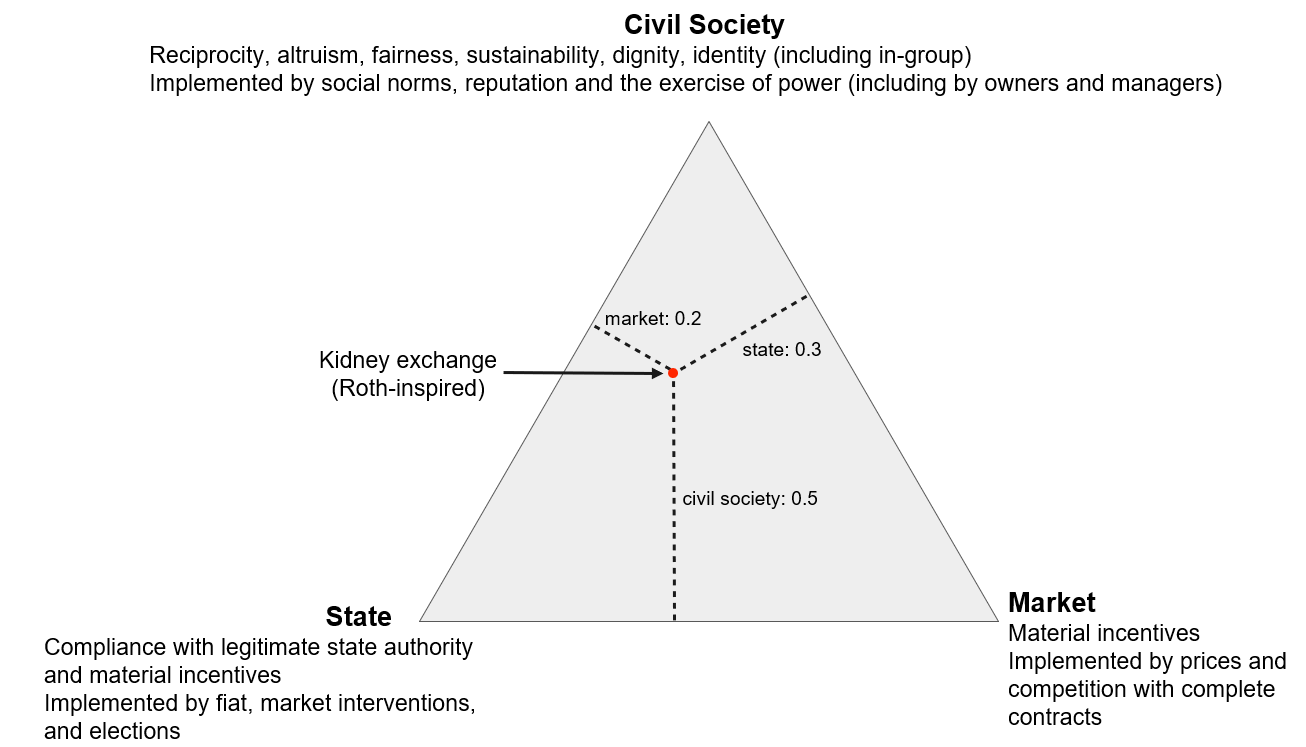
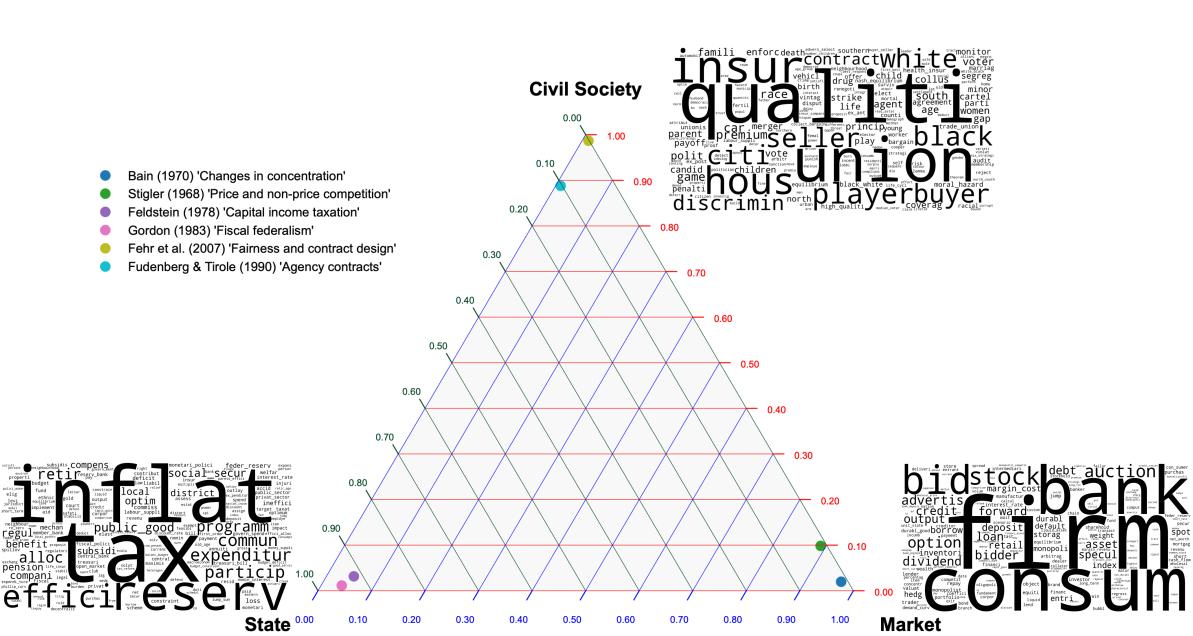
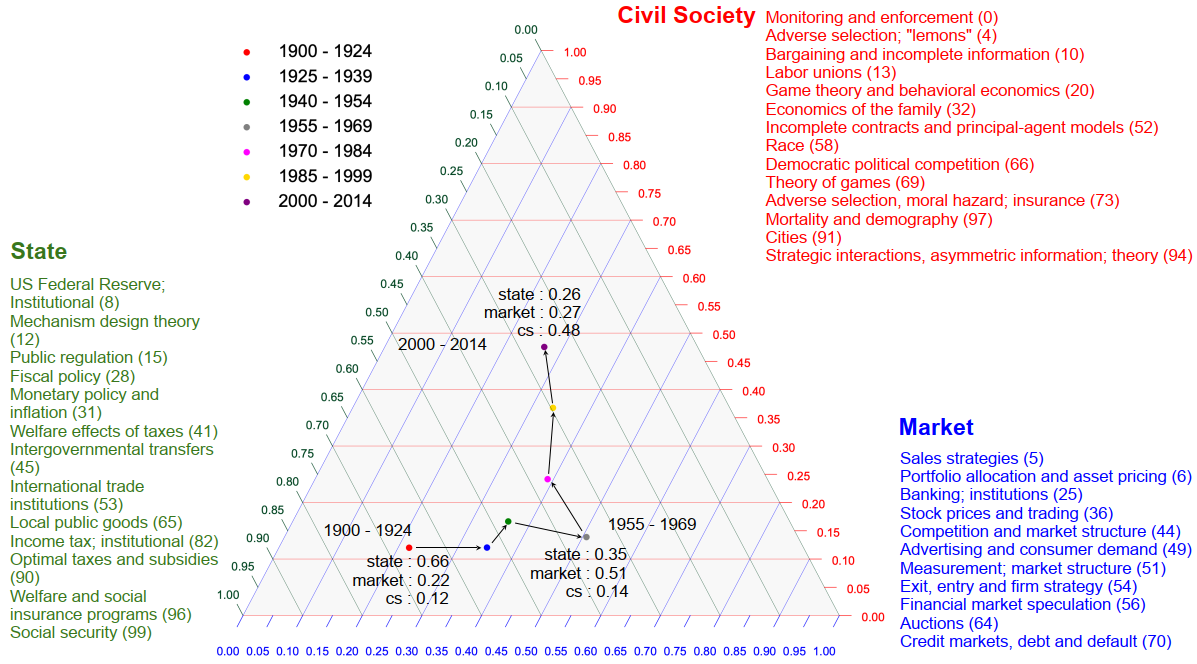
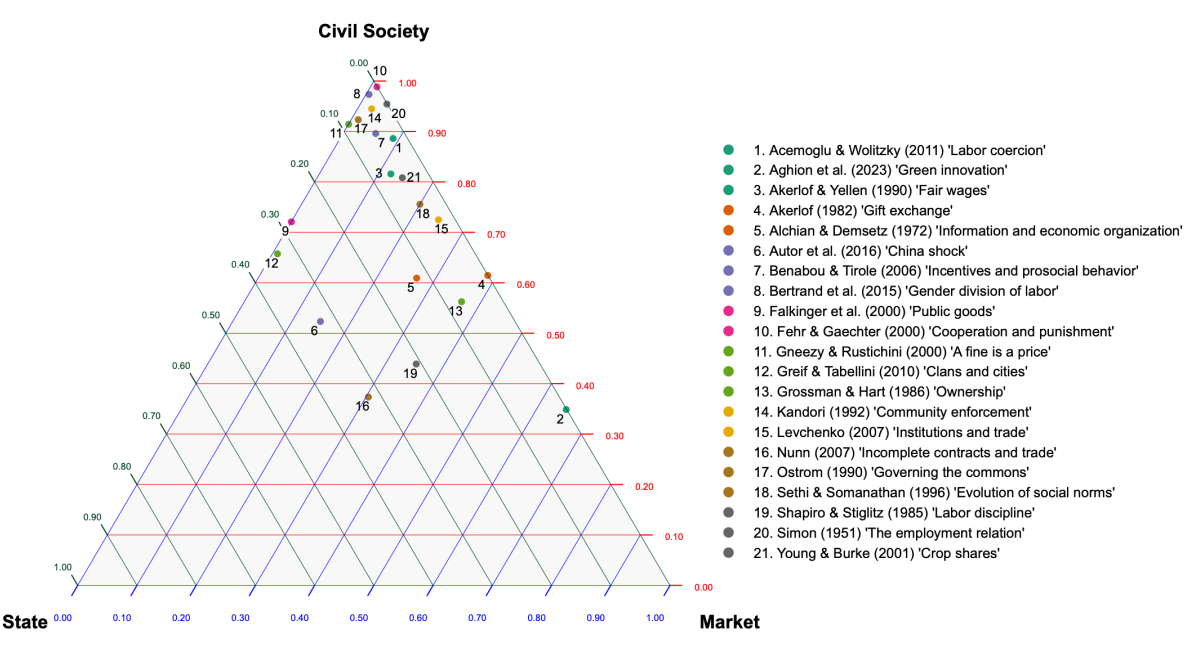
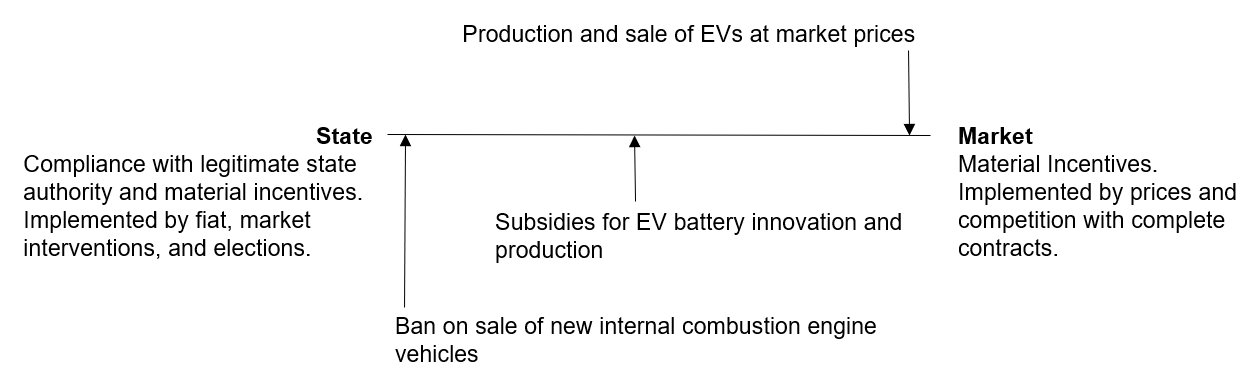
Figure 1. The state-market continuum for policy and institutions illustrated by climate policies
Two important developments in economics over the last half century dramatize the limitations of this
state-market continuum. First, the “information revolution” inaugurated by Hayek (1945) and
formalized by Arrow, Hurwicz and others recognizes that the knowledge available to states and
private economic actors alike is local and limited. The result is to curtail the capacity of either
governmental fiat or private contract (or a combination of the two) to address many resource
allocation problems. Governments may not know the least-cost way to reduce the use of internal
combustion engines, and private actors do not have the capacity to write enforceable contracts to
establish liability for the climate damage imposed by conventional vehicles. Limited information is
the reason why many economic interactions take the form not of market exchanges under more or
less complete contracts – like the purchase of bread or microchips – but instead principal-agent
relationships under incomplete contracts or entirely non-market interactions. Six years after Hayek’s
“The use of knowledge in society”, Simon (1951) p 293 provided the first principal-agent model of
what he termed “the authority of an employer in an employment contract.”
The second development, due to behavioral economics, is the recognition that people have identity
aspirations, other-regarding preferences, fair-mindedness, and ethical commitments going beyond
those of the self-interested and amoral actors of conventional economics (Akerlof & Kranton 2010,
Fehr & Charness 2025). Three surveys of individual behavior in incentivized economic games find
that homo economicus is in a distinct minority, typically less than a third (Bowles & Schmelz 2026).
In experimental play of the Ultimatum Game, for example, subjects often reject offers of less than
half of the asset being divided and therefore receive nothing, effectively forgoing what in some
experiments were substantial sums in order to uphold a fairness norm and punish those seeking to
violate it.






These results have fundamentally altered economists’ understanding of employment and the labor
market. George Akerlof and Janet Yellen, for example, have offered models in which employees
will work harder if the employer’s wage offer signals their fairness or generosity. (Akerlof 1982,
Akerlof & Yellen 1990). The fair wage hypothesis and the representation of employment as a partial
gift exchange may explain why increases in the minimum wage tend to induce spillover effects,
increasing the pay of workers not directly affected by the statutory minimum, as observed, for
example in Canadian data (Brochu et al 2025). A likely mechanism is that the increase in the
minimum wage may raise the fair wage norm, and at the same time may transform what was, prior to
the increase, seen as a generous above-the-minimum wage offer into just the lowest wage that your
employer could legally offer, removing the gift element of the exchange and inducing the employee
to respond with negative reciprocity.
Recent evidence from the market for casual labor in India reveals that identity norms have large
effects on willingness to accept a job offer. In the low wage Indian labor markets studied by Emily
Breza it is social norms, not market competition, that implements something close to the law of the
single price (Breza et al 2025). Suanna Oh (2023) reports that workers, also in India, are willing to
forgo ten times their daily wage to avoid a job that would involve spending just 10 minutes on tasks
that are inconsistent with their caste-defined occupation. These substantial effects are not confined to
low-income economies. The ubiquity of fifty-fifty crop shares in Illinois that we mentioned above by
comparison to the same environment without the fifty-fifty norm, implements a substantial
redistribution of income from owners to renters (Burke 2015).
This new economics of a sometimes social and ethical actor has important implications, too, for
mechanism design and public economics. Focusing on the incentives and constraints that make up
the policy maker’s toolkit along the state-market continuum overlooks opportunities for the design
of policies that draw on the social character of people. These include intrinsic motivations to do a
good job, to treat others fairly, to construct a dignified personal identity, to be green, or to help or
punish those who uphold or violate social norms. Since the 1970s economists have also studied the
endogenous nature of preferences and what they imply for the design of policy. (Becker 1996,
Benabou & Tirole 2006, Bowles & Hwang 2008, Bowles & Polania-Reyes 2012, Gintis 1972, Kreps
2023, von Weizsäcker 2024).






Ignoring these social preferences and how they can change not only misses an opportunity for better
societal governance but also results in ineffective, even counterproductive policy. Poorly designed
policies may undermine other-regarding and ethical preferences that are indispensable to the good
governance of any modern economy, and which otherwise would contribute to addressing societal
problems (Benabou & Tirole 2006, Bowles 2016, Bowles & Polania-Reyes 2012). In Germany, for
example “control-averse” citizens enthusiastically supported vaccination during the 2020-2021
COVID-19 pandemic and carbon-reducing lifestyle changes such as limiting cars in city centers if
these measures were voluntary but much less so if implemented by state fiat (Schmelz 2021,
Schmelz & Bowles 2025).
In similar vein, Aldo Rustichini and Uri Gneezy (2000a, 2000b) studied the effect of fines on how
frequently parents arrived late to pick up their children at daycare centers in Haifa. They found that
the imposition of the fines doubled the number of parents arriving late. The title of one of their
papers “A Fine is a Price” suggests a possible explanation: putting a price tag on lateness
transformed arriving late in the parent’s mind from the violation of a social norm into a commodity
that one could simply pay for without incurring guilt or shame. The fine, in short, appears to have
crowded out a pre-existing ethical commitment.
We introduce the third form of governance – civil society – to better account for the limited capacity
of combinations of state fiat and private contract to implement solutions under plausible assumptions
concerning both information conditions and the existence of social preferences. Just as for state and
market, the pure type of civil society governance can be characterized by how economic actors
interact and how outcomes are implemented. In civil society, actors are motivated by preferences in
addition to self-interest that include fairmindedness, reciprocity, altruism, control-aversion,
sustainability, dignity, and identity including “us versus them” distinctions. Outcomes are
implemented through social norms, reputation, and the exercise of power by private actors in the
setting of incomplete contracts or entirely without contracts.
The distinctive ways in which the market, state and civil society can address coordination problems
can be understood by noting how the three forms of governance provide insurance – most people’s
risk exposure is reduced by access to a combination of all three. The market, for example, provides
insurance against theft, fire, and disruption of travel plans. The prices and conditions are set to
maximize the insurance firms’ profits, constrained by private demand for these instruments. State
officials implement unemployment insurance programs whose extent and design are determined






ultimately by political competition among contesting parties and interest groups and the biases and
capacities of state bureaucracies. Insurance in civil society is private and primarily informal (lacking
contracts or legally binding terms) and takes place when family members, neighbors and members of
the same religious community compensate for each other’s losses with contributions of time or
money. Platforms such as the U.S. civil society organization, GoFundMe also facilitate a form of
insurance among people less closely related by family and place. Civil society insurance is
motivated by some combination of other-regarding preferences and the expectation of receiving
reciprocal assistance at some later date (due to the personal and repeated nature of civil society
interactions.)
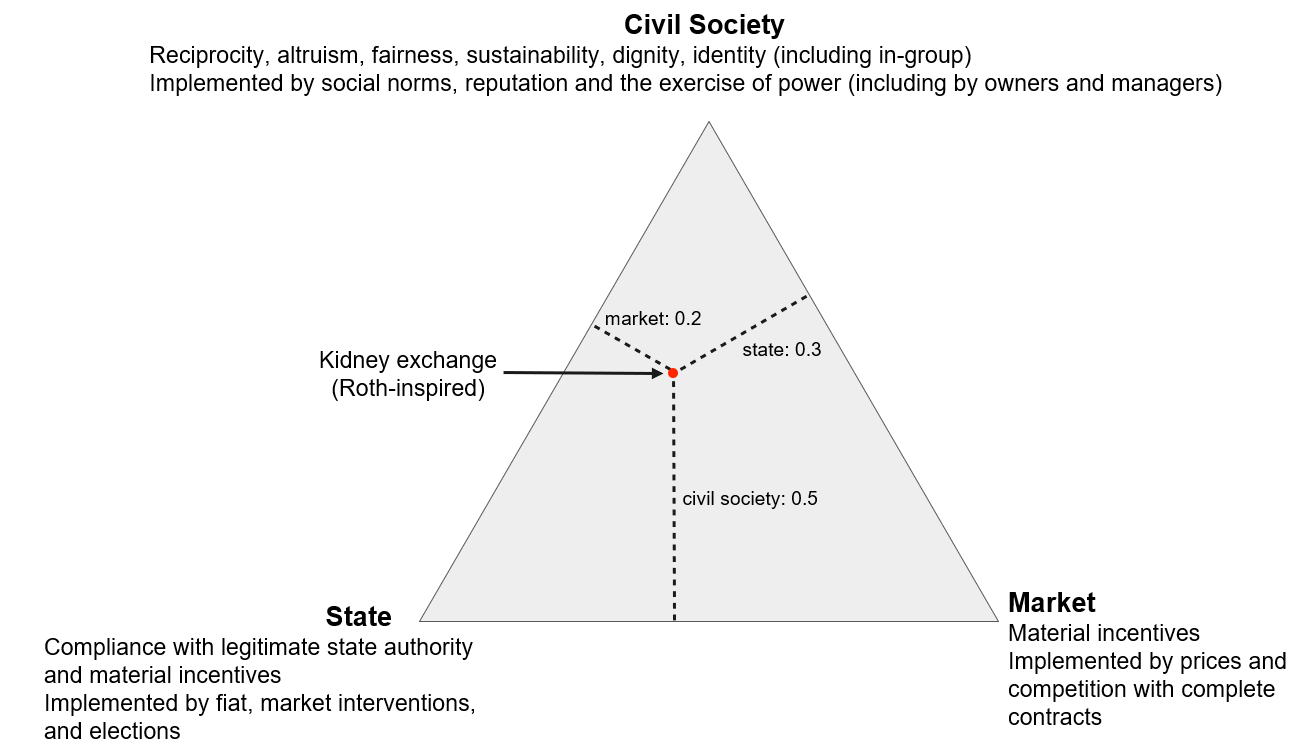
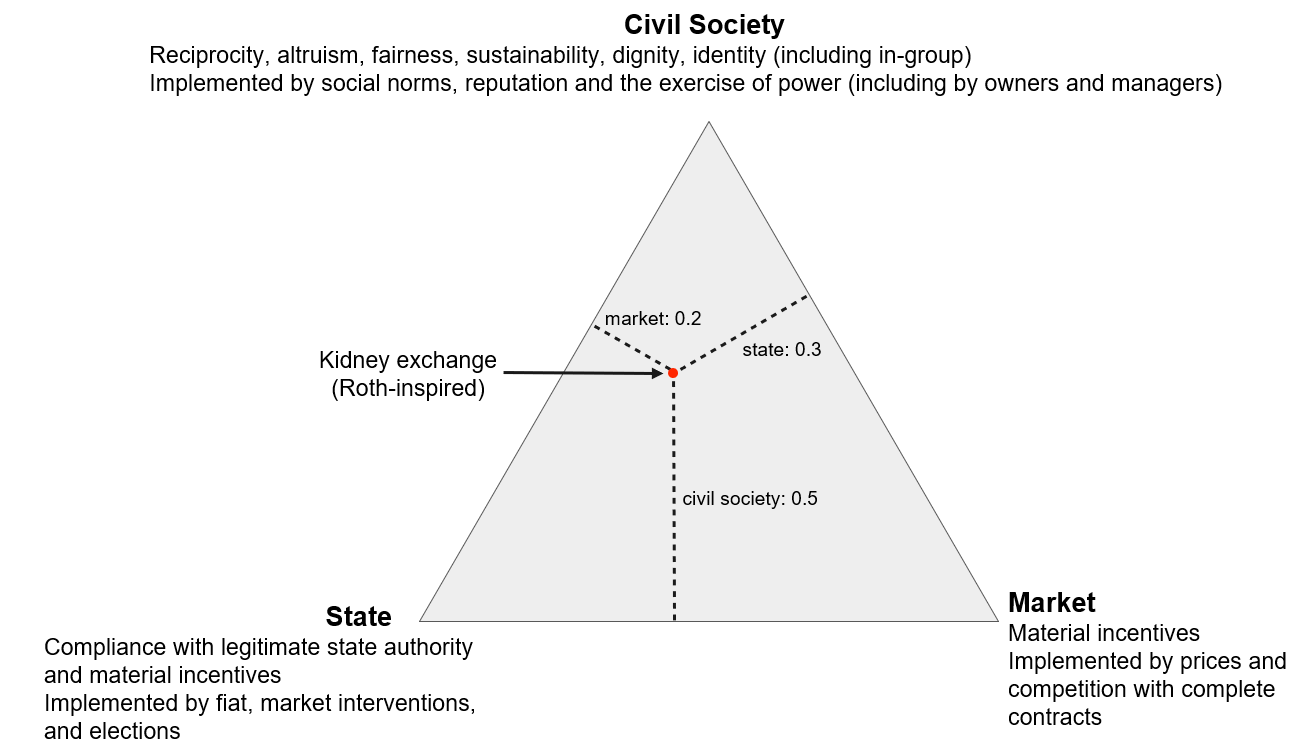
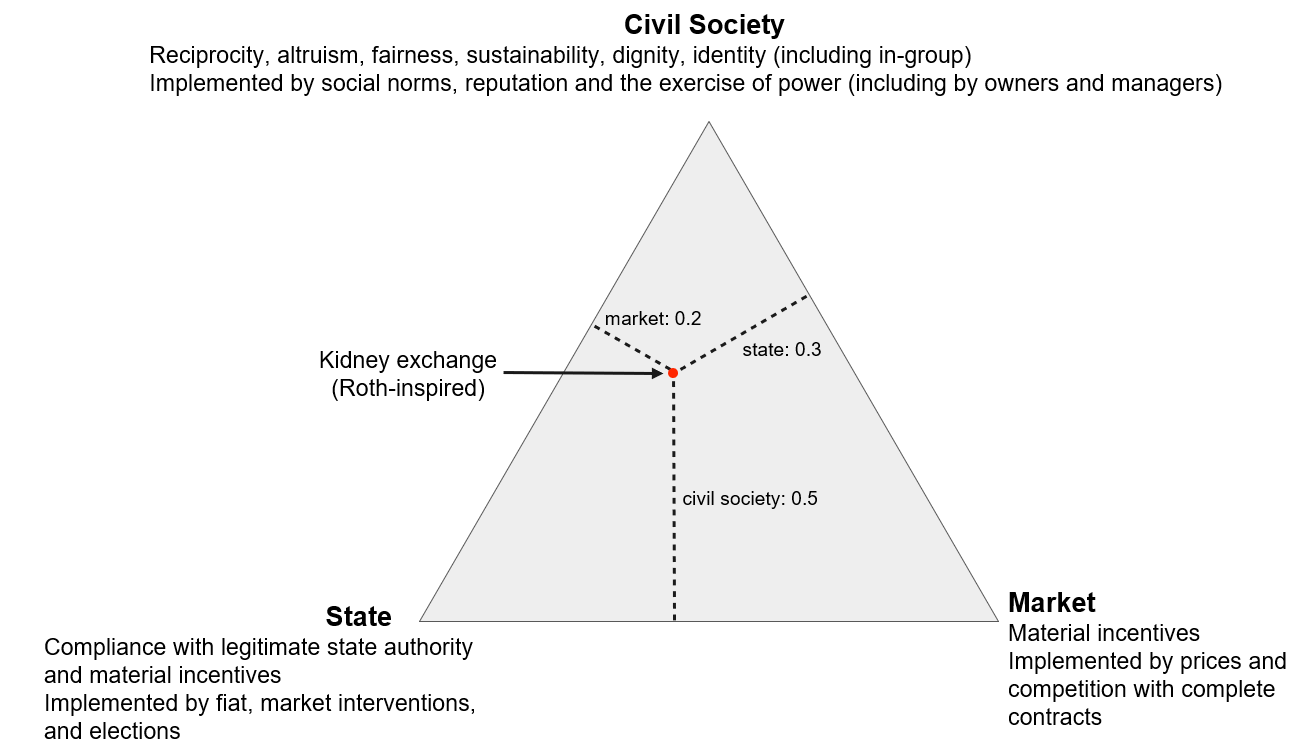
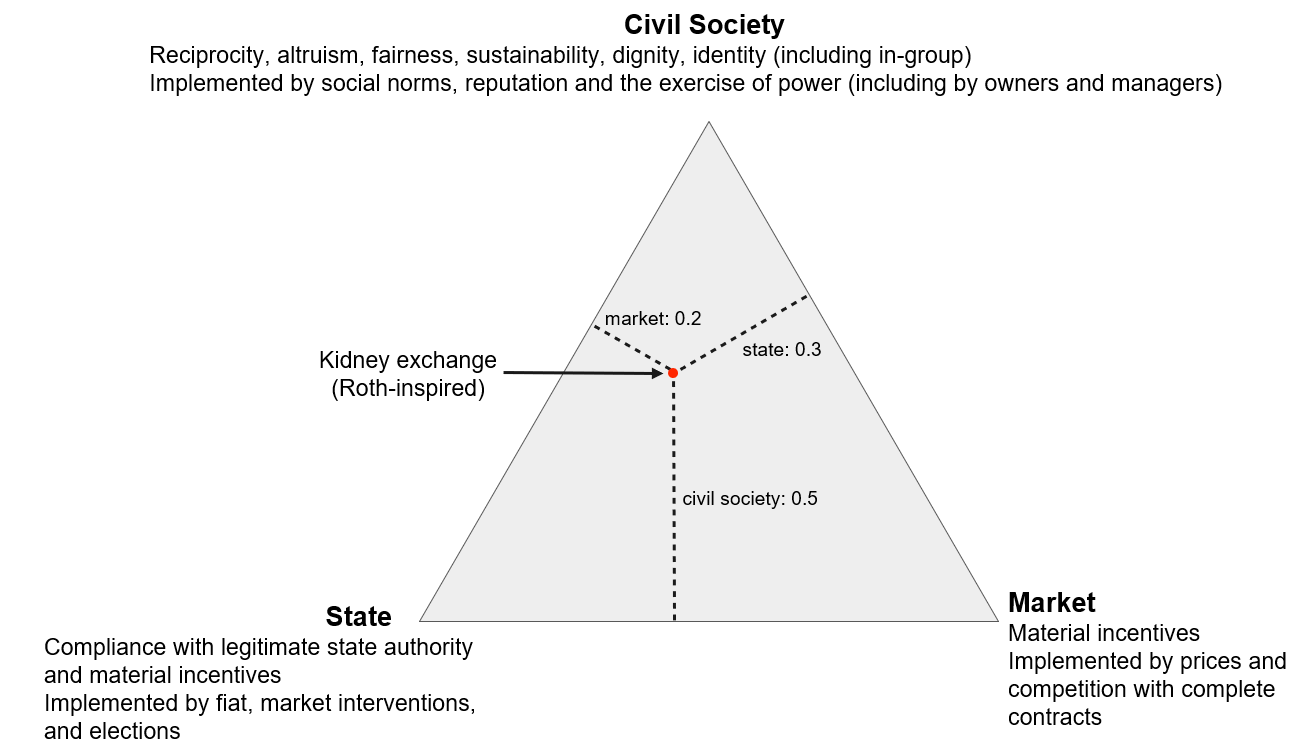
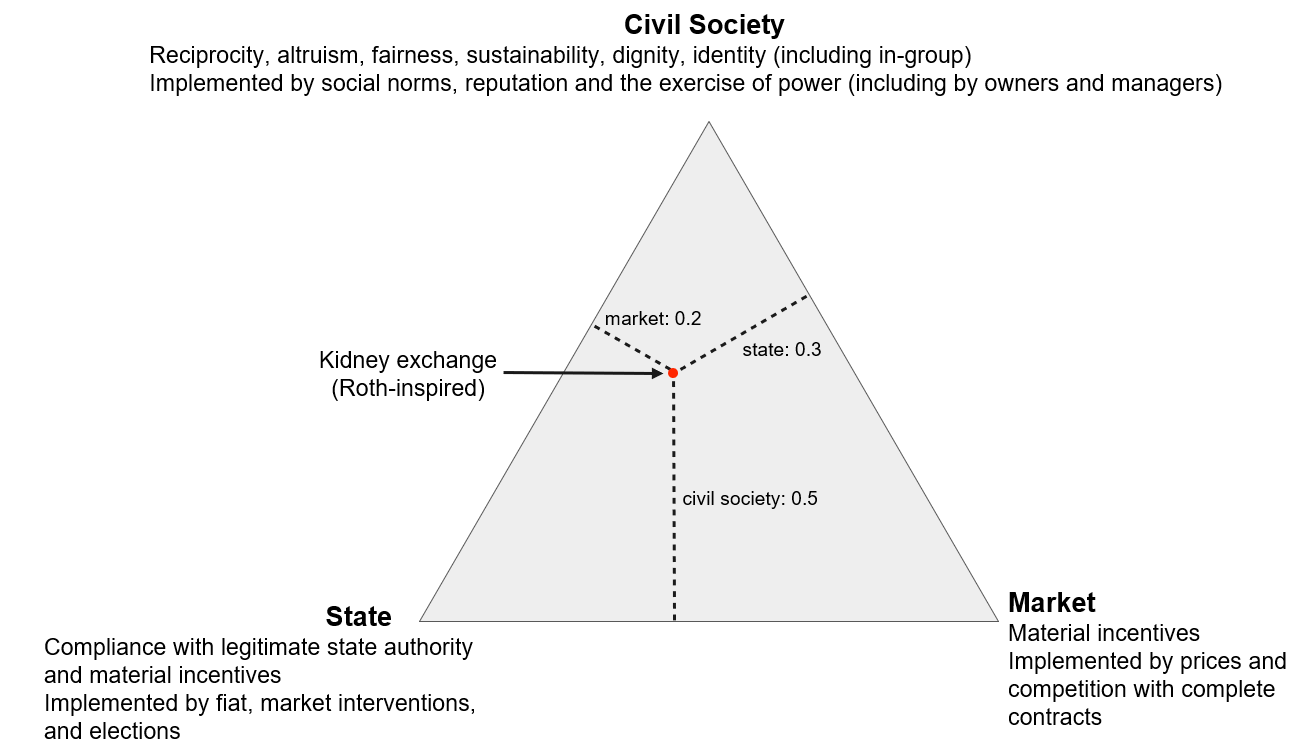
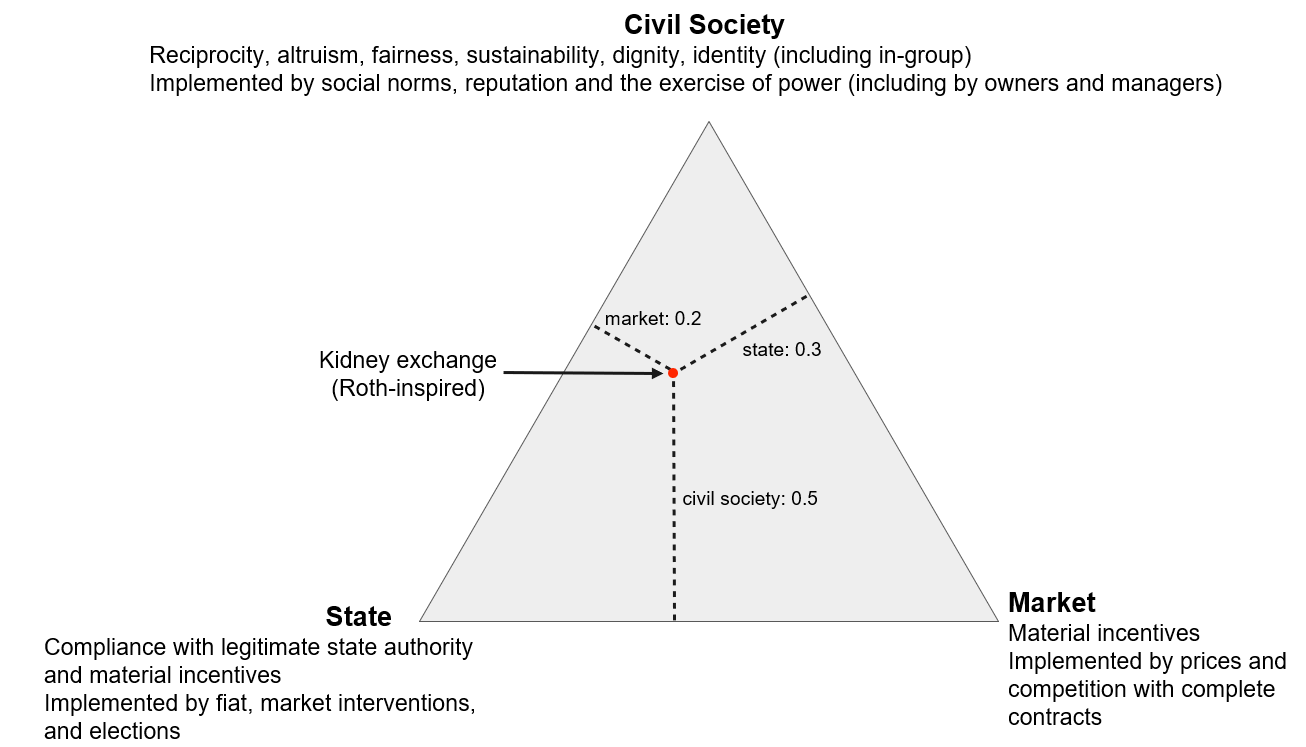
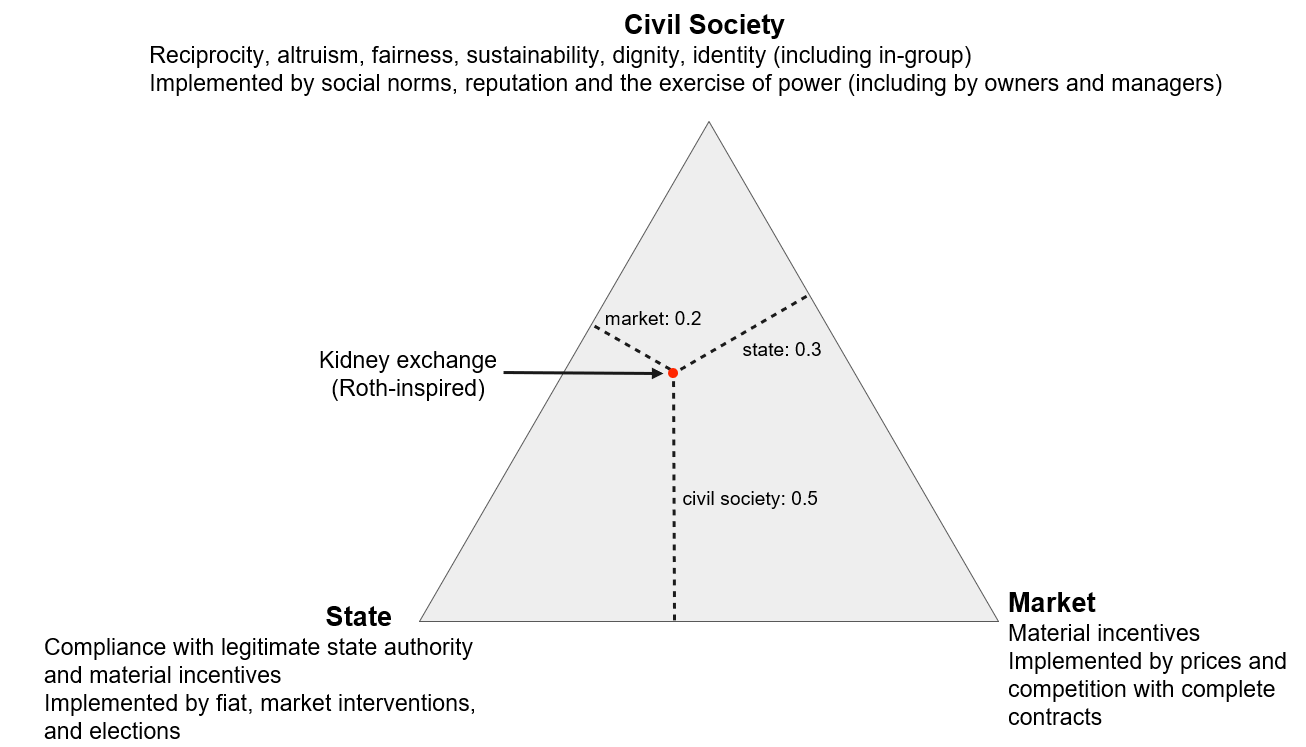
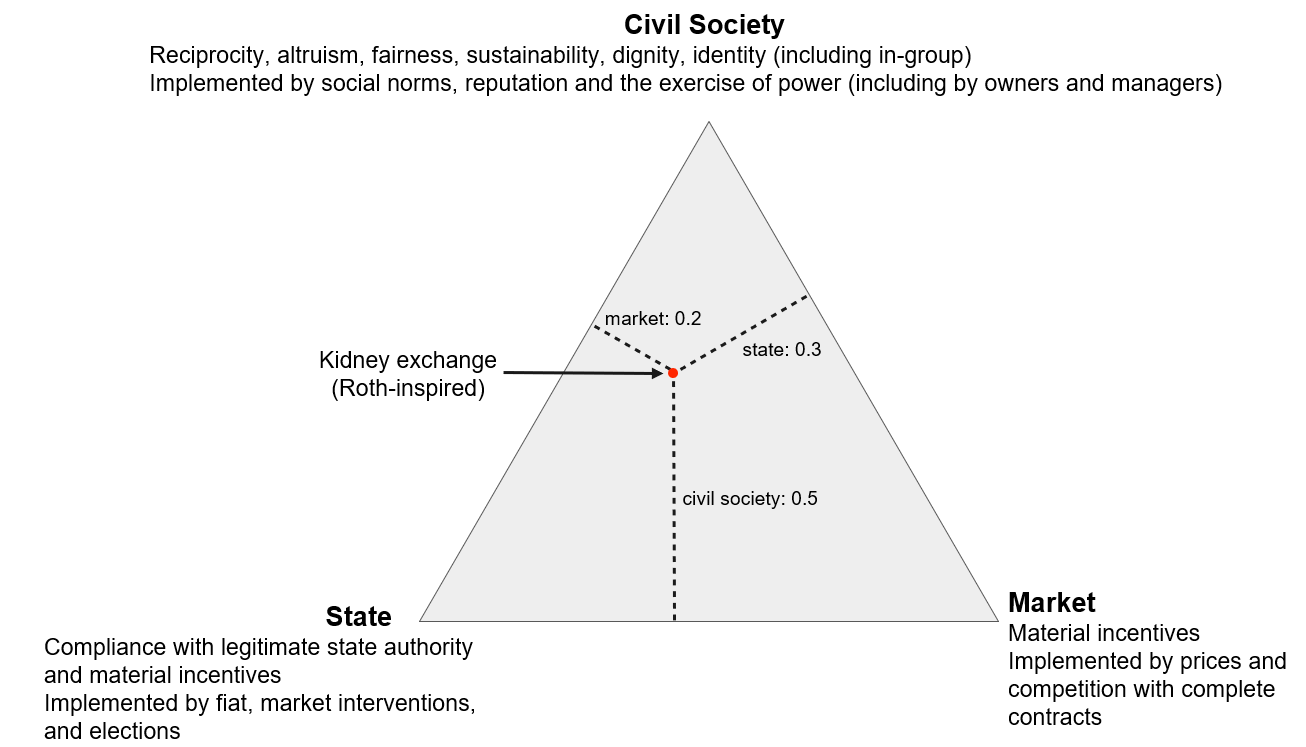
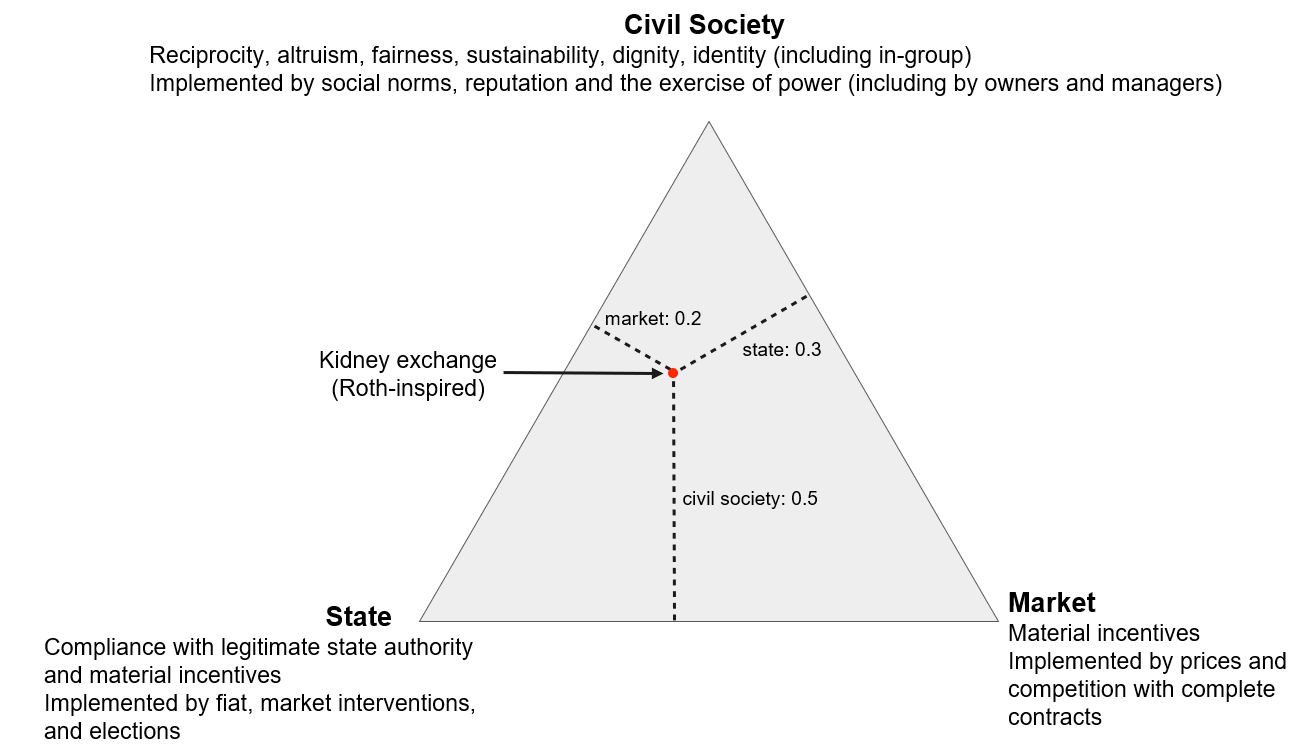
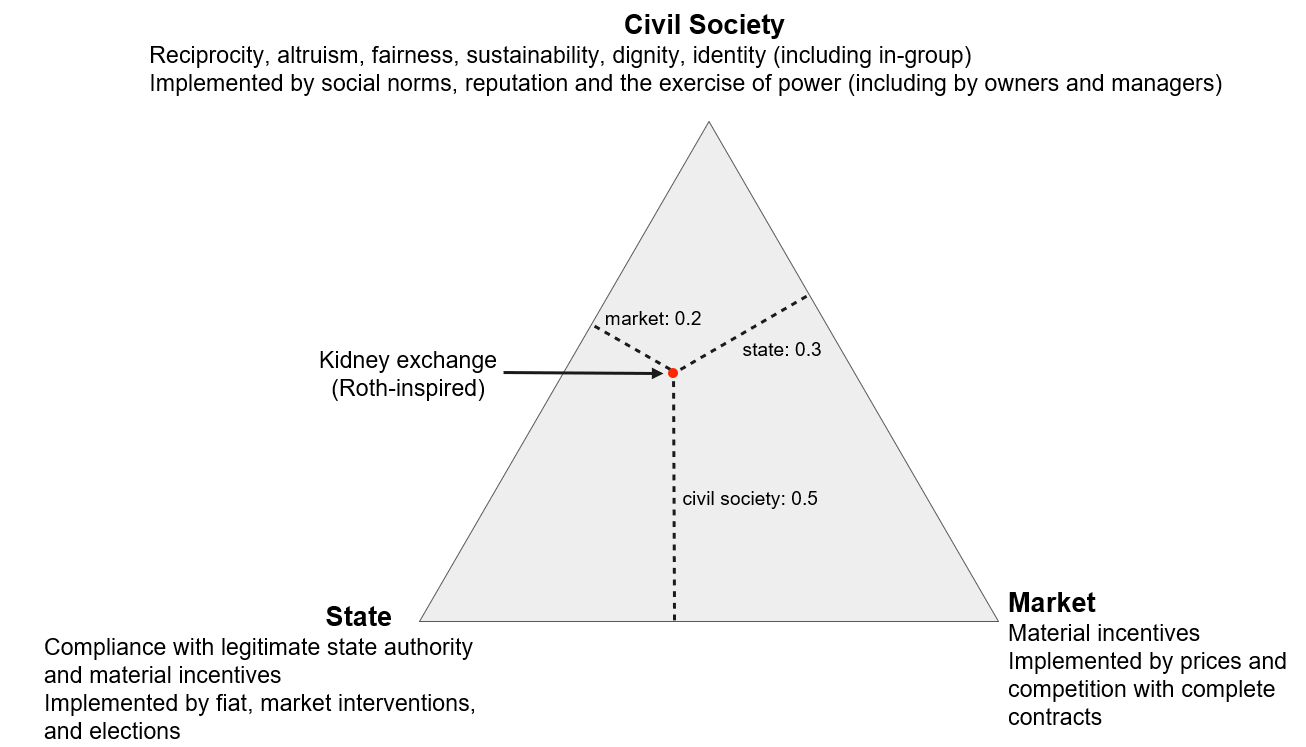
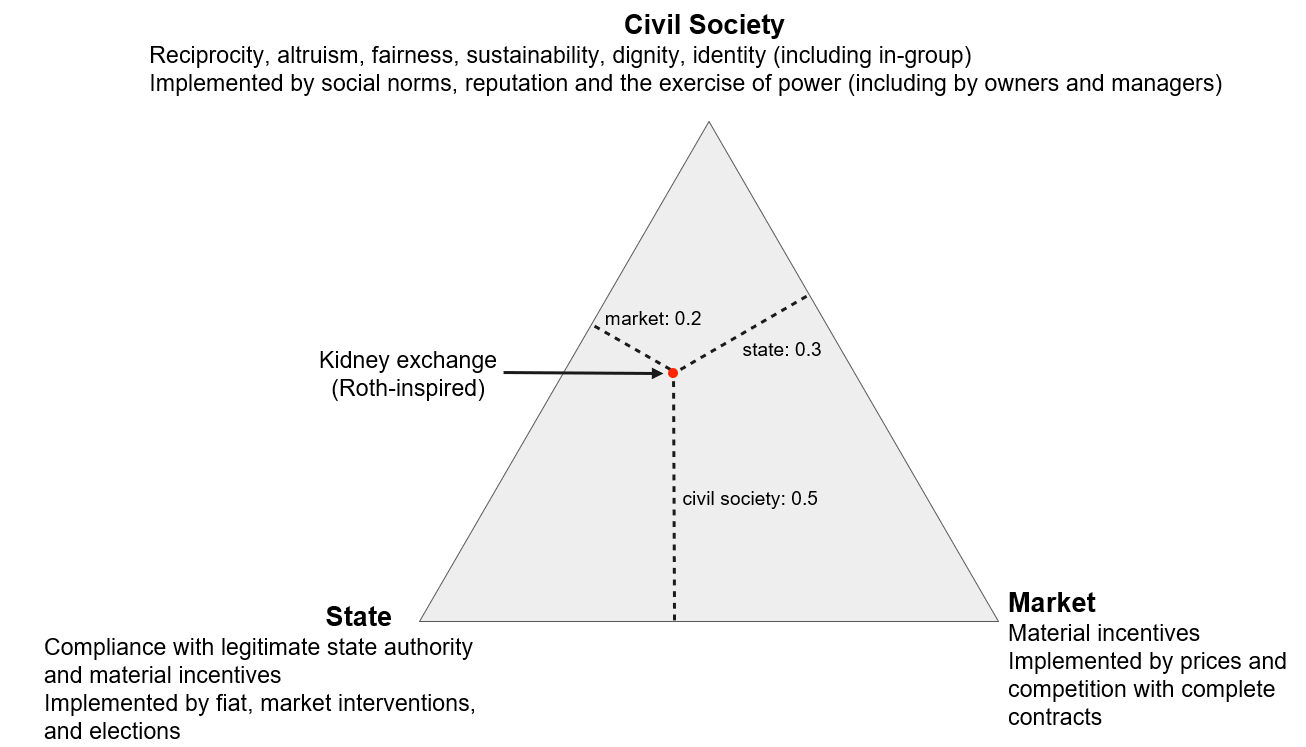
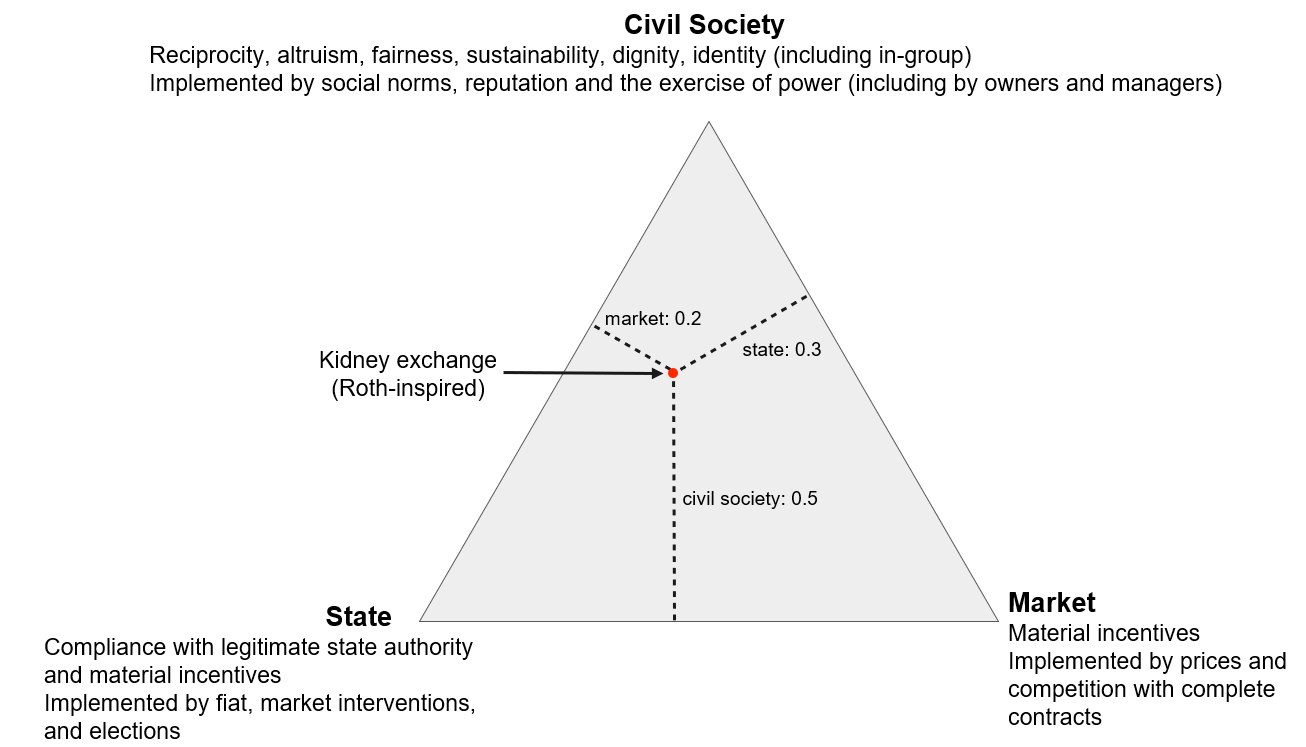
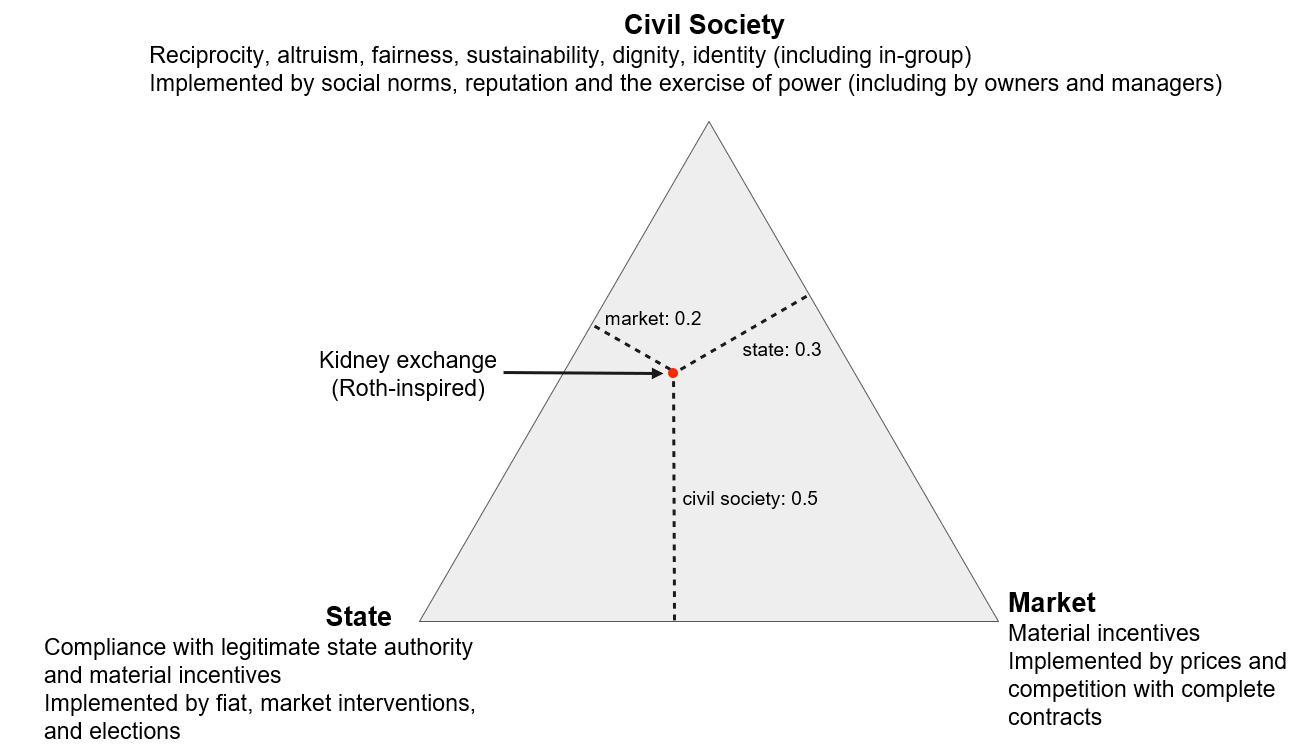
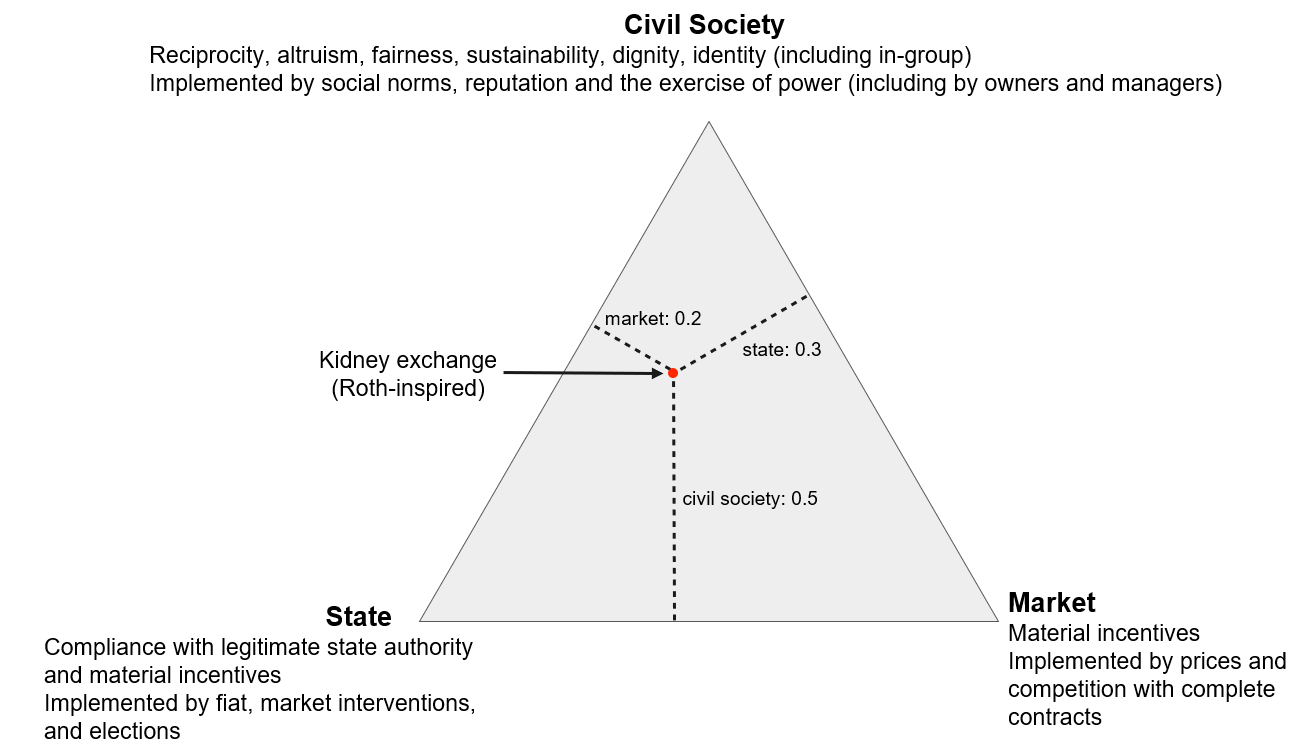
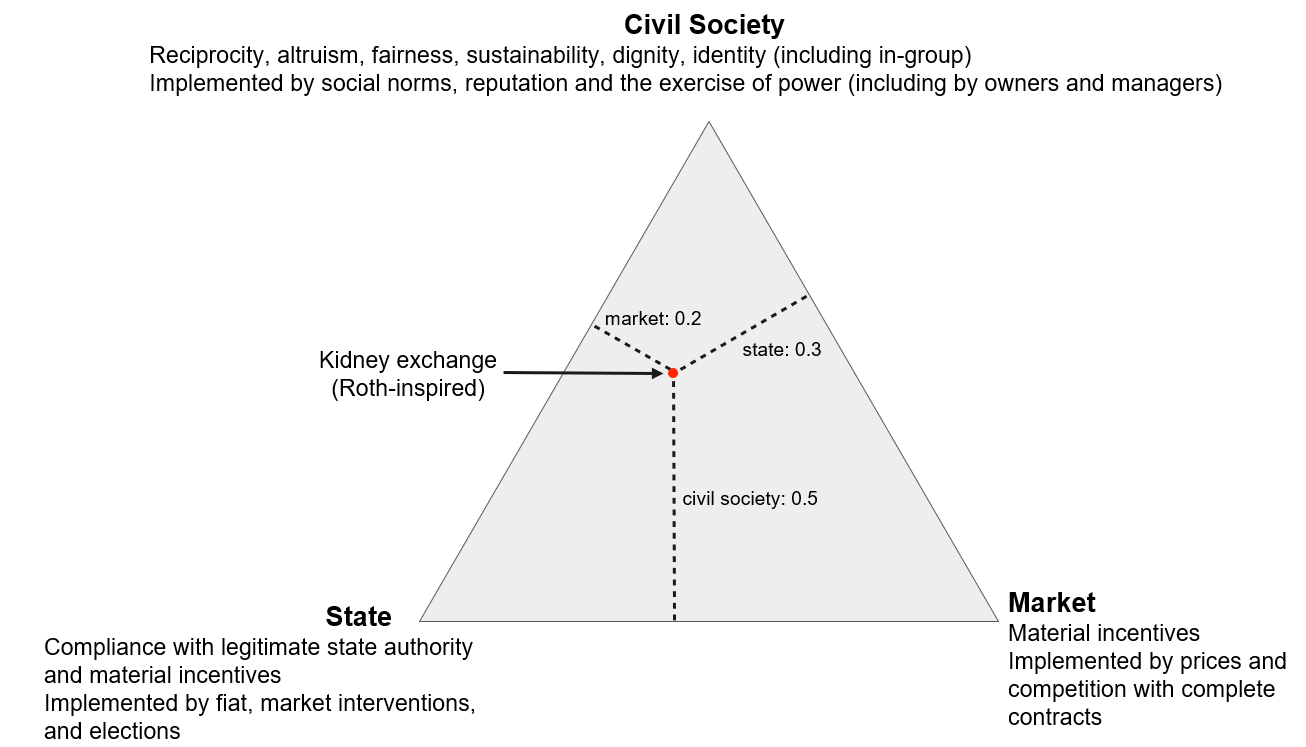
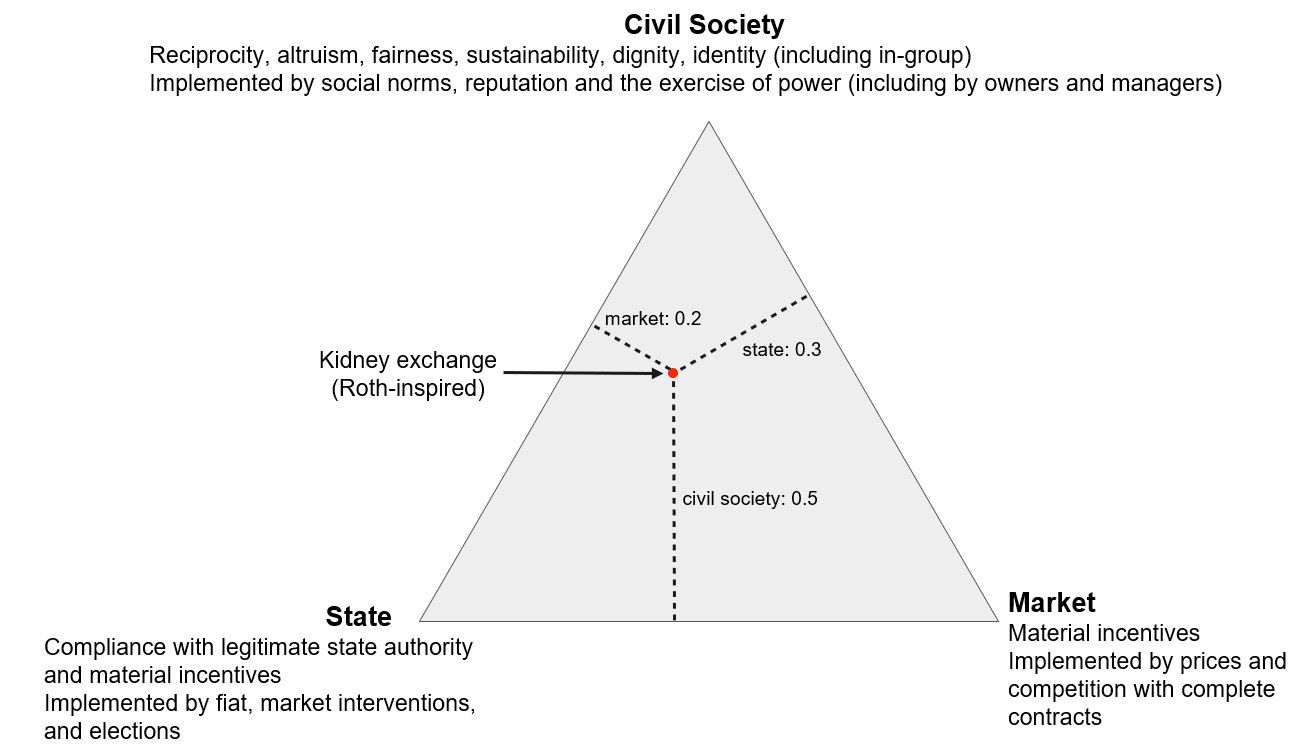
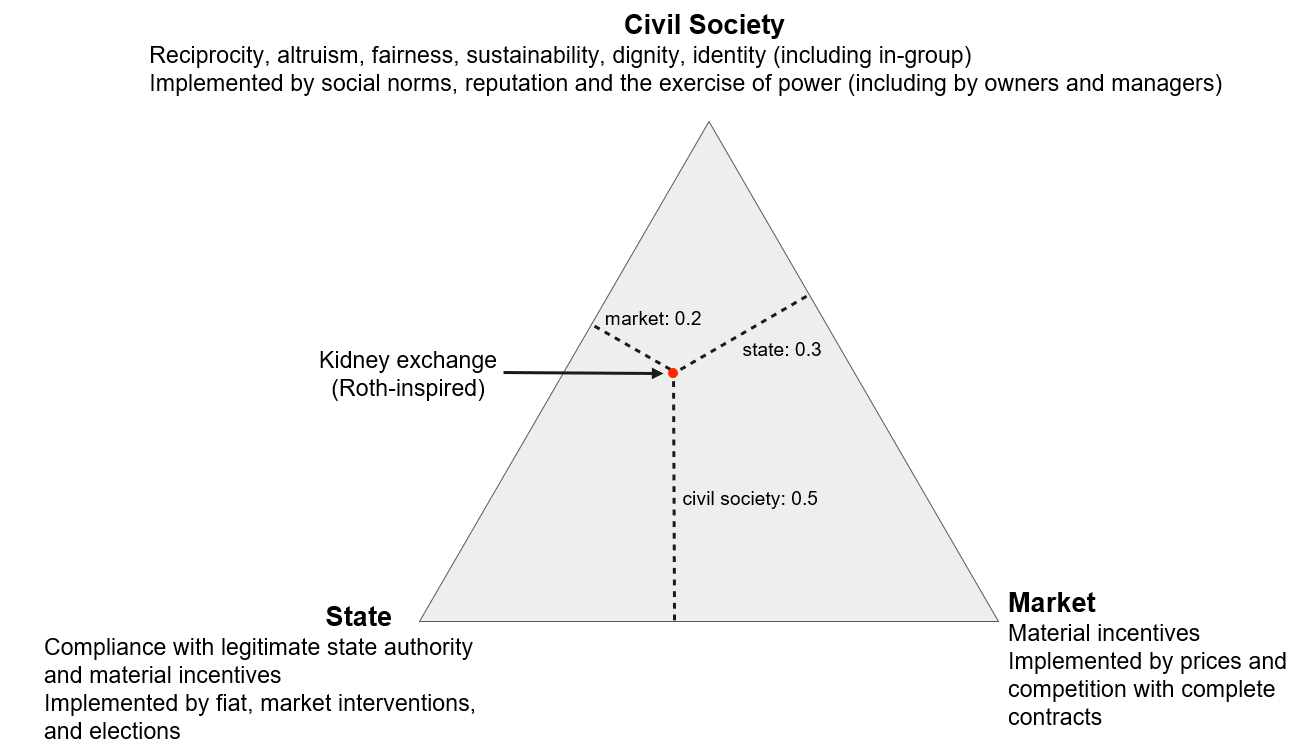
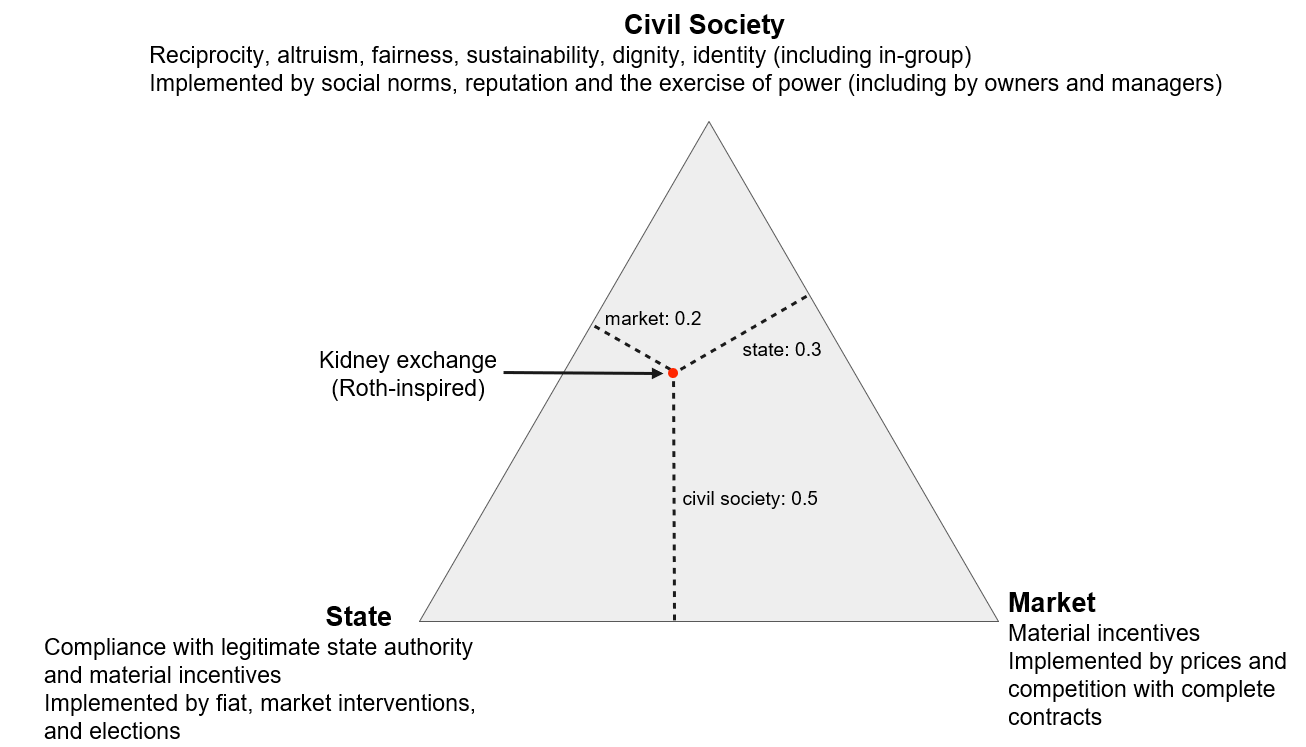
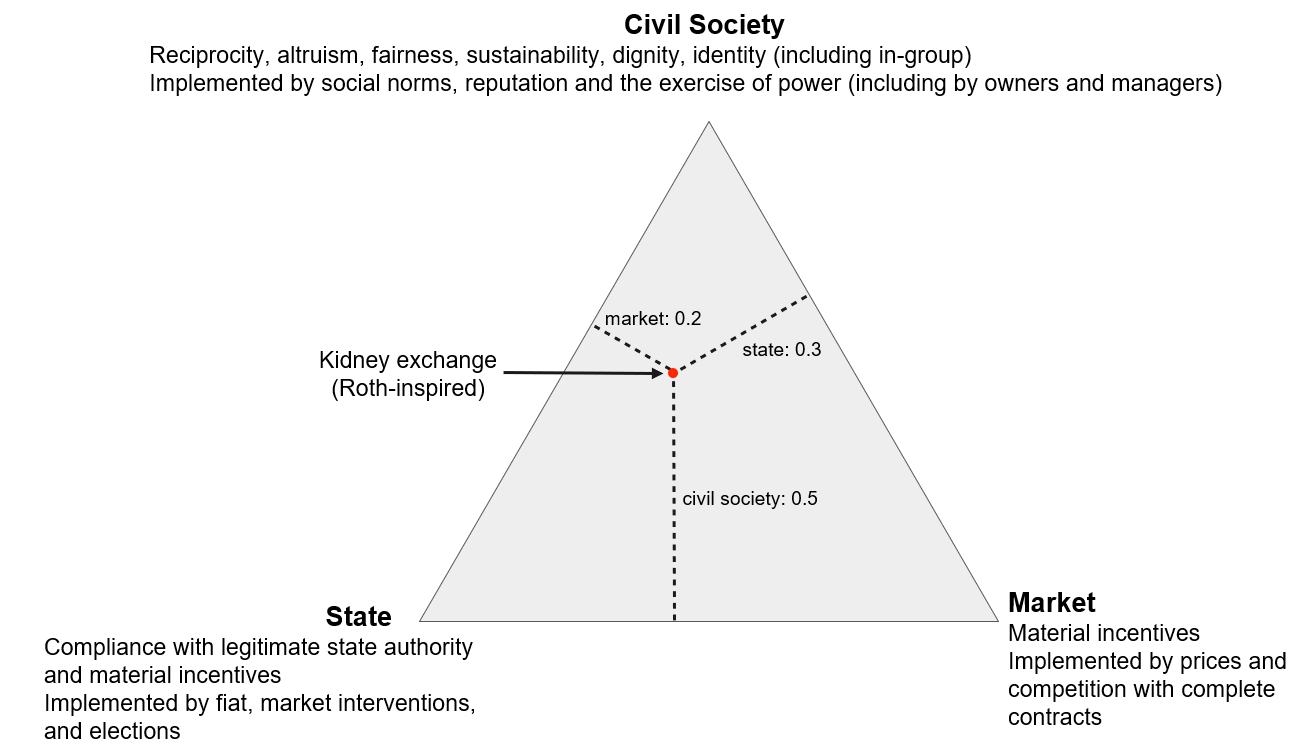
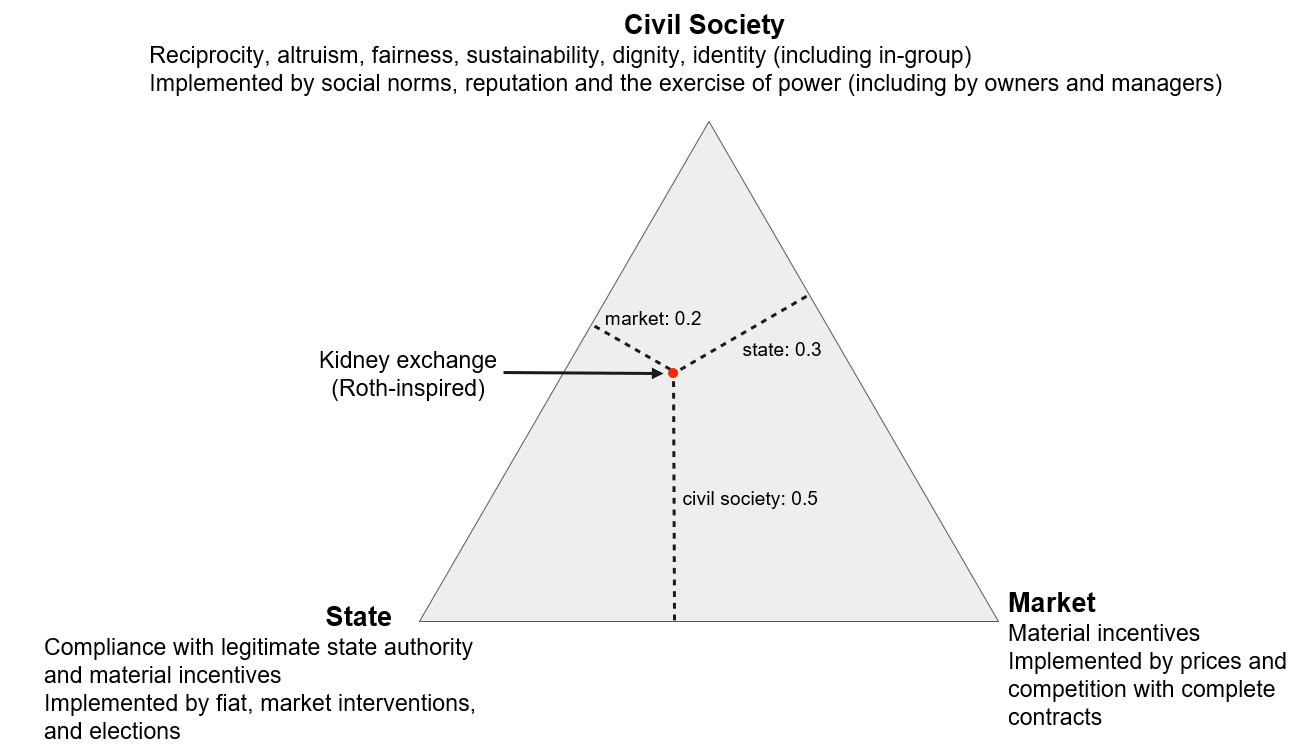
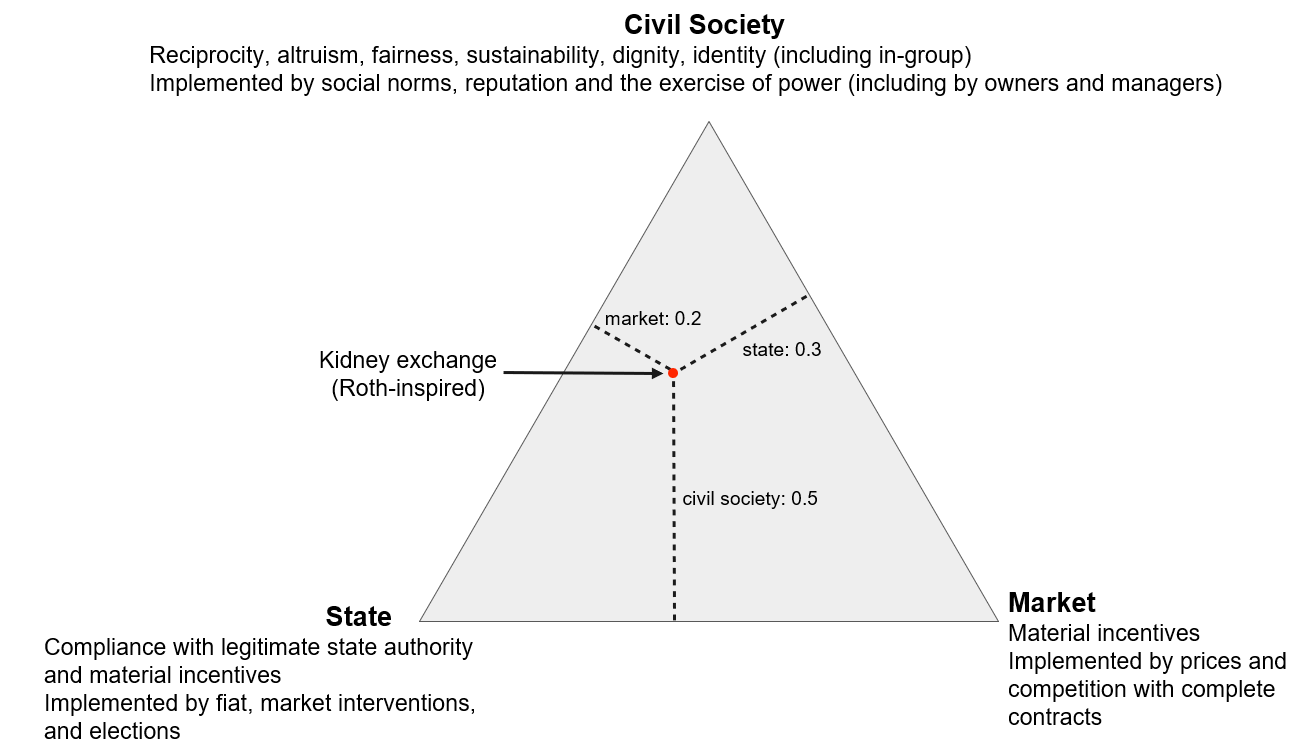
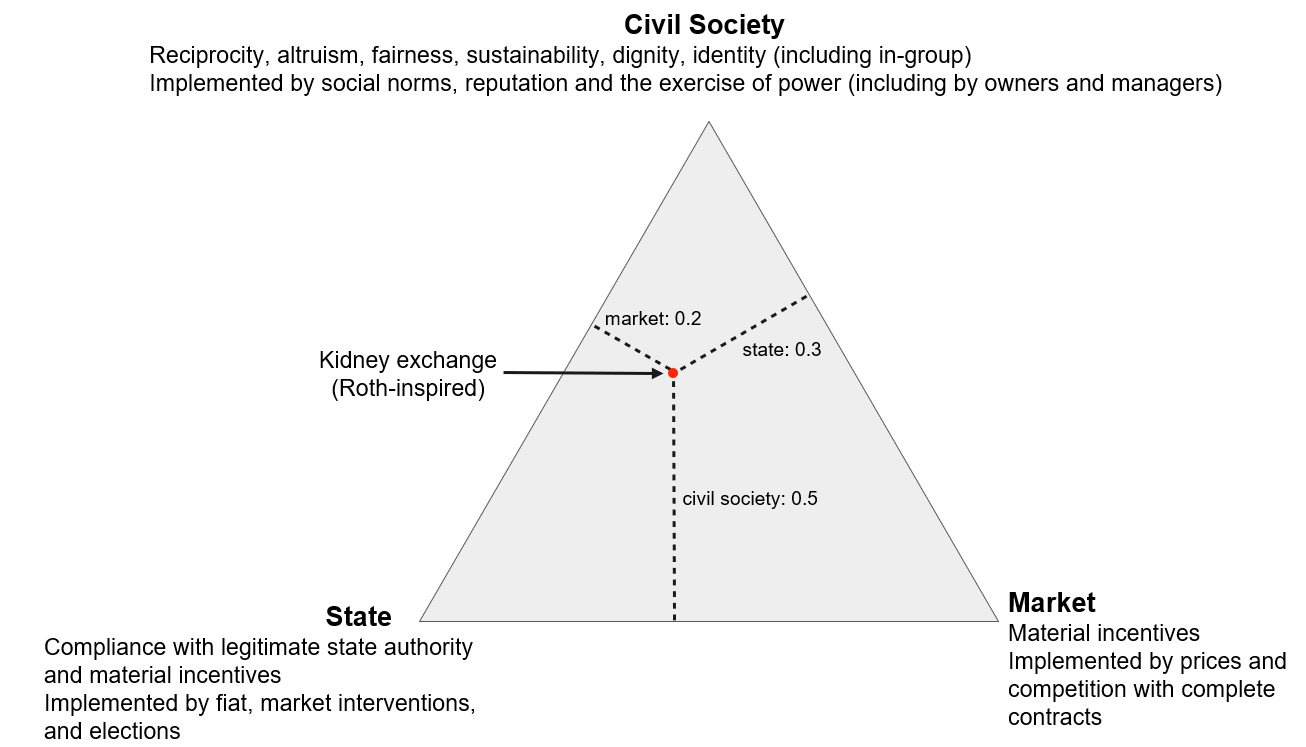
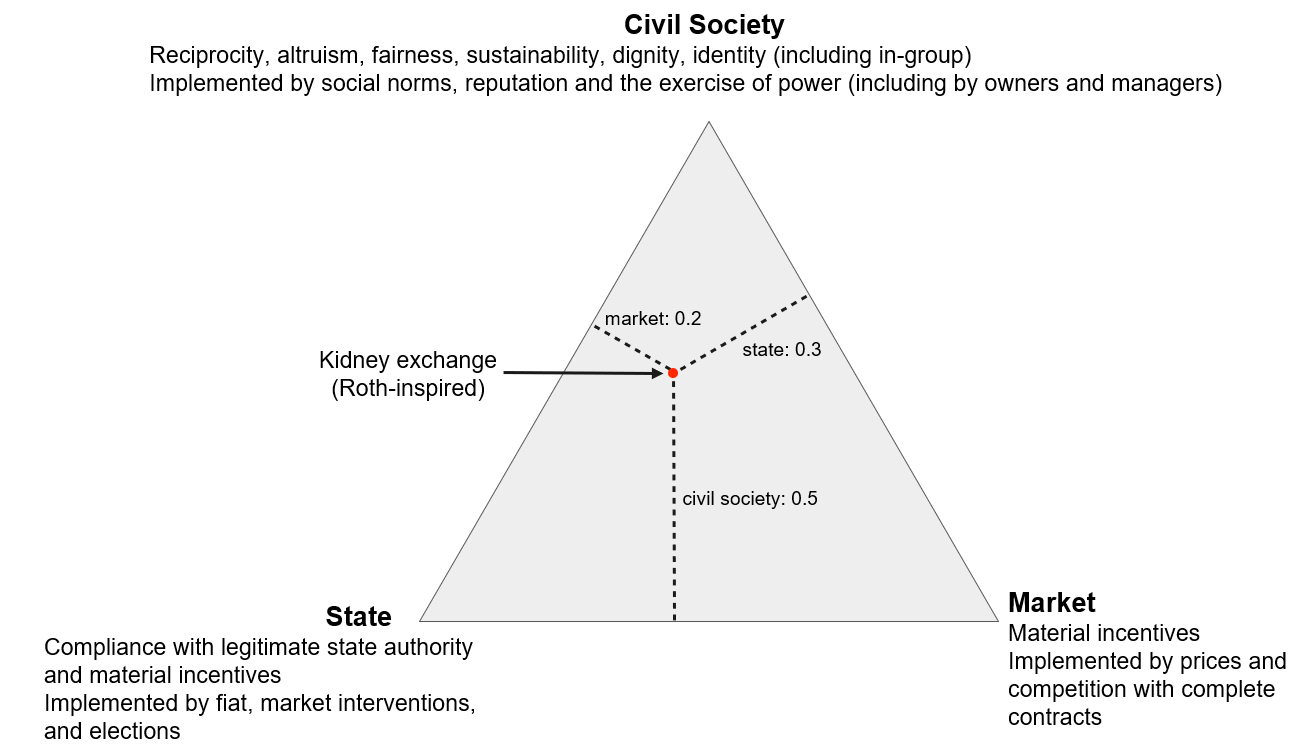
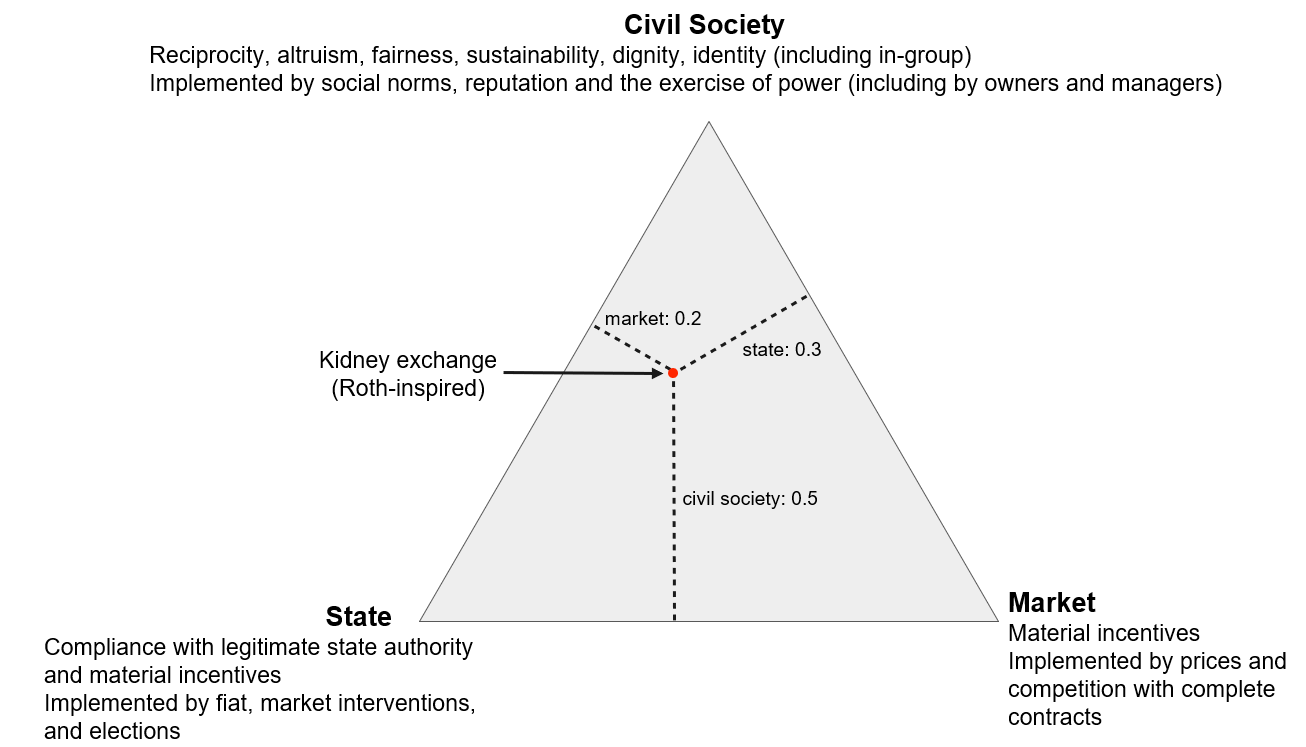
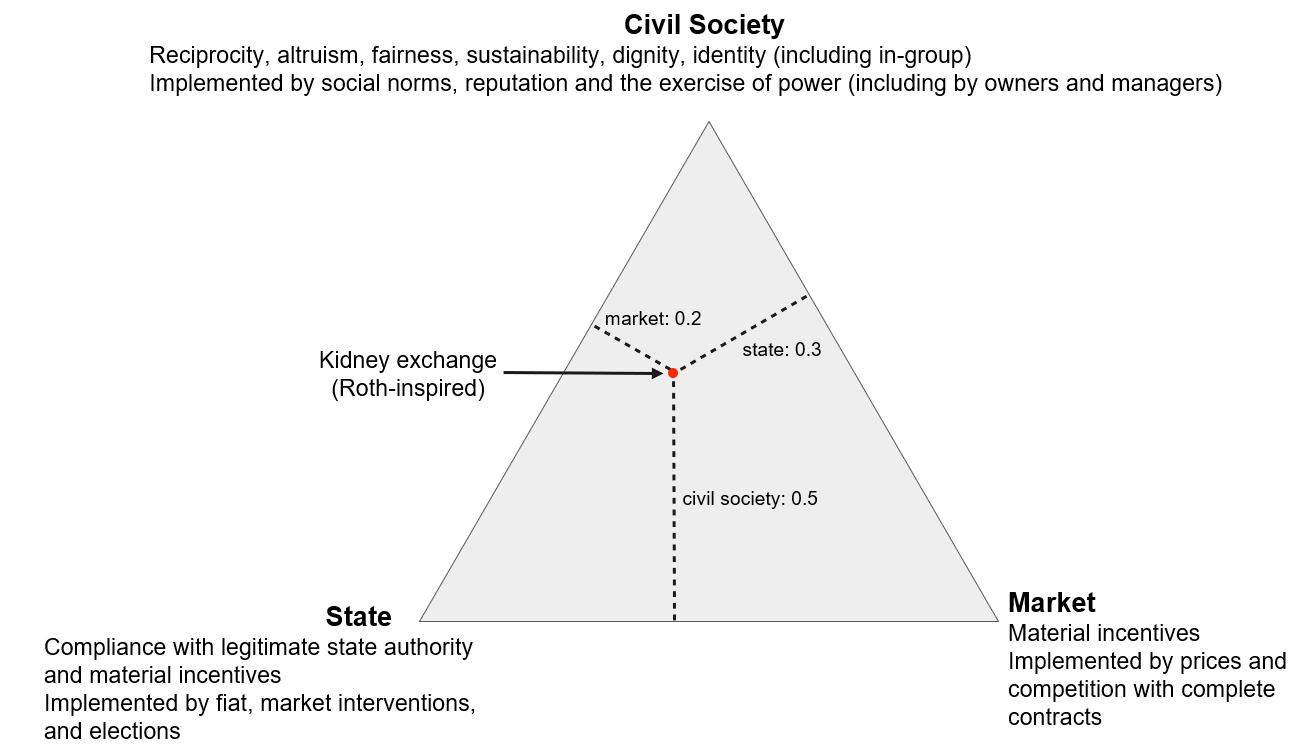
Civil society adds the third vertex in Figure 2, converting the state-market continuum to a triangular
space in which we can locate policies and institutions, each point in the space representing a
particular combination of motivation and implementation mechanisms from all three vertices. The
coordinates of any point in the space sum to one and thus can be seen as weights on the importance
of each vertex (points closer to a vertex indicating a greater weight on the governance form at that
vertex.)
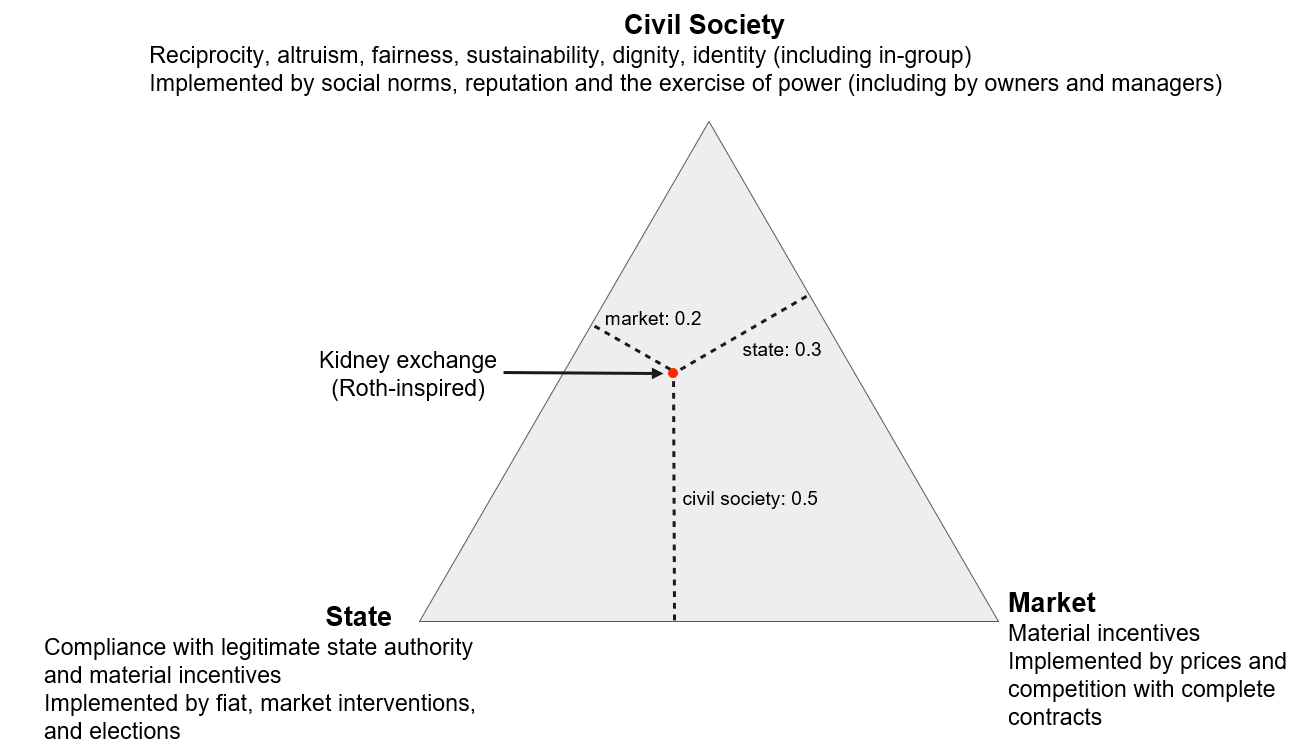






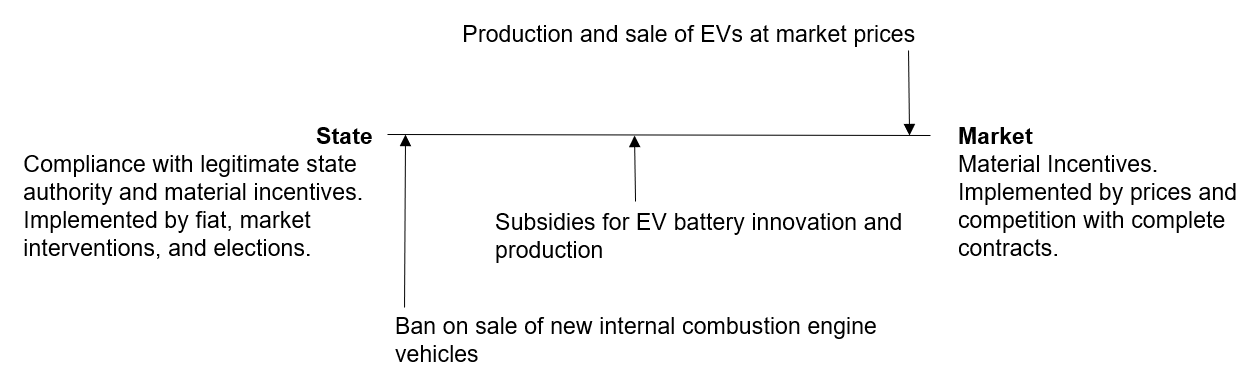
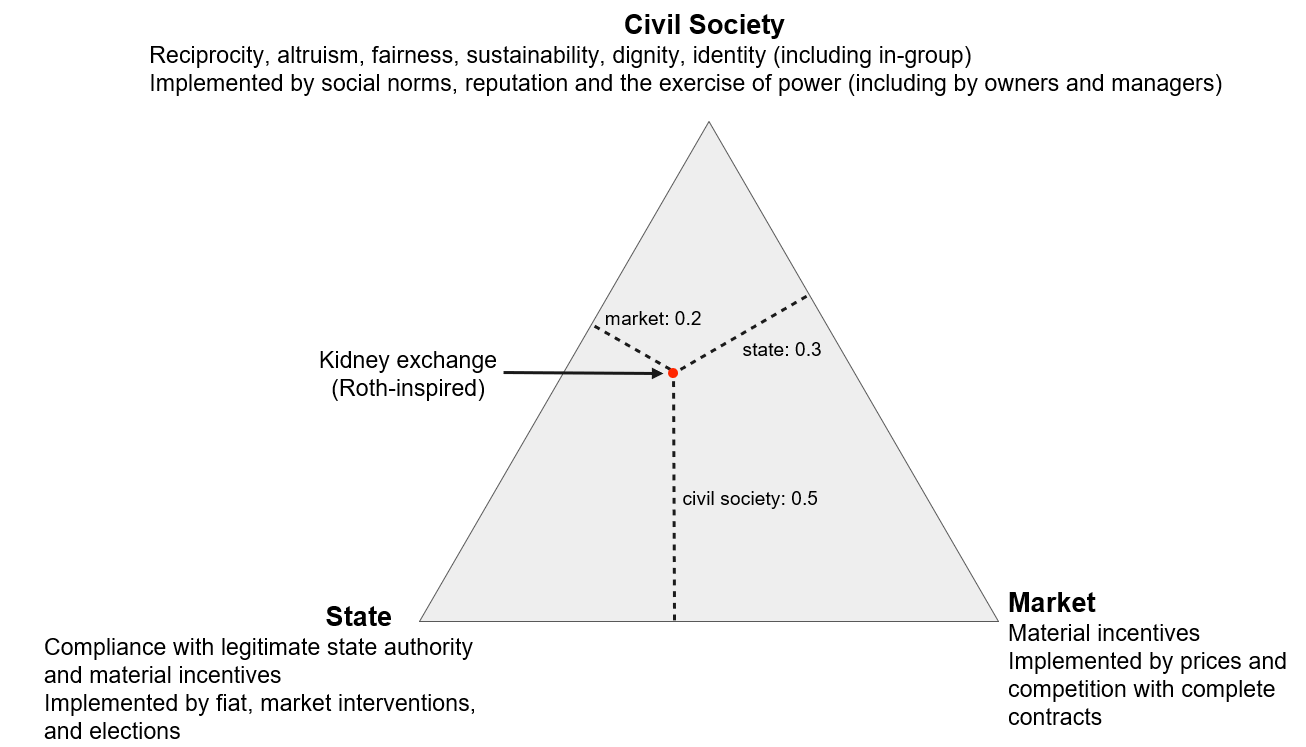
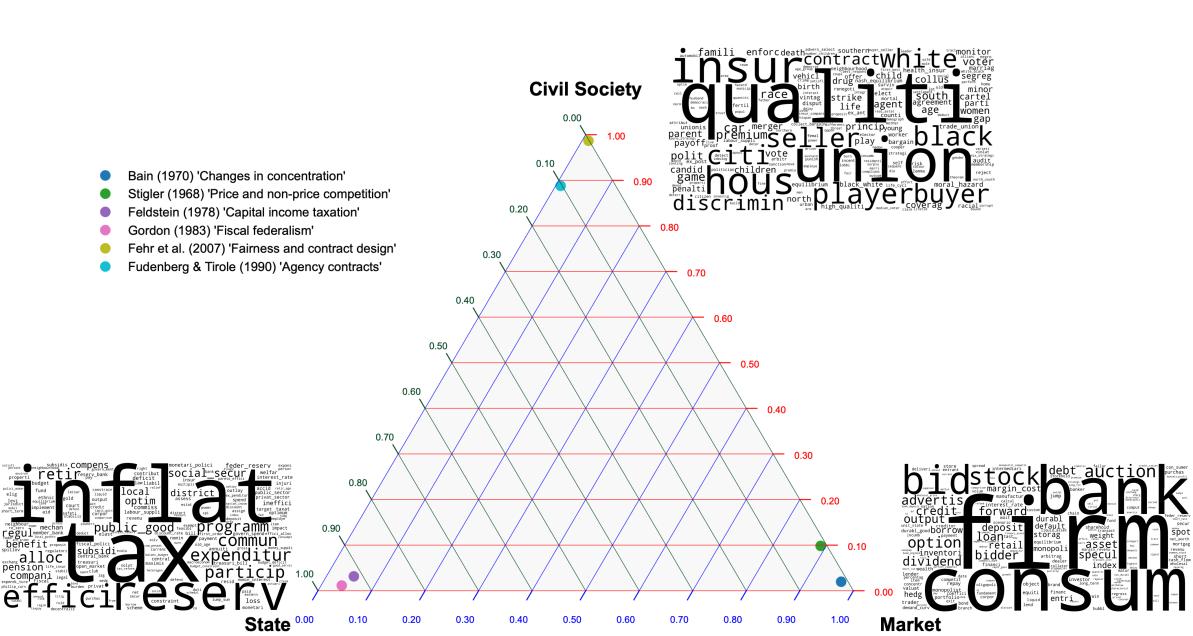
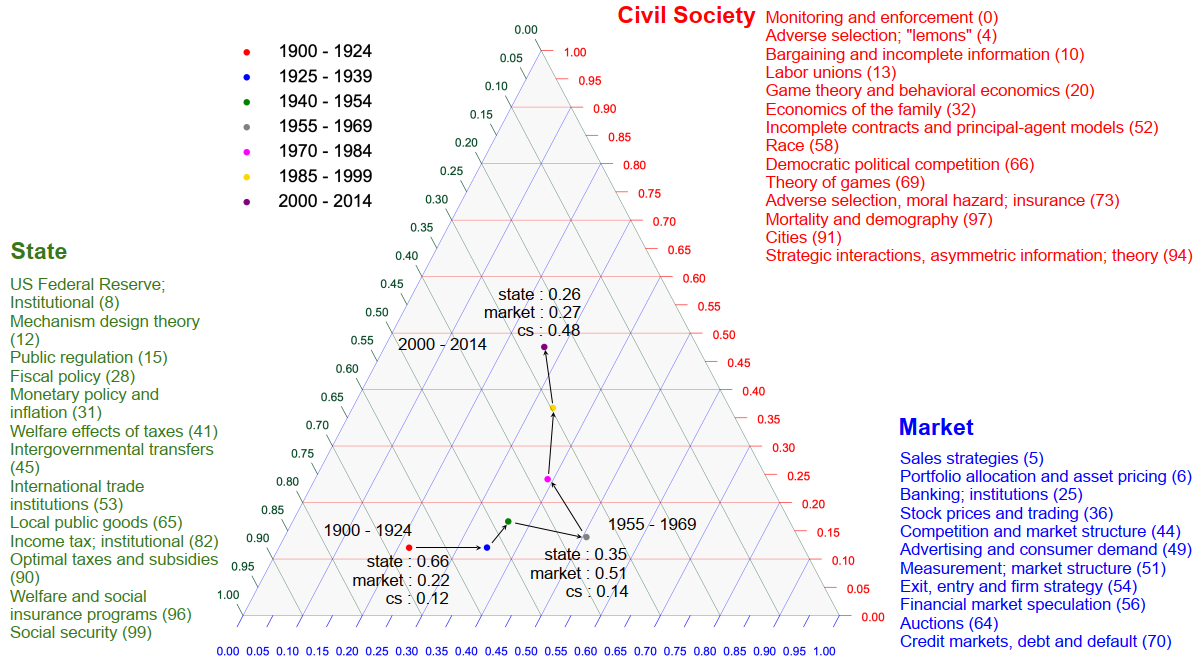
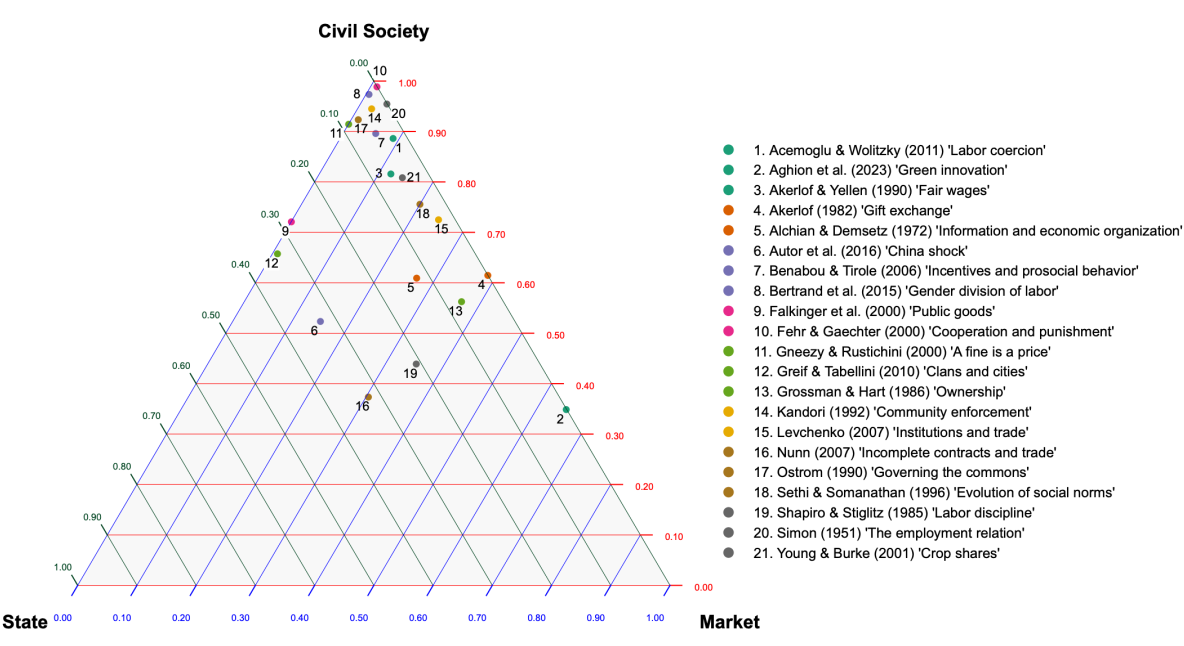
Figure 2. The governance triangle: a state space for institutions and policies with pure-type forms of societal governance at the vertices, their implementation mechanisms and behavioral characteristics. The representation of societal governance as a triangle was first introduced by Kenneth Boulding with vertices labeled “fear,” “exchange, and “love” (Boulding 1970, Boulding 1973), followed by Serge-Christophe Kolm’s “plan,” “market”, and “ reciprocity” (Kolm 1984) and adapted by others (Bowles & Carlin 2020a). Related tri-partite representations of forms of governance are (Ostrom 1990, Ouchi 1980, Rajan 2019).
Governance triangle: A representation of the space of alternative policies and institutions expanded by adding civil society to the market-state nexus.
To illustrate the meaning of points in the triangle, we have placed the kidney exchange model
proposed by Alvin Roth and his collaborators (the red dot) in the governance triangle ((Roth et al
2006).) They designed a mechanism connecting those needing a kidney replacement to altruistic
donors of kidneys. Such donors are most often an immediate family member of someone whose
kidney is not a match for their loved-one needing the transplant. Roth’s algorithm enables long
chains of unrelated matched donors and recipients, thereby widening access to transplants because
they do not have to be conducted bilaterally (the donor giving to a particular match) and
contemporaneously.
As an illustration of the nexus of synergistic institutions in the triangle, we represent the kidney
donor mechanism, the red point, by a weight of 0.3 on the state (which regulates the exchanges,
including prohibiting sales), 0.2 on the market (which provides associated medical services), and 0.5
on civil society (for the centrality of altruistic and ethical motivations underlying the initial
contribution of the kidney.) Similarly, we could place the three forms of insurance inside the
governance triangle, with each nearer to one of the three vertices. By relating the characteristics of
behaviour and the allocation mechanisms involved to the three pure types, other institutions and
policies can be located inside the triangle.
3. CIVIL SOCIETY AS AN UNRECOGNIZED THEME IN ECONOMIC RESEARCH SINCE
THE 1970s
Economists have been modeling and measuring civil society for a long time without using the name
and without taking on board the full implications of dropping the assumption that contracts are
complete. These contributions, we will now show, go far beyond the work of Albert Hirschman,
Ronald Coase, Elinor Ostrom, Herbert Simon, Thomas Schelling, and the other readily identifiable
pioneers of civil society economics. To do this we exploit the fact that the governance triangle in






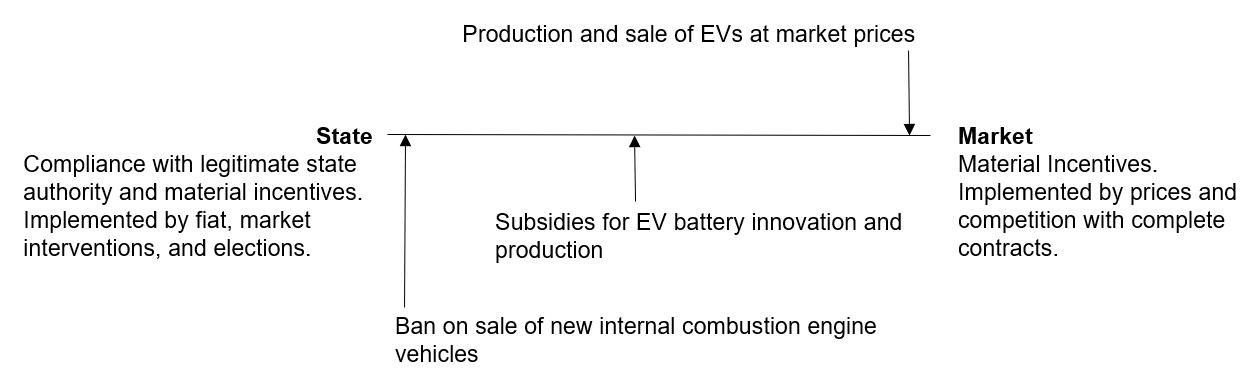
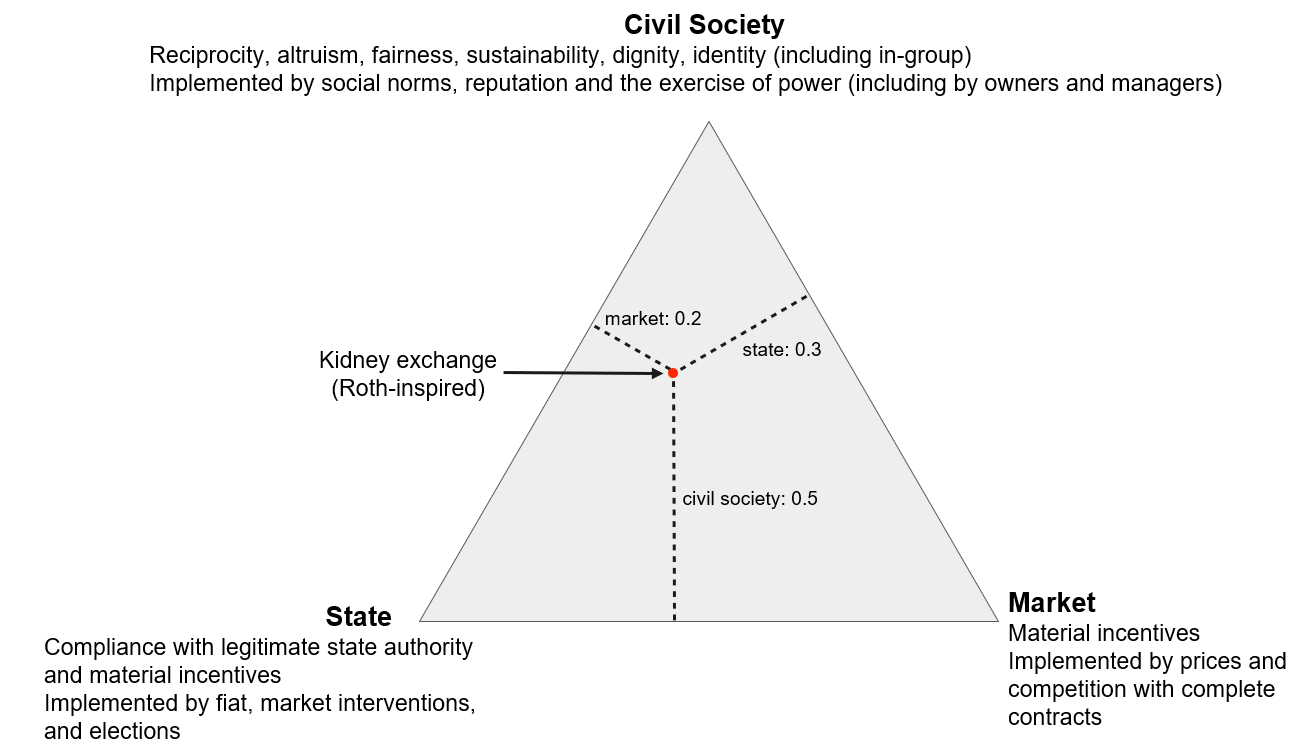
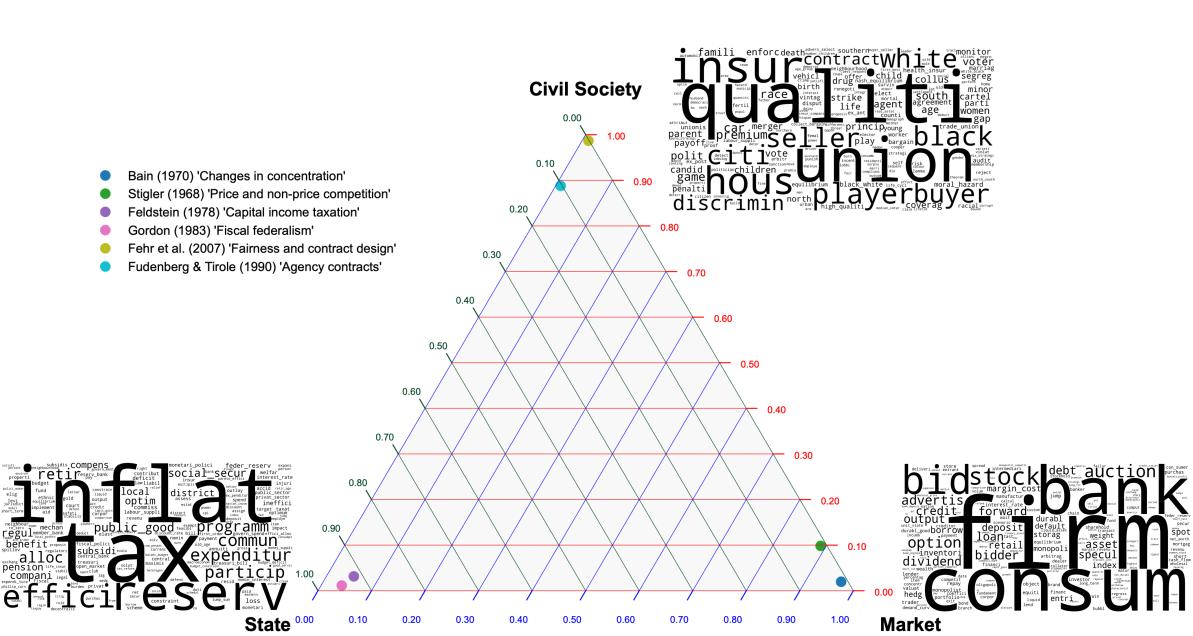
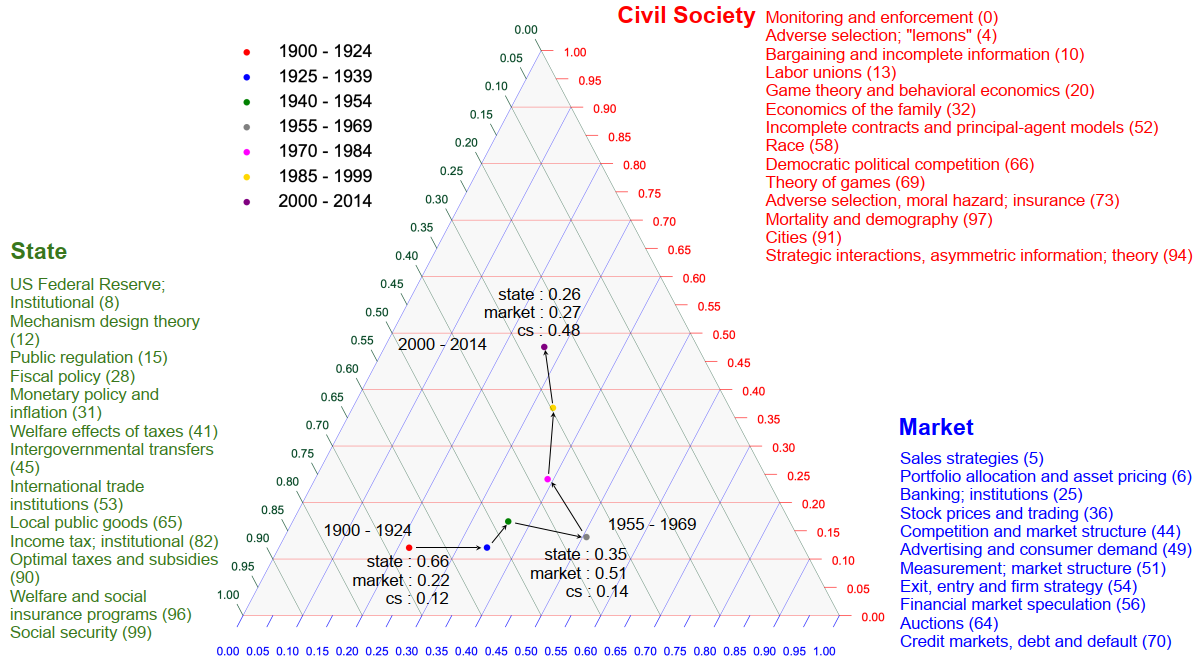
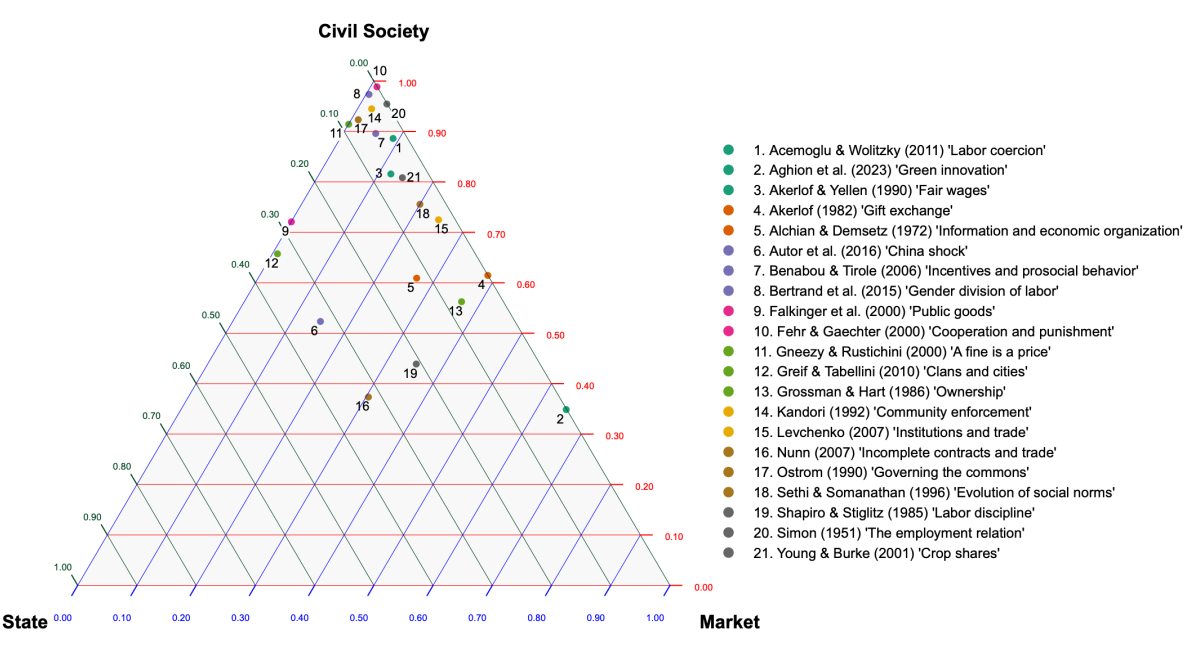
Figure 2 provides a framework for locating not only institutions and policies, but also research
papers, and other documents.
We take the full text of the more than 27 thousand papers published in seven leading economics
journals between 1900 and 2014 and use a type of machine learning known as topic modelling to
extract the 100 themes – called topics – hypothetically most likely to have ‘written’ this corpus
(Bowles & Carlin 2020b, Bowles et al 2025). These 100 topics (vectors of words and weights
measuring the relative frequency of their usage) are machine-generated entirely unsupervised, using
variational Bayes methods. We named each topic by inspecting the most heavily weighted terms
(‘word weights in the topic vector’) and the articles in the corpus most heavily weighted in that topic
(‘topic weights in the articles’). The word clouds for each topic appear in the appendix of Bowles
and Carlin (2020b).
Next, we create a metatopic relating to each form of economic governance. With Sahana
Subramanyam we used the motivations and implementation mechanisms characteristic of the three
vertices (see Figure 2) to group topics from the 100 available (Bowles et al 2025). By examining the
words most heavily weighted in each topic, we assigned a topic to one of the three metatopics or left
it unassigned. Unassigned topics included, for example, those referring to mathematical theory and
econometrics such as ‘Utility functions; theory’, ‘Equilibrium stability; formal results’, ‘Applied
econometrics; time series’, ‘Statistical distributions and measurement’.
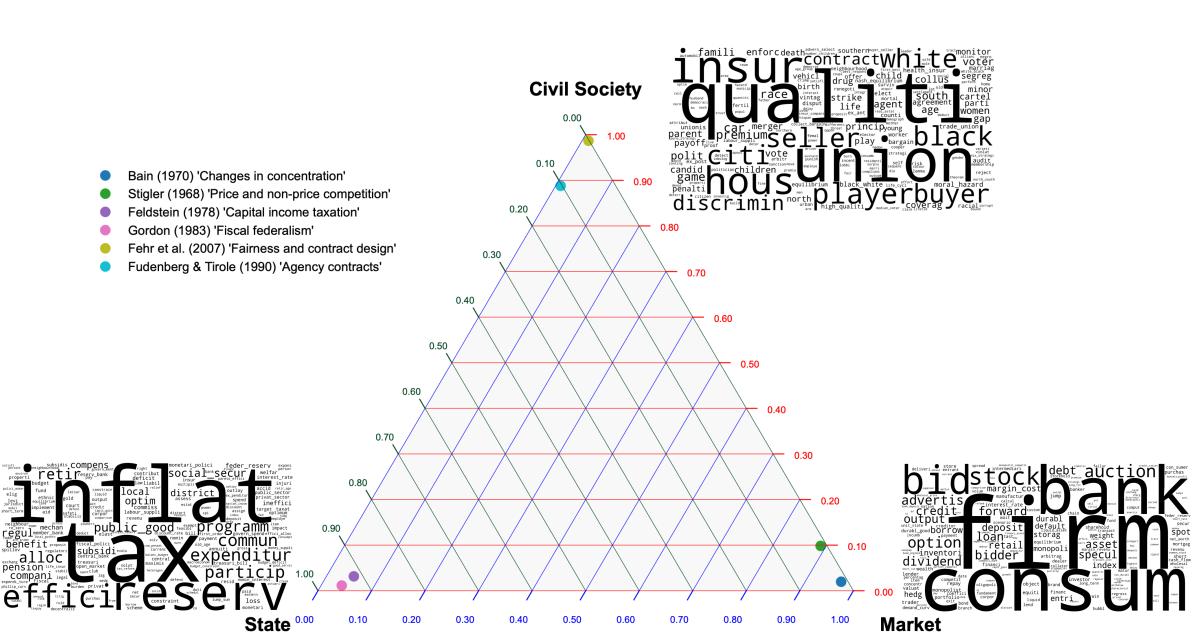
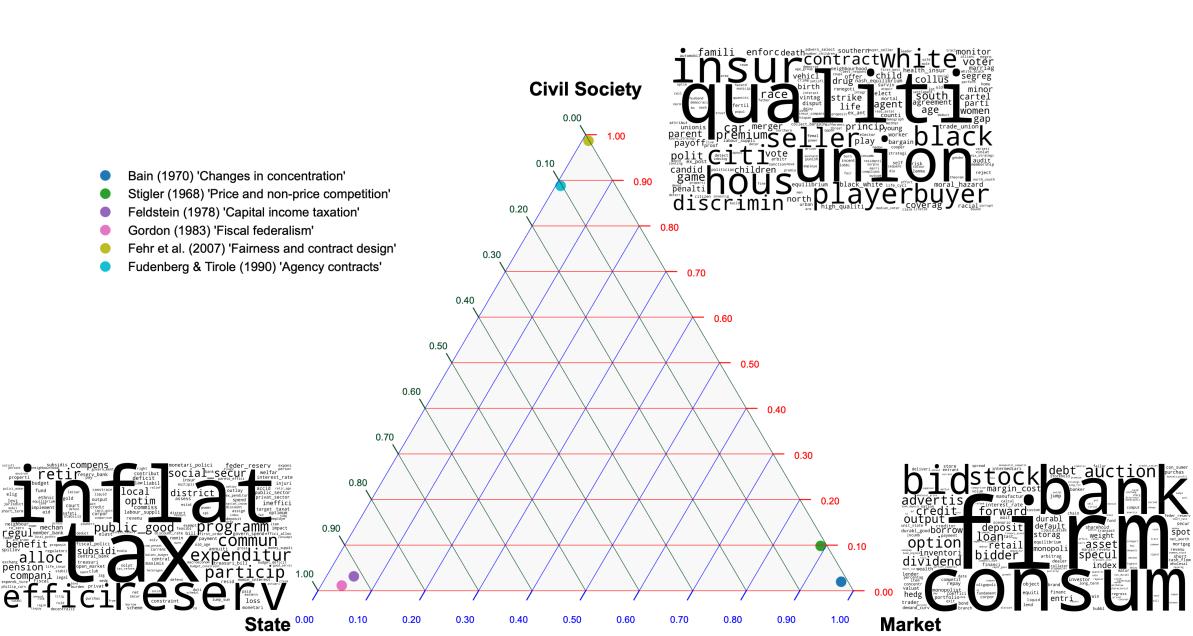
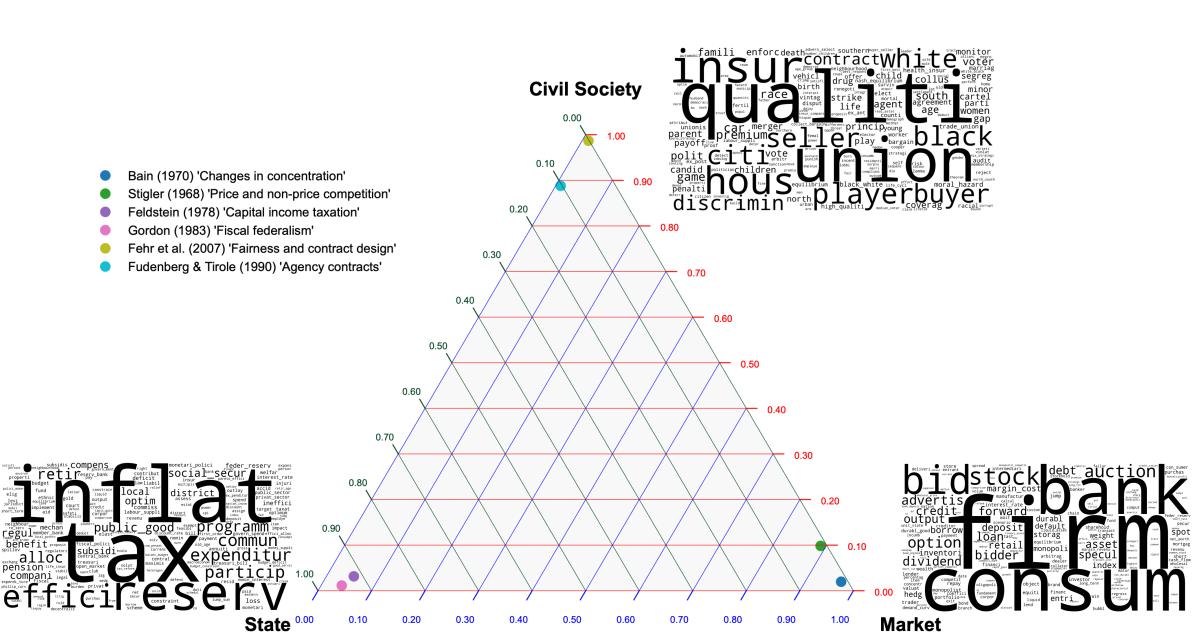
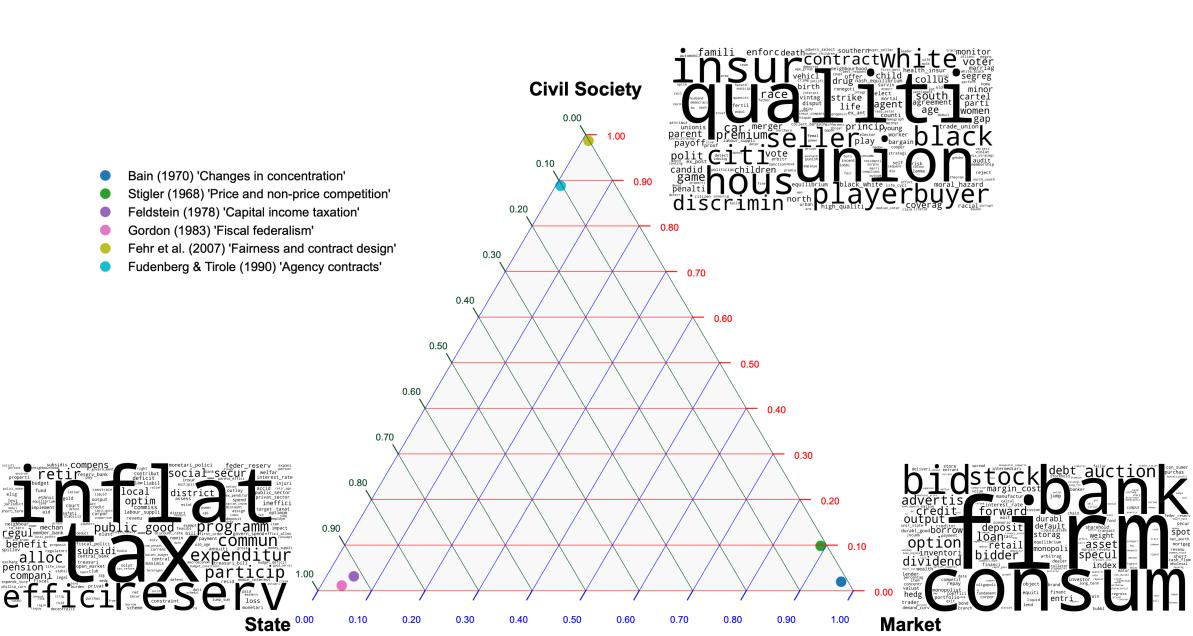
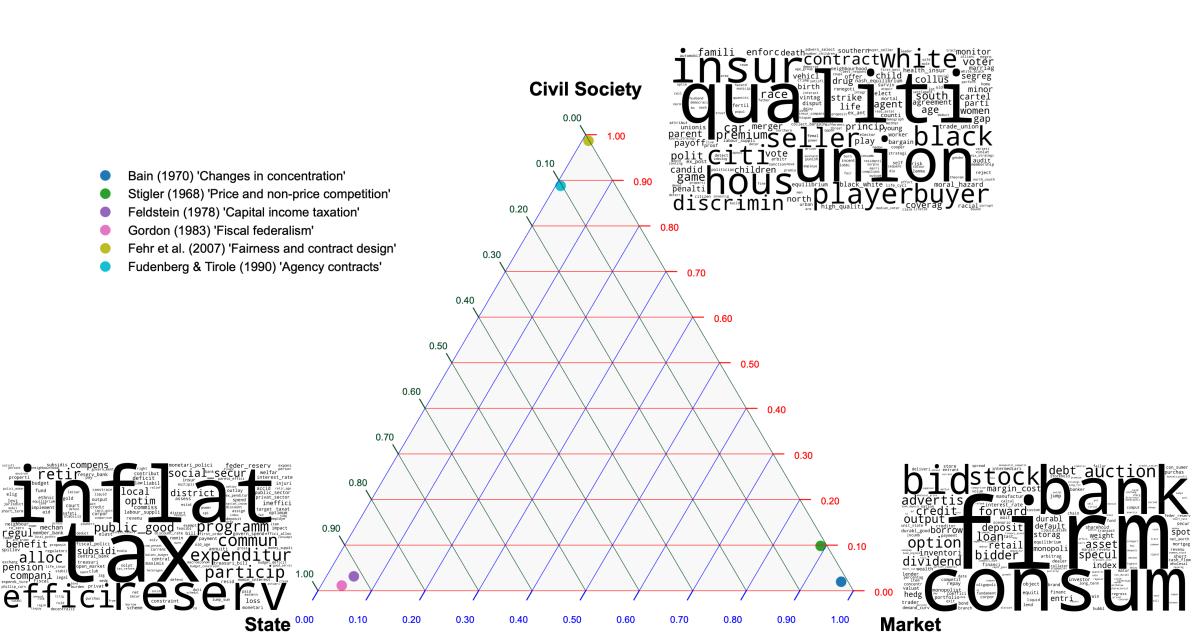
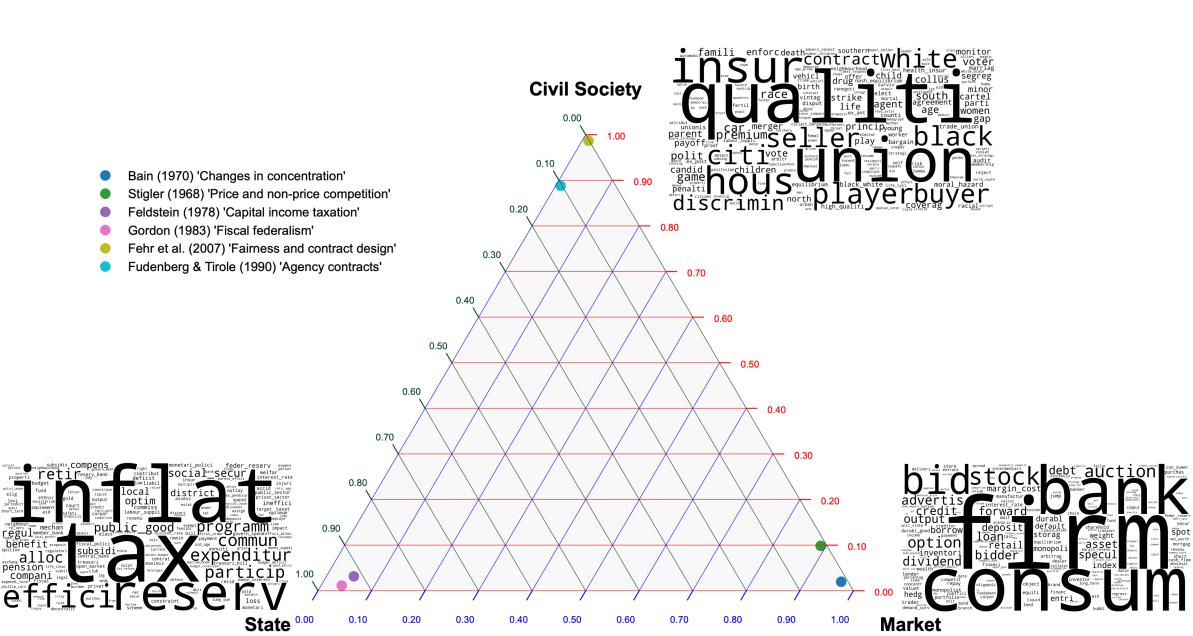
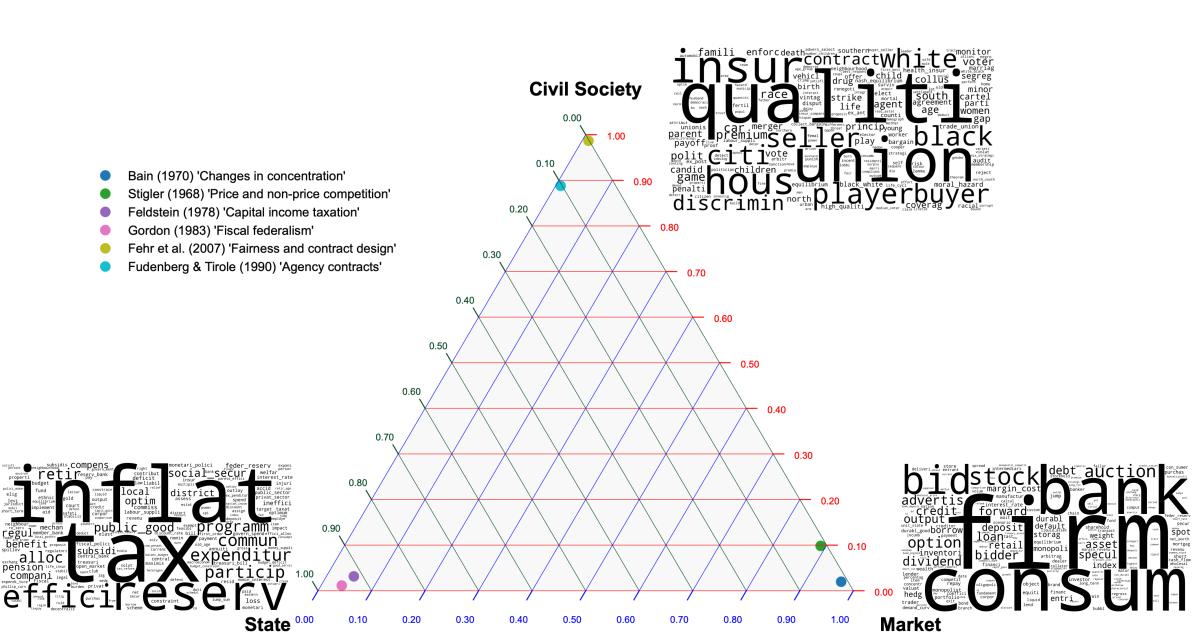
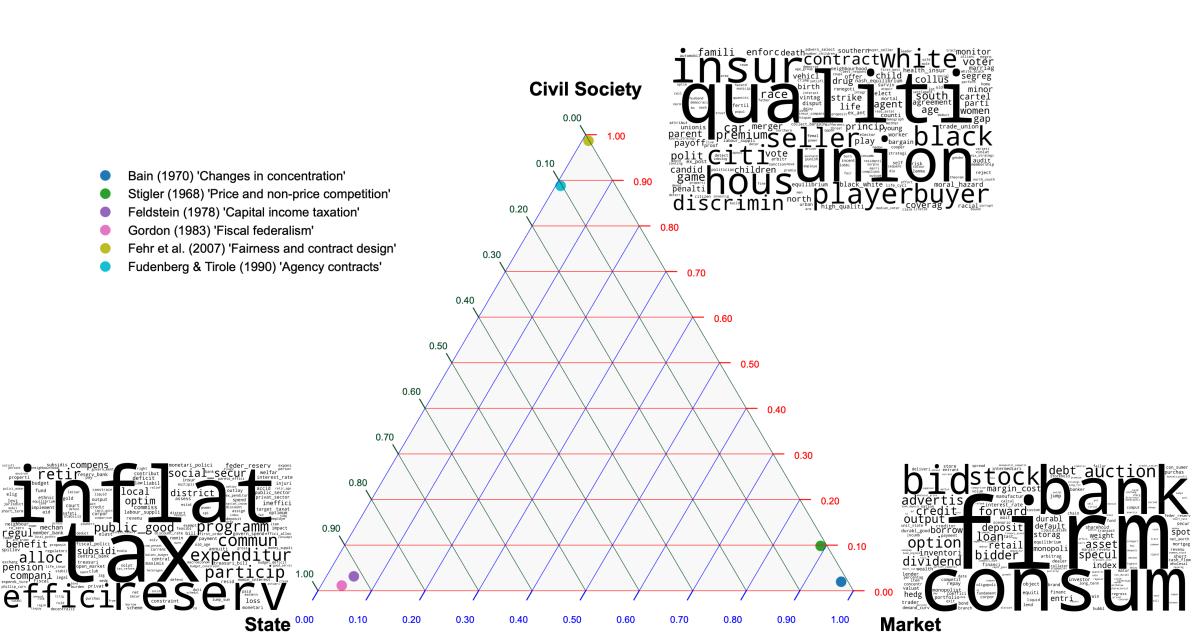
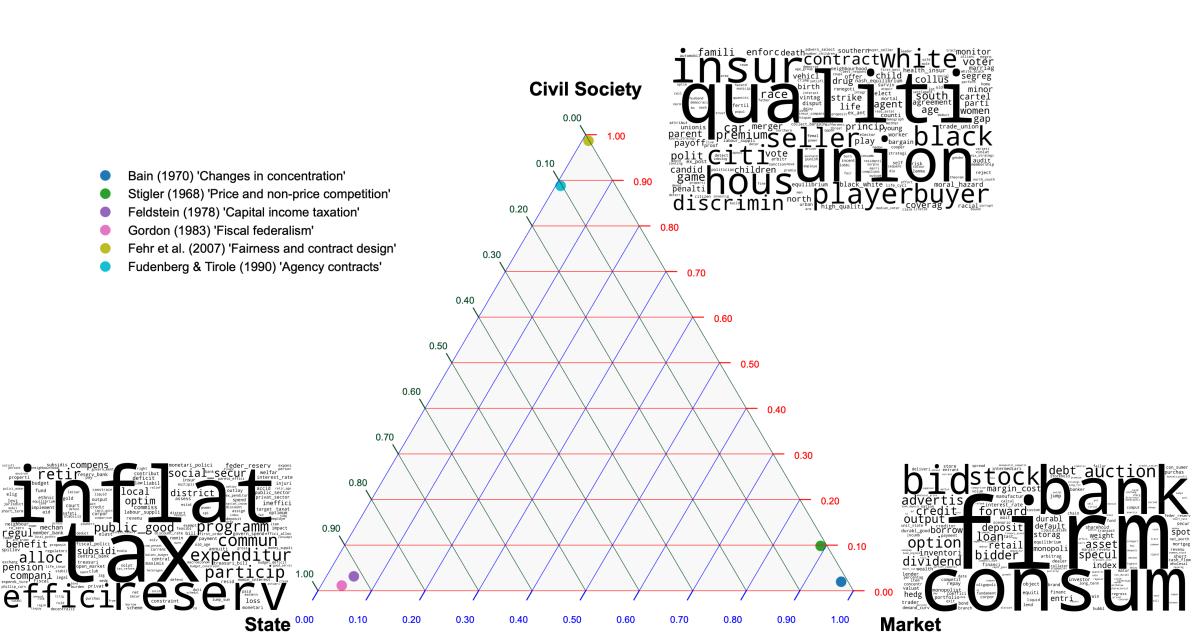
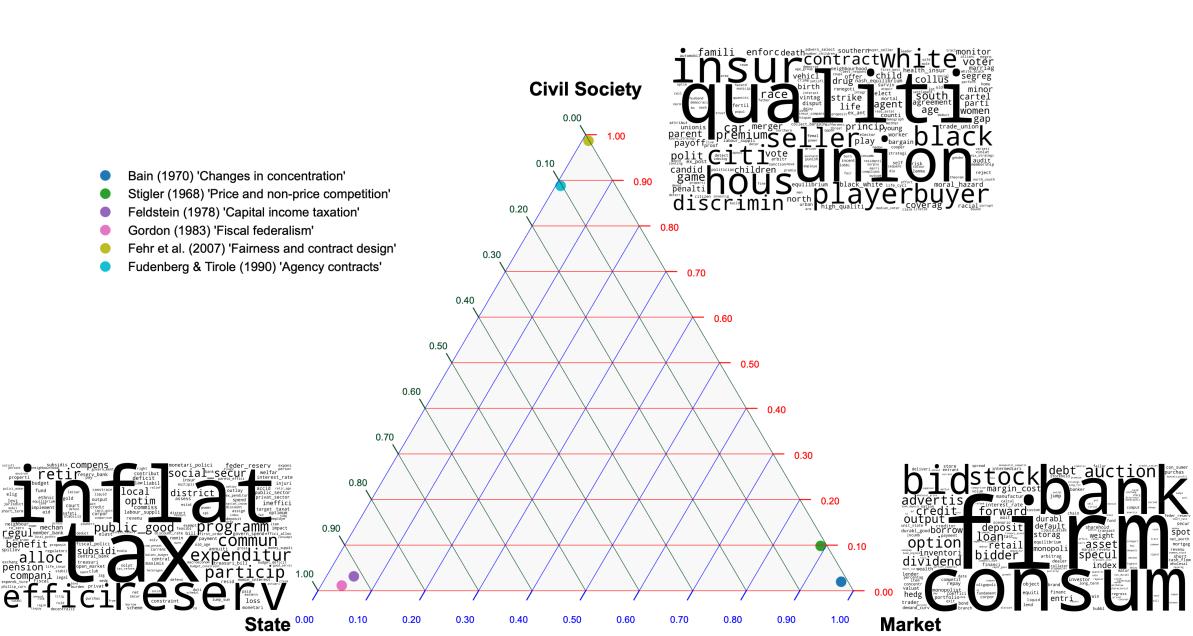
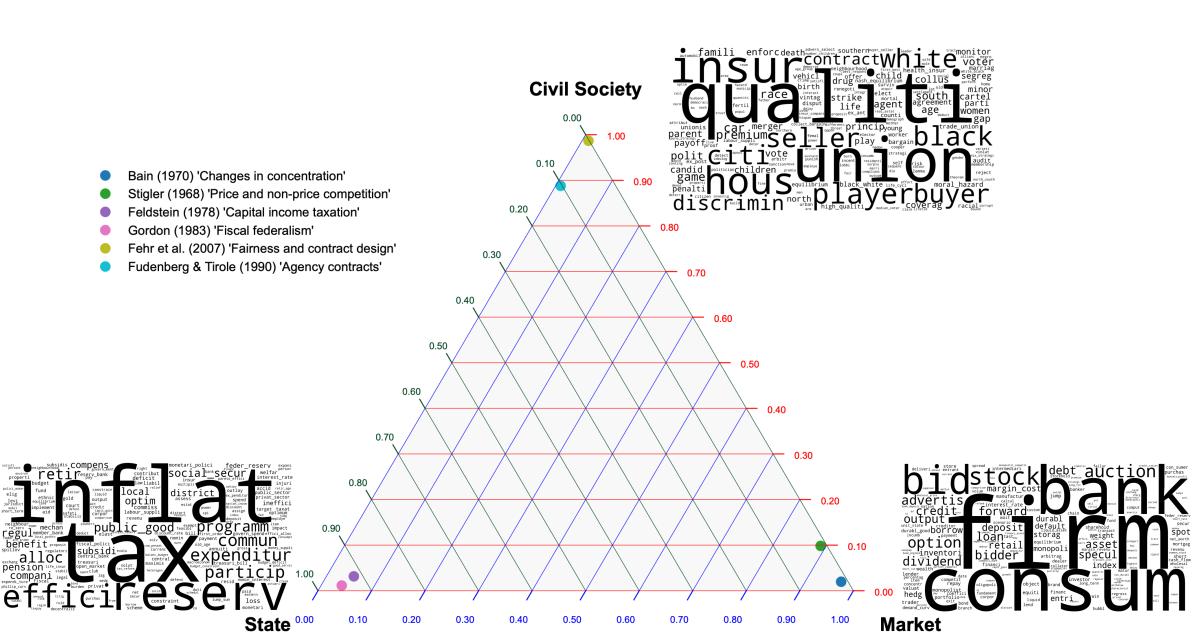
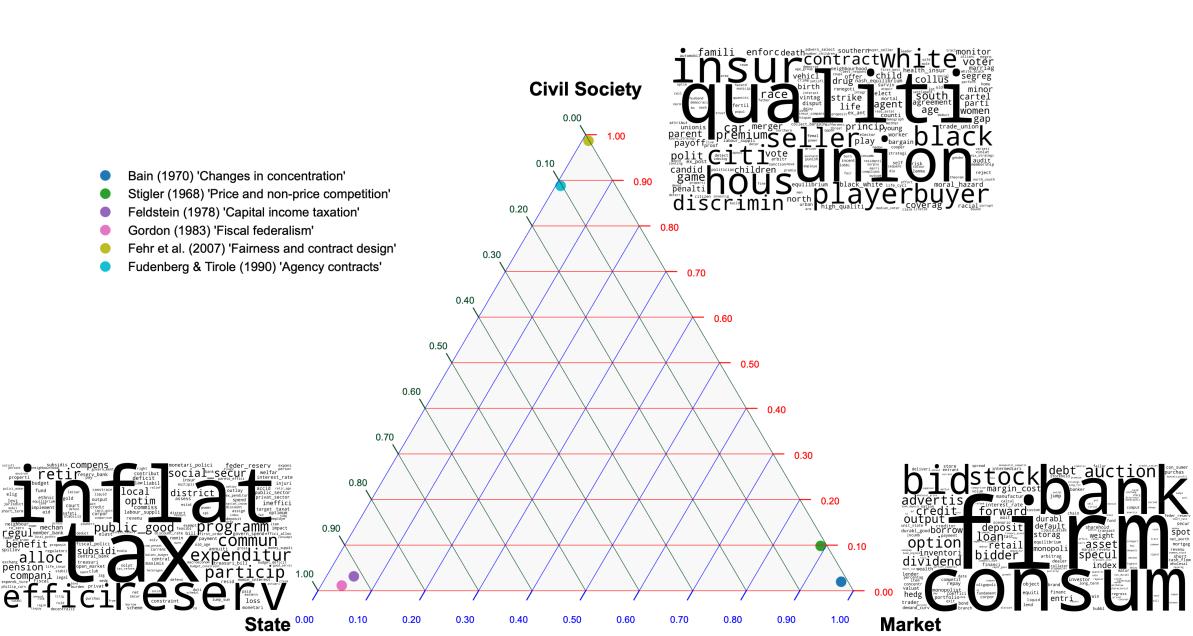
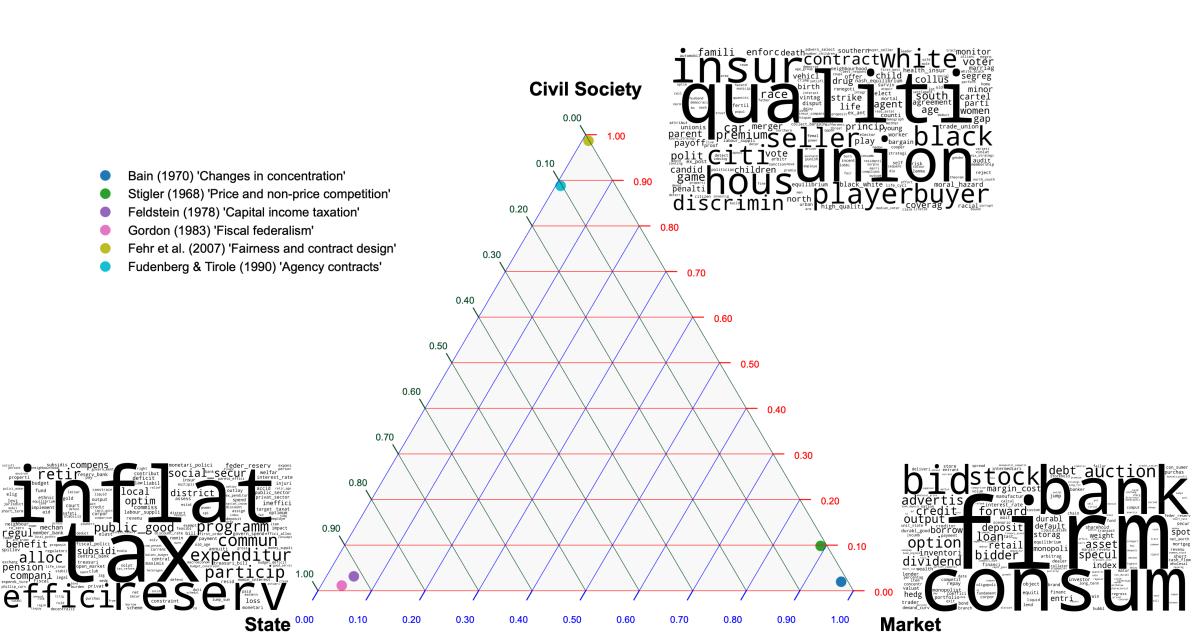
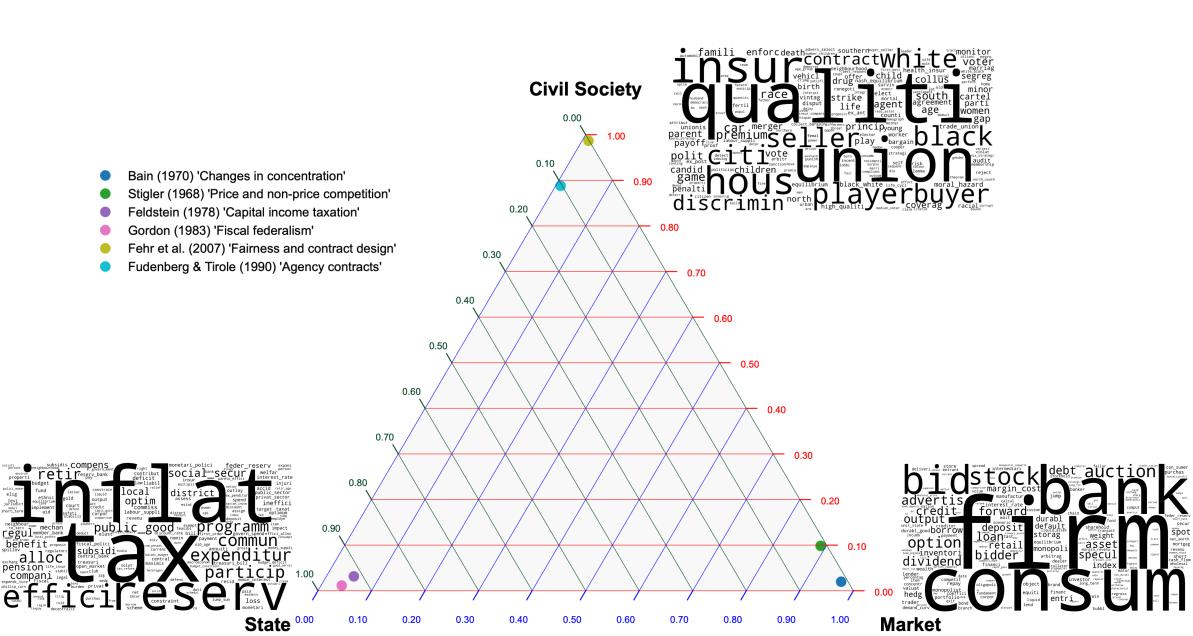
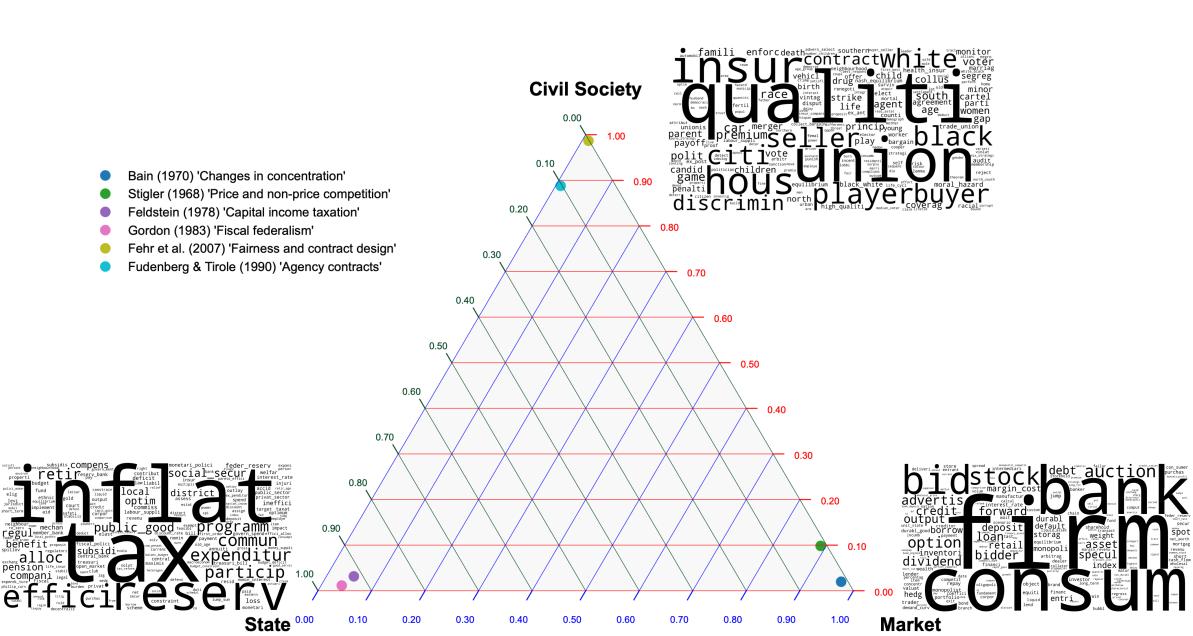
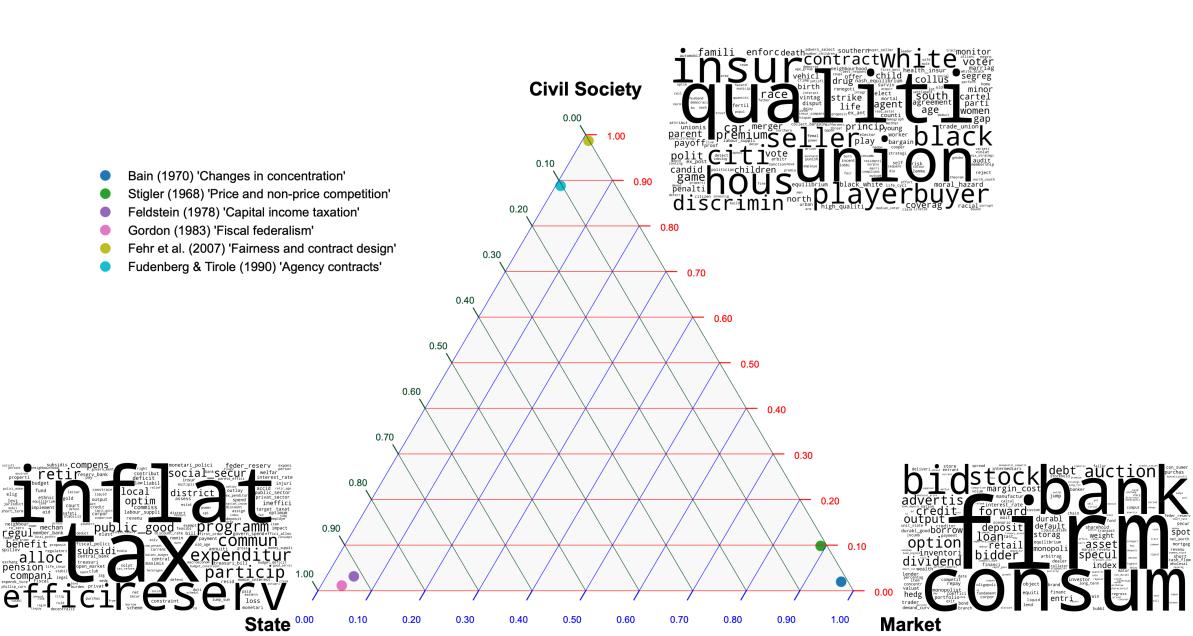
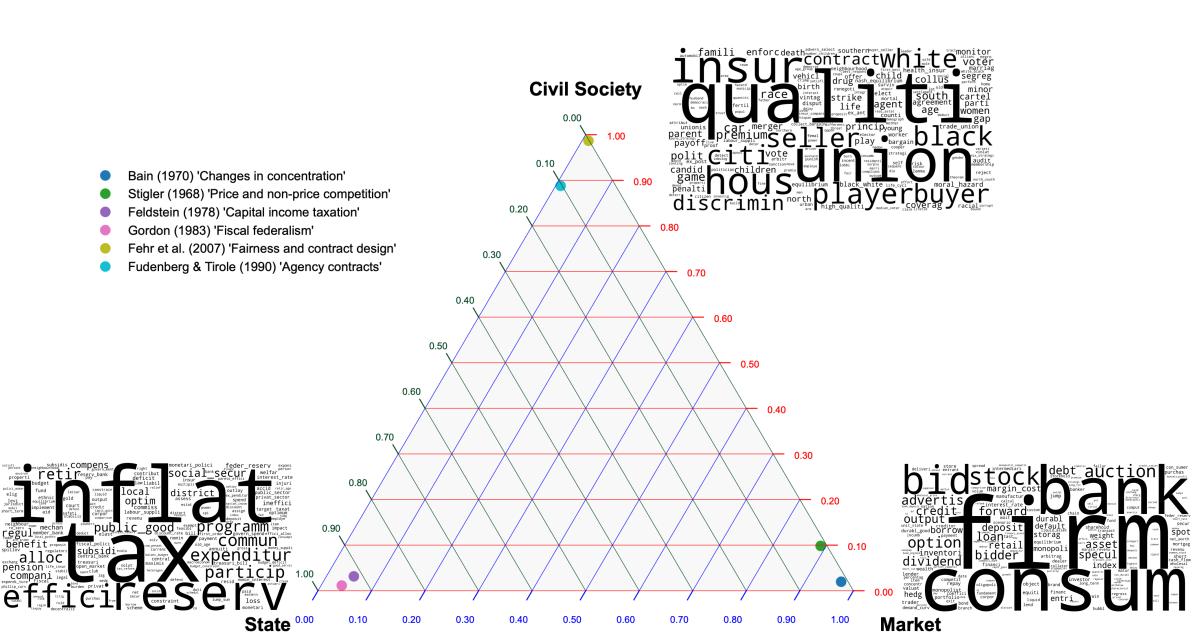
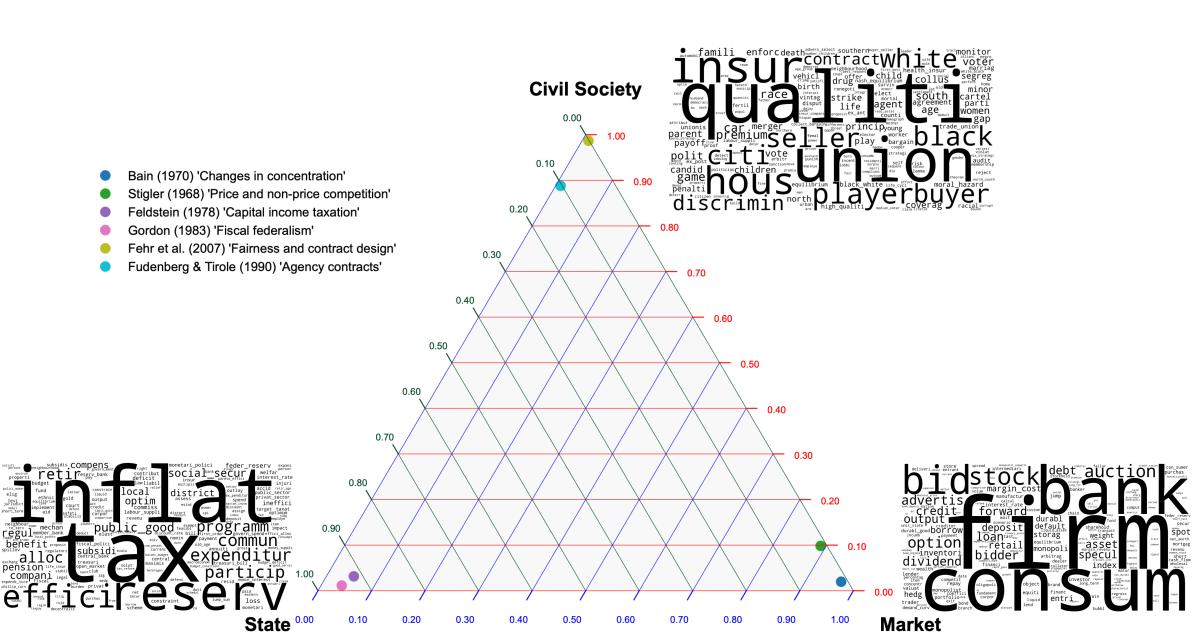
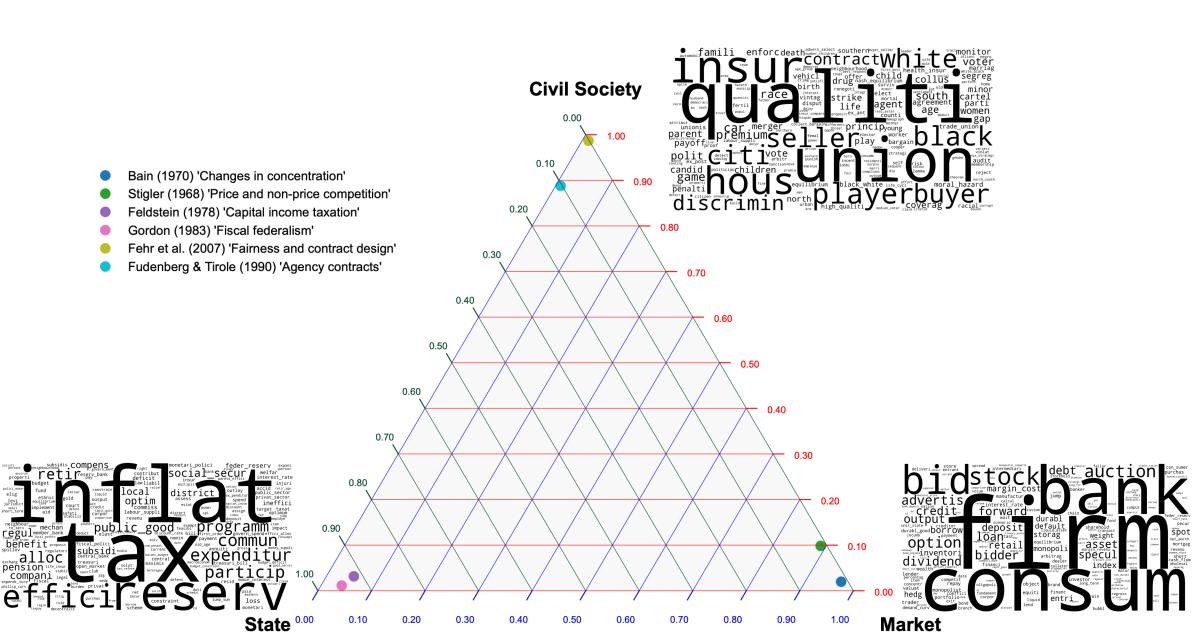
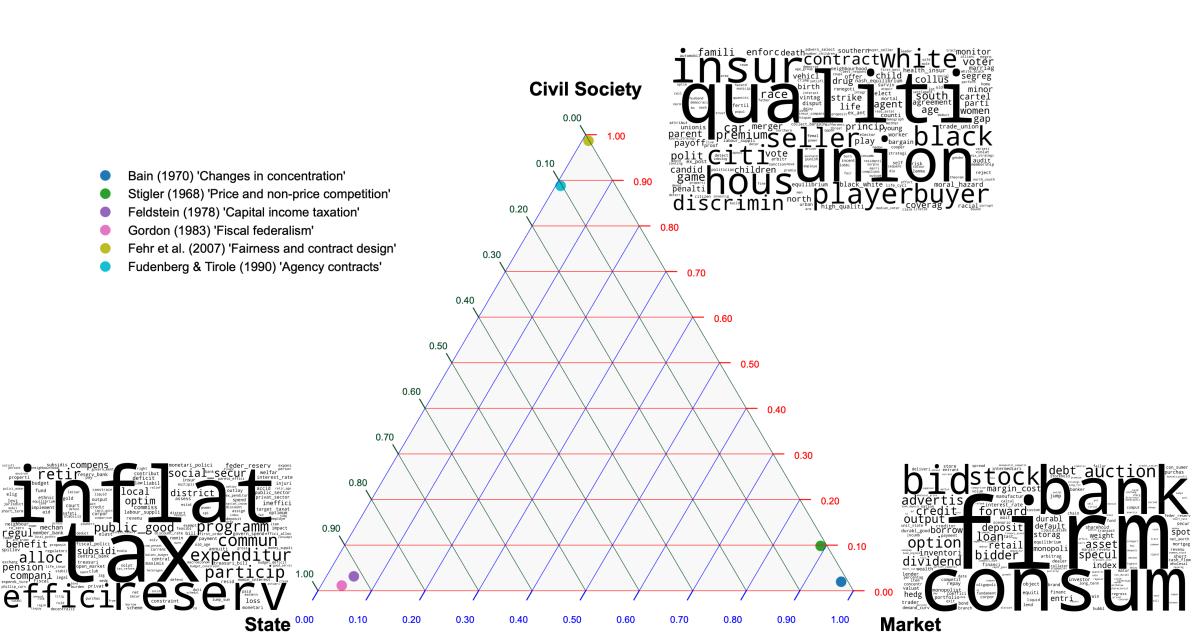
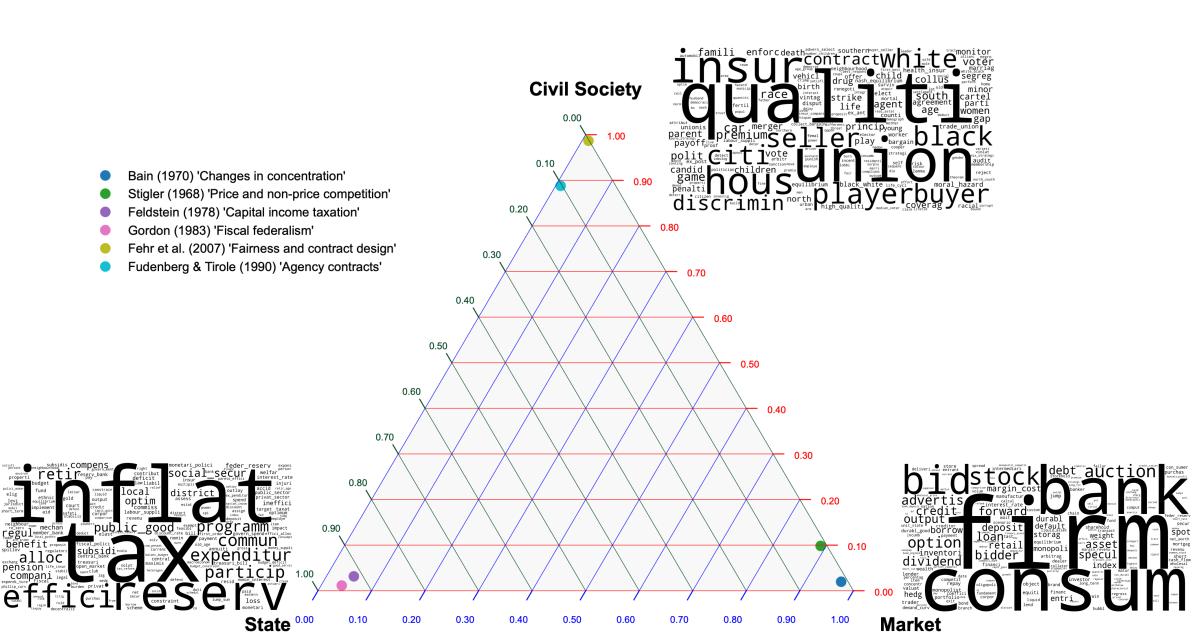
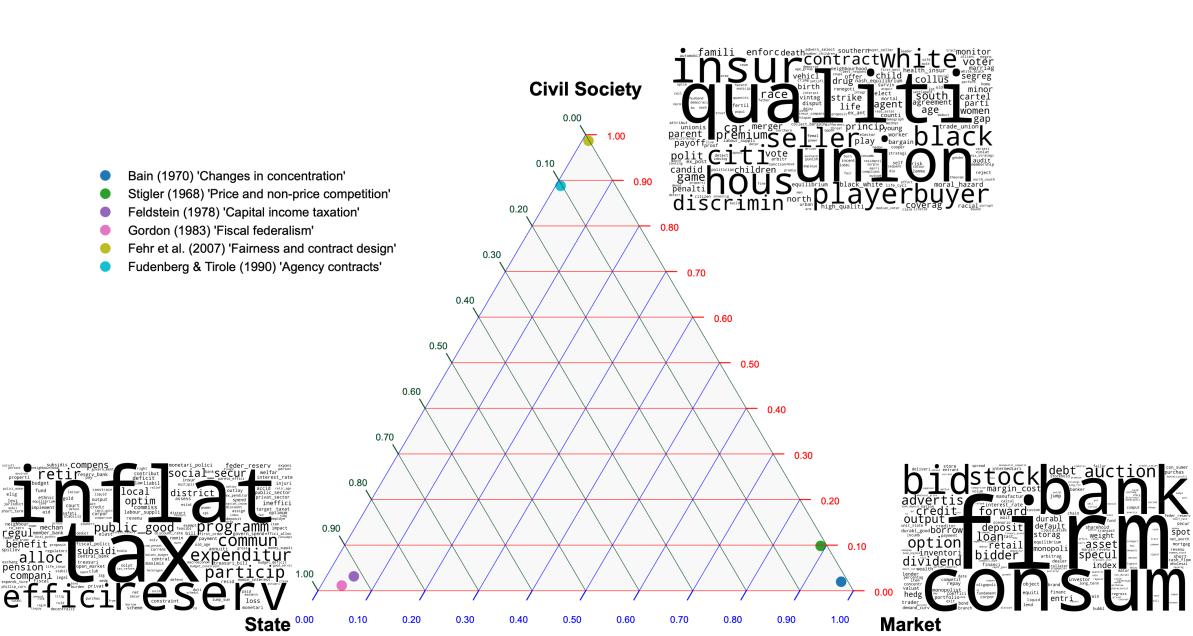
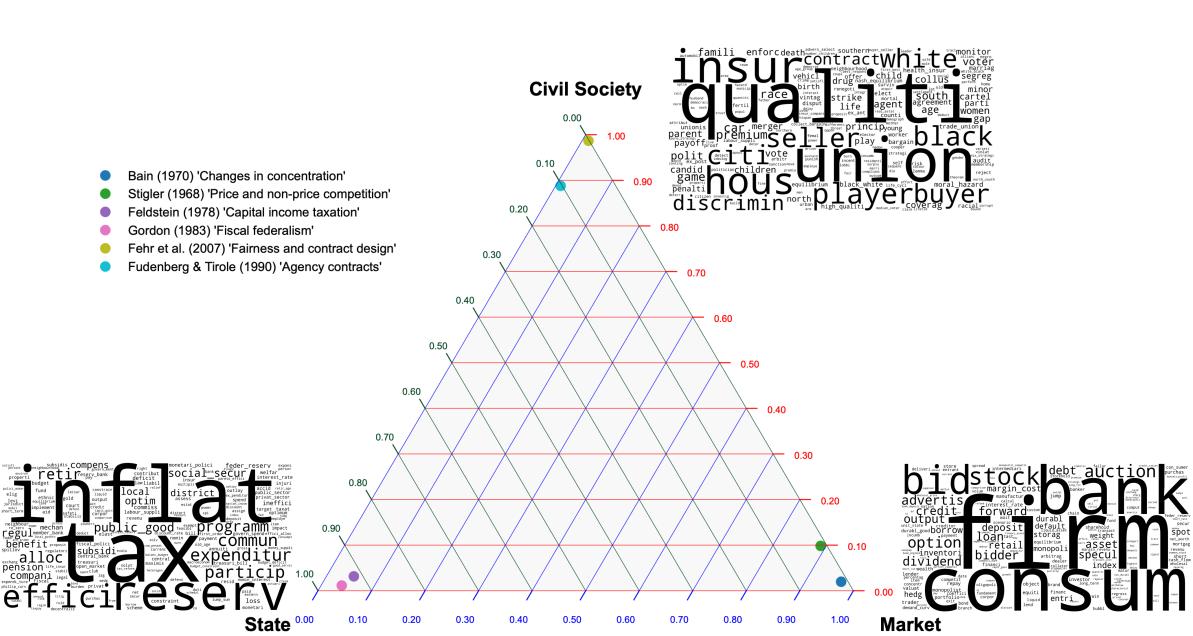
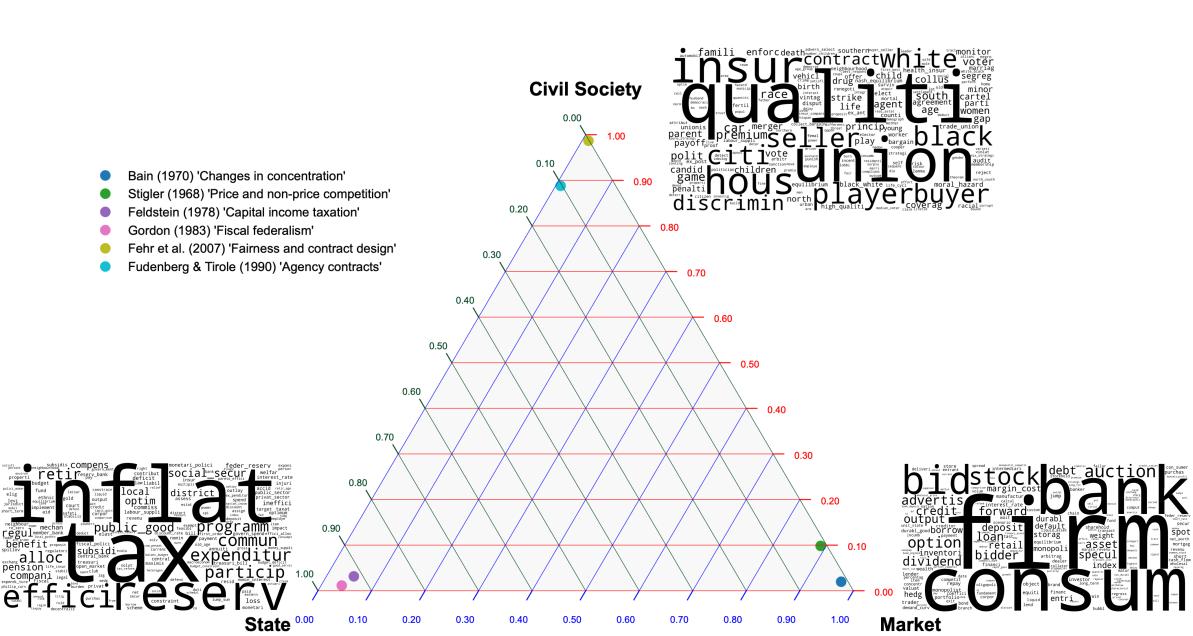
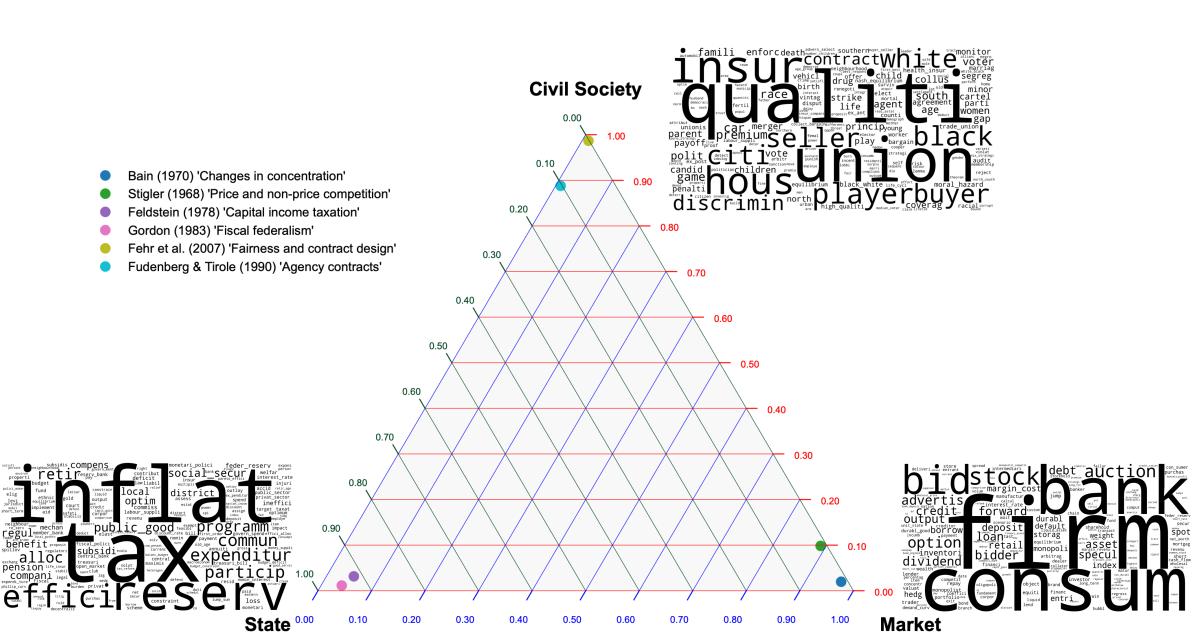
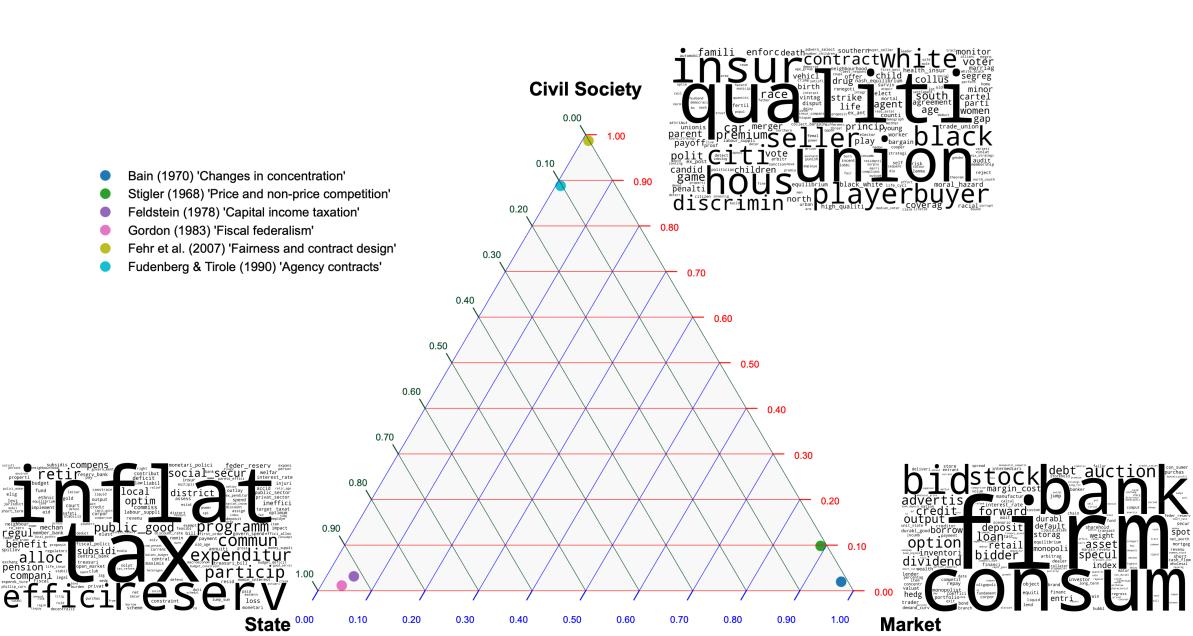
Figure 3 presents word clouds that illustrate the content of the three metatopics. Examples of papers
where the words in the full text are concentrated in the topics making up the three metatopics are: for
market, “Changes in Concentration in Manufacturing Industries in the United States, 1954-1966”
(Bain 1970) and “Price and non-price competition” (Stigler 1968), for state, “The welfare cost of
capital income taxation” (Feldstein 1978) and “An optimal taxation approach to fiscal federalism”
(Gordon 1983); and for civil society, “Moral Hazard and Renegotiation in Agency Contracts”
(Fudenberg & Tirole 1990) and “Fairness and contract design” (Fehr et al 2007). Each of the six
papers is located in the triangle in Figure 3 according to the weight of each metatopic in the text of
that article.






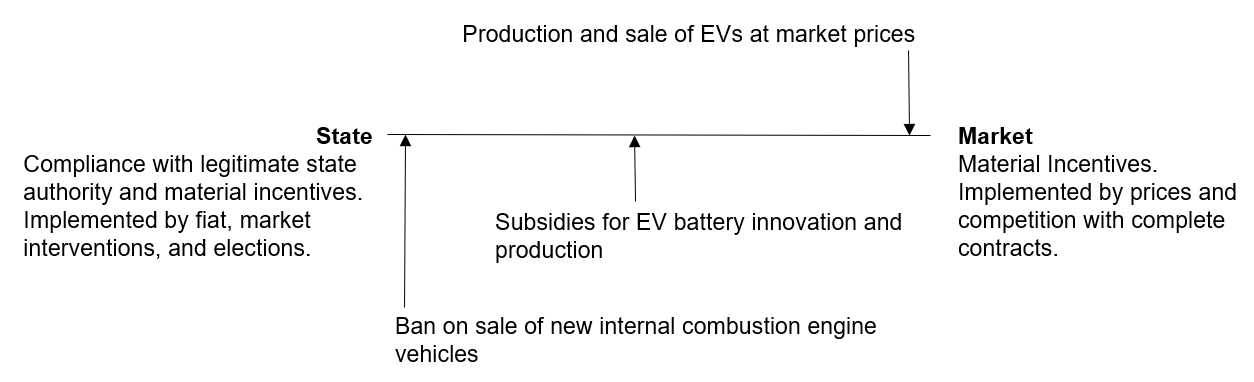
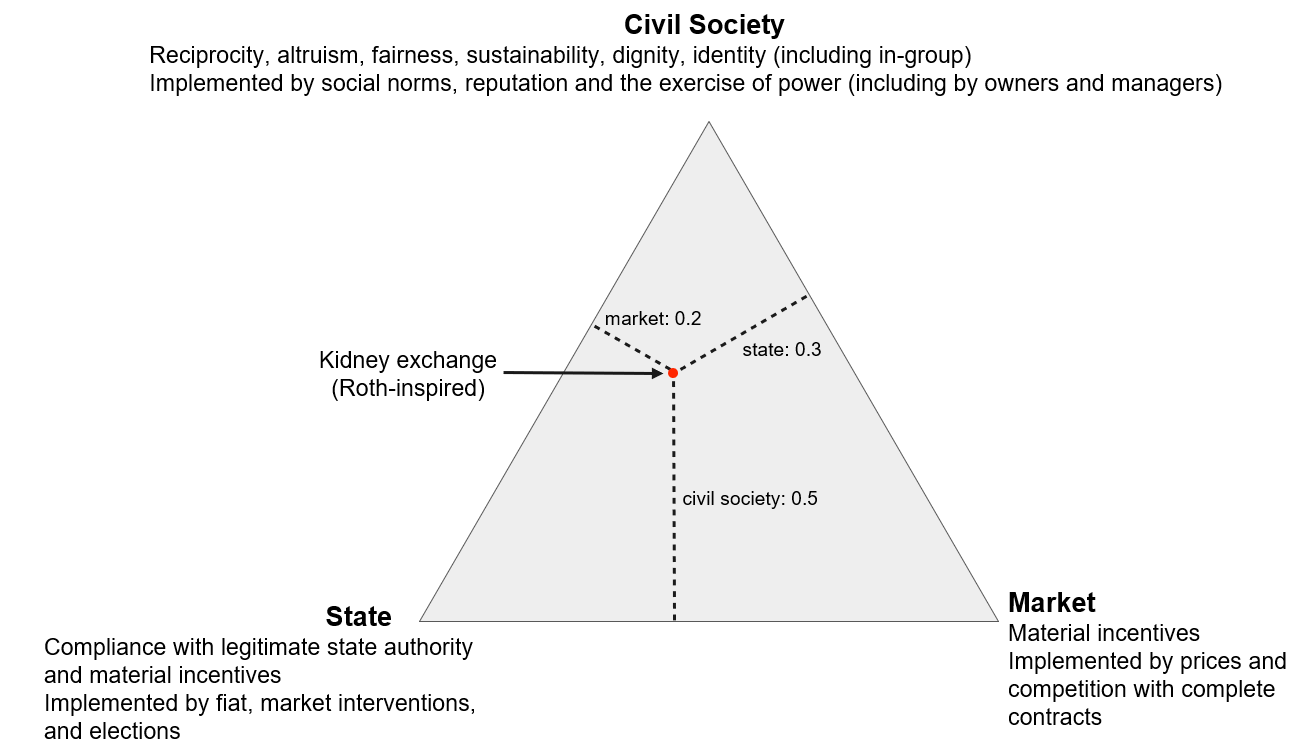
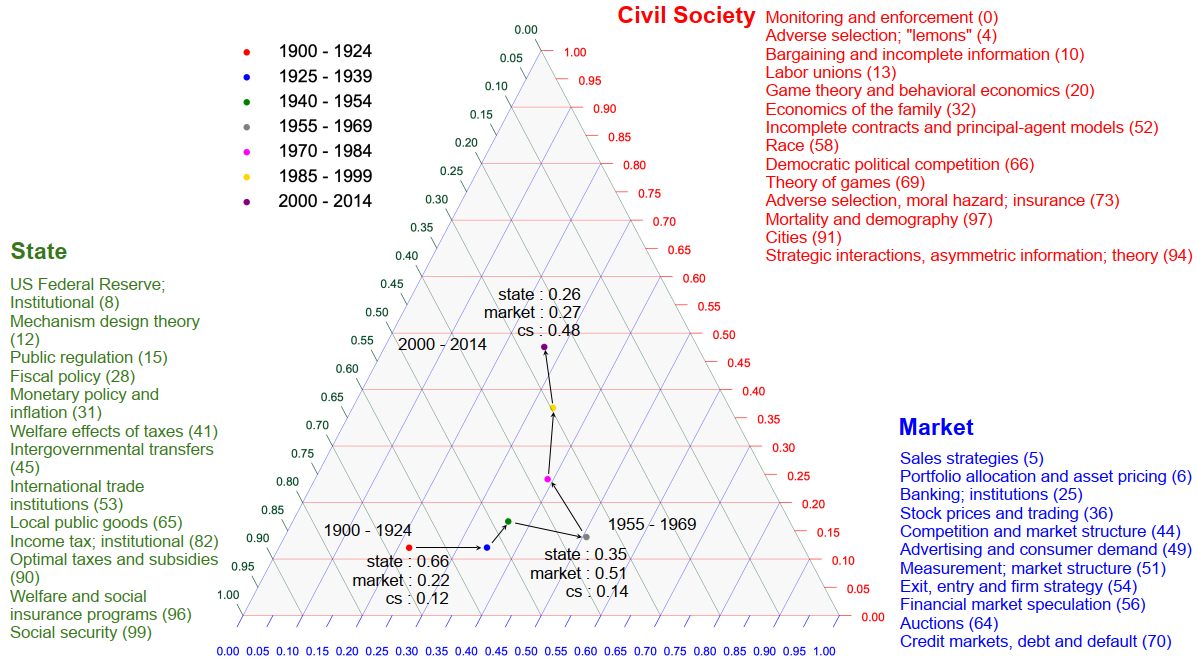
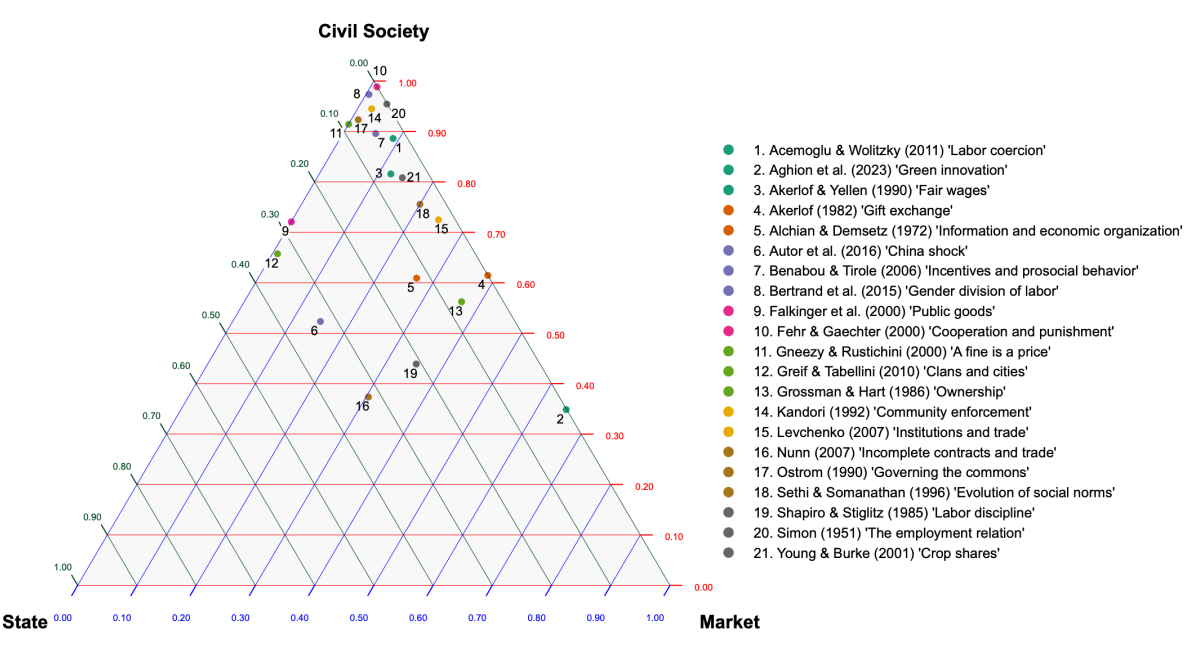
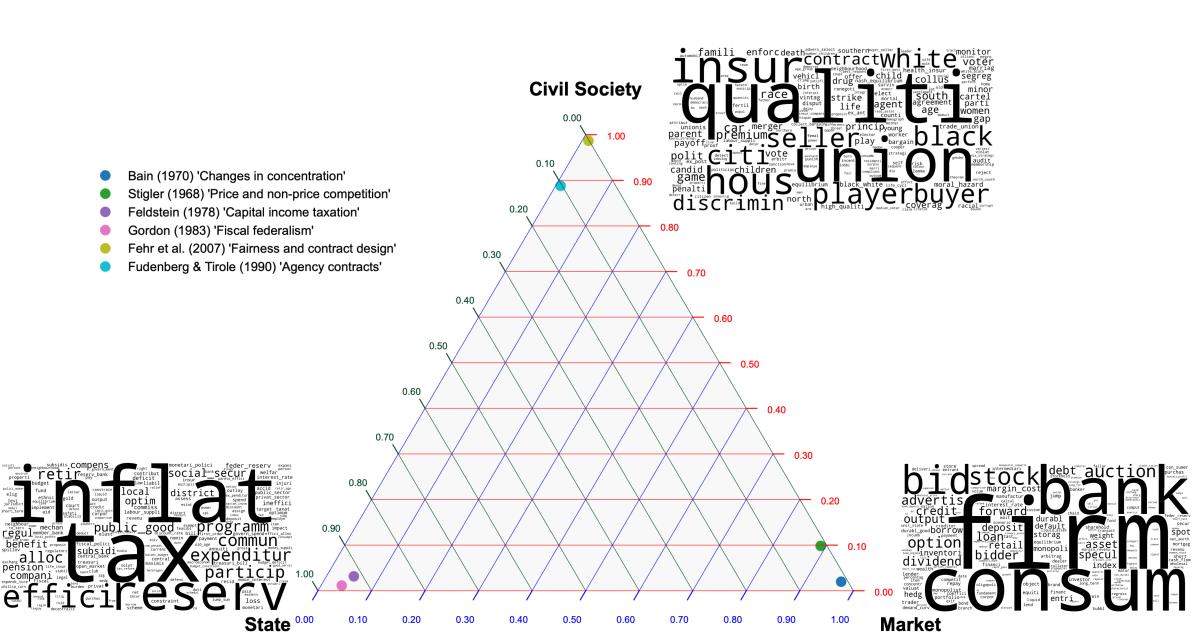
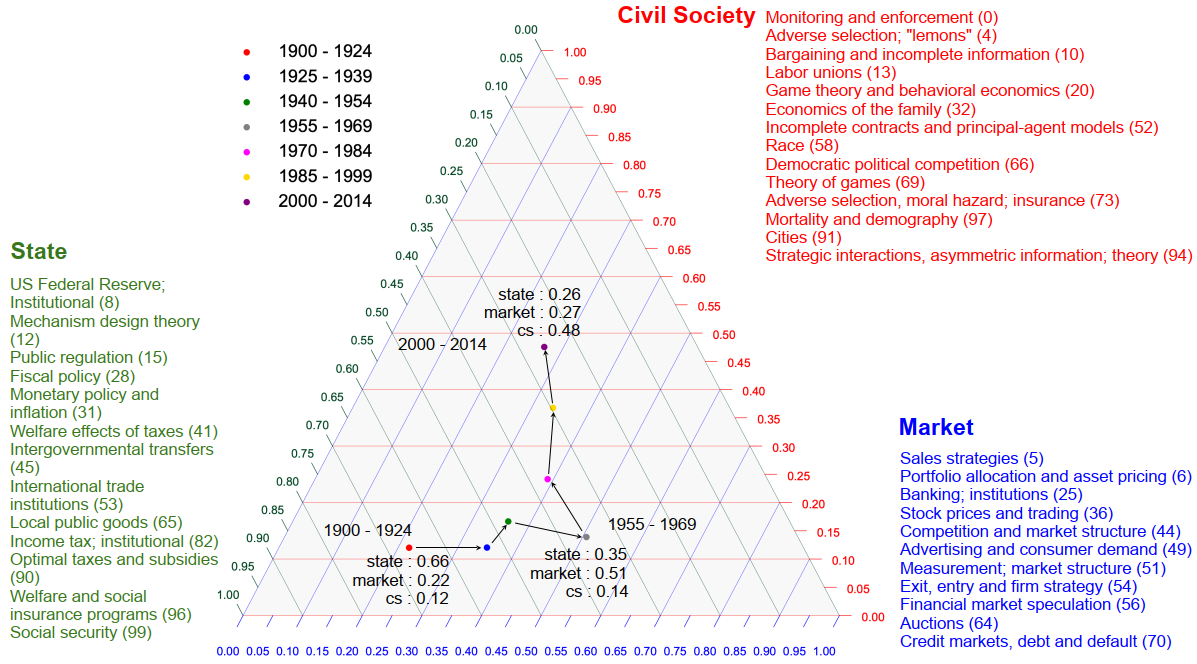
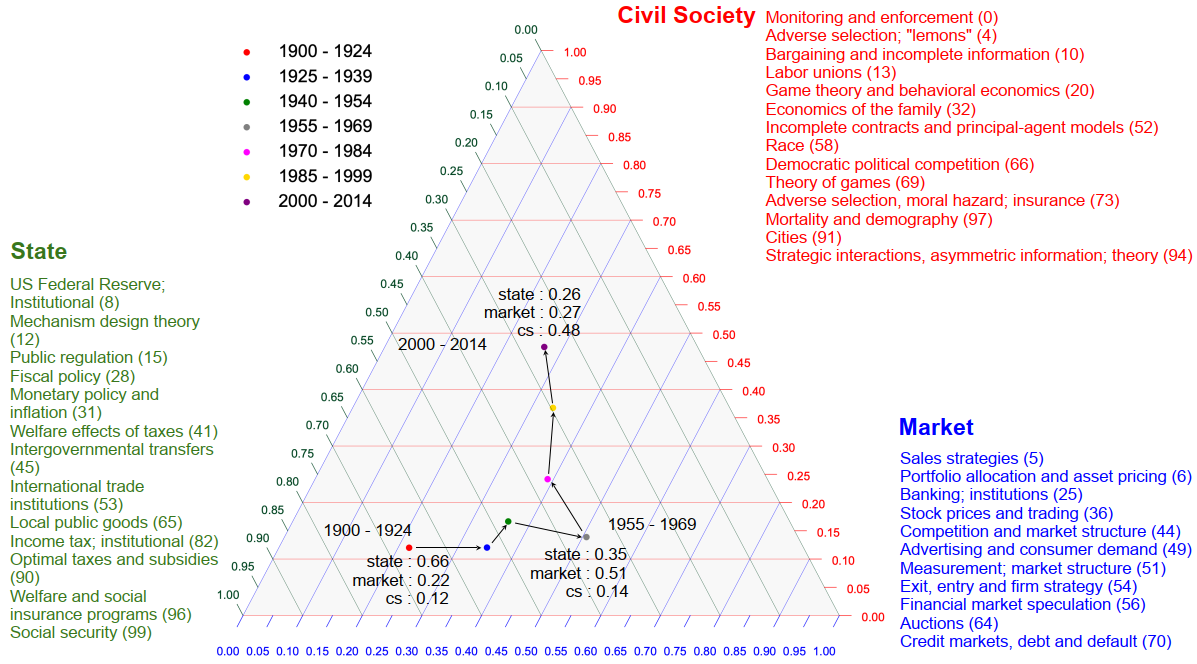
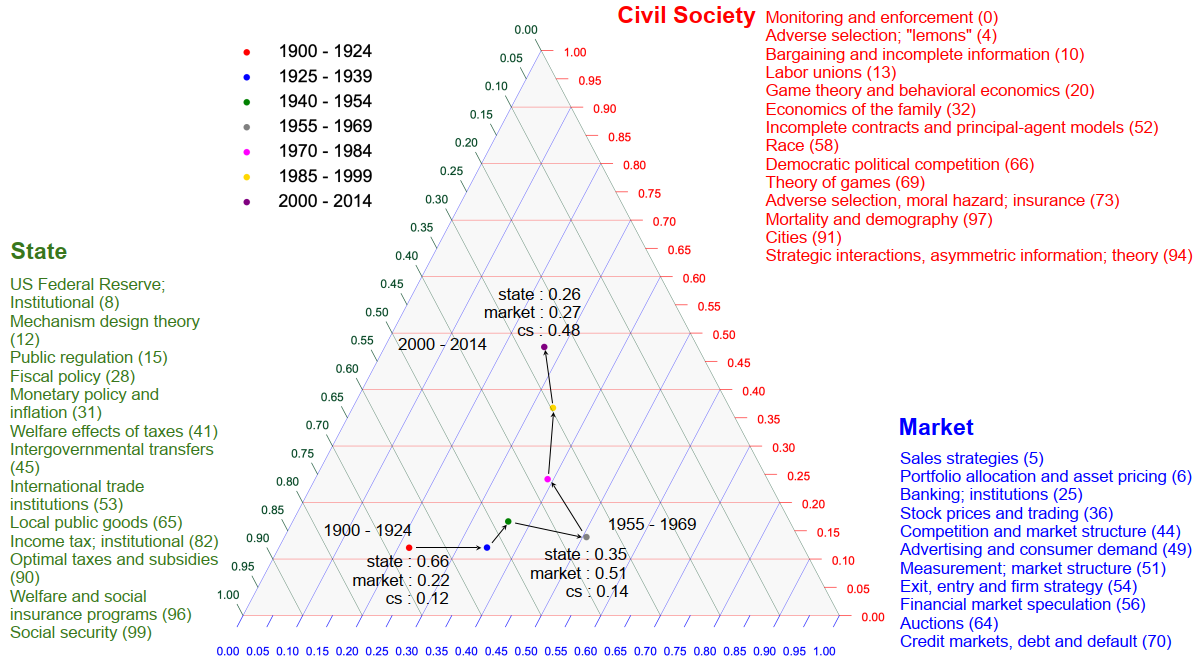
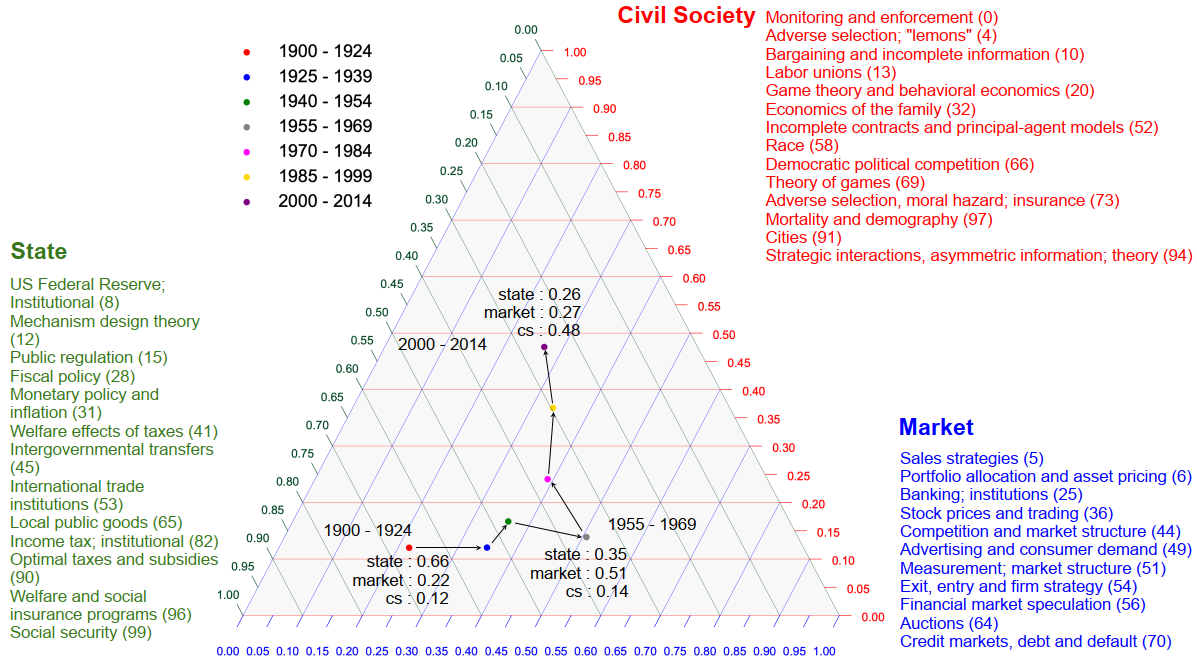
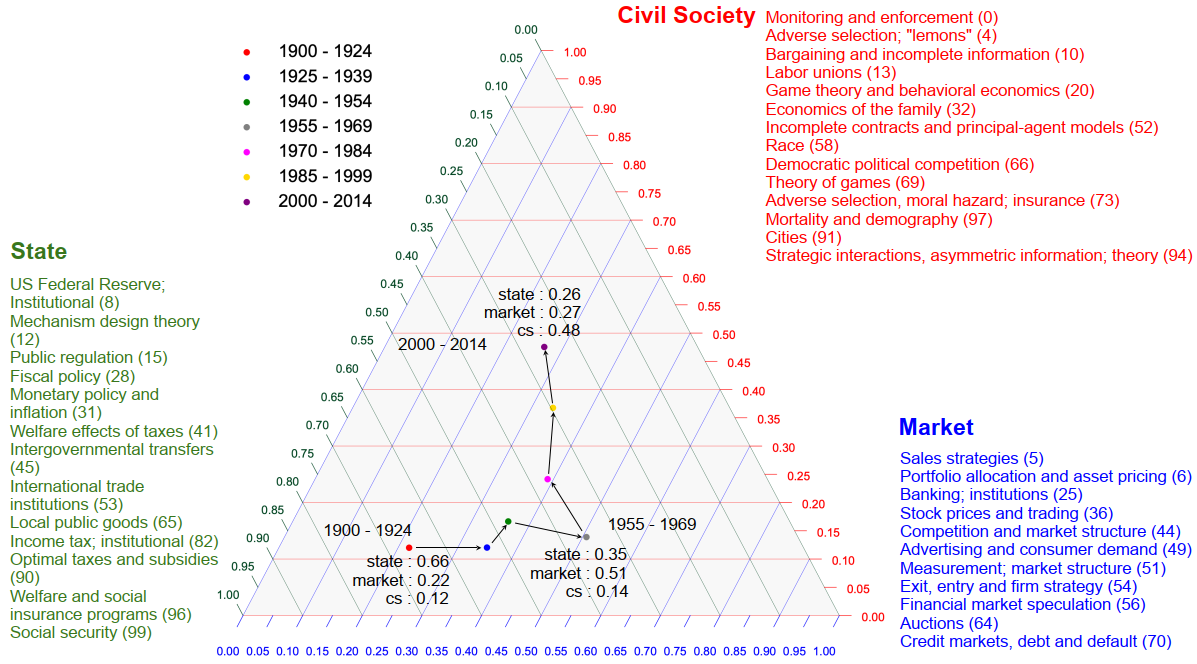
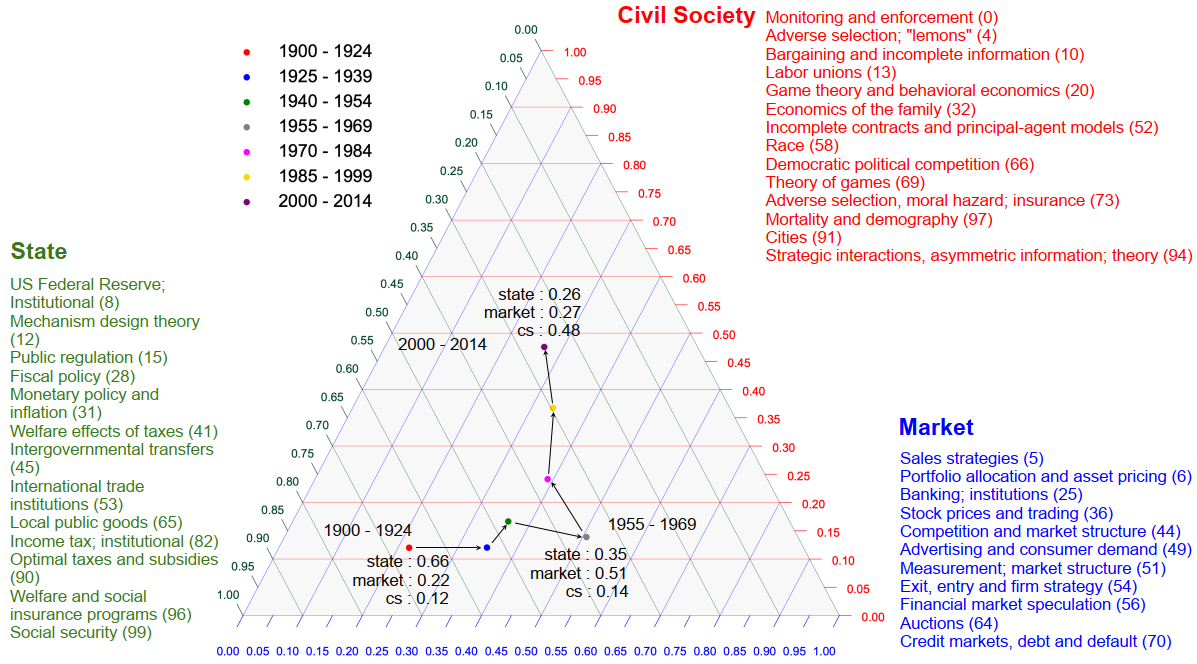
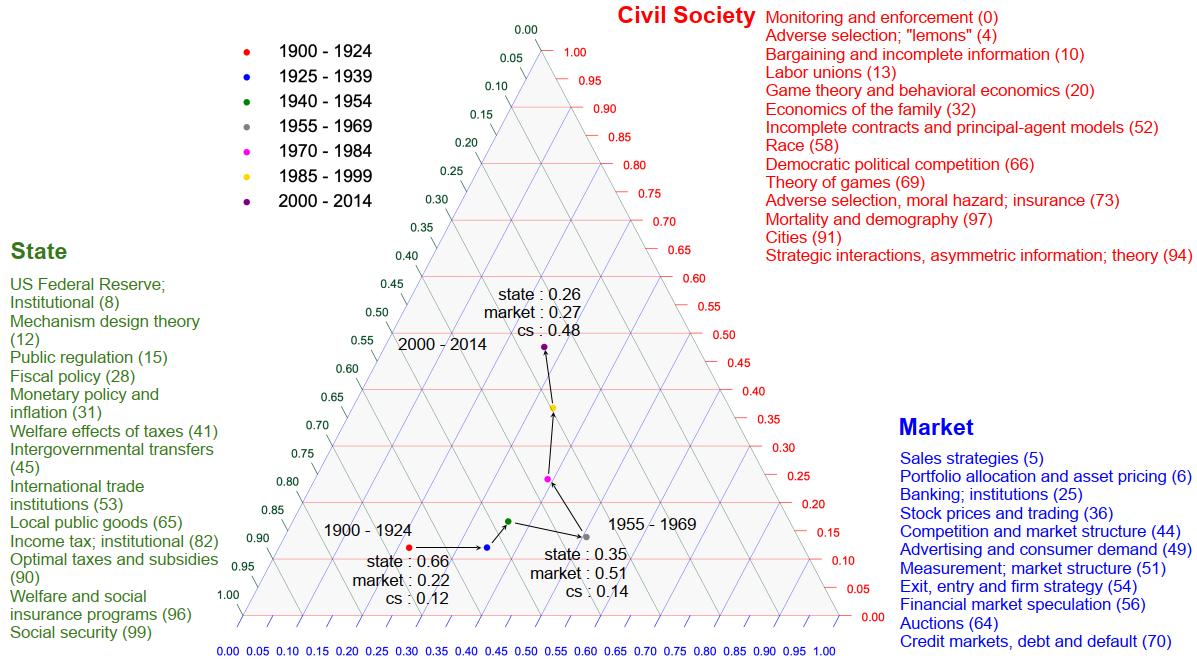
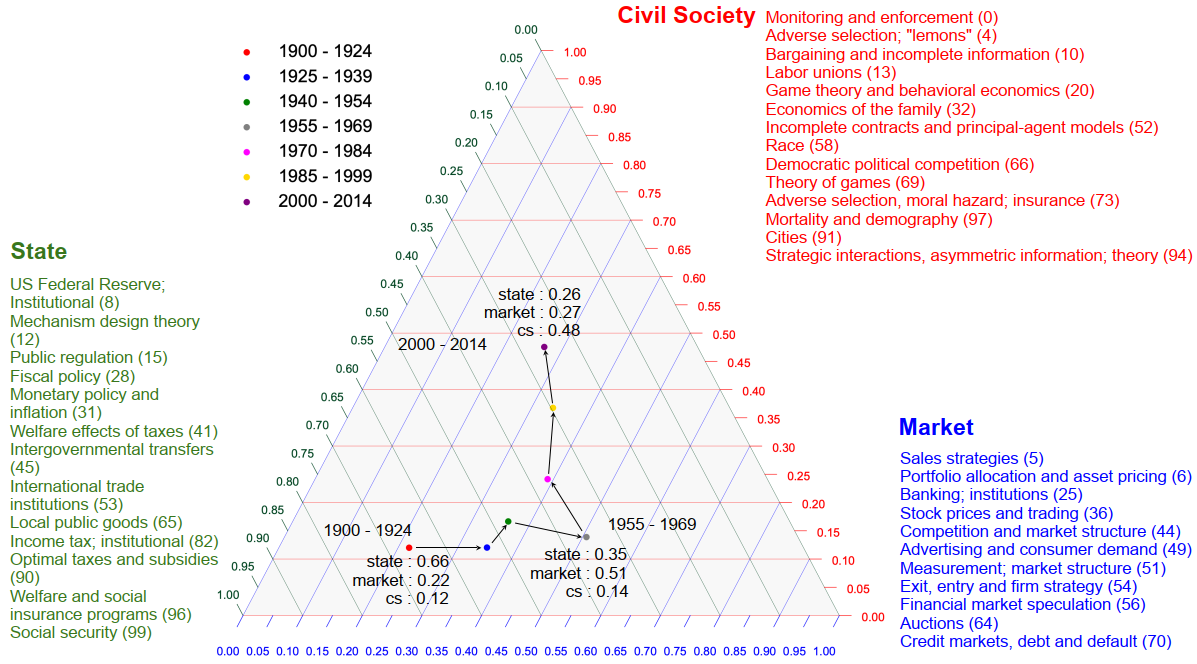
Figure 3. Word clouds showing the terms most frequently used in the three metatopics and articles in the corpus heavily weighted in the metatopic. For example, important market actors – firms, banks, and consumers – are prominent in the market metatopic. The six papers listed and shown in the triangle are in the top ten most heavily weighted papers in each metatopic in the post- 1960 corpus. Applying the method used to place individual articles into the triangle in Figure 3 to the entire
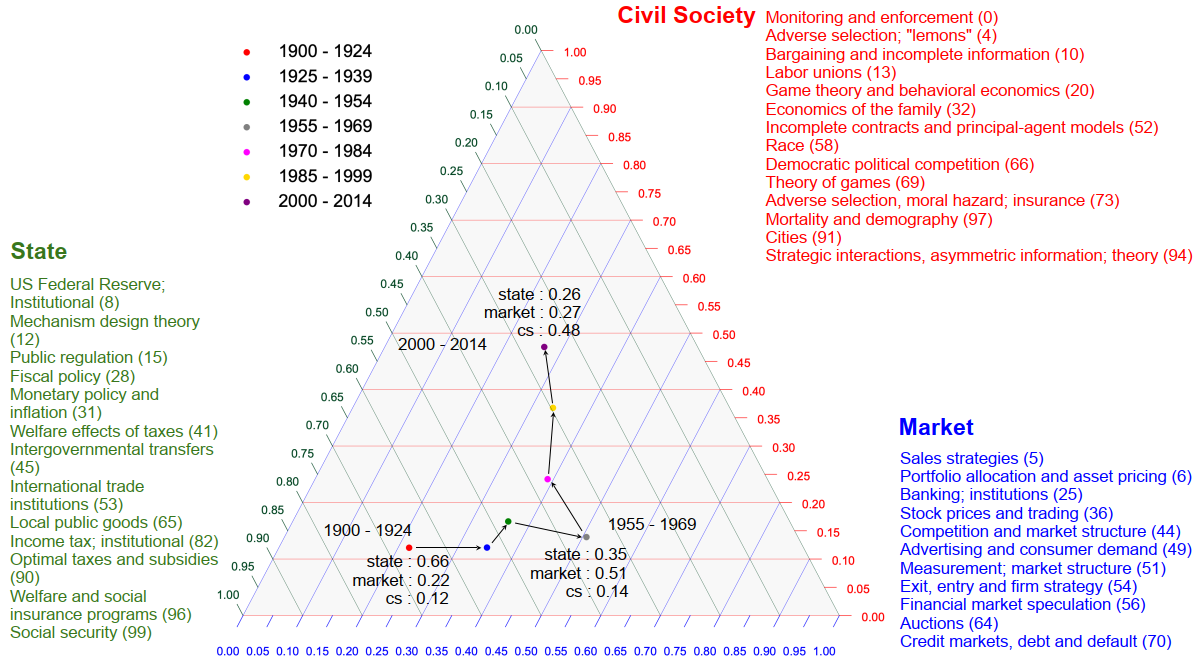
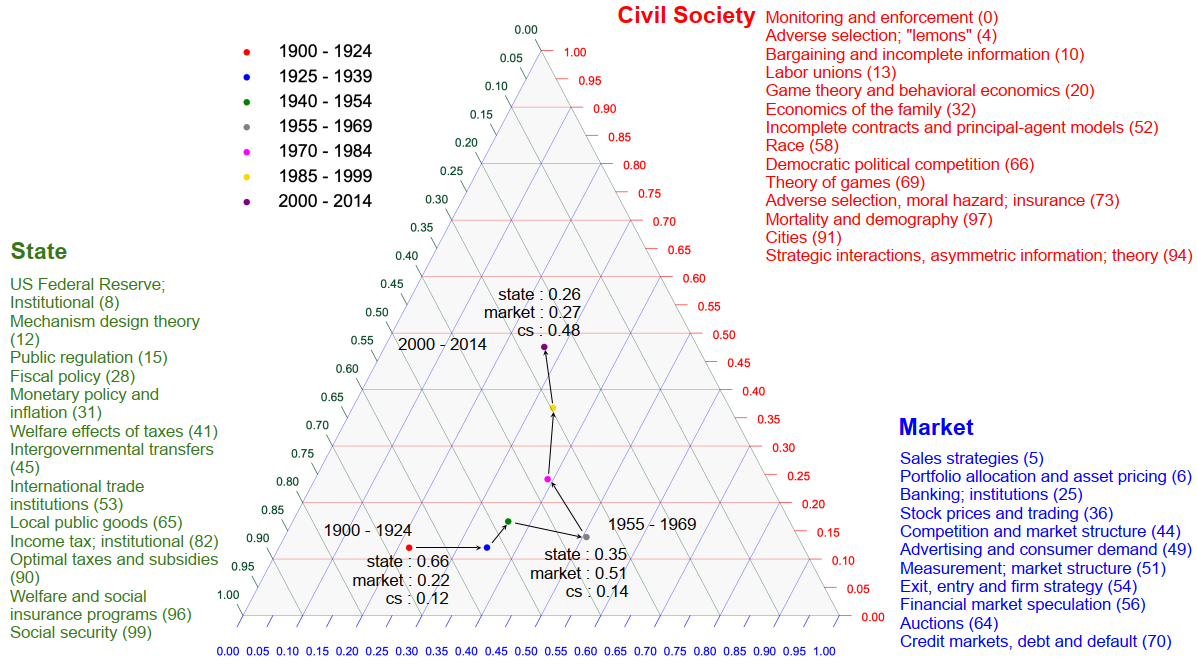
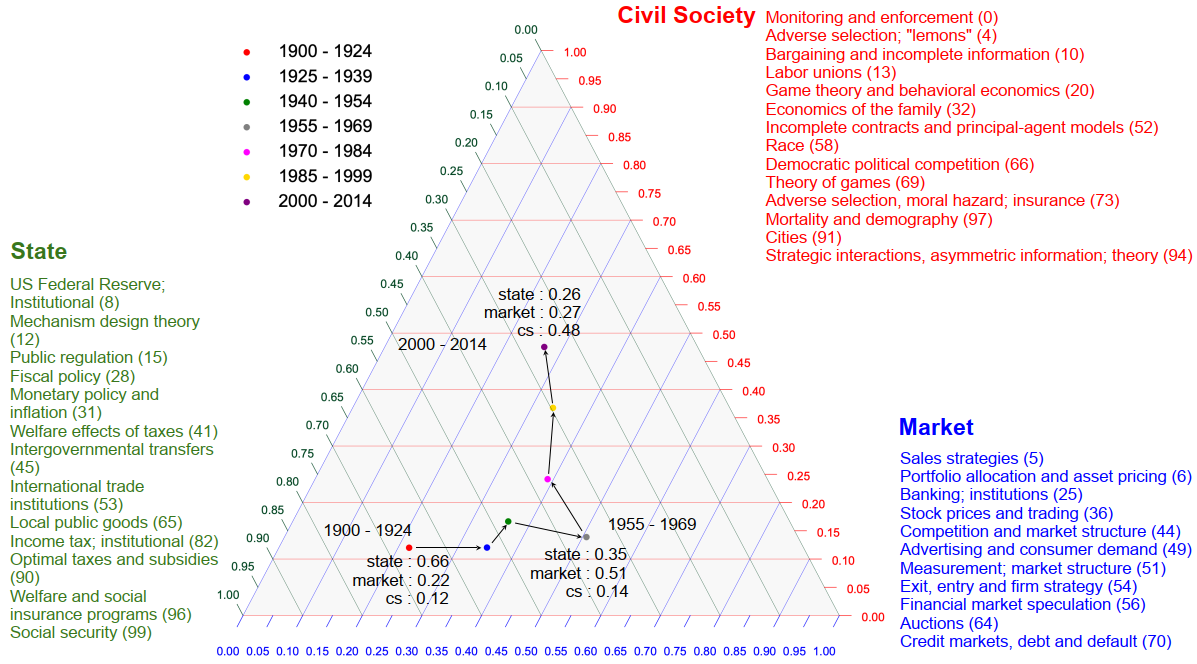
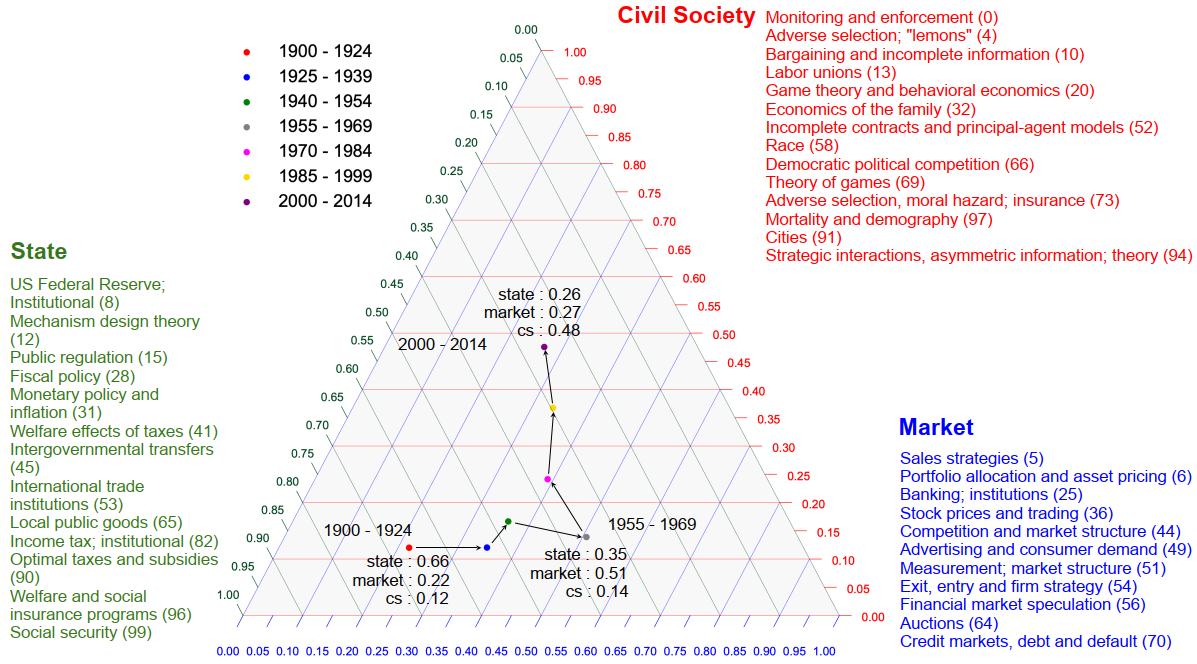
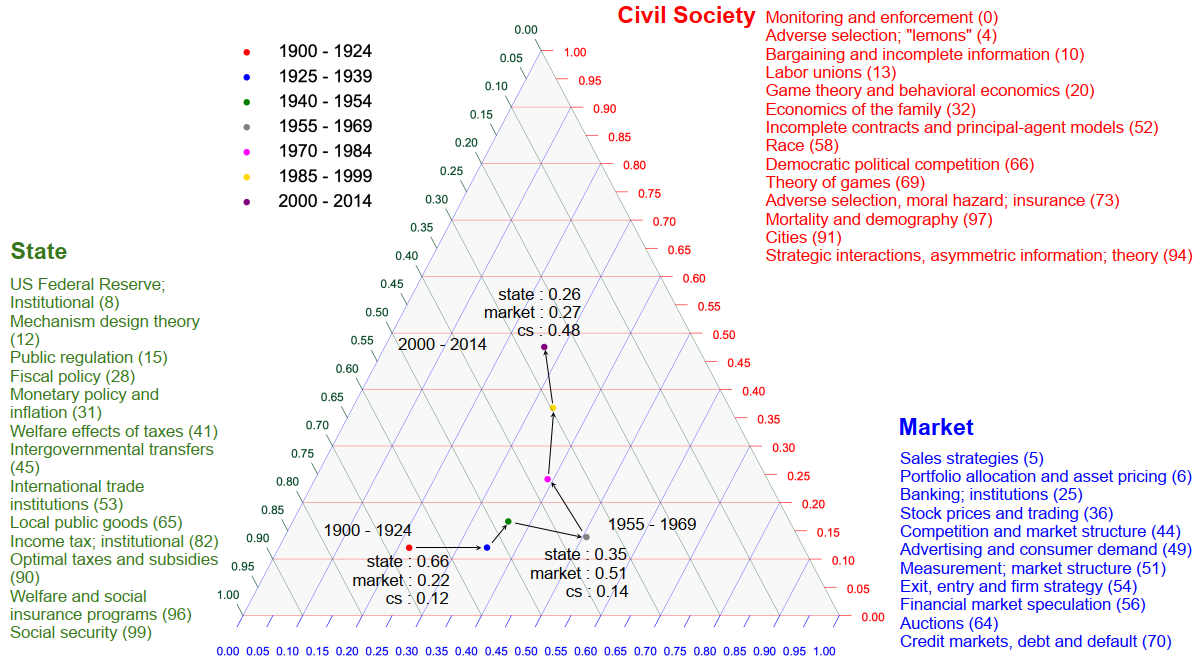
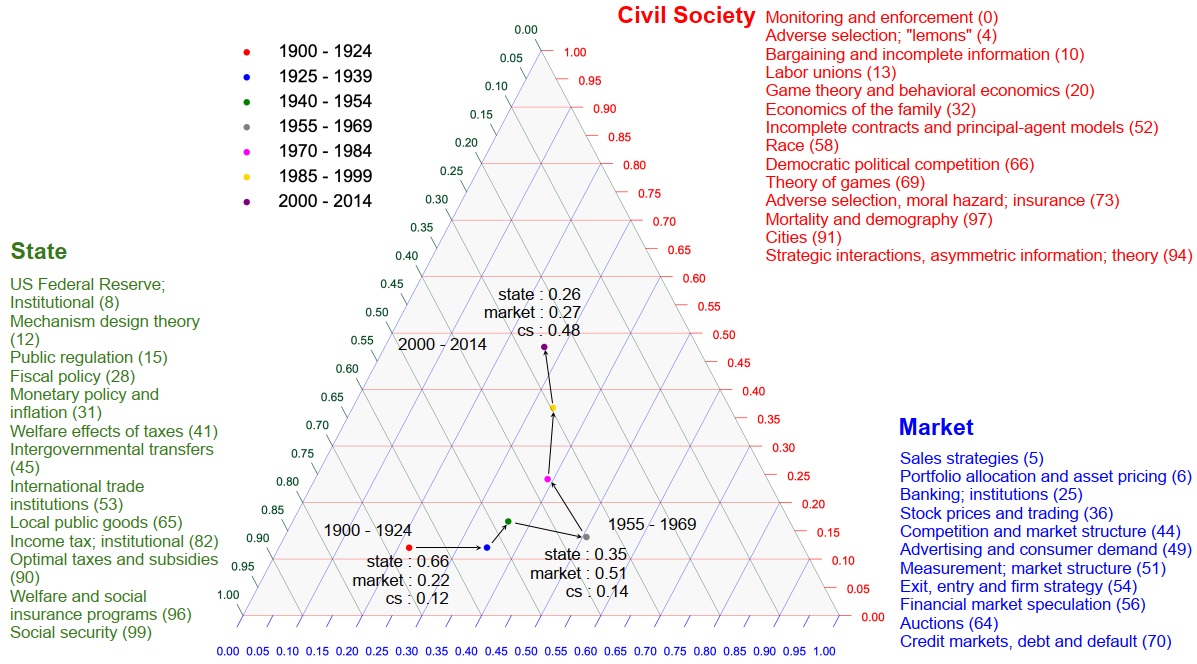
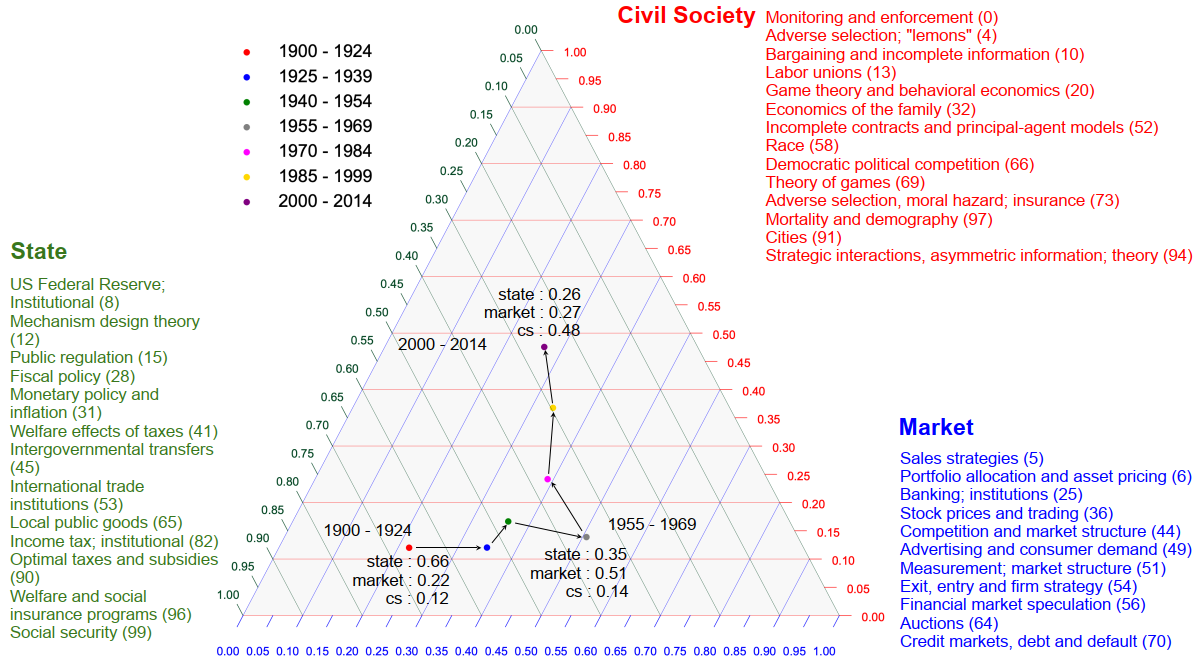
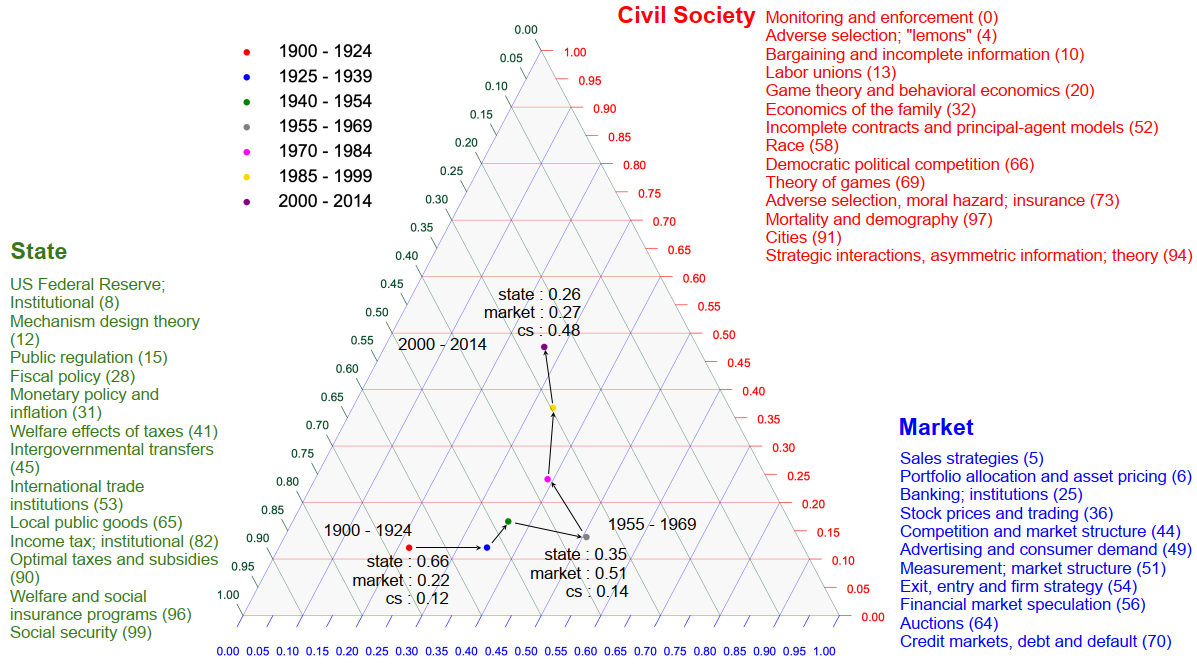
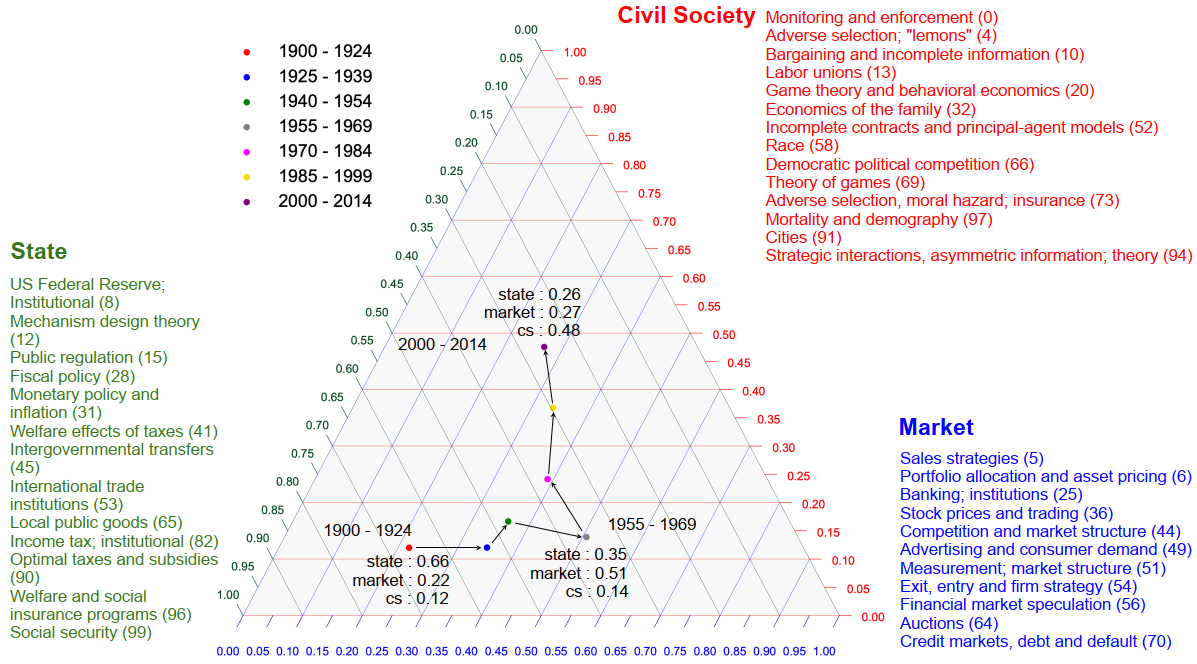
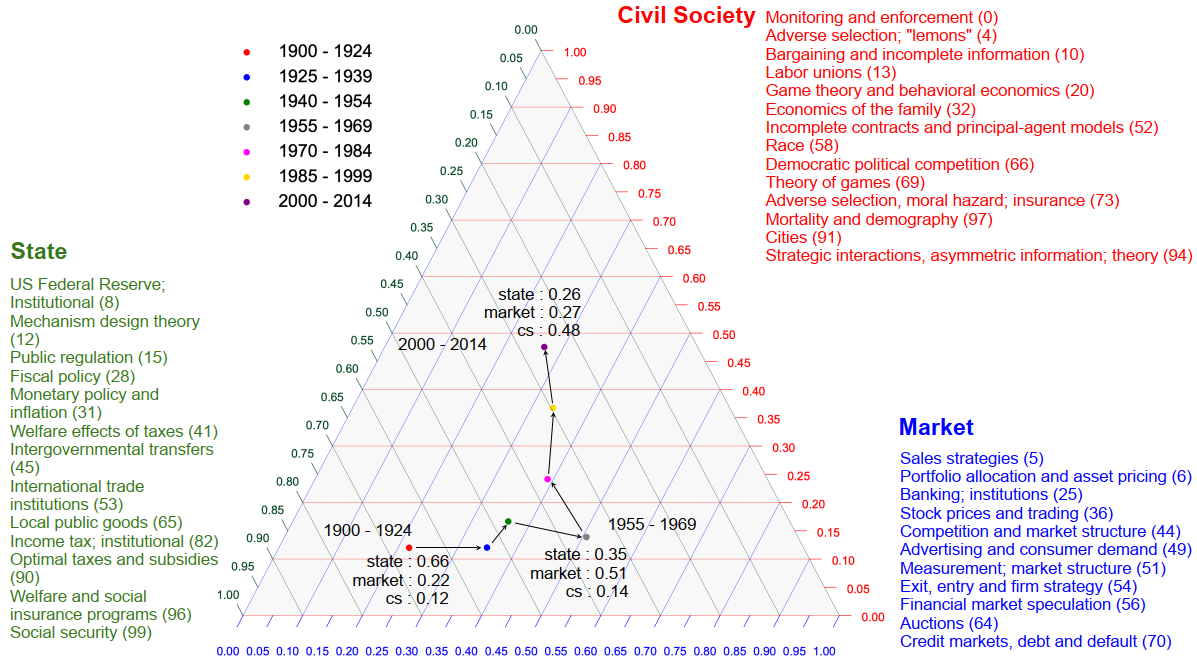
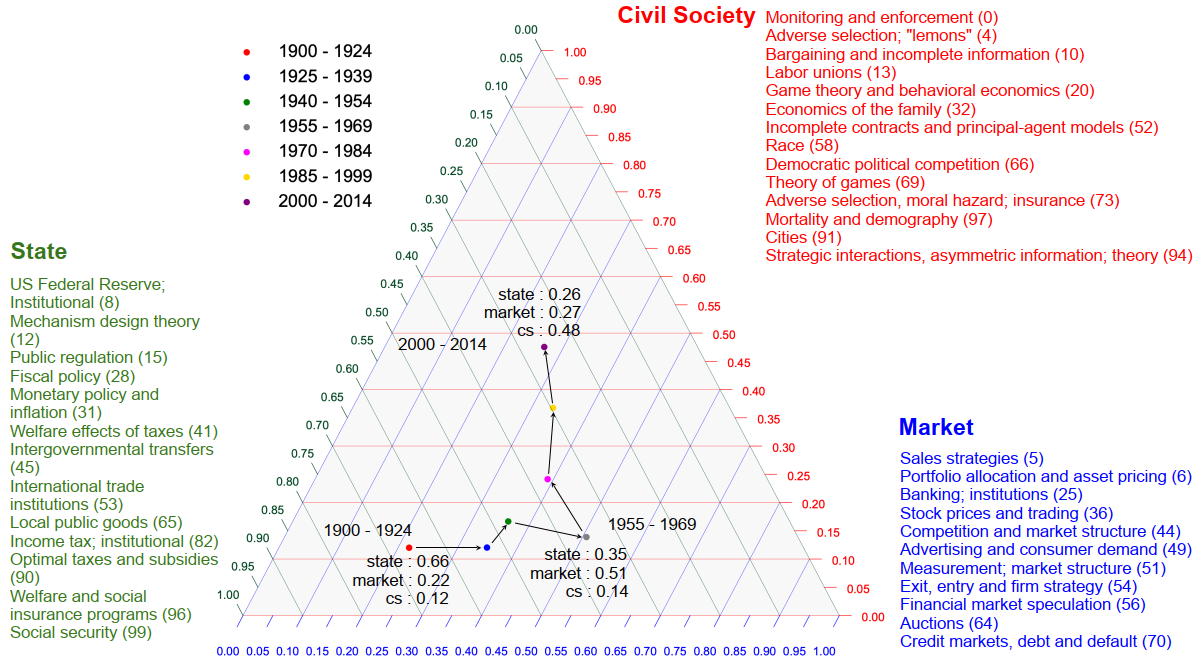
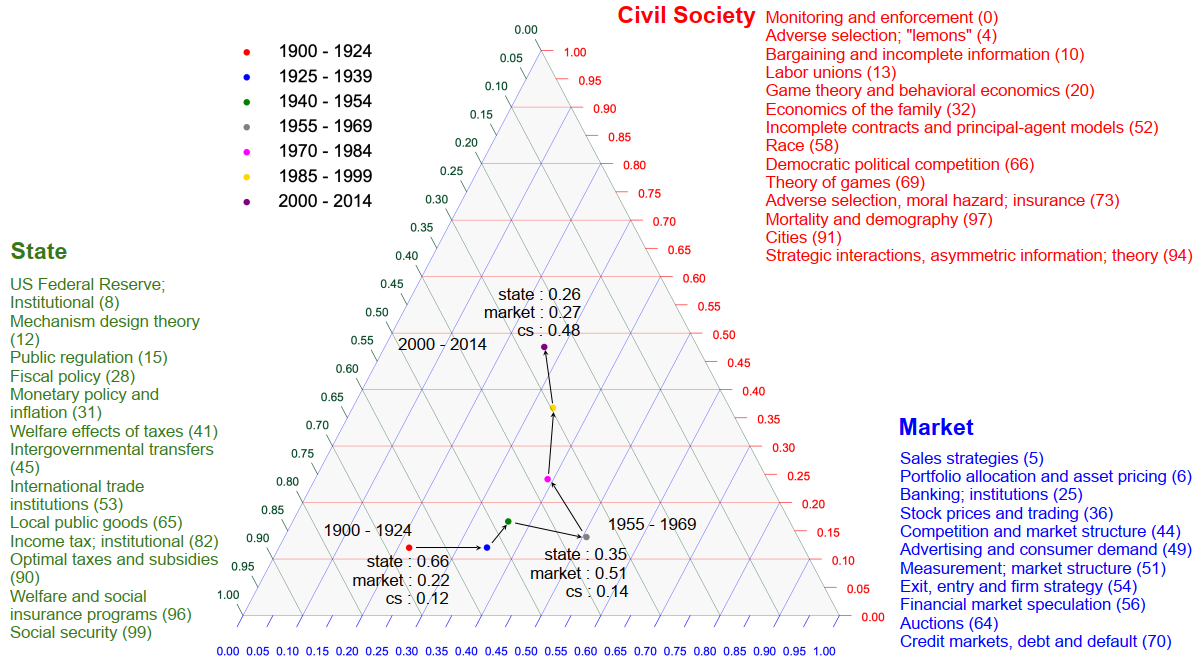
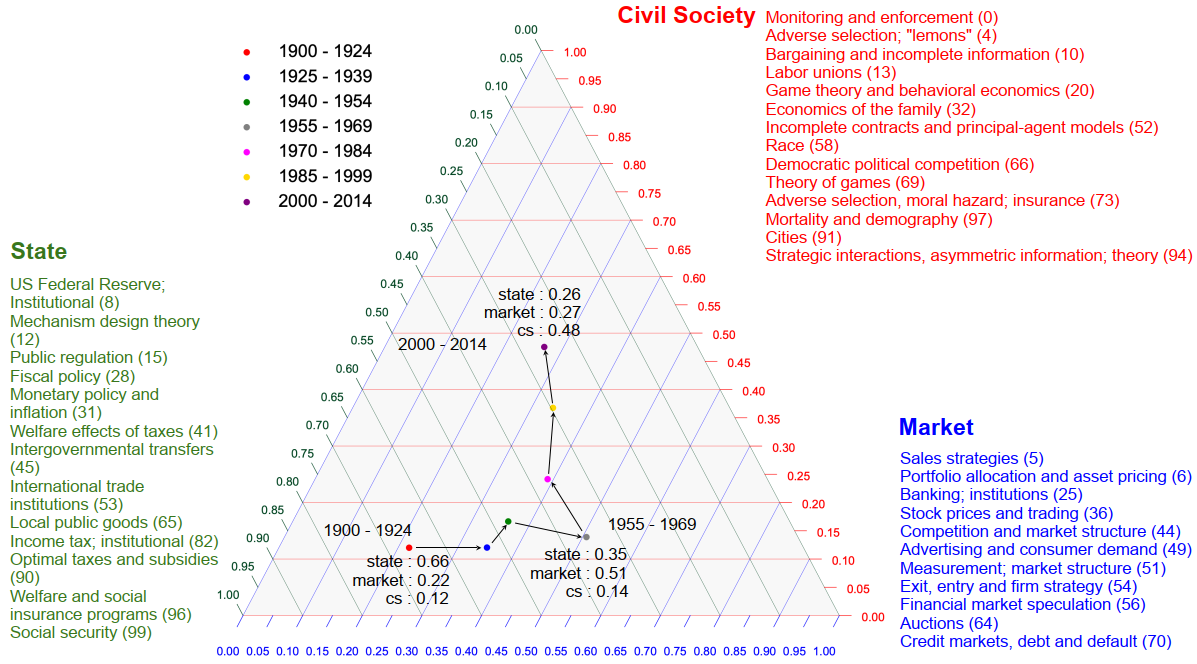
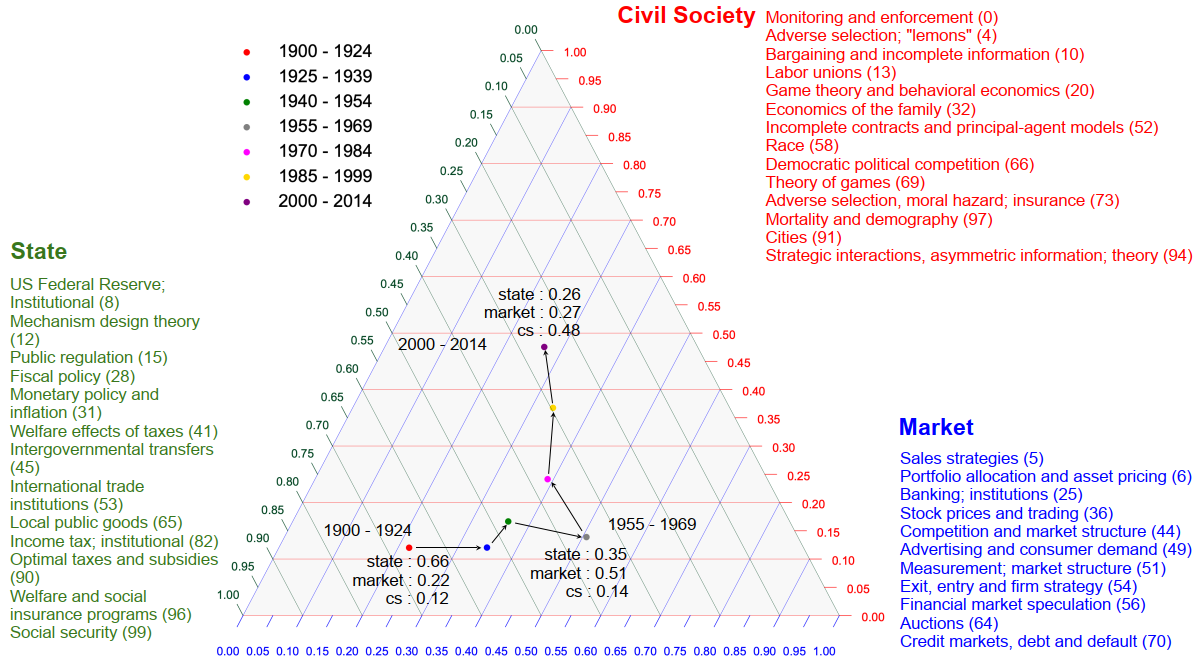
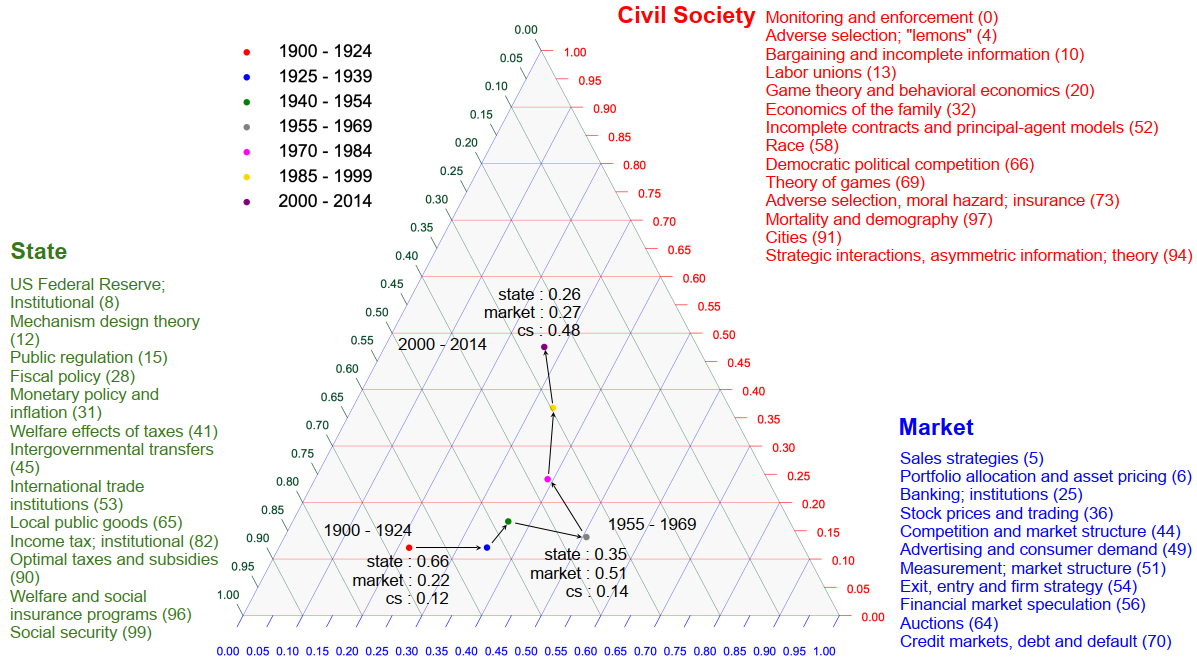
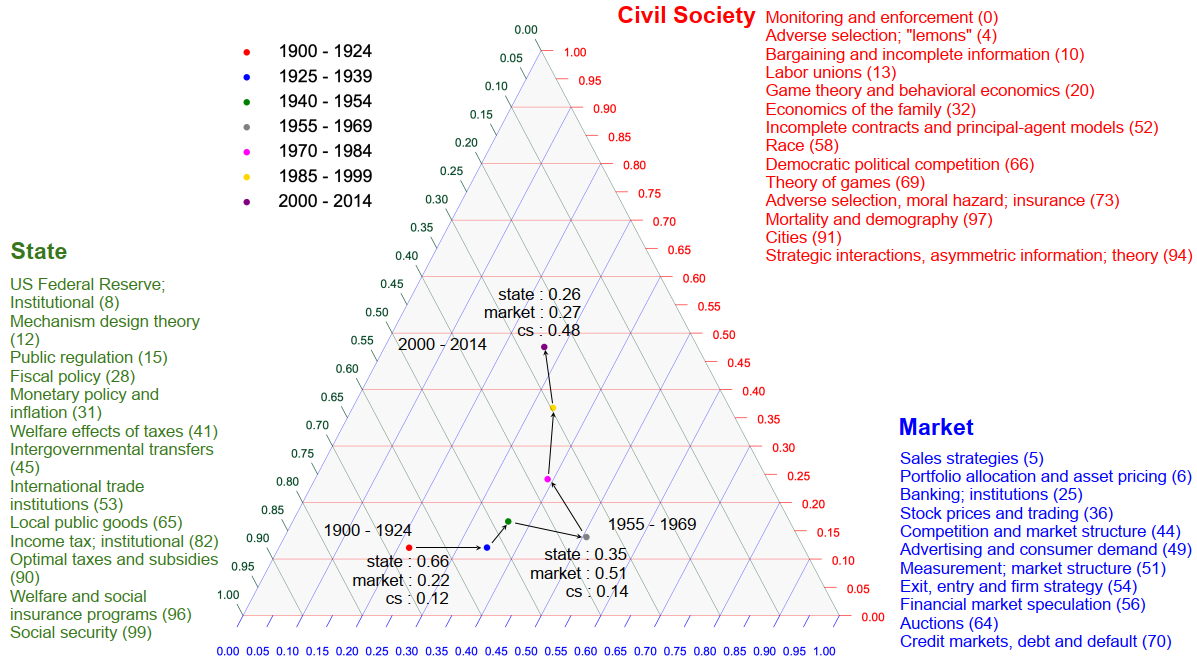
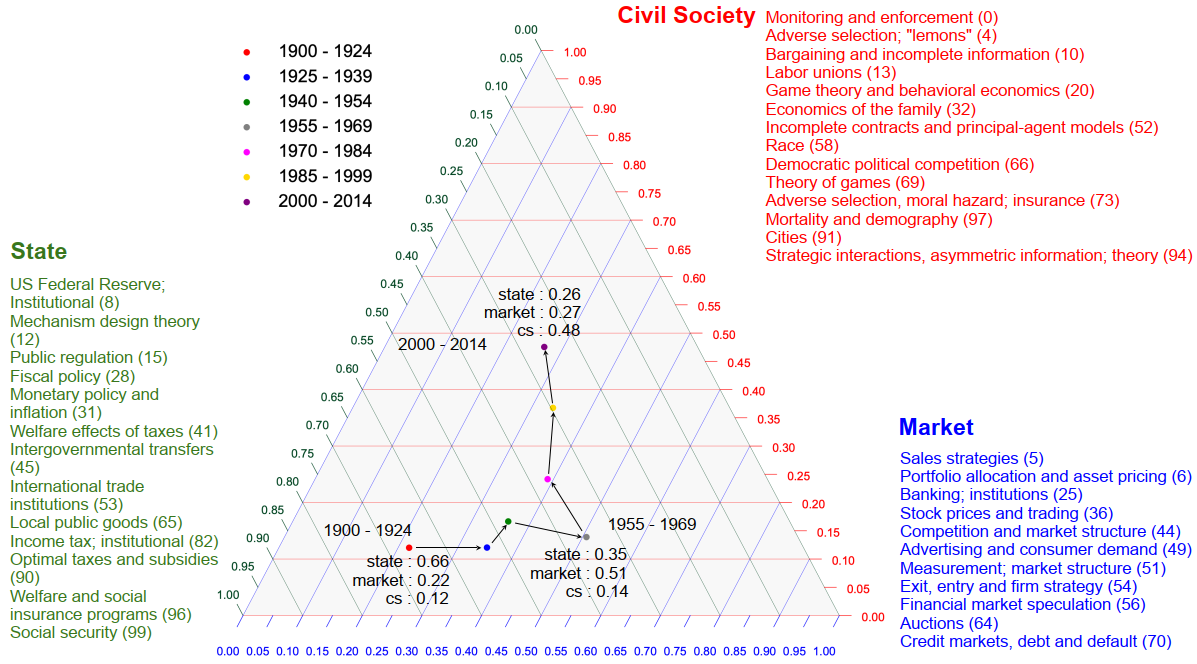
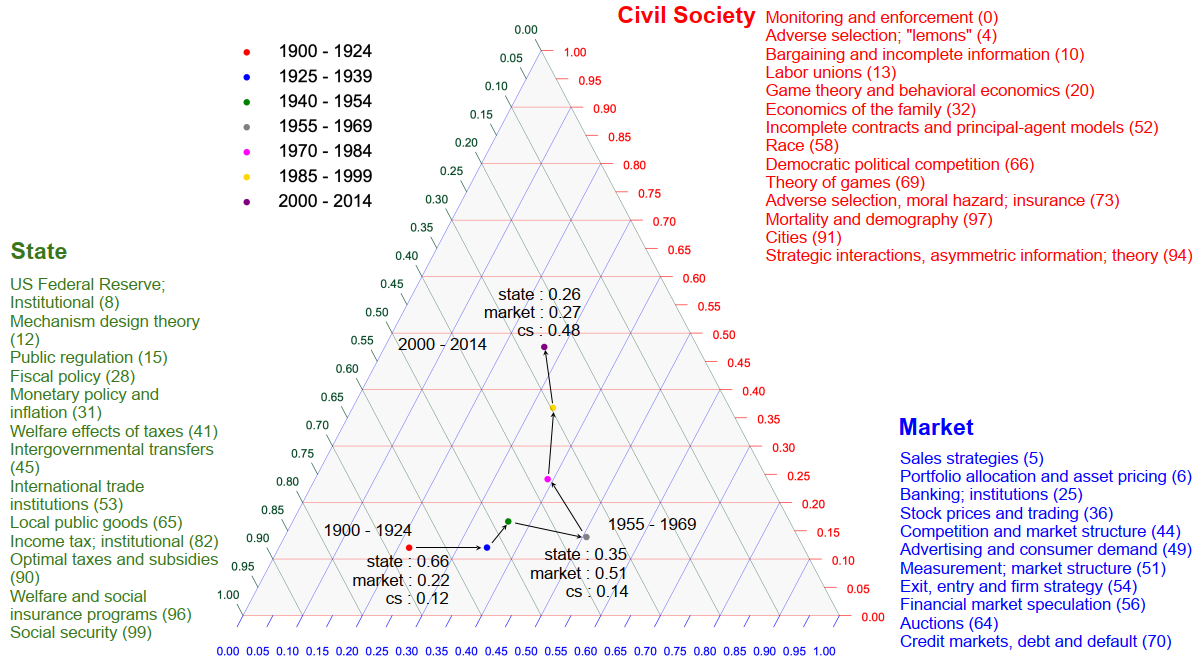
corpus for successive sub-periods beginning in 1900, Figure 4 shows how published research
relating to these three themes has evolved since 1900. There is a continuous shift between 1900 and
1970 away from research on state-related topics towards the market, over a period in which the
economic importance of the state was growing. This was followed by a substantial movement away
from market topics towards those related to civil society.






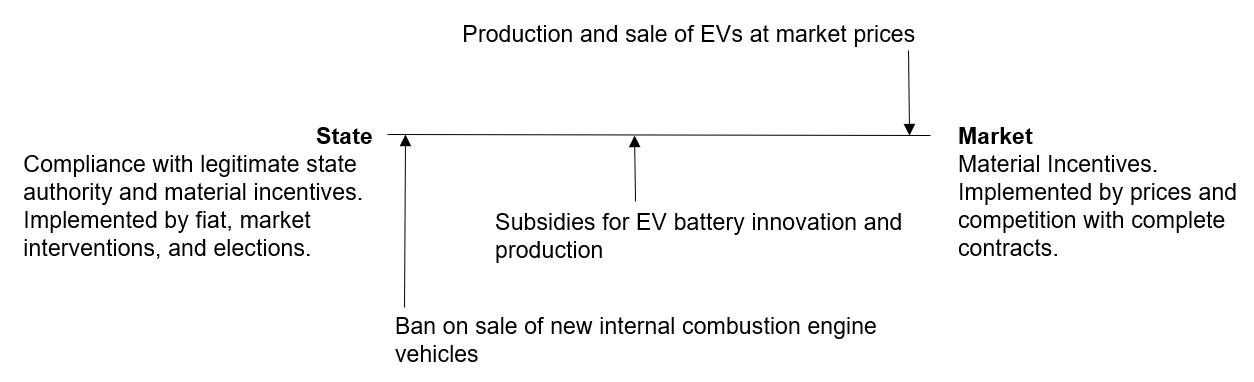
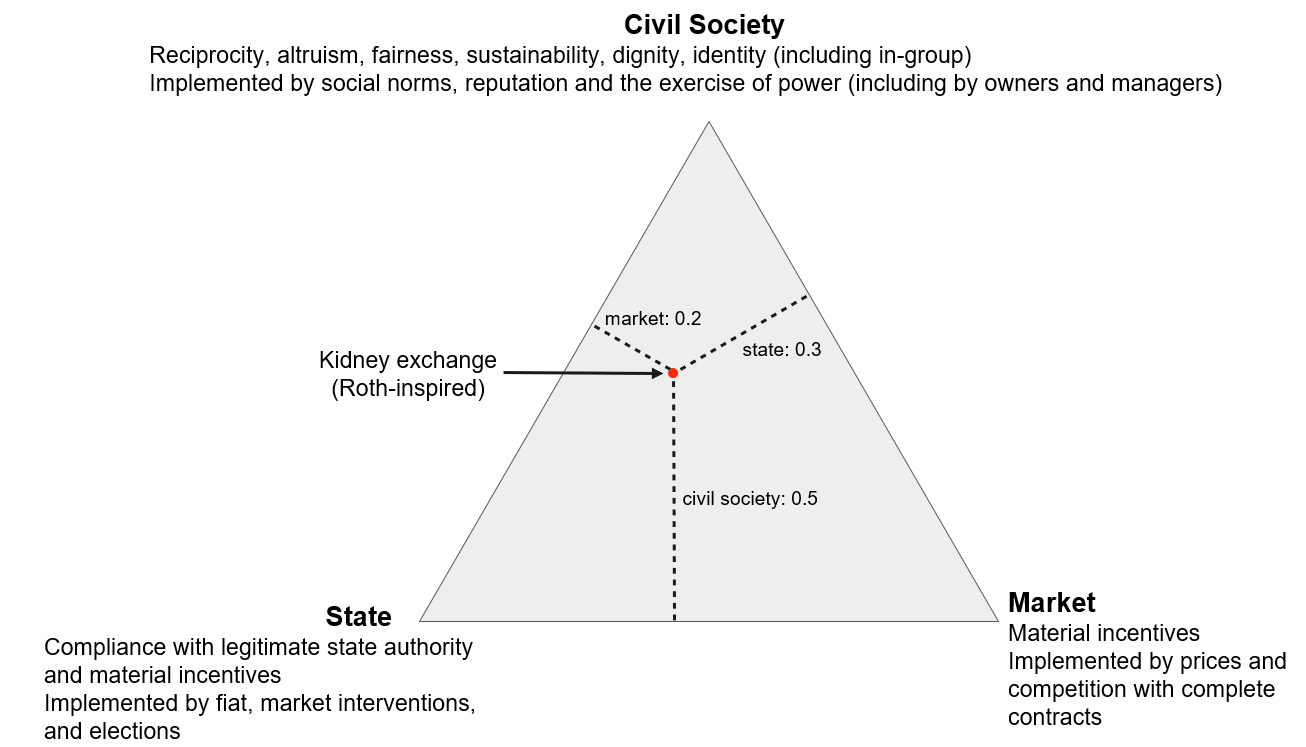
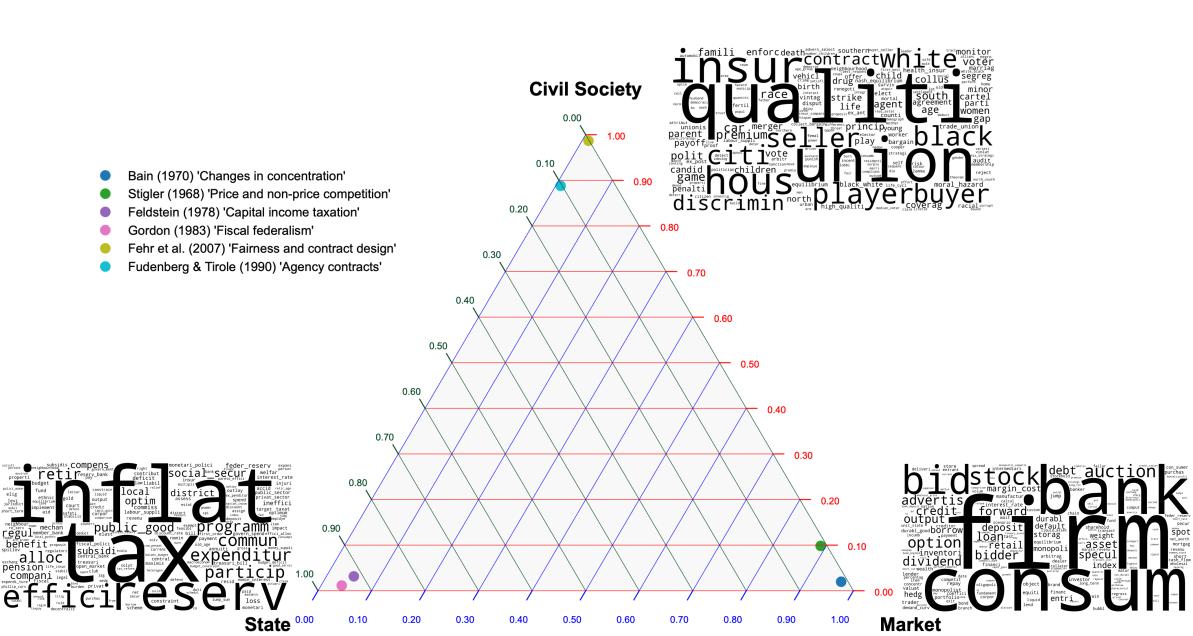
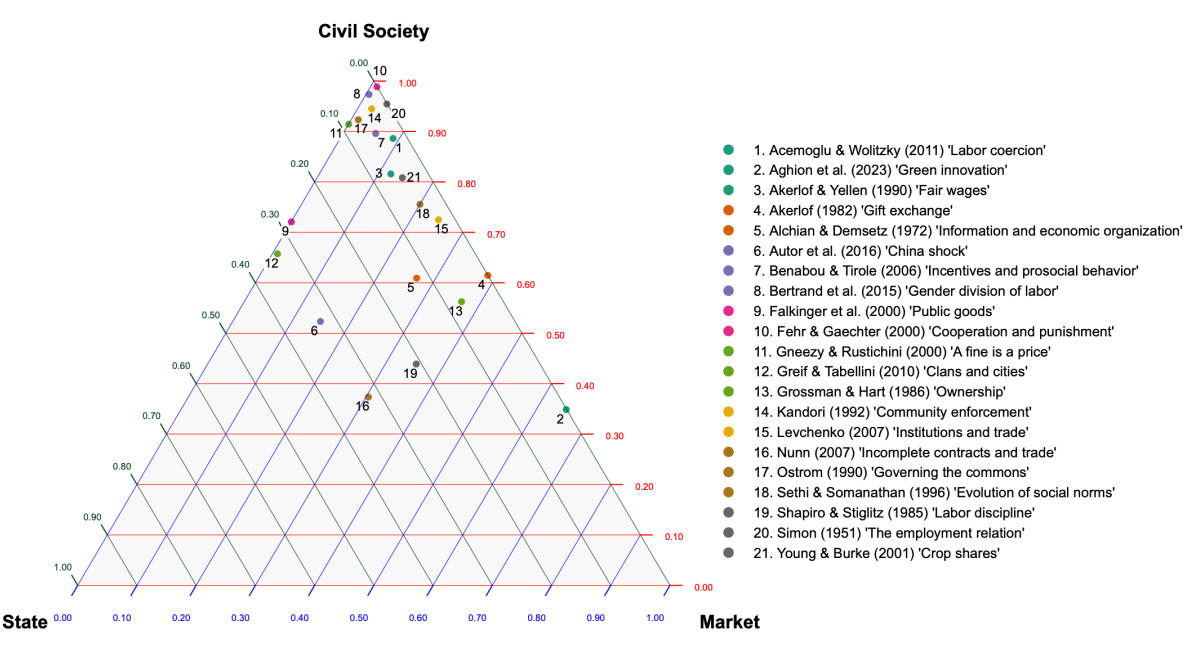
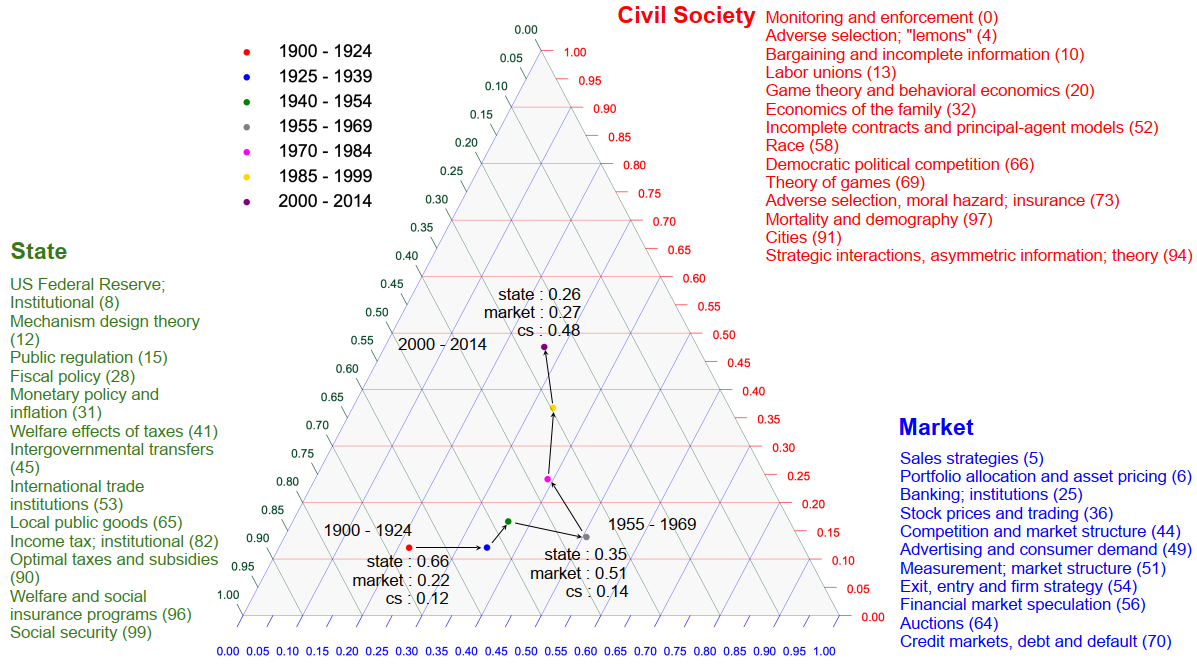
Figure 4. Research in economics turns towards civil society themes from the 1970s The numbers in parenthesis after the topic names are arbitrarily assigned and have no particular meaning. Source: Figure 5 in Bowles et al. (2025).
Among the social sciences, economics is distinctively quantitative and what is studied is affected by
new mathematical and statistical tools as well as by new sources of data. We associate the first (pre-
1970s) shift from the ‘state’ to the ‘market’ vertex in Figure 4 with the mathematical formalization of
the Marshallian paradigm and extensions to Walrasian general equilibrium theory. The subsequent
increased attention to civil society topics coincided with novel empirical methods, including the
‘credibility revolution’, experiments, and the use of large datasets, which opened the way to
addressing research questions beyond the state-market edge of the triangle. The extension of
economists’ research agendas was also facilitated by advances in game theory and the economics of
asymmetric information since the middle of the last century.
But perhaps the most important impetus for the shift was not strictly academic. Maayam Yeshoron
wrote to us in a recent email:
This was the growing centrality of applied issues in economics, fostered, among other things, by economists’ increasing role as public experts. From the early 1970s onward, leading economists became more engaged with applied fields such as health, labour, and public finance, which had received less attention in the immediate post-war era.






Economists began to grapple with types of markets — health care, labour markets, etc. — where social institutions were much more visible, due to their ethical and social dimensions. These markets did not fit easily with the traditional model… since economists were increasingly expected to provide policy-relevant analysis of these markets, they had to find ways to incorporate these forces into their formal analysis.
She concludes that “Unemployment theory would be a paradigmatic case” as suggested by Solow
(1990) and Akerlof and Yellen (1990).
Arrow’s work on health economics is also exemplary of this process (Arrow 1963a, Maayam
Yeshoron 2025b), as is the emergence of development economics as a field separate from
macroeconomics, and the proliferation of economists in public policy schools. What Backhouse and
Cherrier (2017) p. 14, 27 call the “applied turn” in economics was accelerated by US President
Lyndon Johnson’s war on poverty, which they write introduced “a new set of problems previously
thought outside the boundaries of economics, from health to education, international relations,
political behavior and law, family, marriage, crime, discrimination, prostitution, and drug dealing.”
This “effective connection with real problems” was actively promoted by the Ford Foundation,
which over the period 1950-1968 invested about a billion U.S. dollars (in 2025 prices) to transform
economics in the face of the Cold War challenge of communism. In addition to Arrow’s paper
mentioned above and Hurwicz’s work, the Ford program funded the Cowles Foundation at Yale
University, the annual report of which, in 1951 wrote that “To determine the best economic
organization … is to study the central problem of our time.” (Maayam Yeshoron 2025a)
The founding document of the Ford Foundation in 1949 was substantially focused on how
improvements in economics could counter the mounting “tide of communism .. in Asia and
Europe…”: “The ability of free peoples of the world to resist totalitarianism … lies in their
continuous achievement towards democratic goals.” (Gaither 1949) p.26. Its primary author wrote
privately to the president of the foundation that "fundamental elements of the ideological appeal …
of communism are economic.” (Leonard 1989) p. 5)
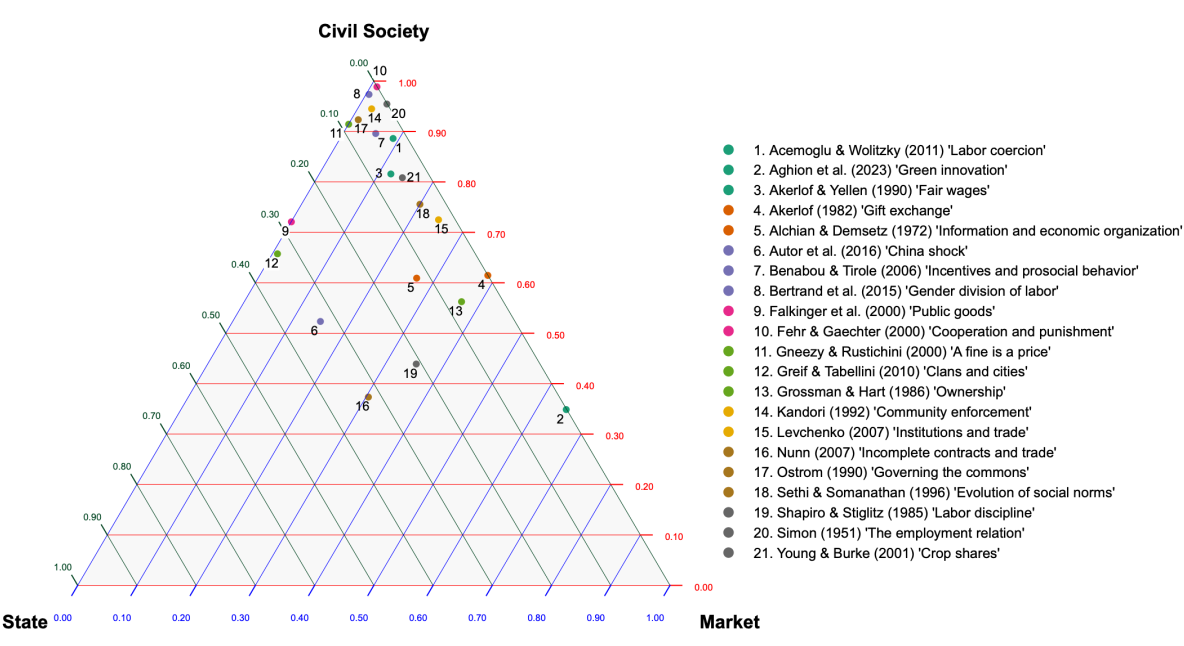
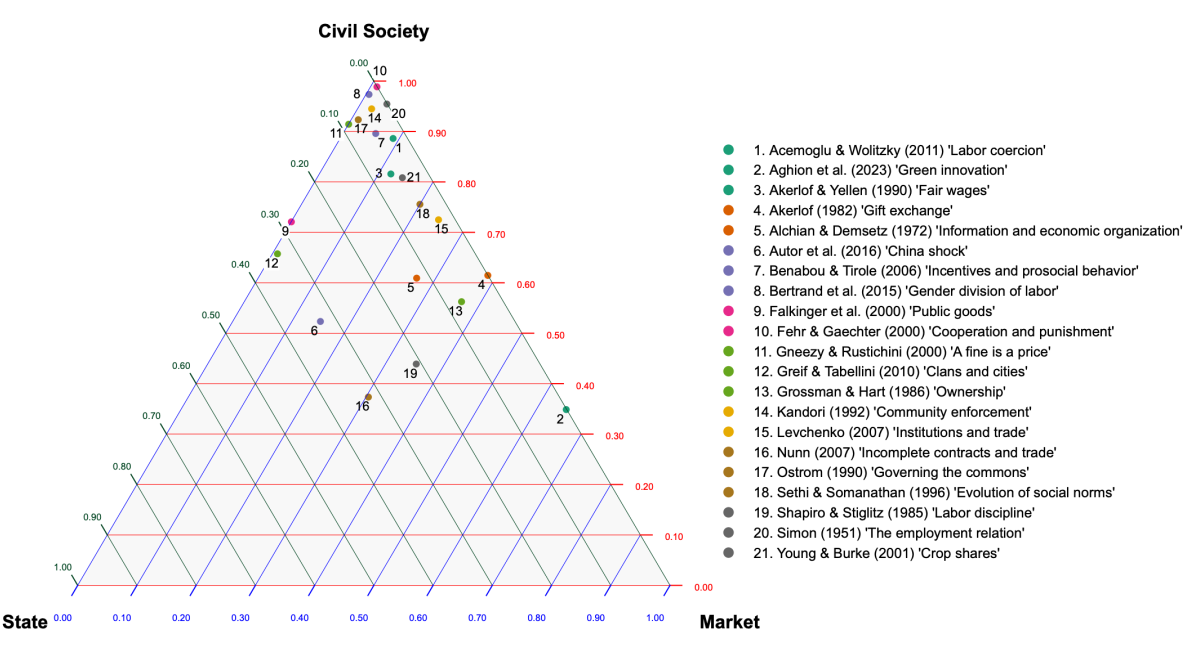
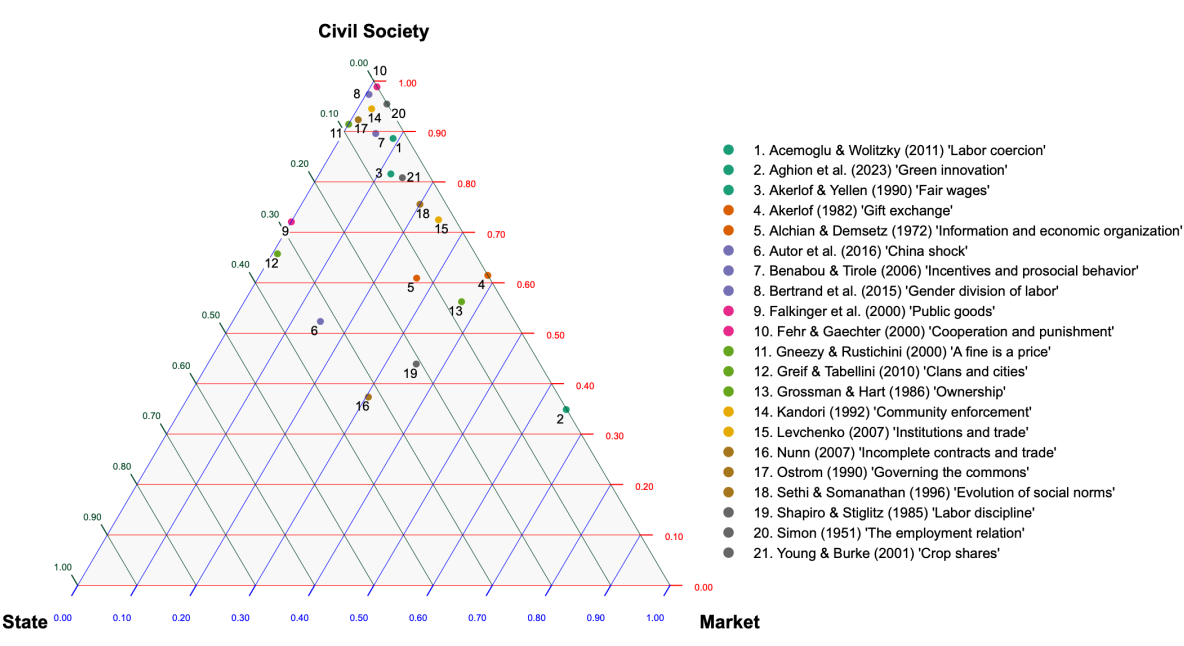
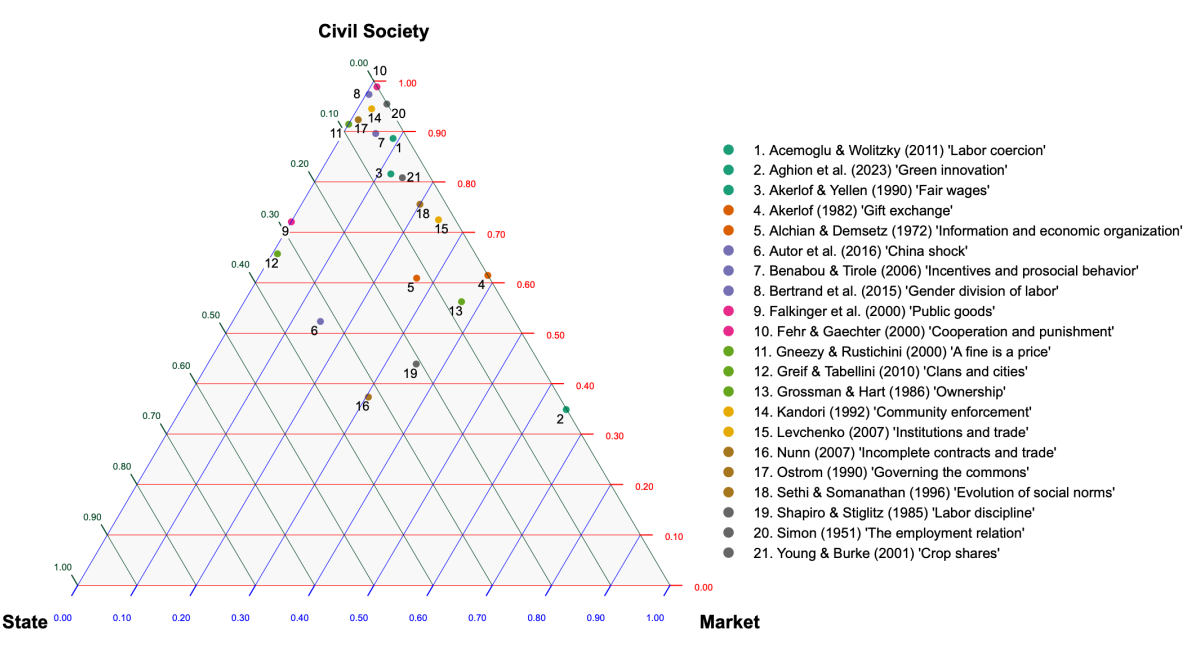
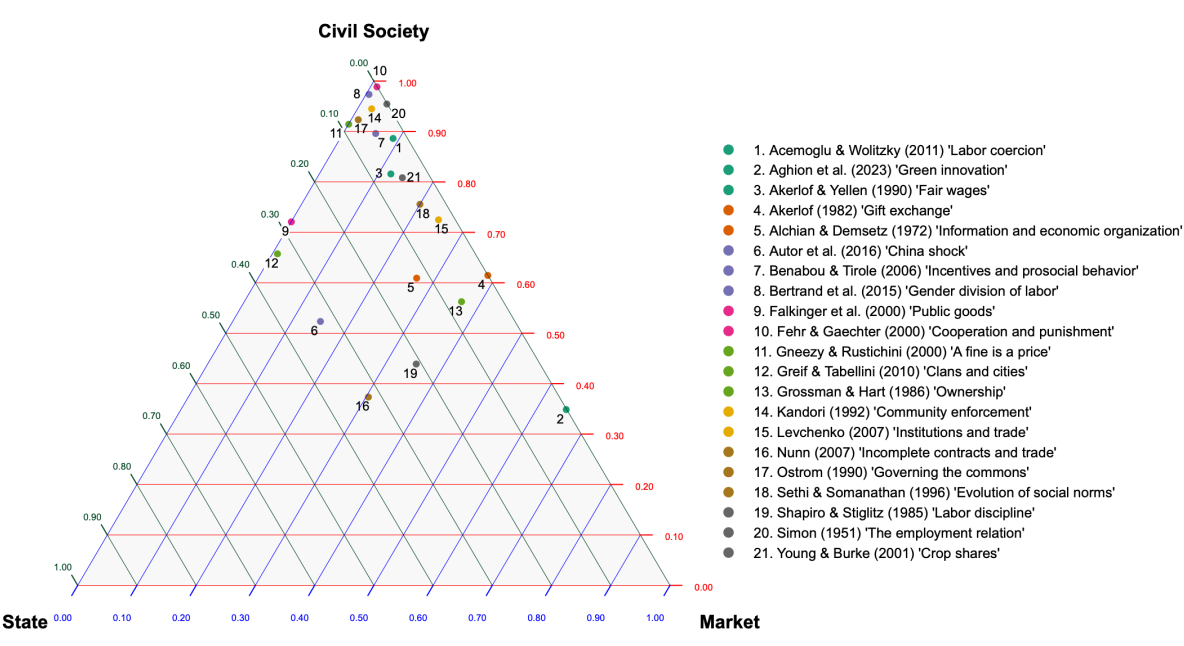
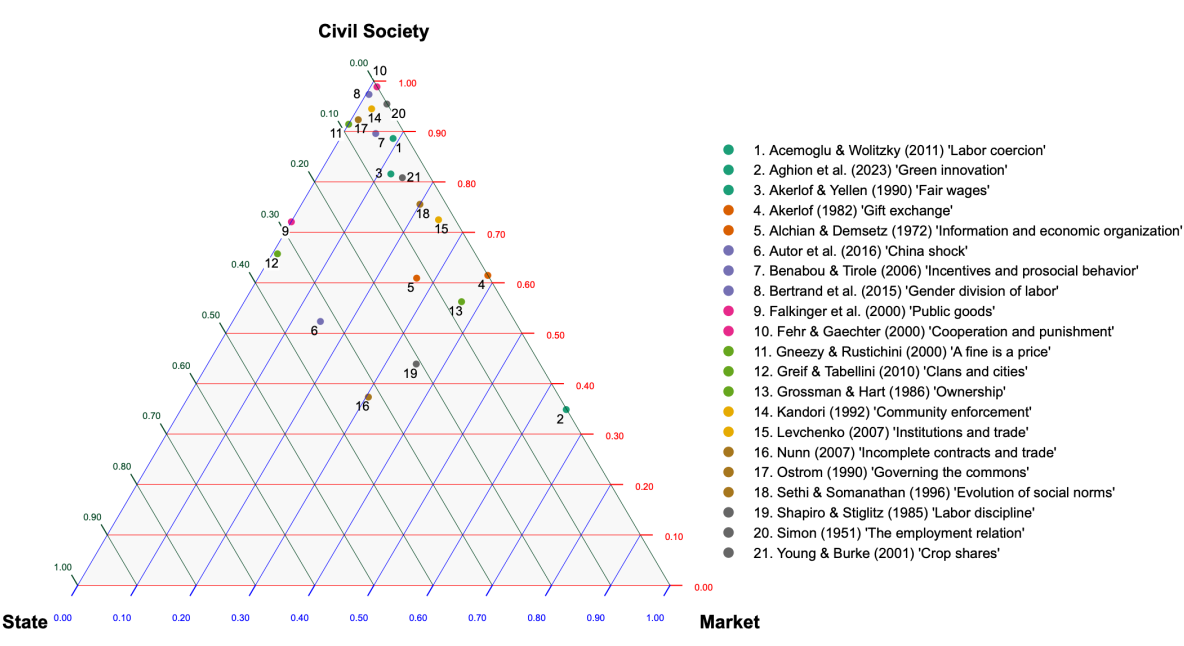
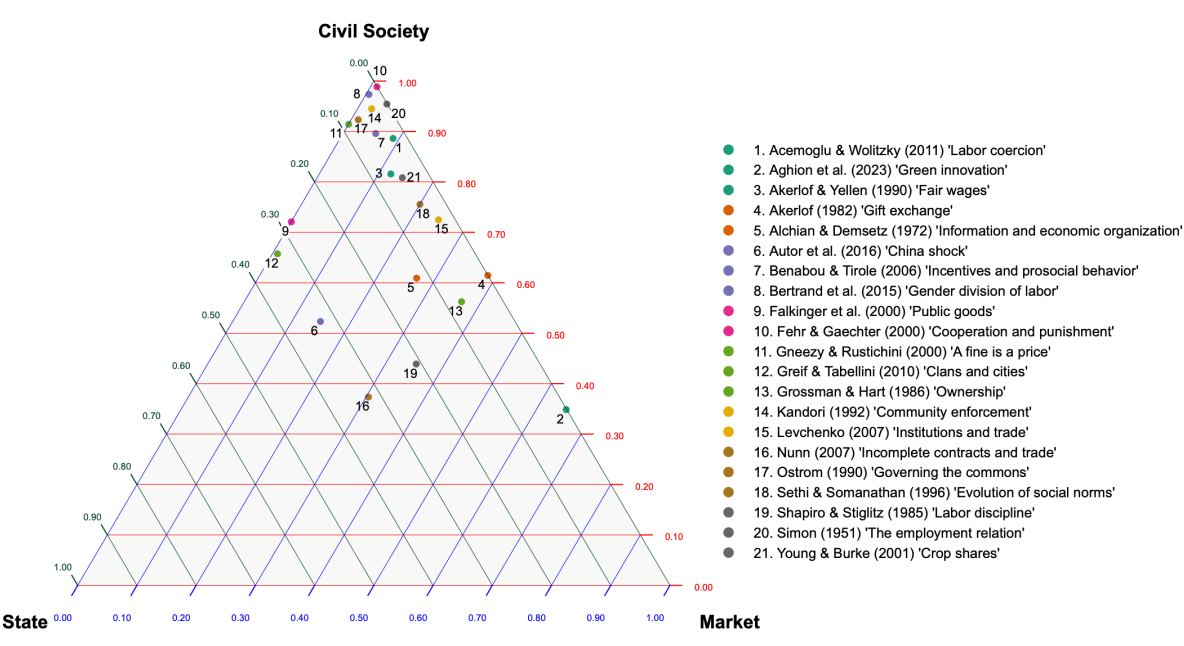
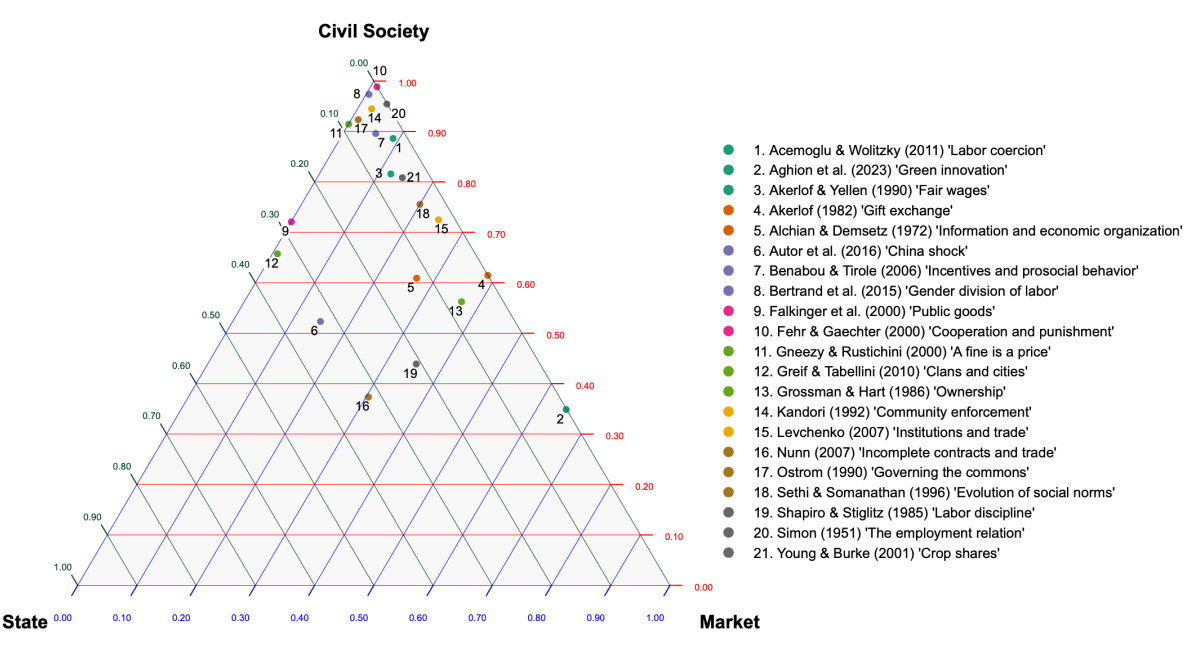
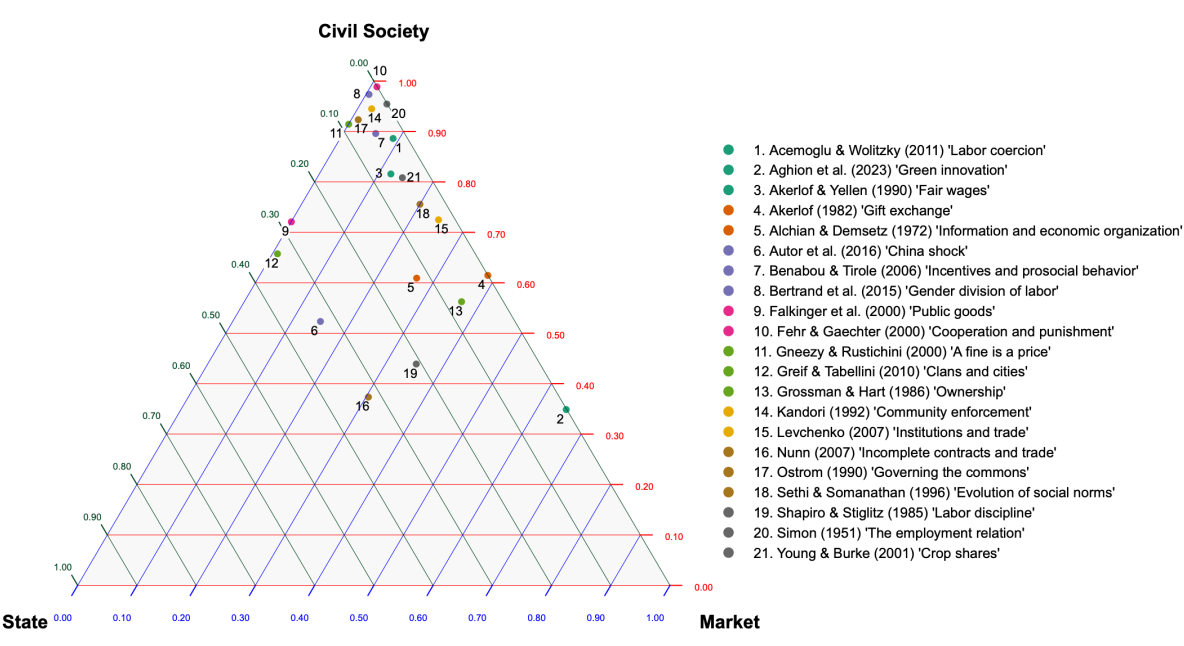
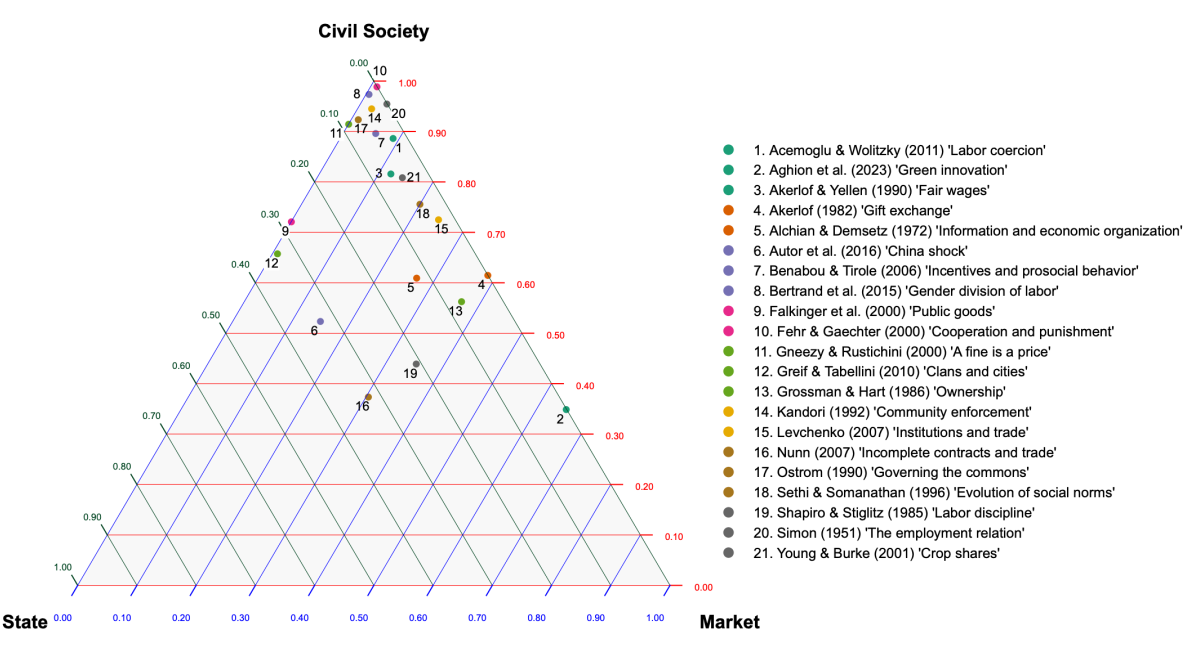
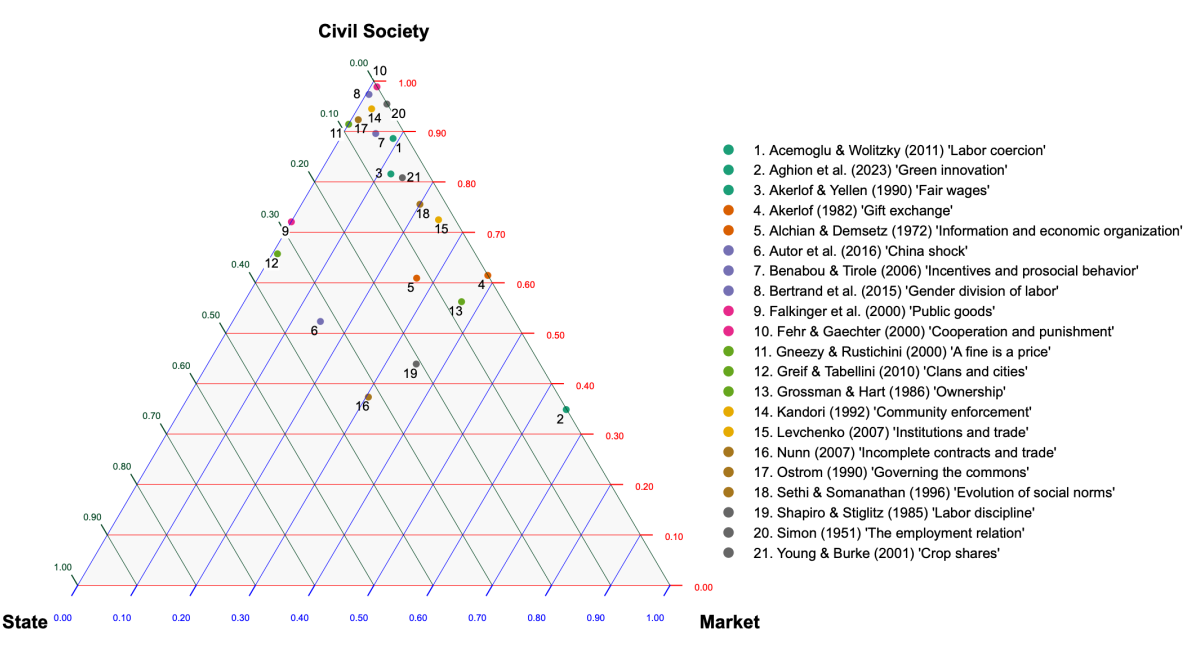
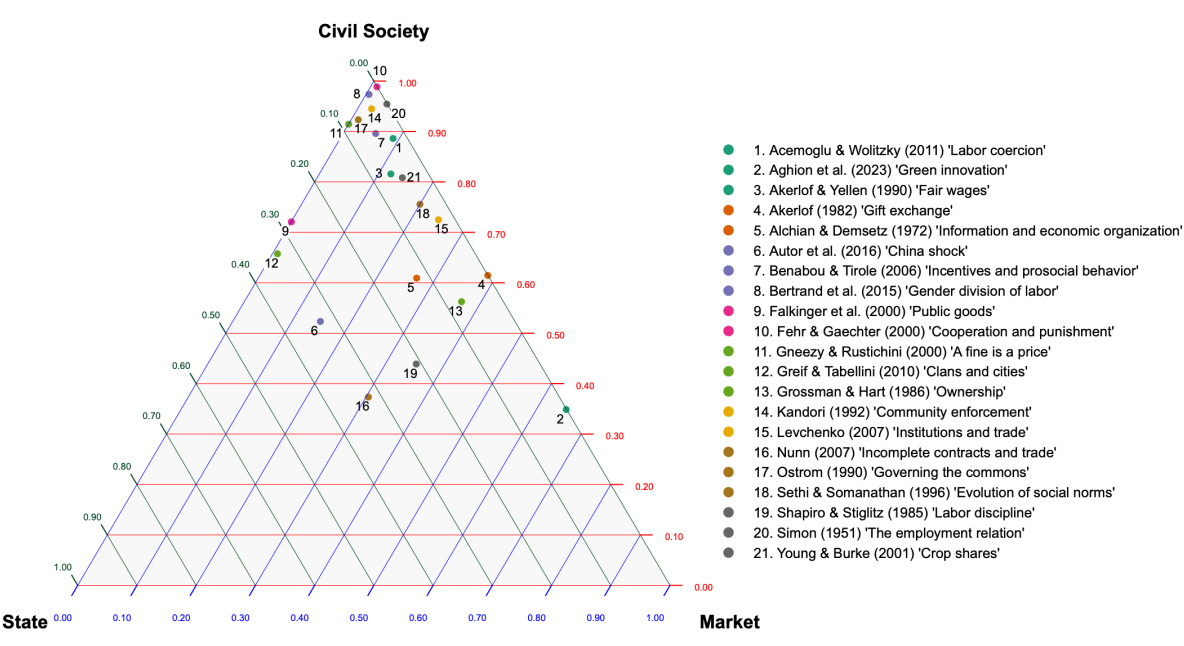
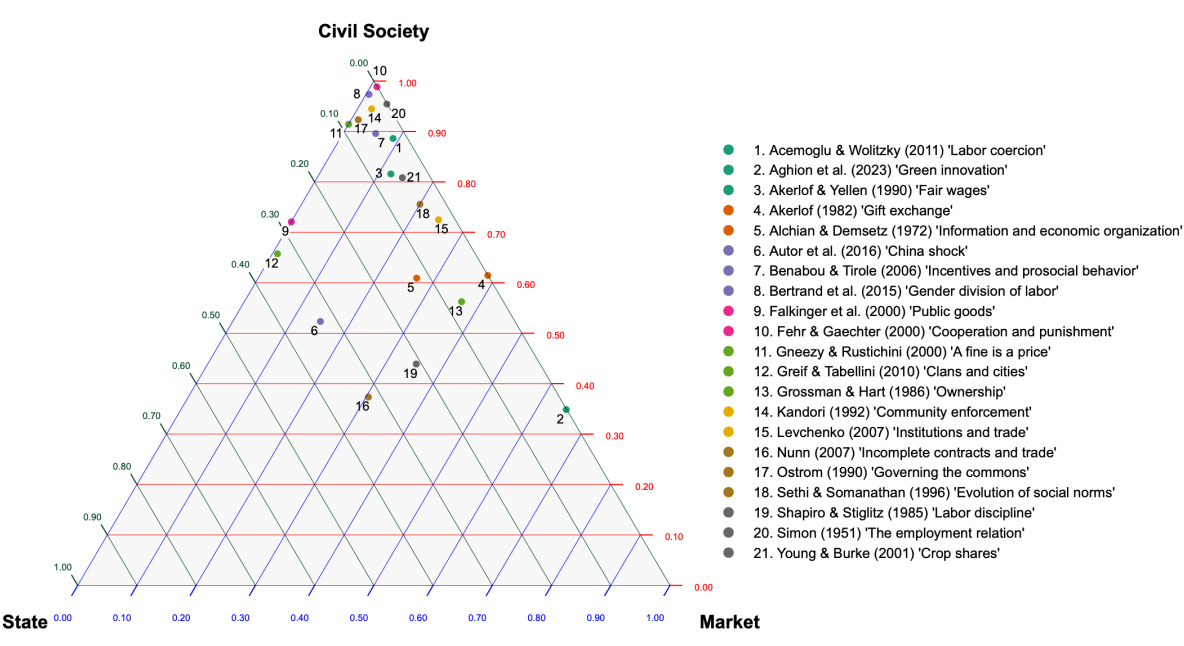
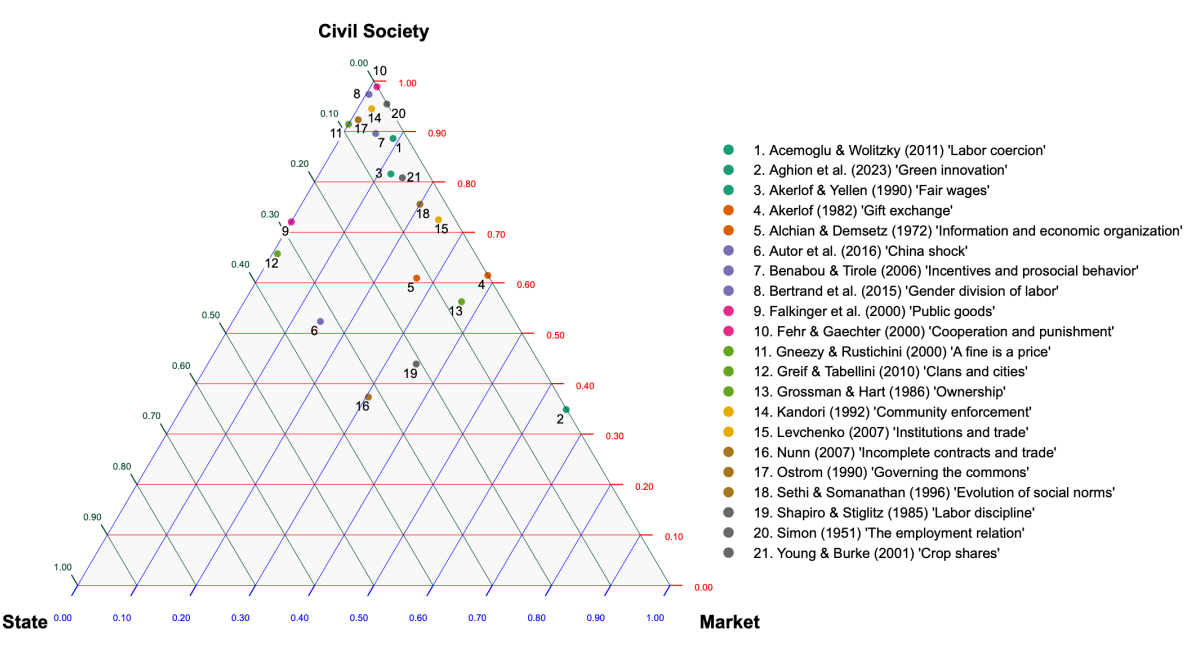
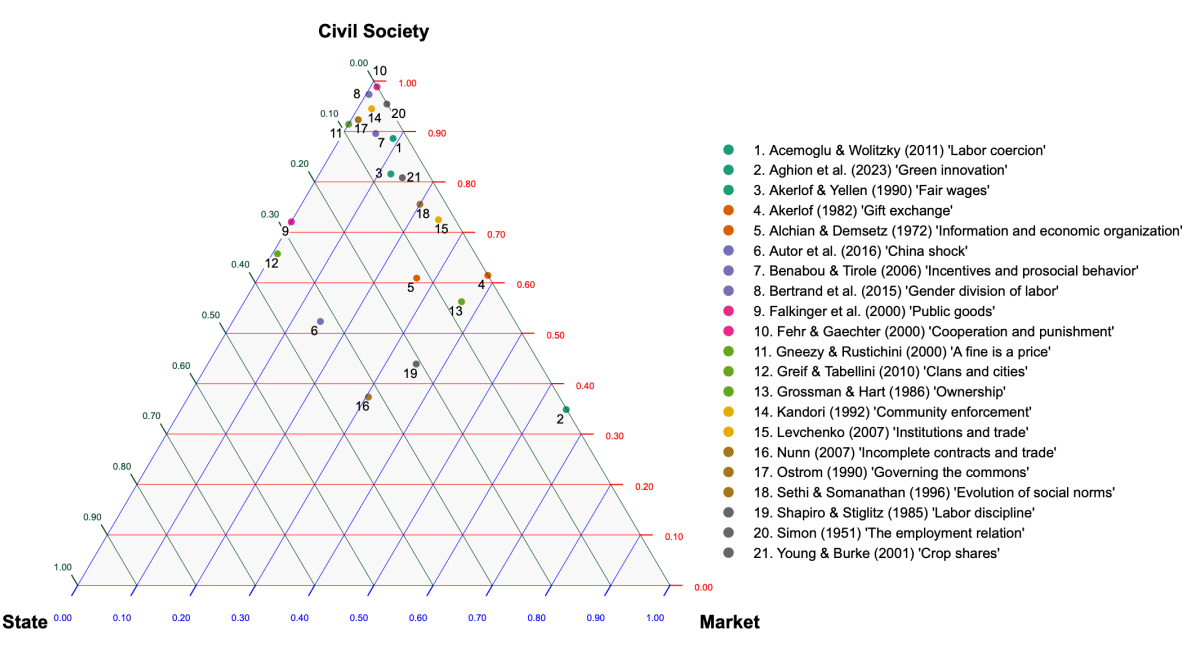
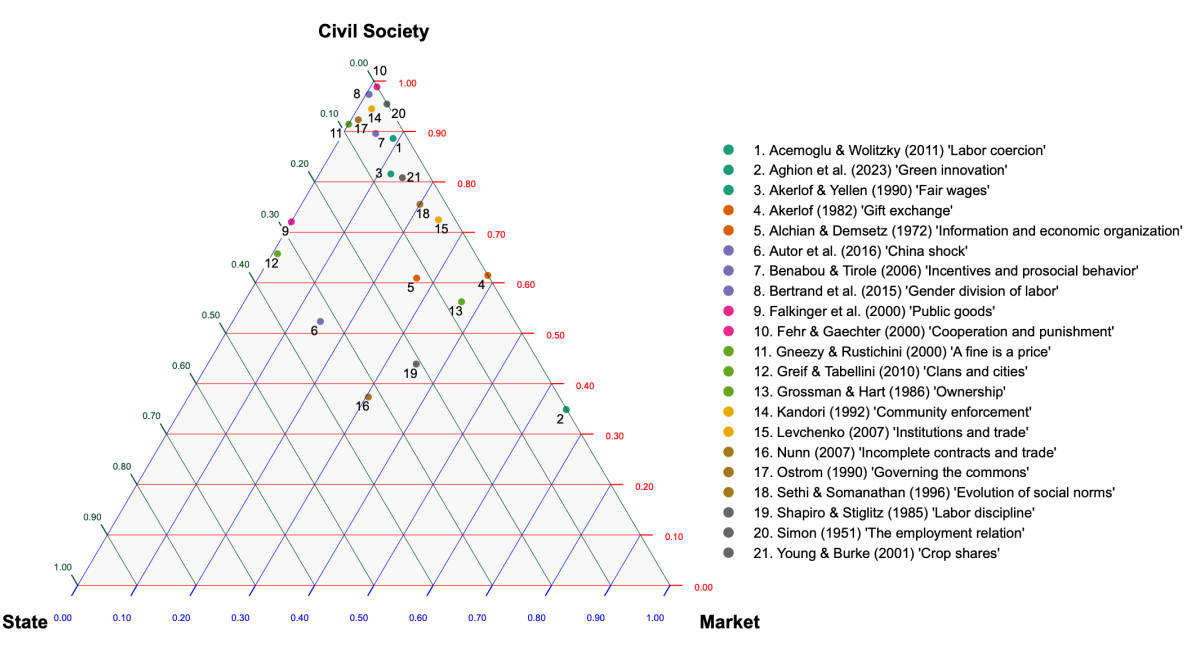
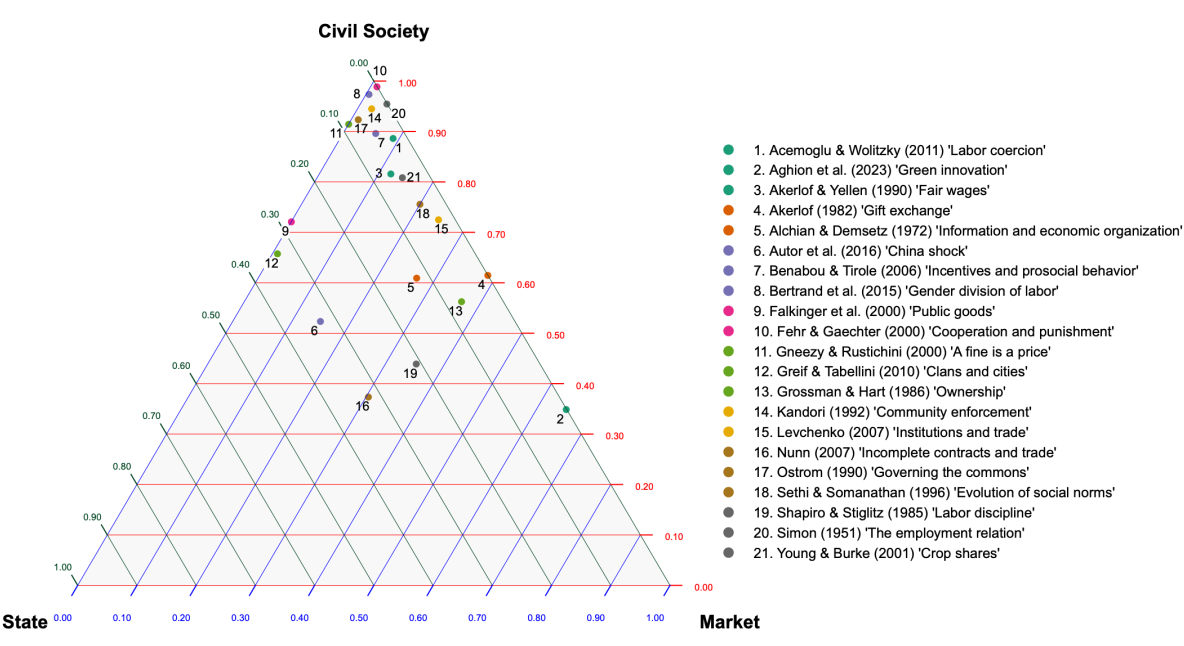
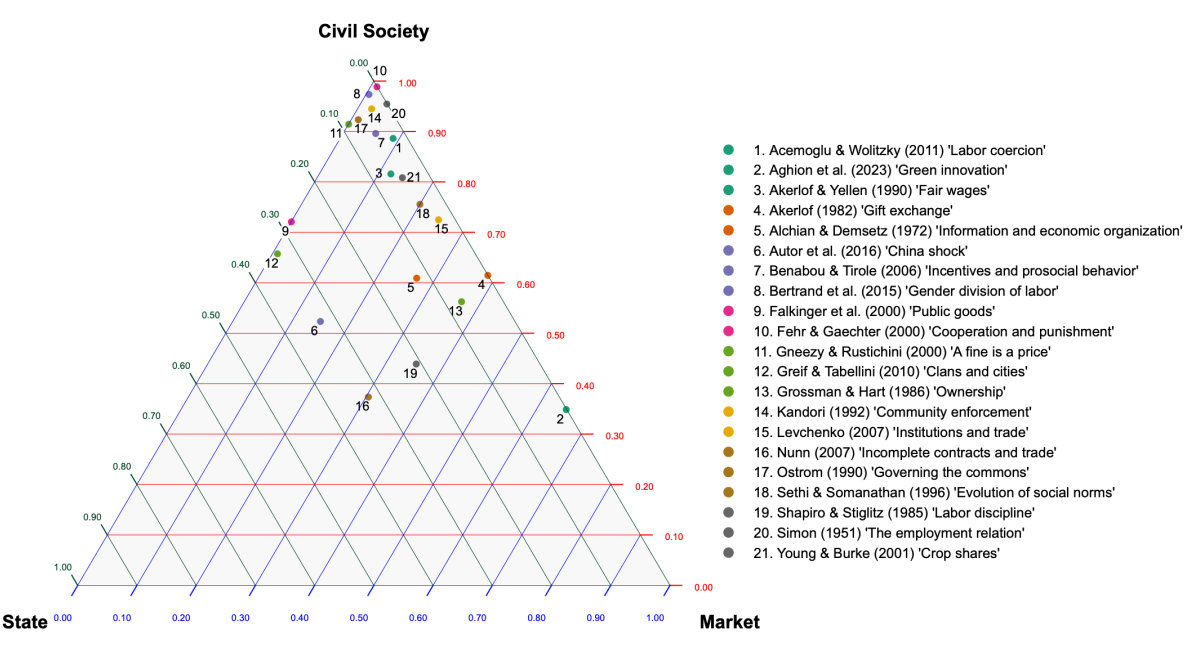
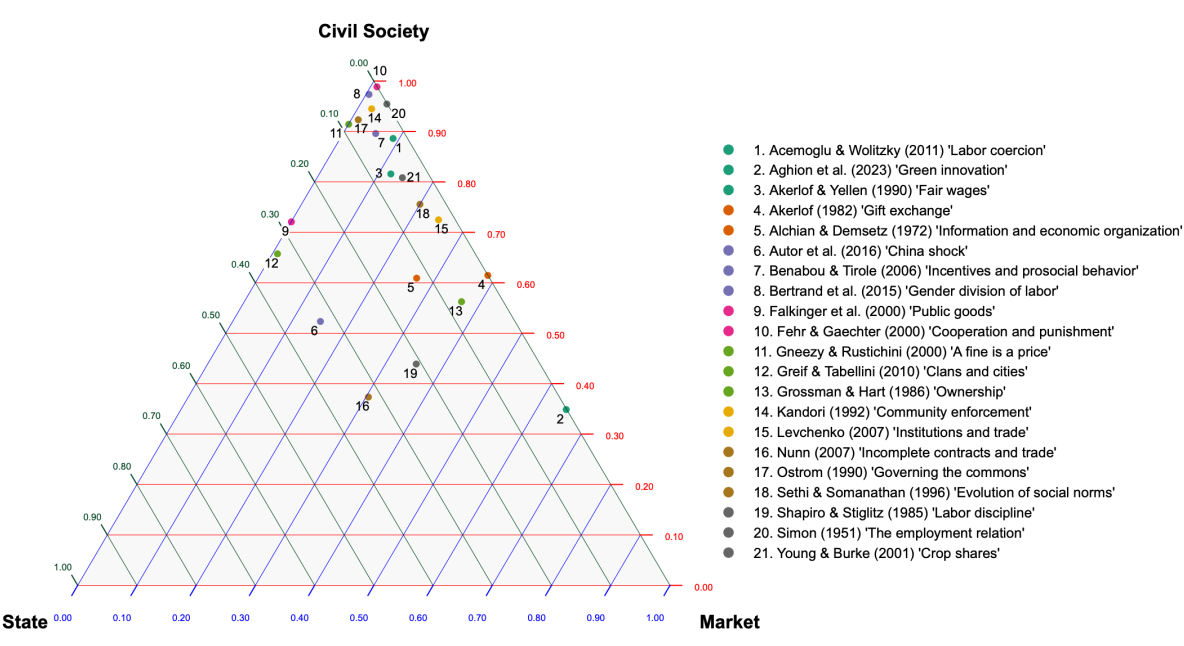
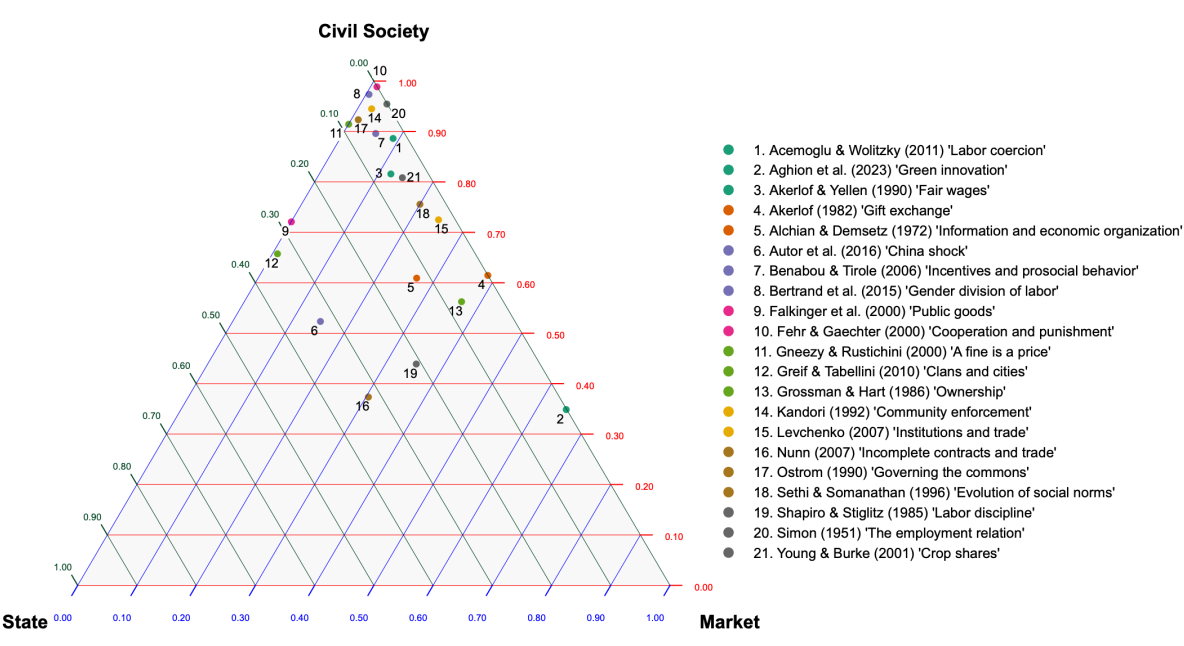
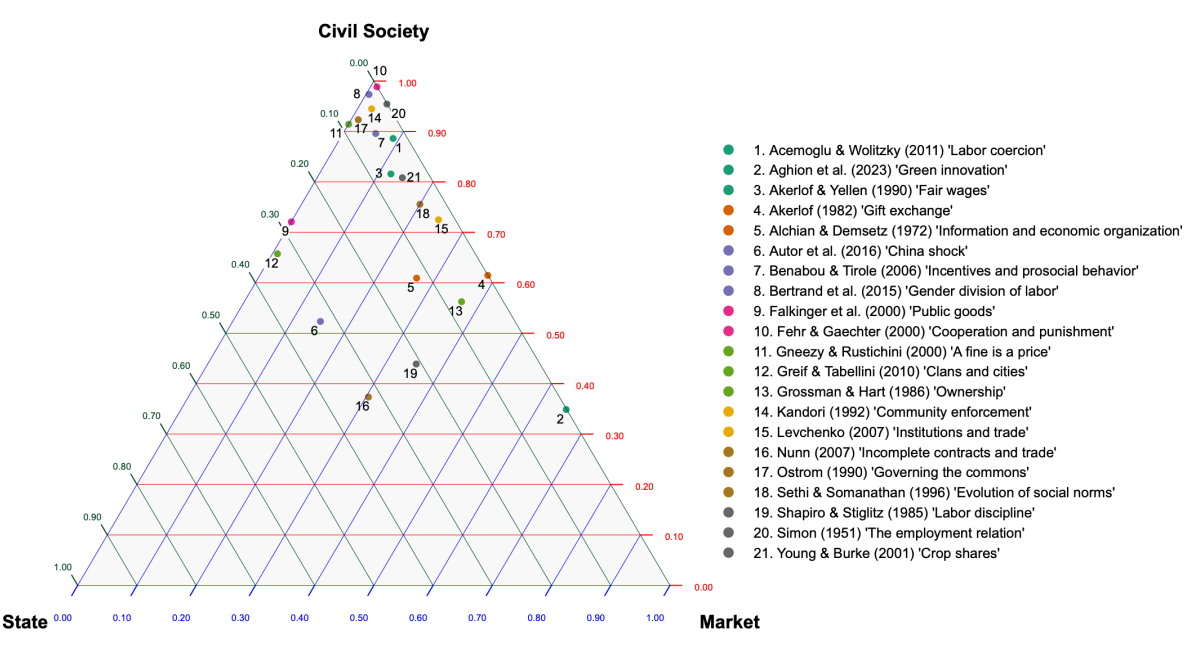
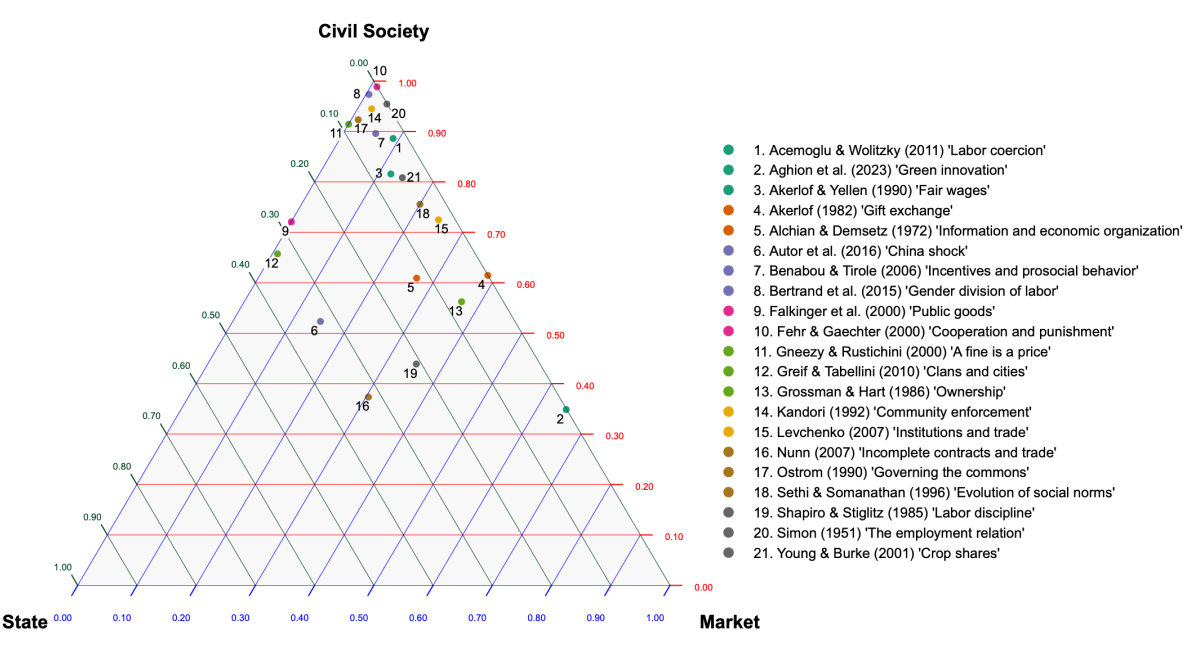
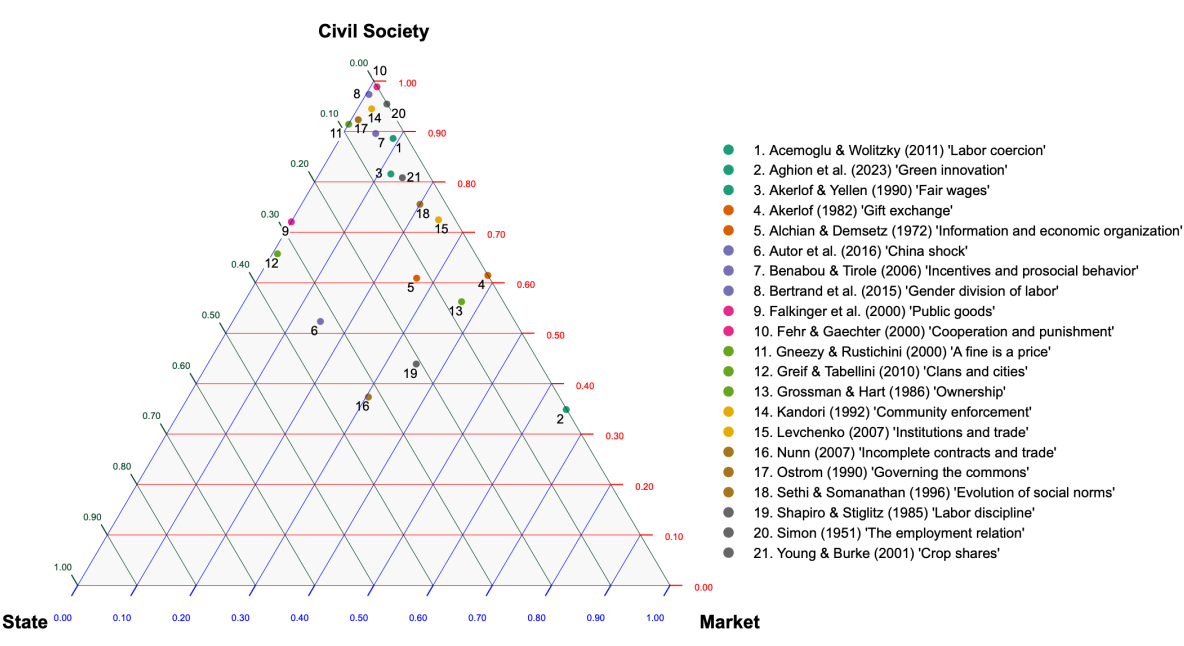
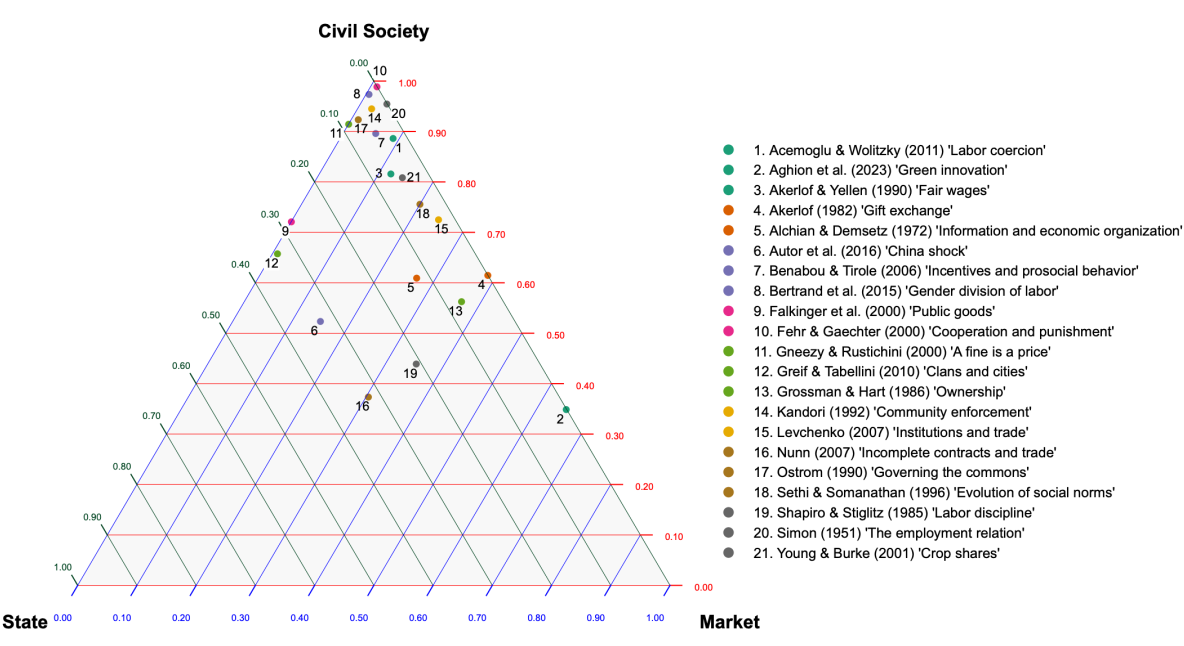
We now return to the five papers discussed in the introduction and locate each in the governance
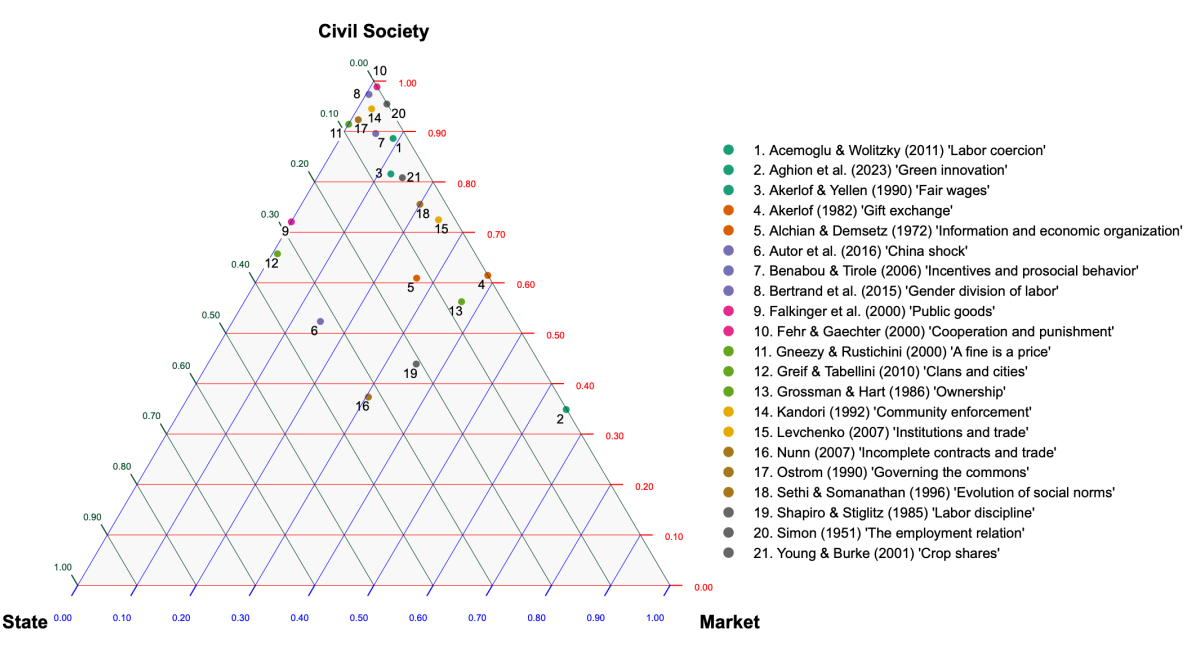
triangle by processing the texts using the methods described above. As expected, Figure 5 shows
Bertrand et al., Ostrom, and Young and Burke are close to the civil society vertex. Autor et al.’s
analysis of the China shock is closer to civil society than to either the state or market vertices. And
the Aghion et al. analysis of green innovation is very close to the civil society – market edge.






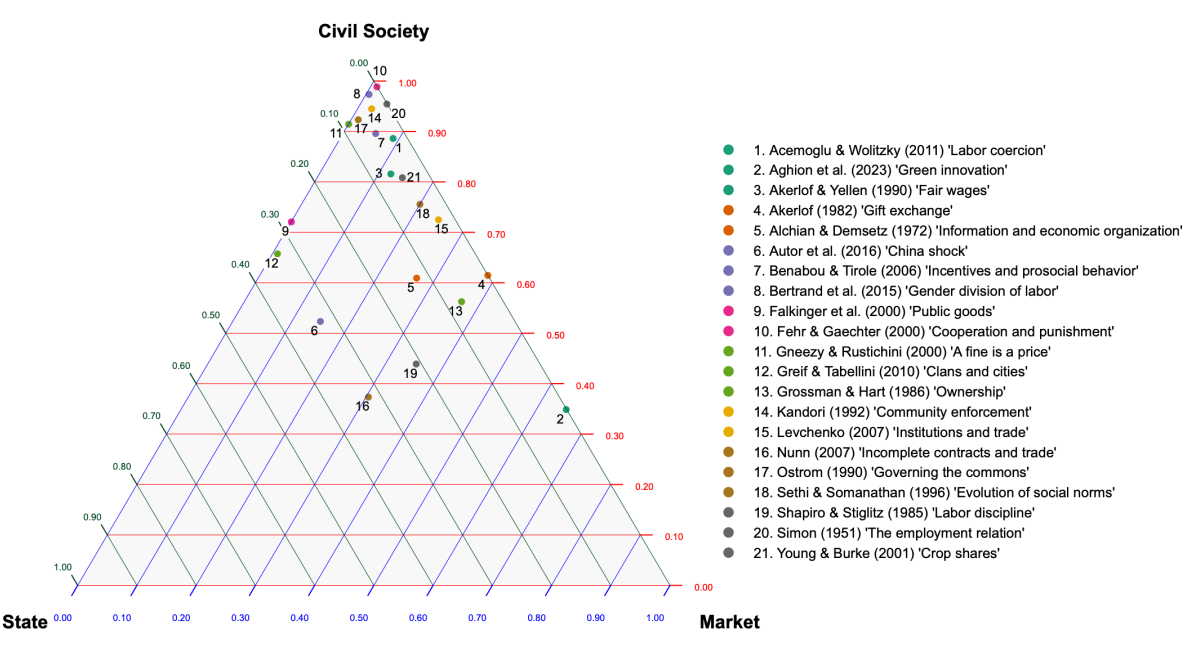
We also locate in Figure 5 some papers that represent the emerging focus on civil society topics
including the contributions of Simon (1951), Akerlof and Yellen (1990), Alchian and Demsetz
(1972), and Shapiro and Stiglitz (1984) on employment, the labor market, and the organization of the
firm, Acemoglu and Wolitzky (2011) on coerced labor, Kandori (1992) on community enforcement
of norms, Nunn (2007) and Levchenko (2007) on the new international trade theory, and the
contribution by Greif and Tabellini (2010) to the revival of economic history as a mainstream focus
of economic research. The turn of the corpus of economic research toward civil society themes
evident in Figure 4 along with the presence in Figure 5 of many highly cited papers makes it clear
that we are here placing a name on an already vibrant field of study by economists.
4. OTHER PEOPLE’S MONEY AND OTHER PEOPLE’S LABOR: A PRINCIPAL-AGENT
MODEL
Many illustrations of the workings of civil society in the social sciences come from the sociological
literature. But neither Arrow nor Schumpeter, whom we quoted earlier, was advocating an expansion
of the scope of economics into the terrain of sociology, political science, or psychology. Both were
referring to the workings of a private firm, in which managers allocate (as Adam Smith (1976
[1776]) put it) “other people’s money” as well as other people’s labor. Recognizing that the
relationship between employers and workers differs from that between buyers and sellers of ordinary
commodities goes back at least to Ronald Coase, who defined the firm by its political structure,
asking his readers to “note the character of the contract” governing employment: the worker “for
certain remuneration agrees to obey the directions of the entrepreneur …the distinguishing mark of
the firm is the supersession of the price mechanism.” (Coase 1937) p.389 (Coase may have been
familiar with a very similar formulation by Marx, who wrote that “only by misuse could [the
relationship between the employer and their employee] be called any kind of exchange at all.” (Marx
1973), p. 275)






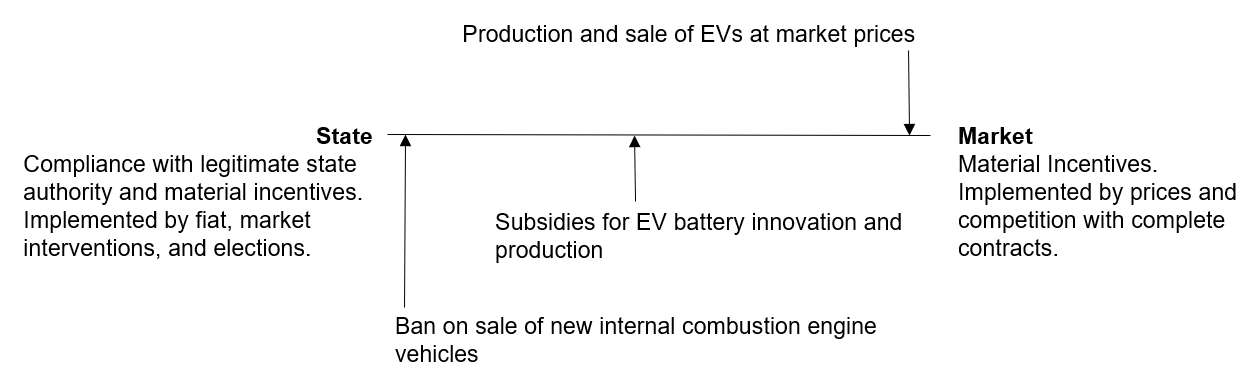
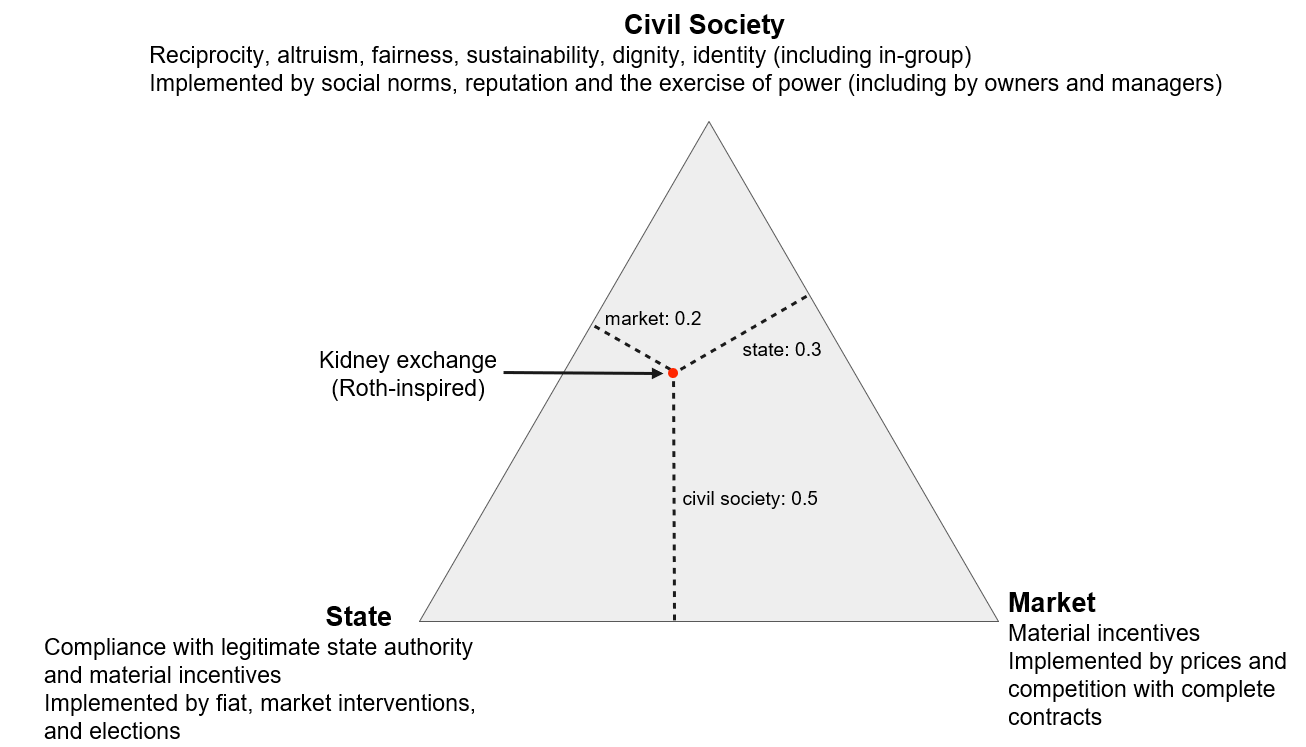
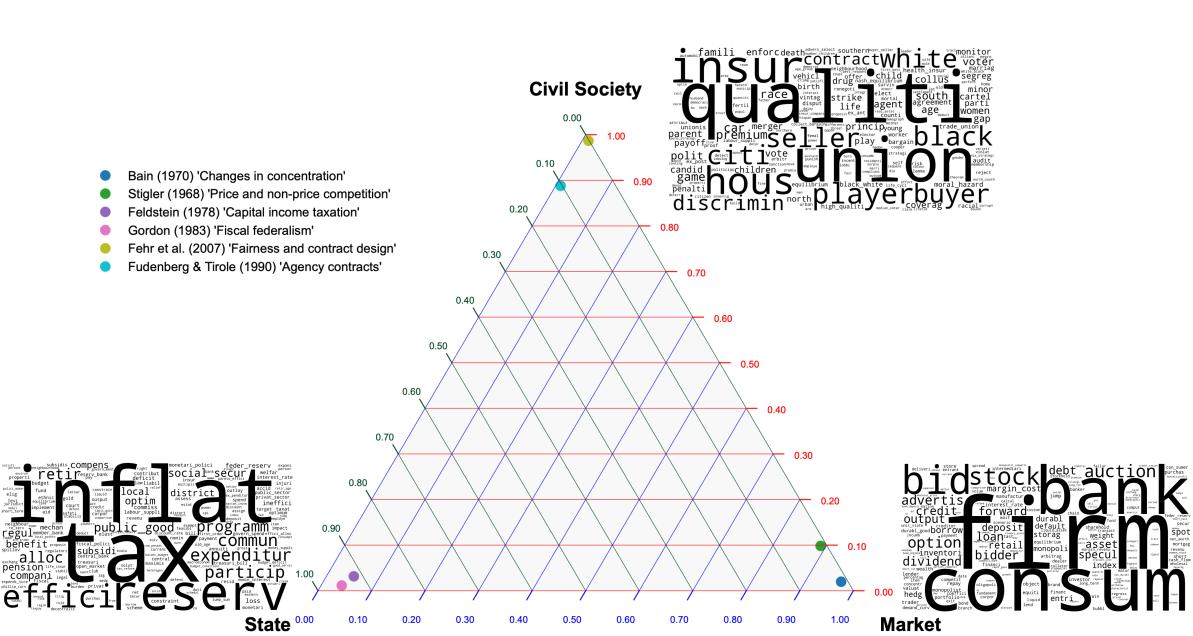
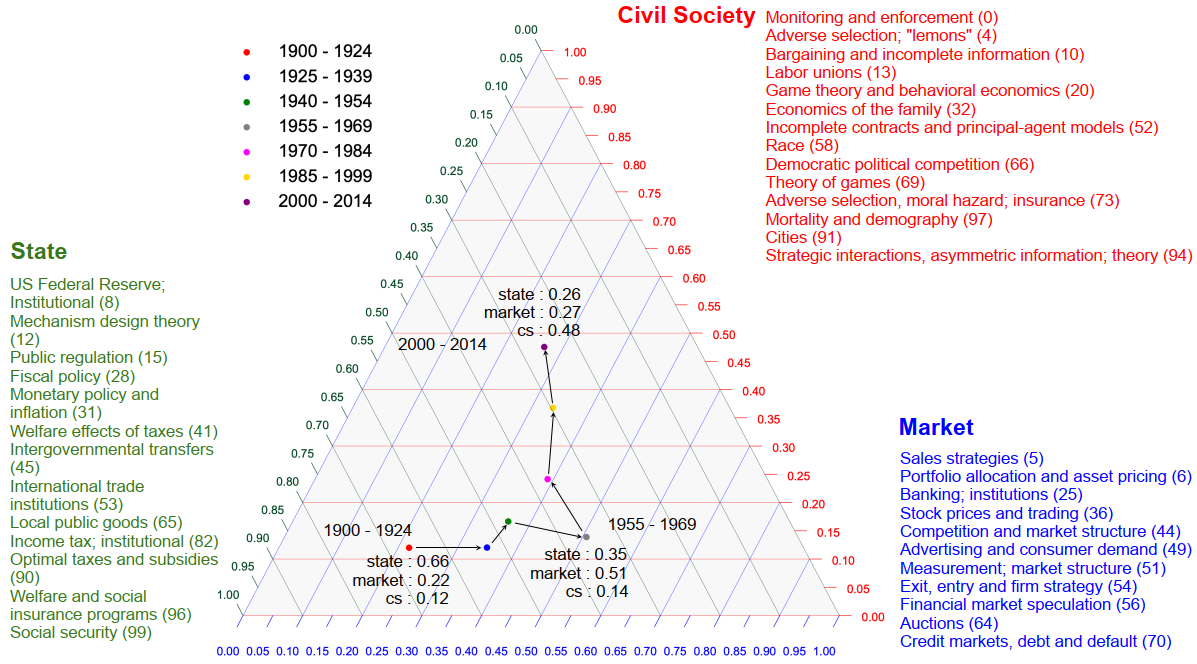
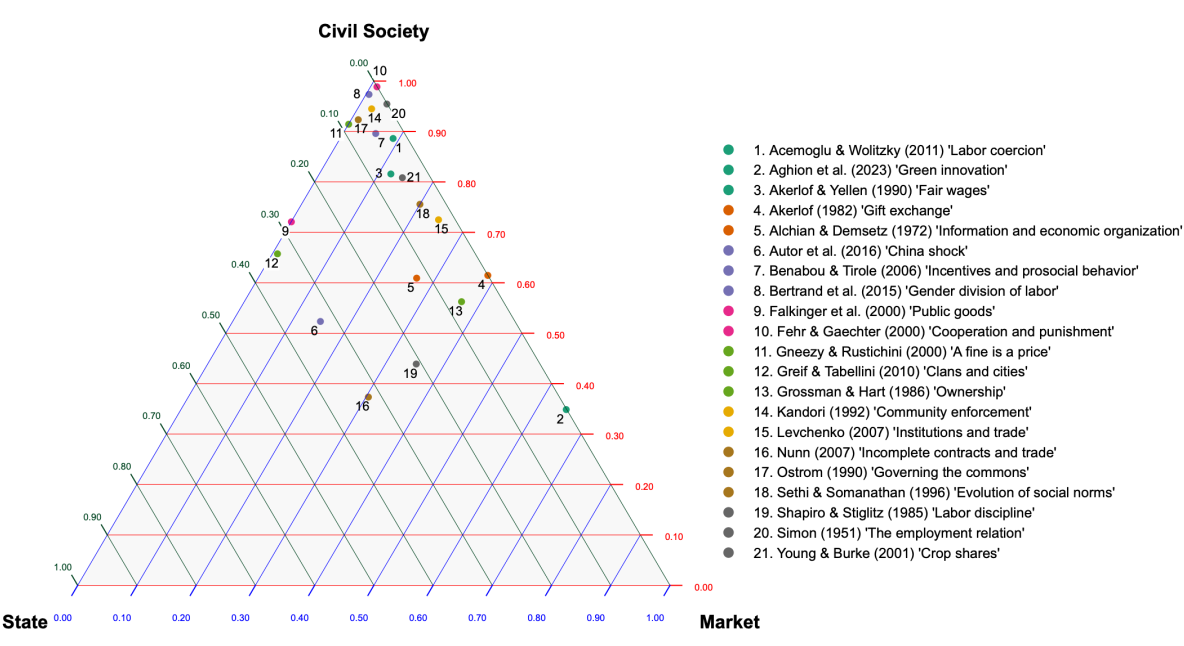
Figure 5. Location of papers in the governance triangle The papers in the figure are those referred to in the introduction and others exemplifying the shift in the focus of economics research towards civil society themes.
In the years since Arrow urged an expanded view of collective action and individual motivation,
principal-agent models of employment in firms and between owners and managers have clarified the
characteristics of these and other relationships that are not well described as market or state
interactions (Alchian & Demsetz 1972, Bowles 1985, Hart 1995, Shapiro & Stiglitz 1984, Solow
1990, Stiglitz 1987). The distinctiveness of the firm’s organization was further underlined in the
analysis of private “hierarchies and markets” by Oliver Williamson and others modeling transactions
costs (Grossman & Hart , Williamson 1975, Williamson 1985).
The characteristic of a principal-agent problem is that there is something – how hard the worker
works for example – about which the interests of the principal and agent conflict and that is not
subject to a complete contract enforceable by the principal at zero (or minor) cost. In a standard
variant of this model, the principal as first mover is assumed to know the workers’ best effort
response to the employer’s labor discipline strategy constituted by i) a wage rate, ii) a level of
monitoring, and iii) an employment termination schedule whereby the renewal of the employment is
conditional on the level of work effort provided by the employee. The employer then sets these three
elements in the labor discipline strategy.






In response the employee varies their effort level to maximize the present value of their expected
future utility, taking account of how their choice affects their disutility of effort and the termination
probability. The employee’s response to the employer’s labor discipline strategy determines the cost
of effort to the firm, considering which the employer selects the level of employment that maximizes
profits, setting the marginal revenue product of effort equal to the cost of effort. (The model we
present here is from Bowles (1985) in which workers set their own effort level taking account of the
employer’s labor discipline strategy; the model of Shapiro and Stiglitz (1984) in which employers
set a given no-shirking effort level to which workers comply or not, yields similar results. See
Bowles (2004) for a full description of the model and the results in the bulleted list below.)
The key ideas of this model – endogenous effort, the threat of terminating the worker’s rent as what
Shapiro and Stiglitz called a “worker discipline device,” and the importance of fairness and work
norms – are consistent with econometric evidence on the effect of the sharp increase in
unemployment on worker effort during the Global Financial Crisis (Lazear et al 2016), the
productivity slowdown during the late 1960s (Bowles et al 1983), the effect of an exogenous
increase in the firm’s starting wage on productivity and separations (Emanuel and Harrington 2020),
the effect of minimum wage increases on worker productivity (Coviello et al 2022), and the effect of
variations in the economy-wide level of employment on the wages set by firms (Blanchflower &
Oswald 1994, Bowles 1991).
In principal agent models of employment fairness norms are a determinant of the employer’s profit
maximizing wage because their violation raises the marginal disutility of effort. Employers thus have
an interest in conforming to or weakening fairness norms. The worker receives an employment rent:
the present value of their future utility is greater retaining the job than losing it (given their
reservation option). These rents can be considerable, in the U.S. on the order of a year’s wages in
monetary terms alone, meaning that total workers’ employment rents exceed corporate profits by a
substantial margin (Farber 2005, Jacobson et al 1993). Estimates of subjective well-being show that
the psychological and social cost of job loss goes substantially beyond the associated income losses
(Blanchflower & Oswald 2004).
This model of the employment relationship shows that the incomplete contract alone (without
inclusion of other information problems in the labor market for example, or of more realistic
sociological or psychological aspects of work and collective action) is sufficient to distance the






results from the conventional market model in which rents are competed away and markets clear in
equilibrium.
These outcomes constitute a Nash equilibrium because they are determined by the first order
conditions for profit maximization and utility maximization by the employer and the worker
respectively. They are also robust to an identical unemployed worker’s offer to the employer to work
as hard for a lower wage: the employer would not accept the offer, knowing that a lower wage would
result in an increase in the cost of a unit of effort. In this model there are no barriers to entry by other
firms or alternative ex ante identical workers, and none of the “sticky wages” or other ad hoc
frictions that are sometimes invoked by adherents of the conventional model of the labor markets
with complete contracts to explain the fact that empirically the labor market typically does not clear.
The example of the employment relationship resembles other principal-agent interactions arising
from incomplete contracts, such as between owners of firms and managers, lenders and borrowers,
and subcontractors supplying a good or service of difficult to verify quality. We use it to illustrate
distinctive elements of economic interactions and outcomes in civil society.
• The private exercise of power even in a setting where a large set of potential actors play non-
cooperatively with no (or very limited) barriers to entry. Recall that by the exercise of power,
we mean the threat of sanctions to advance one’s interests. The relationship between
principal and agent entails the exercise of power in the sense that the de facto terms of the
exchange are altered in favor of the principal by the threatened imposition of sanctions
(namely termination of the transaction and the worker’s rents by the principal). Termination
is costly to the agent because, to induce hard work, the principal offers the employee a deal
better than their next best alternative – as long as the transaction persists. The inability of the
worker to walk away without significant cost means that there is no compensating differential
that perfectly recompenses the marginal worker for those conditions (Green 2025). Notice
also that unless possessing some special skill or other attribute valuable to the principal, the
agent (the worker) typically cannot credibly exercise power over the principal by threatening
to quit unless they are paid more, for example.
• Abuse of this power may be costless to the principal. The employer sets the conditions under
which the employee works and does so in a way that maximizes profits. It follows that
employers can inflict harm on employees (for example by exposing them to sexual
harassment, racial insults, or hazardous materials) with little or no cost to themselves. This






result follows from the envelope theorem. The intuitive version is as follows. The top of a
hill (the profit surface) is flat (if it is not flat it cannot be the top.) So if the owner has set
working conditions to maximize profits, moving a sufficiently small distance away from the
top (variations in the conditions of work, including the above-mentioned harms to the
worker) has virtually no effect on the altitude (the firm’s profits).
• Social norms are essential to realizing mutually beneficial transactions. The limited
information available to employers along with liberal restrictions on the kinds of punishment
they can impose means that this exercise of power by principals in eliciting effort is limited.
As a result, social norms – such as a work ethic, fairness norms, a sense of reciprocity, or a
commitment to truth telling – are essential to the functioning of labor (and other) markets,
where contracts are incomplete.
• Preferences, including social norms, are endogenous. Because the labor contract is
incomplete employers have an interest in shaping the preferences of their employees, for
example to cultivate a work ethic or firm loyalty in employees. The fact that economic
interactions are often long-lived (in part as a principal’s strategy to implement a more
favorable outcome in their conflict with the agent) means that employment and other
interactions in civil society may affect the preferences of agents in the long run and may be
designed by the principal with this objective.
• The resulting allocations are inefficient. The Nash equilibrium resulting from profit
maximization by the principal and utility maximization by the agent is both Pareto- and
technically inefficient. In the conventional complete contracts model, the employer is
constrained to offer the employee a transaction the expected utility of which is not worse than
their reservation option. The solution of this maximizing problem is an outcome in which the
indifference curves of the principal and agent would be tangent, which as a result would be
Pareto efficient. But this is not the case when contracts are incomplete: the constraint that
binds the principal’s profit maximization is the agent’s best response function rather than the
agent’s participation constraint. Thus there exists a different technically feasible outcome (in
the labor market for example higher wages and greater work effort) in which both principal
and agent would be better off (and no one affected would be worse off). Moreover, from the
status quo at the Nash equilibrium, a reduction in monitoring accompanied by an increase in
wages sufficient to restore the previous level of work effort would sustain the same level of






output with less of one input (monitoring) and not more of any other (Bowles 1986). Thus
the Nash equilibrium is not only Pareto inefficient, but technically inefficient as well.
• An egalitarian redistribution of wealth may be a Pareto-improvement. To see this, consider a
single agent employed by the owner of the equipment required for production, with the Nash
equilibrium of this interaction bearing the above inefficiencies. Were the employee to
purchase the equipment and become residual claimant on the results of their own effort, the
resulting allocation would be efficient (in both the technical and Pareto sense). But lacking
wealth and unable to borrow a sufficient sum (a consequence of the loan contract being
incomplete) this is not feasible. The efficiency gains associated with a redistribution of
wealth to the employee could allow the former owner to be compensated for their reduced
wealth (See Bowles (2004) p. 325-7.)
Employment in private firms thus illustrates a case in which a component of civil society – the
hierarchical internal organization of a firm – has substituted for market relationships due to the
incomplete nature of the labor contract. But while cost-effective relative to the market, hierarchy in
the firm is nevertheless inefficient due to the combination of the incomplete contract and conflicts of
interest. This model, which is generalizable to many economic interactions where contracts are
incomplete, illustrates the characteristics and importance of civil society as a form of economic
governance.
The model of employee as agent and owner as principal with incomplete labor and credit contracts
also makes clear that the standard separation of questions of distribution from question of allocative
efficiency is unsustainable. The Second Fundamental Theorem of Welfare Economics, for example,
provides conditions under which competitive exchange supports a Pareto efficient equilibrium
allocation irrespective of the distribution of assets. But these conditions include complete contracts.
In his Nobel lecture Coase referred to the second major separability result: “What I showed… was
that in a regime of zero transaction costs [i.e. complete contracts, SB & WJC] an assumption of
standard economic theory” the result of bargaining would be efficient “irrespective of the initial
assignment of rights” (Coase 1992) p. 717.
5. THE COMPARATIVE ADVANTAGE OF MARKETS, STATES, AND CIVIL SOCIETY
Coase’s analysis of the firm’s owners “make or buy” decision with respect to a range of the firms’
inputs is the classic treatment of comparative institutional advantage. In the Coasean scenario, the
boundaries of the firm are determined – for each of the firm’s inputs – by the cost advantages of the






market mechanism (“buy”) relative to production under bureaucratic command within the firm
(“make”). We generalize the Coasean approach to the entire range of economic activities and
institutions, taking the perspective of a social planner whose objective is to mitigate the welfare
losses arising from coordination problems by devising a configuration of state, market, and civil
society policies and institutions.
The comparative institutional advantage of the three forms of governance will depend on the nature
of the coordination problem, specifically:
• The way information may be acquired, hidden, shared, and used to enforce contracts and
state regulations. A successful form of governance reduces the extent or importance of
private information, allowing for more complete contracting, more efficient bargaining, or
low-cost enforcement.
• The assignment of decision-making power and residual claimant status among those
participating in an interaction. An effective governance structure will more closely align
rights of control and residual claimancy so that individuals own the results of their actions –
for example hard work or risk taking – thereby reducing the degree of uncompensated
external effects that underlie the coordination problem.
• The nature and magnitude of the conflicts of interest between the parties to the interaction.
Effective governance structures will reduce the conflict of interest over non-contractible
aspects of a transaction among affected parties. An example is a redistribution of wealth that
would allow more people to be the residual claimants on their own efforts – again, risk taking
or hard work – as independent producers, owners of their own residences, or co-owners of
cooperative firms.
The three forms of governance are characterized by their comparative advantages and their endemic
failures.
5.1 Market Successes and Failures
Ideally, markets are both decentralized mechanisms for information revelation and processing and
also learning environments that stimulate and discipline the process of innovation. Competition in
markets is a means of inducing economic actors to make public the economically relevant private
information they hold, as Hayek observed in his critique of central planning. The only way to
register a preference in a market is to make a purchase, and the price one is willing to pay conveys






what would otherwise be private information about the buyer’s preferences. Similarly, it is costly to
misrepresent the true costs of production. In the absence of uncompensated external effects, in a
competitive market equilibrium, profit-maximizing owners of firms will make goods available at
their private marginal cost of production, revealing an otherwise private piece of information. Those
who “misrepresent” their productive capacities by offering goods at prices not equal to the private
marginal cost will make lower profits than those whose prices convey the true private costs.
In effect, market competition turns the firms’ pricing problem into an n-person prisoners’ dilemma in
which the firm owners have a common interest in cooperating by restricting output and “overstating
their costs,” setting price > private marginal cost. But if n (the potential number of competitors) is
large (as in a competitive market), each price-setting owner has an incentive to defect by
undercutting its rivals, thereby revealing the true production conditions.
What Louis Makowski and Joseph Ostroy (2001) term “the creativity of the market” extends this
static reasoning to the ways in which markets may expand the collective knowledge of a society.
Markets along with the private property rights on which they are based allow some to innovate on a
grand scale – accessing both labor and credit markets. Where residual claimancy and control rights
are closely aligned, as in individual proprietorships or tightly held companies, for instance, market
competition provides a decentralized and relatively incorruptible disciplining mechanism that (albeit
imperfectly) selects and rewards socially valuable innovations.
The weaknesses of markets as a form of governance are – unsurprisingly – related to their strengths.
Markets impose hard budget constraints on the relevant actors, but only when decision-makers own
the results of their decisions, that is in the absence of uncompensated external effects. In principal-
agent relationships, the discipline process is often poorly targeted. A plant closing, for example, will
eliminate the employment rents of hundreds of workers; but it need not punish the managers
responsible for the losses that induced the shutdown. Moreover, even in the absence of agency
problems, environmental and other external effects carry the consequences of actions taken by the
decision maker far beyond the reach of contracts.
5.2 State Successes and Failures
Due to their unique coercive capacity, states have a number of comparative advantages. First, in the
definition, assignment, and enforcement of the rules of the game including property rights, measures
for the mitigation of environmental and other external or spillover effects, the regulation of natural






monopolies, and macroeconomic regulation. States alone have the power to make and enforce
universal compliance with the formal rules of the game that govern the interaction of private agents.
Second, where individuals face prisoners’ dilemma-like situations in the provision of public goods
(including much research and development), insurance, or other coordination problems in which
non-cooperative interactions are inefficient, the state can provide or compel the coordination
necessary to avert this outcome. Third, through the judicial system and other mechanisms, the state
has unique capacities to convert contested private information to public knowledge. Fourth, the state
capacity to impose compulsory insurance and redistributive tax and transfer policies effectively
reduces the risk exposure of citizens, supporting a higher level of risk taking and innovation than
would otherwise be possible (Domar & Musgrave 1944).
The state addresses prisoners’ dilemmas (and similar coordination problems) in a manner opposite
from that of markets. As we have just seen, competitive markets hinder the formation of cartels and
other forms of collusion by providing incentives for defection, while the state can induce
cooperation by impeding defection. Since defection and cooperation are desirable under different
circumstances, markets and states serve distinctive roles in solving coordination problems. The state
prevents defection by compelling participation in exchanges that would not be voluntarily chosen by
economic agents acting singly, for example, cooperating in a prisoners’ dilemma situation. This
capacity to force compliance can contribute to the solution of coordination problems even where
individuals have information that is private and therefore inaccessible to the state.
Returning to the example of insurance, before members of a population have learned the capacities,
health status, and special risks they face as individuals, all might prefer to purchase insurance. But
after they have learned their own special position, those with a low probability of collecting on the
insurance will not be willing to purchase it, since they would be subsidizing those with high risks.
This is the classic case of the collapse of a private market as the low-risk people would drop out, and
the price of the insurance would be too high for the high-risk ones. There is a clear market failure
and role for state provision.
The state, however, has several weaknesses of its own. The first is state officials’ lack of access to
private information held by producers and consumers. The second is the mirror image of the first: the
lack of access by voters and citizens in a democracy to the private information held by at least
partially self-interested state officials. In this case, the agent (the state) is only weakly accountable to
the principals (the citizens). The reasoning that first-best solutions are generally unattainable in






principal-agent relationships in private exchange apply with particular force in the case of the state
as an agent.
Finally, where government intervention suppresses market outcomes, economic actors privileged by
the intervention earn rents. Thus, groups will engage in rent-seeking behavior, attempting to
influence the state to intervene on their behalf rather than for another interest group or the larger
public, thereby wasting resources and distorting policy outcomes.
As in the case of markets, these weaknesses derive from the state’s unique capacities. States with the
capacity to exploit their comparative advantages in making and enforcing rules are necessarily also
powerful enough to impose substantial harm if not limited and rendered accountable. To compel
while preventing exit requires that the state be universal and unchallenged in some spheres. This
universality of the state makes it difficult to render it accountable by subjecting it to the competitive
delivery of its ‘services’. Non-electoral ways of influencing collective decision-making – including
elements of civil society such as trade unions, business organizations, and other interest groups –
serve as partial correctives. But it is difficult to regulate the rent-seeking activity of these groups
without corrupting democratic procedures. States can be made more accountable by fostering
competition among local governments, other public agencies and private bodies, and by subjecting
those in elected and administrative positions within the state to well-designed incentives.
5.3 Civil Society Successes and Failures
Members of firms, families, communities, neighborhoods, and other entities making up civil society
can sometimes address coordination problems more successfully than do states and markets. This is
possible because their members know a lot about each other, care about each other, and interact in
multi-faceted and enduring ways.
First, members of groups in civil society have crucial information about other members’ behaviors,
capacities, and needs. This dispersed private information is typically unavailable to states,
employers, banks, and most other formal organizations. Members use this information both to
uphold norms and to implement insurance arrangements that are less plagued by the usual problems
of moral hazard and adverse selection. Insider information is most frequently transmitted in
multilateral (rather than centralized or decentralized but anonymous) ways, sometimes taking the
form both of information transfer and also praise, chastisement, gossip, or ostracism.






Second, relationships in civil society are personal, and these forms of communication have salience
when conveyed by a neighbor, relative, or a co-worker whom we are accustomed to call one of “us”
rather than “them.” Identity concerns as well as other-regarding and ethical preferences apply with
particular force in our interactions in civil society.
Third, the probability that future interactions will be with the people one interacts with today is high
due to the high cost of leaving one’s community or social group. Thus there is a strong incentive to
conform to social norms to avoid retaliation in the future. The frequency of interaction lowers the
cost and raises the benefits associated with discovering more about the characteristics, recent
behavior, and likely future actions of others. This facilitates cooperation that could not be sustained
were the exit option more readily available. Thus by raising the probability of repeated interactions,
civil society governance in work teams, business partnerships, local commons situations, and
residential neighborhoods support cooperation even among people who are entirely self-regarding.
In repeated interactions, other regarding preferences support the peer punishment of those acting in
counter-normative ways (Boyd et al 2010, Sethi & Somanathan 1996). The public goods game with
punishment experiment provides an illustration (Falkinger et al 2000, Fehr & Gaechter 2000). In
these multi-period experiments, contributions to the public good, though initially substantial, decline
from period to period, often approaching zero. But when it is possible to punish fellow group
members (at a cost to oneself), group members avidly punish free riders, sustaining high levels of
cooperation. This is true even in experimental (e.g. “total stranger”) treatments designed so that
those punishing free riders cannot themselves materially benefit from any subsequent behavior
modification of the targets of their punishment (Fehr & Gachter 2000). Fudenberg and Pathak (2010)
found that people punished free riders even in an experiment in which they knew that their targets
would not learn about the punishment until after the game was over. Fudenberg and Pathak
concluded that “agents enjoy punishment” of those violating cooperative norms.
These experiments yield important insights on the kinds of preferences sustaining civil society. Note
that punishing the free riders (which is effective in changing their behavior) is as much a
contribution to a public good as is the explicitly named contribution in the experiment. The key
motive that sustains cooperation in these experiments is not just a desire to contribute to the public
good (remember contributions decline in the absence of punishment). What sustains cooperation is
players acting on the desire to punish those who violate a norm of contribution.






Like markets and governments, civil society governance has its drawbacks. Compared to state
bureaucracies and markets, which specialize in dealing with strangers, the limited scope of
neighborhoods, communities, and the like often imposes inescapable costs. The personal and durable
contacts that characterize interactions in civil society limits their capacity to exploit economies of
scale. Moreover, as Schelling (1971) showed, a mild homophilic preference for members of one’s
own group as co-workers or neighbors in residential areas, for example, may support perfectly
segregated equilibria. These segregated outcomes make everyone worse off compared to more
integrated alternatives, which are unsustainable if individuals are free to move.
When insider-outsider distinctions are made on divisive bases such as race, religion, caste,
nationality, gender, sexual orientation, or other us-versus-them distinctions, as Ambedkar warned,
governance in civil society may contribute more to fostering parochial narrow-mindedness and
ethnic hostility than to addressing the failures of markets and states. Communities or indeed gangs
work because they are good at enforcing norms, and whether this is a good thing depends on what
the norms are. It is likely, for example, that employee owned and managed firms would be more
homogeneous than conventional firms along ethnic or other demographic dimensions, reducing daily
contact between people of different identity groups and possibly reinforcing parochial preferences.
Identity-based civil society organizations may, however, deliberately cultivate more universalistic
values. A white dominant evangelical mega church (one of the largest in the U.S.) mounted a
successful faith-based campaign to combat racism and to pass legislation benefiting the African
American communities in Cincinnati (Han 2024).
Research in Chicago points toward conditions under which neighborhoods work to solve social
problems. In some of Chicago’s neighborhoods, neighbors admonish youth skipping school, creating
a disturbance, or decorating walls with graffiti. Residents are also willing to intervene in public
meetings to maintain neighborhood amenities such as a local firehouse threatened with budget cuts.
These are examples of what Robert Sampson, Stephen Raudenbush, and Felton Earls (1997) term
“collective efficacy.” Where neighbors express a high level of collective efficacy, violent crime is
markedly lower, controlling for a wide range of community and individual characteristics, including
past crime rates. In other neighborhoods, residents adopt a more hands-off approach.
Sampson, and his coauthors found considerable variation in the neighborhood levels of collective
efficacy, with examples of rich and poor, black and white neighborhoods exhibiting both high and
low levels. Where most residents are renters rather than homeowners, the “collective efficacy” was






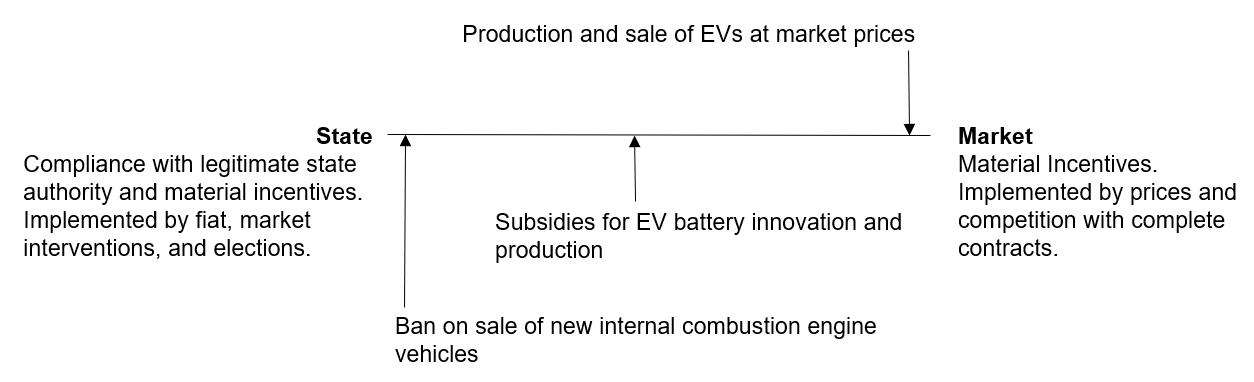
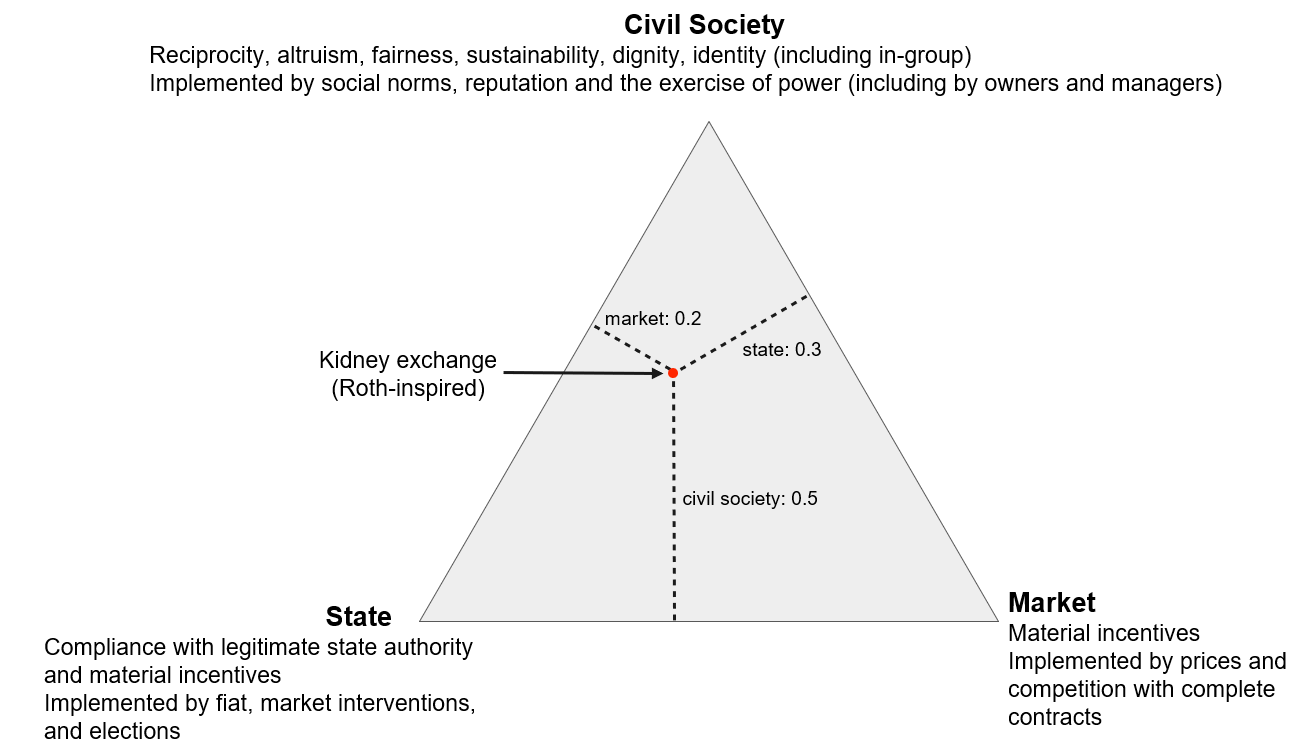
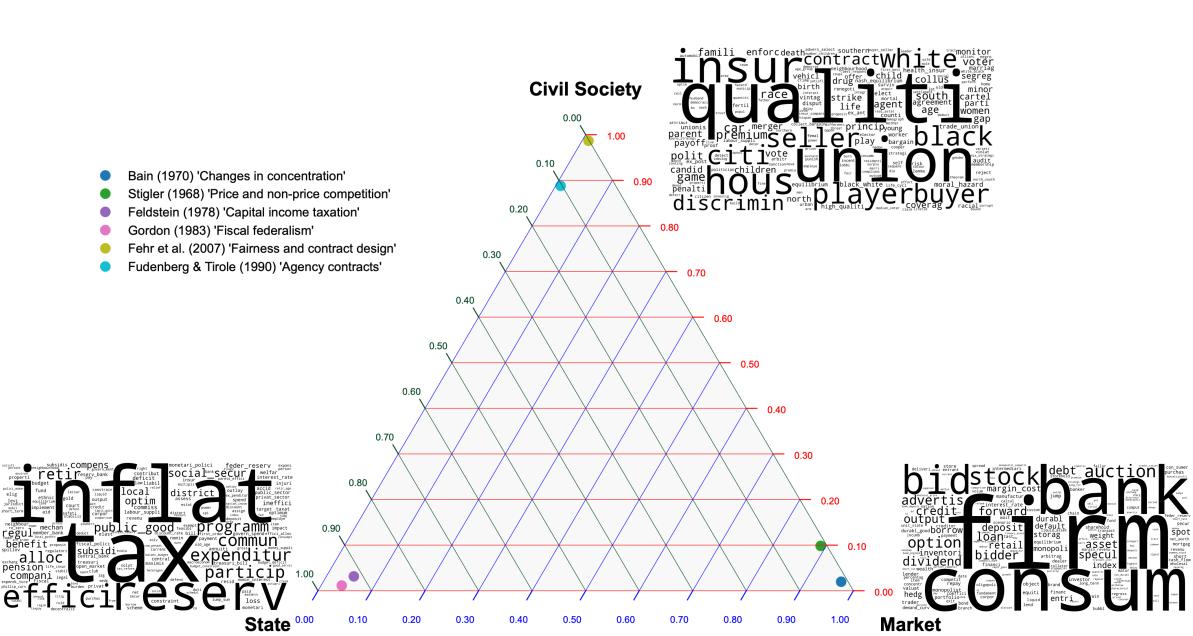
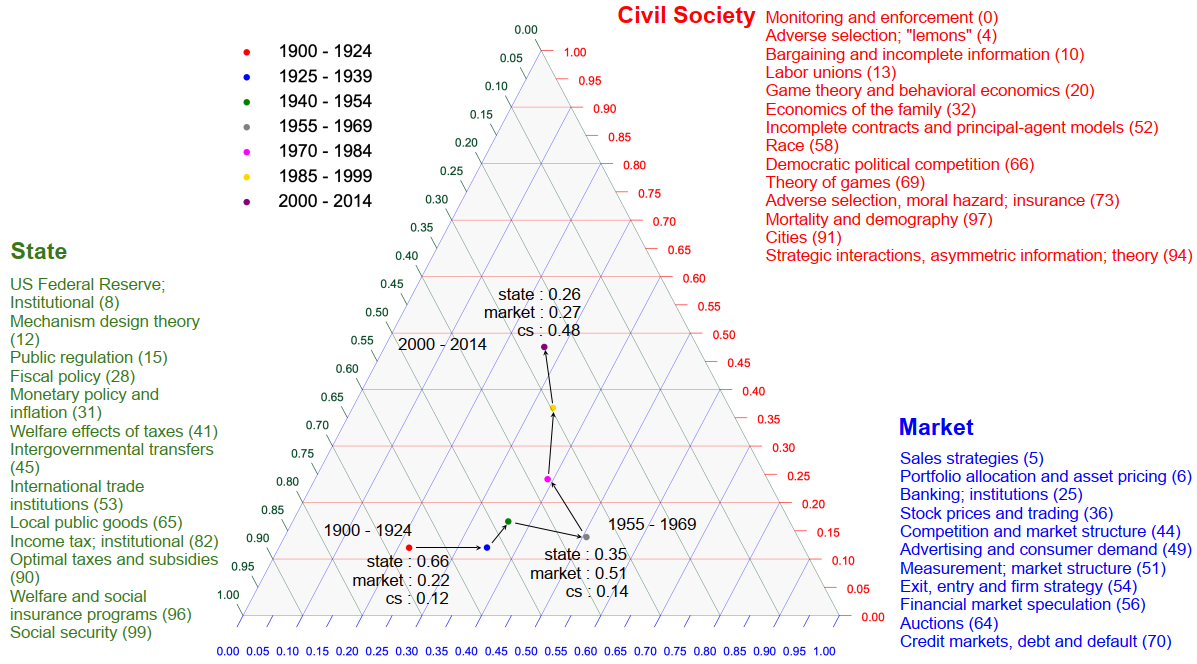
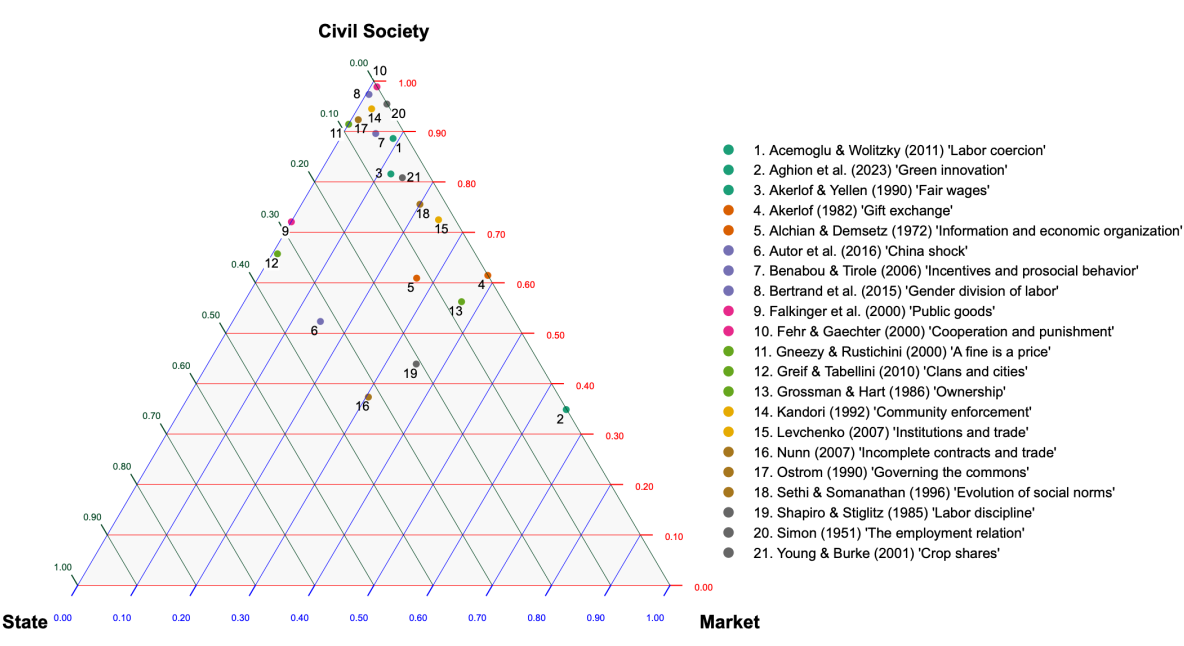
significantly lower. And, remarkably, ethnic heterogeneity was considerably less important in
predicting low collective efficacy than were measures of economic disadvantage. In a very different
context, Pranab Bardhan (2000) found that across 48 villages in South India, “cooperative behavior
in an irrigation community is… related negatively to inequality of landholding.” p. 861.
Thus it appears that civil society may have advantages as a form of governance under two
conditions: a) complete contracting is precluded due to asymmetries in verifiable information and b)
low levels of conflict of interest within the community facilitate the transmission of private
information and the evolution and salience of other-regarding and intrinsic preferences and mutual
monitoring among community members.
Civil society may also provide conditions under which states and markets work better, reflecting
governance complementarity, whereby the workings of one of the forms of governance enhance the
effectiveness of another form.
6. CIVIL SOCIETY, MARKETS, AND STATES AS COMPLEMENTS NOT SUBSTITUTES
Aghion and his coauthors’ analysis of green innovation introduced in Section 1 exemplifies a
synergy in stimulating green innovation between pro-environmental values cultivated in civil society
and competitive markets. They showed that when citizens express a stronger preference for
addressing environmental issues and are willing to pay more to promote a greener economy, this
motivates firms to respond by prioritizing greener innovation. As firms seek to differentiate
themselves from the competition, the impact of green preferences on innovation is intensified. Their
study indicates that a greening of values (of a magnitude observed over the past two decades) along
with increased competition would account for a shift from dirty to green patents relevant to
automobiles of the same magnitude as would have resulted from a forty percent increase in fuel
prices.
The diagonal entries of Table 1 show a brief statement of the comparative institutional advantage of
each form of governance from Section 5. In the off-diagonal cells, the way in which each form of
governance may affect the effectiveness of another is shown. For example, markets can enhance the
functioning of both state and civil society governance by offering exit options – in the first case
placing a lower bound on the quality of state provided services, and in the second, by providing an
escape for example, from in-group favoritism in employment. Likewise, the state can extend the






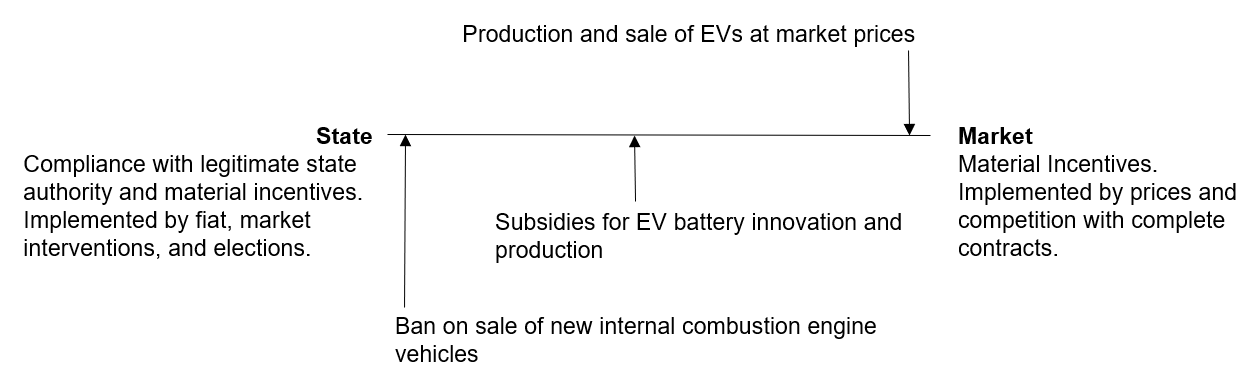
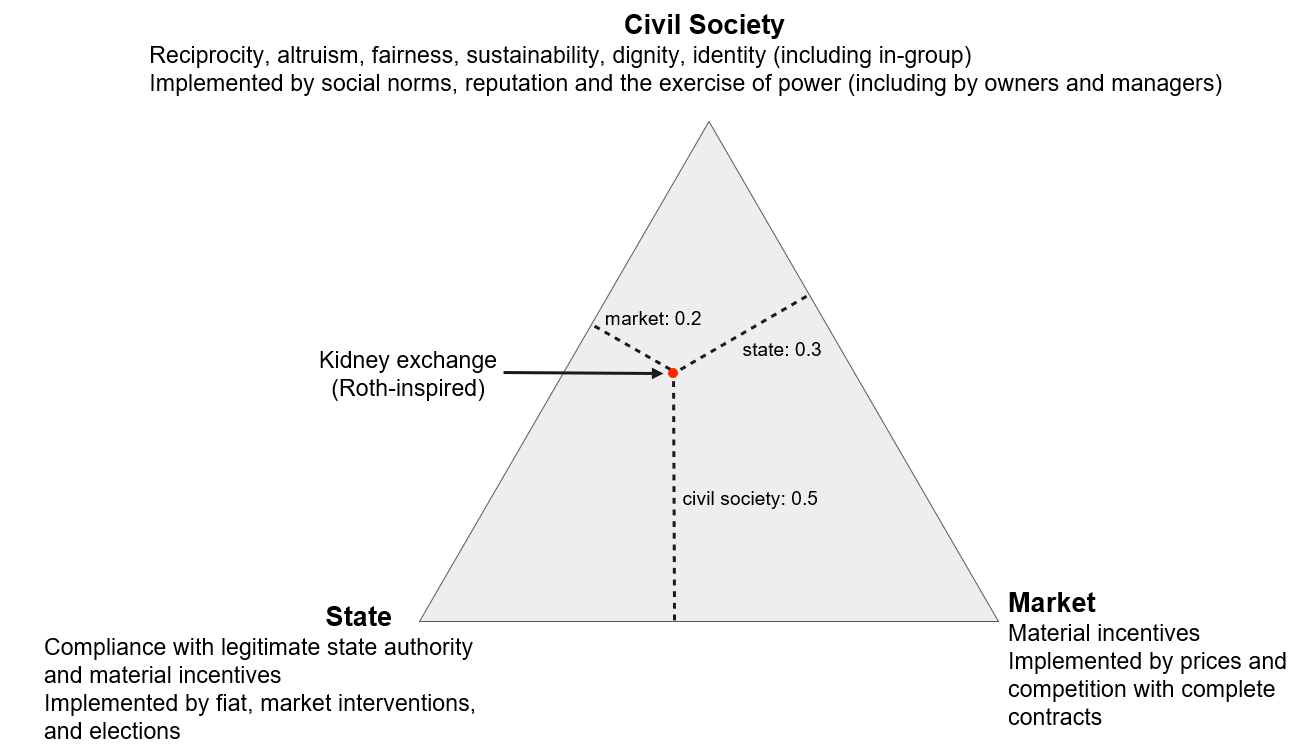
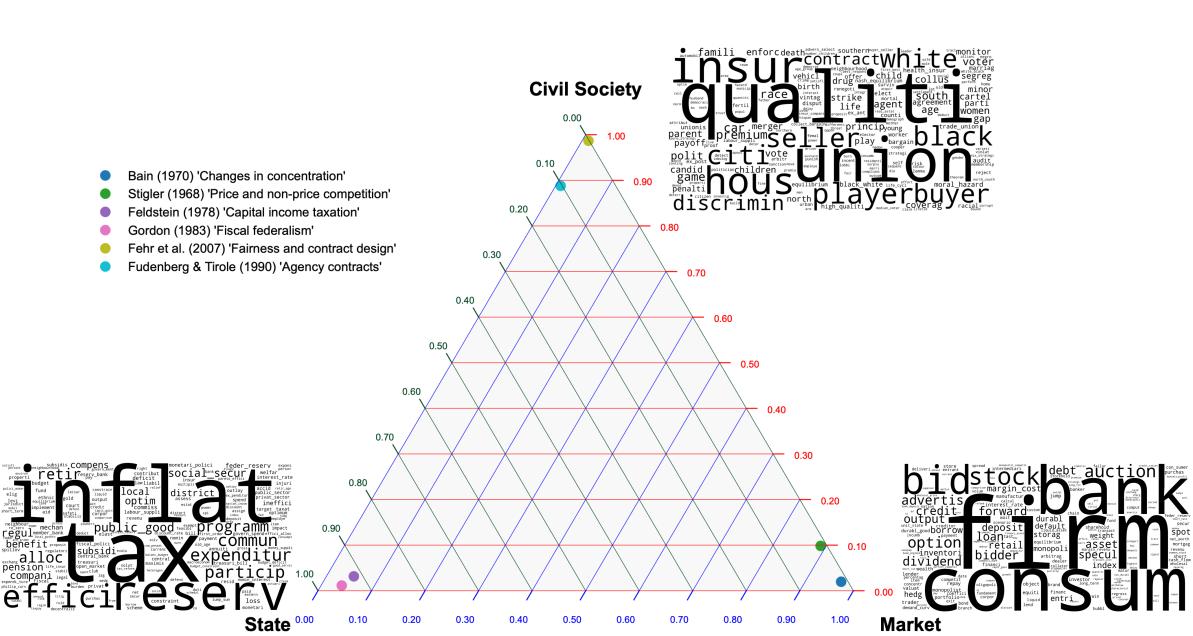
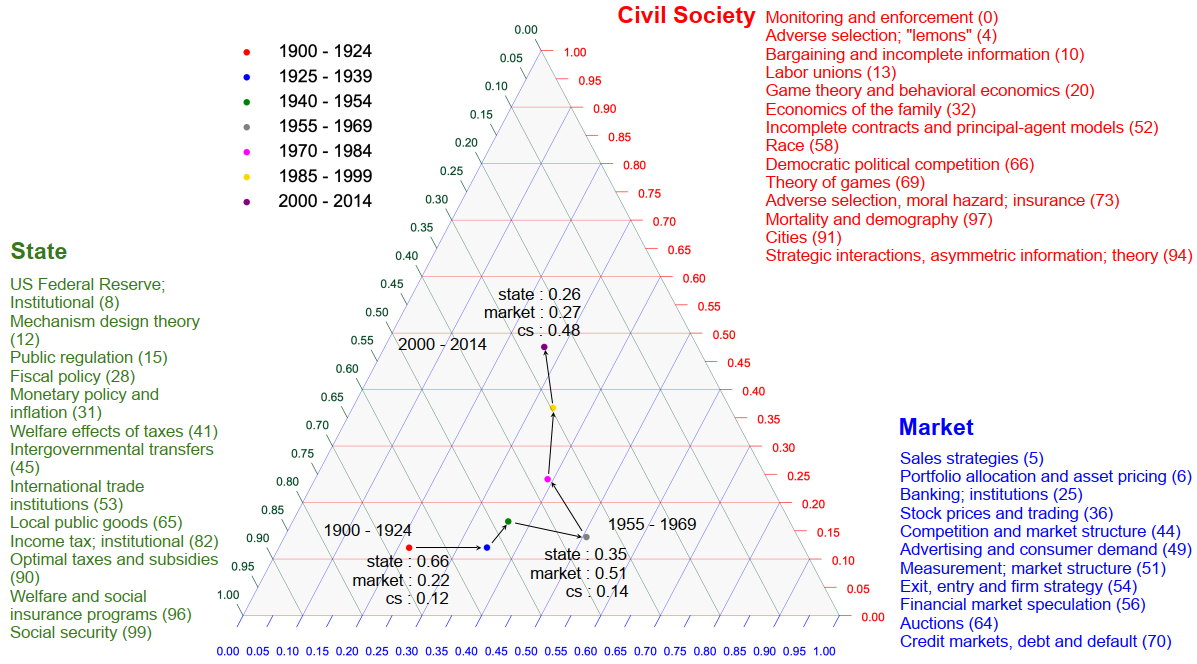
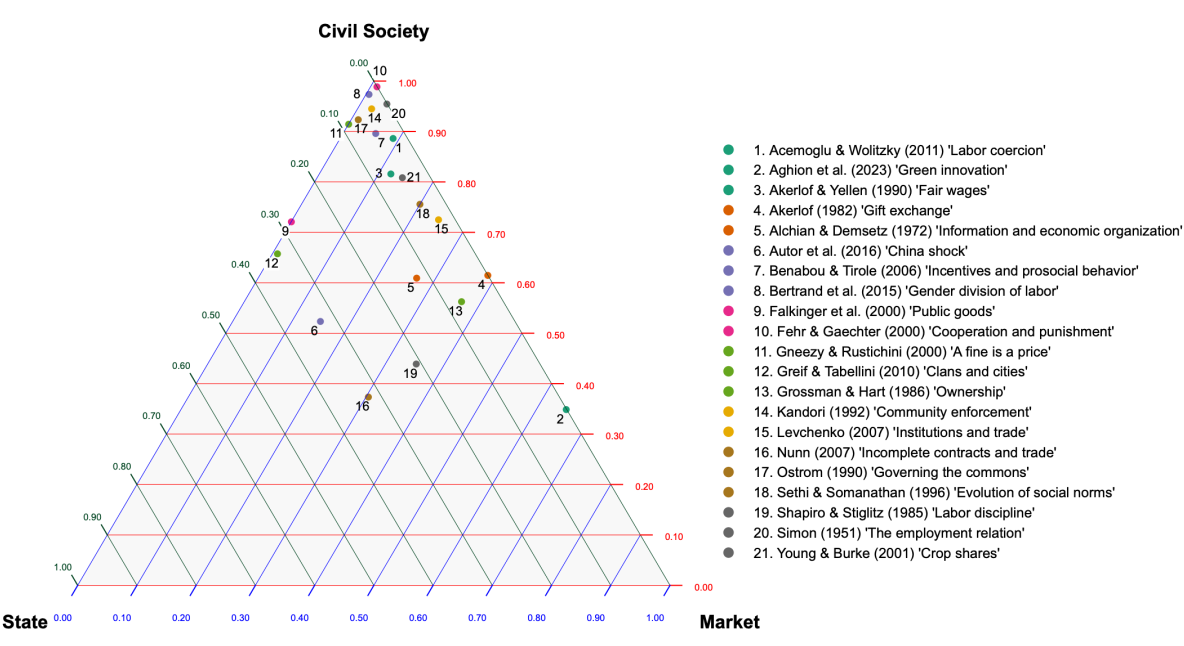
scope for Coasean bargaining in civil society contexts by changing and enforcing reservation
options. These are examples of institutional complementarities.
.
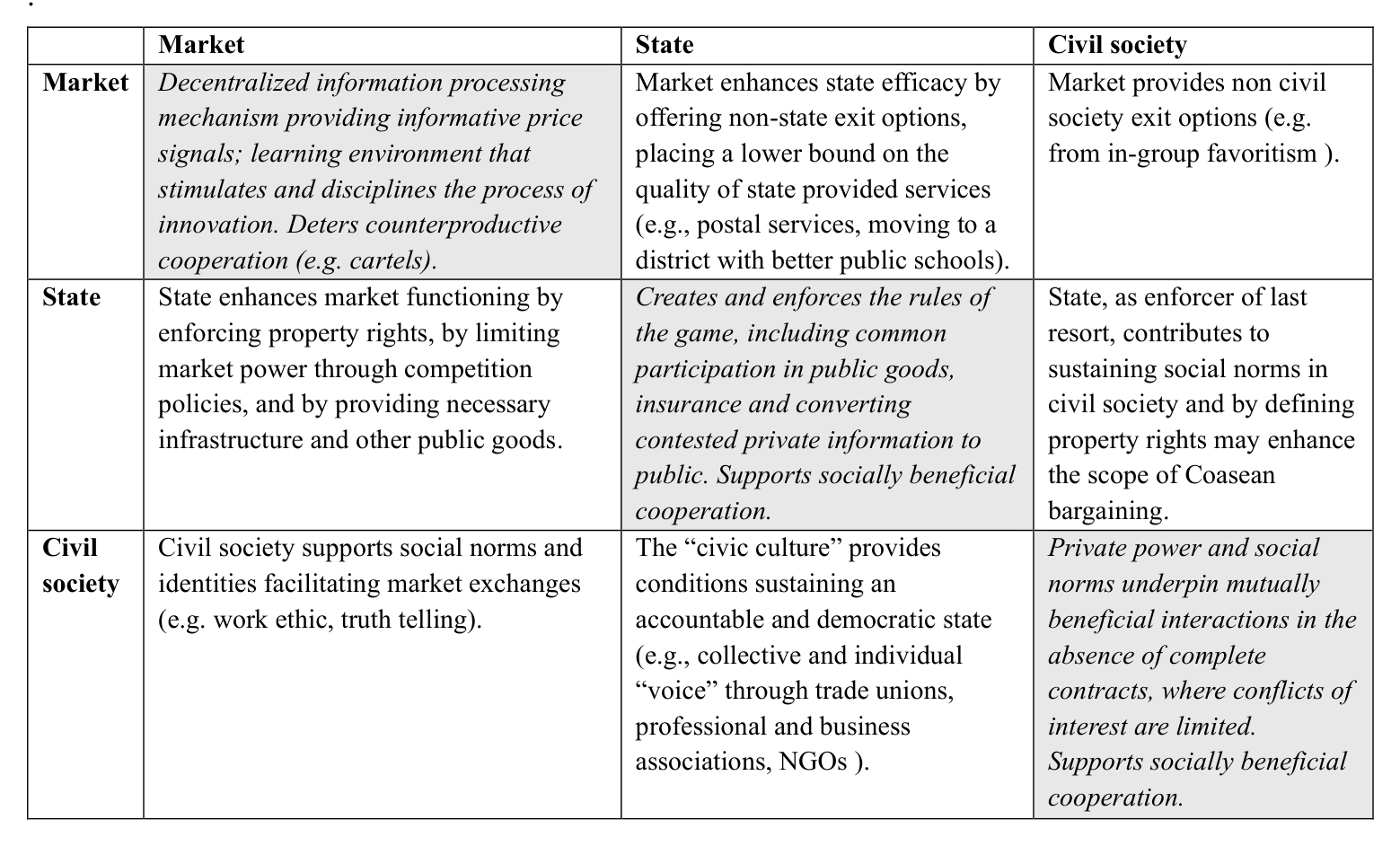
Market State Civil society Market Decentralized information processing mechanism providing informative price signals; learning environment that stimulates and disciplines the process of innovation. Deters counterproductive cooperation (e.g. cartels).
Market enhances state efficacy by offering non-state exit options, placing a lower bound on the quality of state provided services (e.g., postal services, moving to a district with better public schools).
Market provides non civil society exit options (e.g. from in-group favoritism ).
State State enhances market functioning by enforcing property rights, by limiting market power through competition policies, and by providing necessary infrastructure and other public goods.
Creates and enforces the rules of the game, including common participation in public goods, insurance and converting contested private information to public. Supports socially beneficial cooperation.
State, as enforcer of last resort, contributes to sustaining social norms in civil society and by defining property rights may enhance the scope of Coasean bargaining. Civil society
Civil society supports social norms and identities facilitating market exchanges (e.g. work ethic, truth telling).
The “civic culture” provides conditions sustaining an accountable and democratic state (e.g., collective and individual “voice” through trade unions, professional and business associations, NGOs ).
Private power and social norms underpin mutually beneficial interactions in the absence of complete contracts, where conflicts of interest are limited. Supports socially beneficial cooperation.
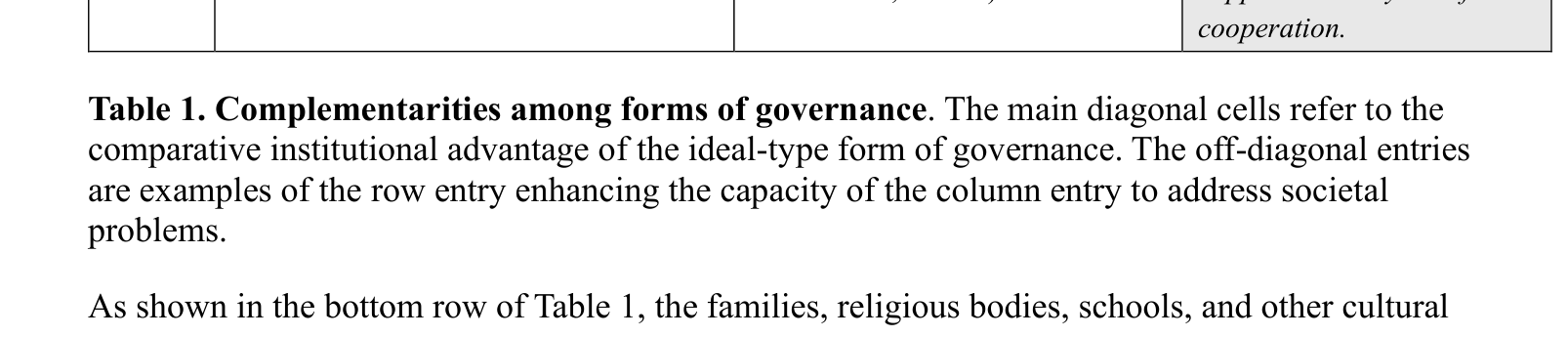
Table 1. Complementarities among forms of governance. The main diagonal cells refer to the comparative institutional advantage of the ideal-type form of governance. The off-diagonal entries are examples of the row entry enhancing the capacity of the column entry to address societal problems.
As shown in the bottom row of Table 1, the families, religious bodies, schools, and other cultural
institutions of civil society may sustain norms such as a work ethic and truth telling, which, as Arrow
pointed out, enable exchanges where effort, diligence and quality cannot readily be observed,
facilitating the functioning of labor, credit and goods markets. What is termed a democratic civic
culture, in which people belong to multiple voluntary associations and engage in democratic
collective action in their daily life, may give voice to citizens’ concerns and so enhance the
accountability of a democratic state (Almond & Verba 1963, Alquist & Levi 2014, Dahl 1977, Han
2014, Sandel 2022, Verba et al 1995)
Economists are now exploring the ways that well-designed state policies can also support the
evolution of tax compliance or green values among citizens (Besley 2020, Besley & Persson 2023,






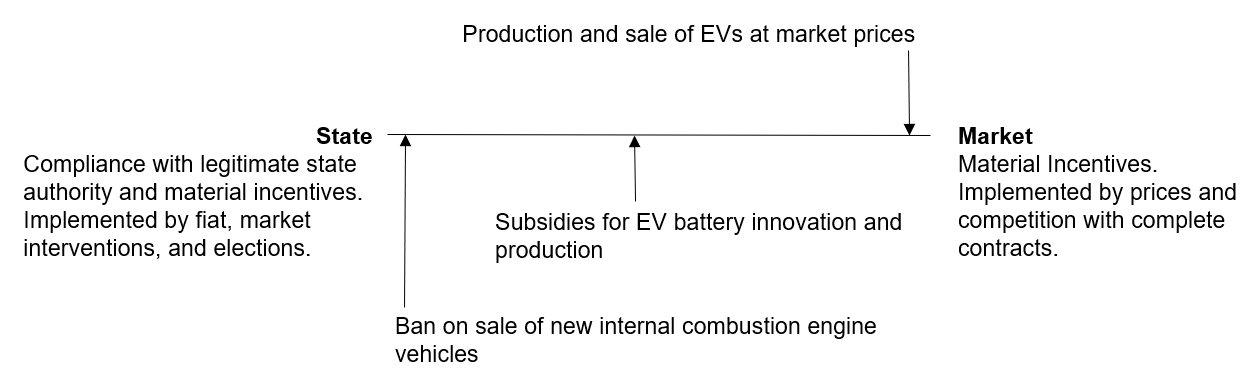
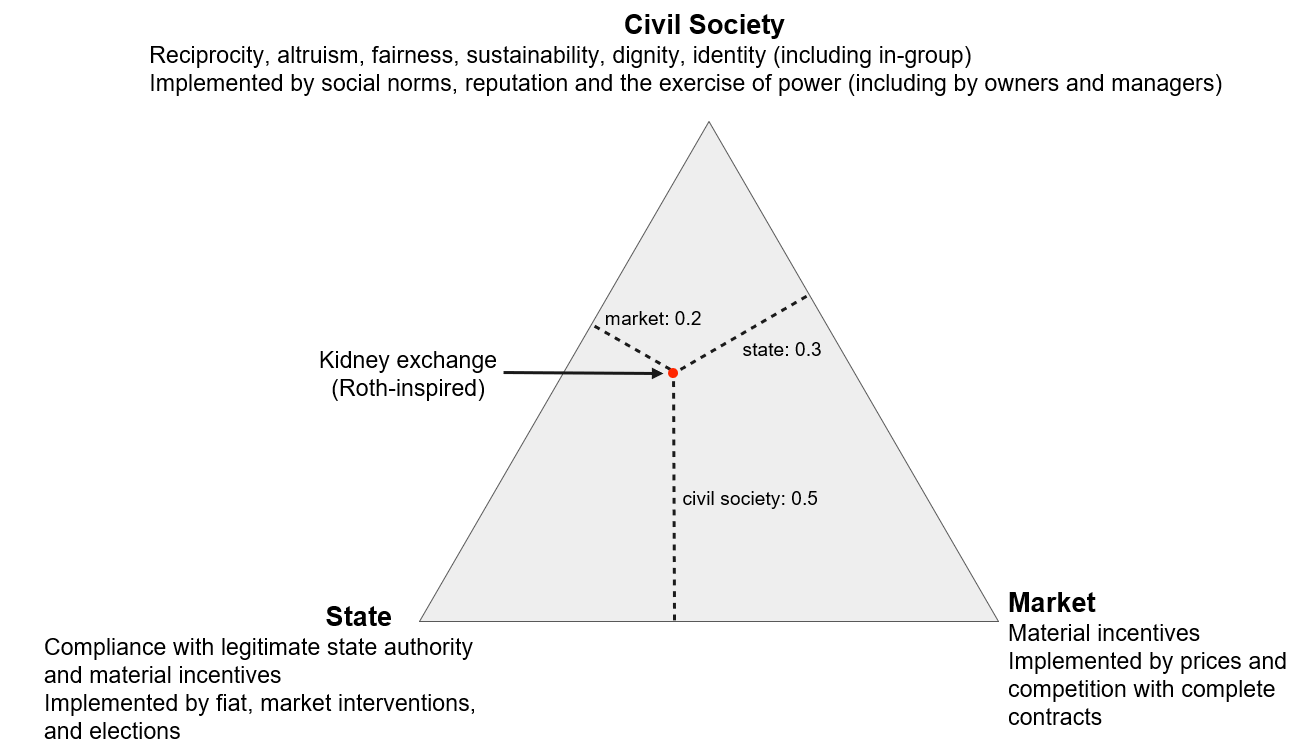
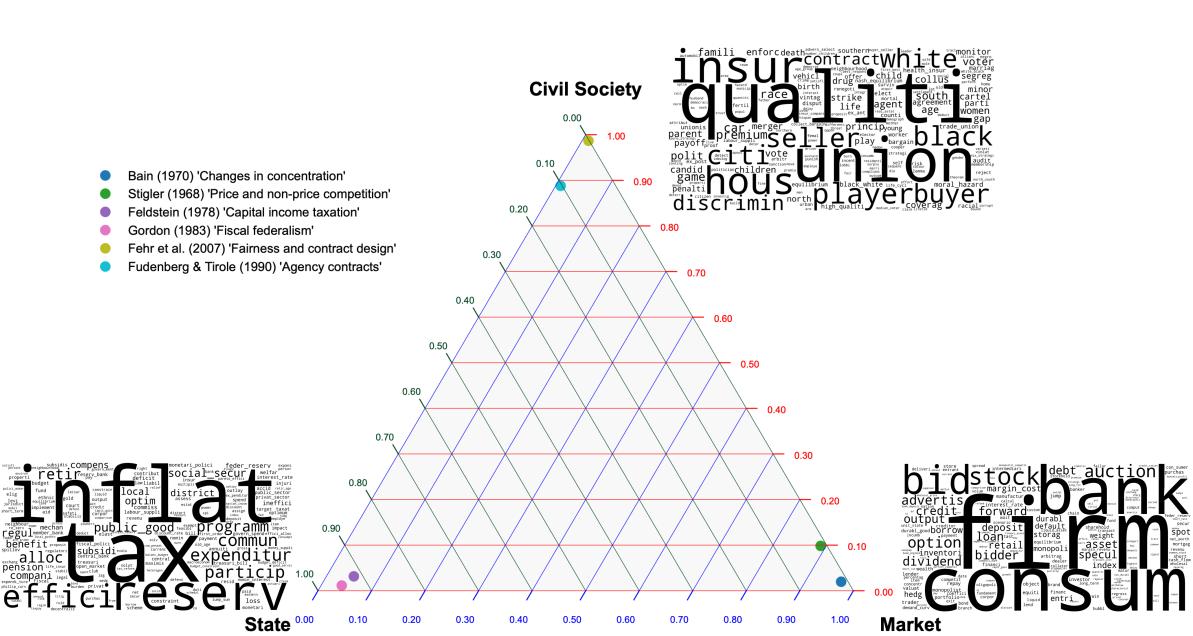
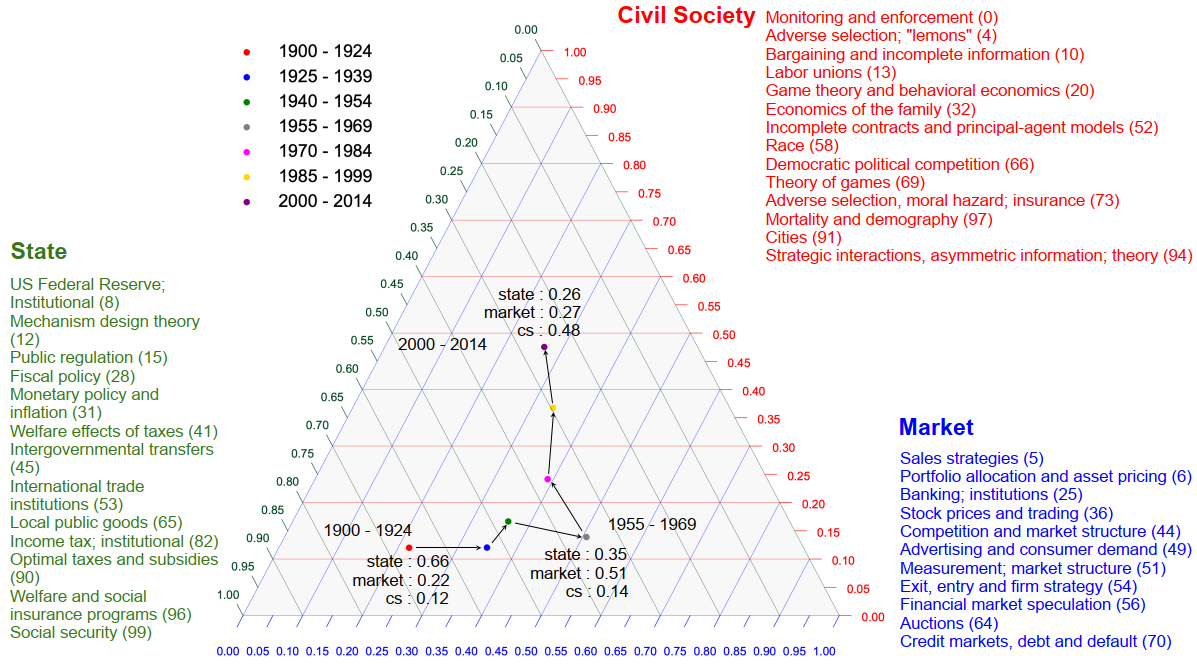
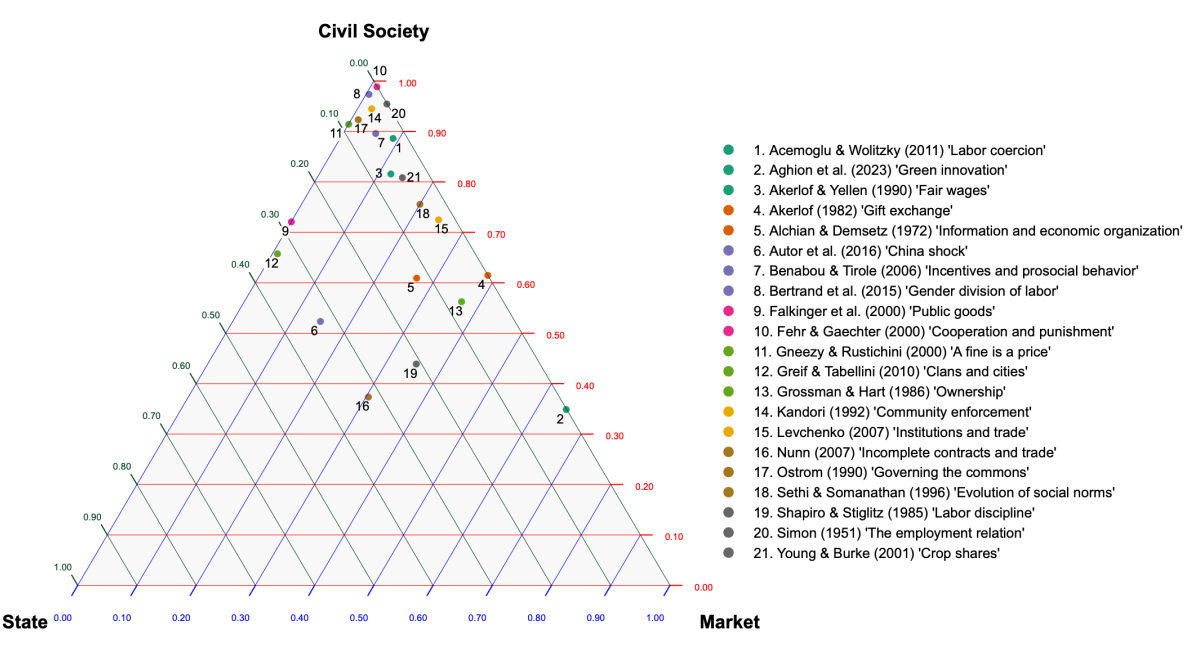
Mattauch et al 2022). An objective of public policy, then, is that the institutional configurations
making up the three vertices of our triangle – markets, states, and civil society – should be designed

so that each not only works well but also enhances the capacity of the other forms of governance to
address societal coordination problems (as illustrated in Table 1). But the opposite may also occur:
institutions may serve as substitutes, one undermining the functioning of the other (examples are
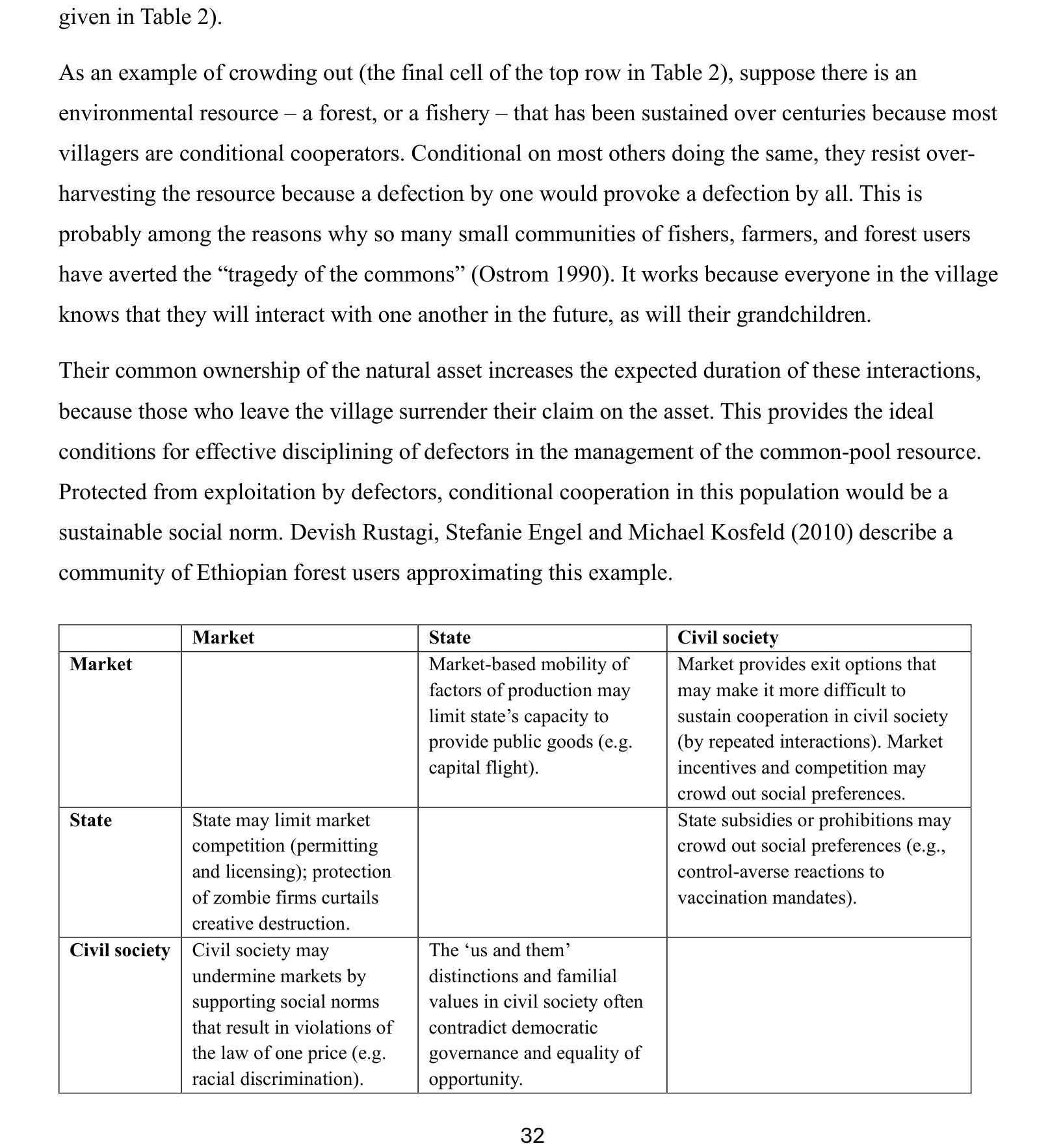
given in Table 2).
As an example of crowding out (the final cell of the top row in Table 2), suppose there is an
environmental resource – a forest, or a fishery – that has been sustained over centuries because most
villagers are conditional cooperators. Conditional on most others doing the same, they resist over-
harvesting the resource because a defection by one would provoke a defection by all. This is
probably among the reasons why so many small communities of fishers, farmers, and forest users
have averted the “tragedy of the commons” (Ostrom 1990). It works because everyone in the village
knows that they will interact with one another in the future, as will their grandchildren.
Their common ownership of the natural asset increases the expected duration of these interactions,
because those who leave the village surrender their claim on the asset. This provides the ideal
conditions for effective disciplining of defectors in the management of the common-pool resource.
Protected from exploitation by defectors, conditional cooperation in this population would be a
sustainable social norm. Devish Rustagi, Stefanie Engel and Michael Kosfeld (2010) describe a
community of Ethiopian forest users approximating this example.
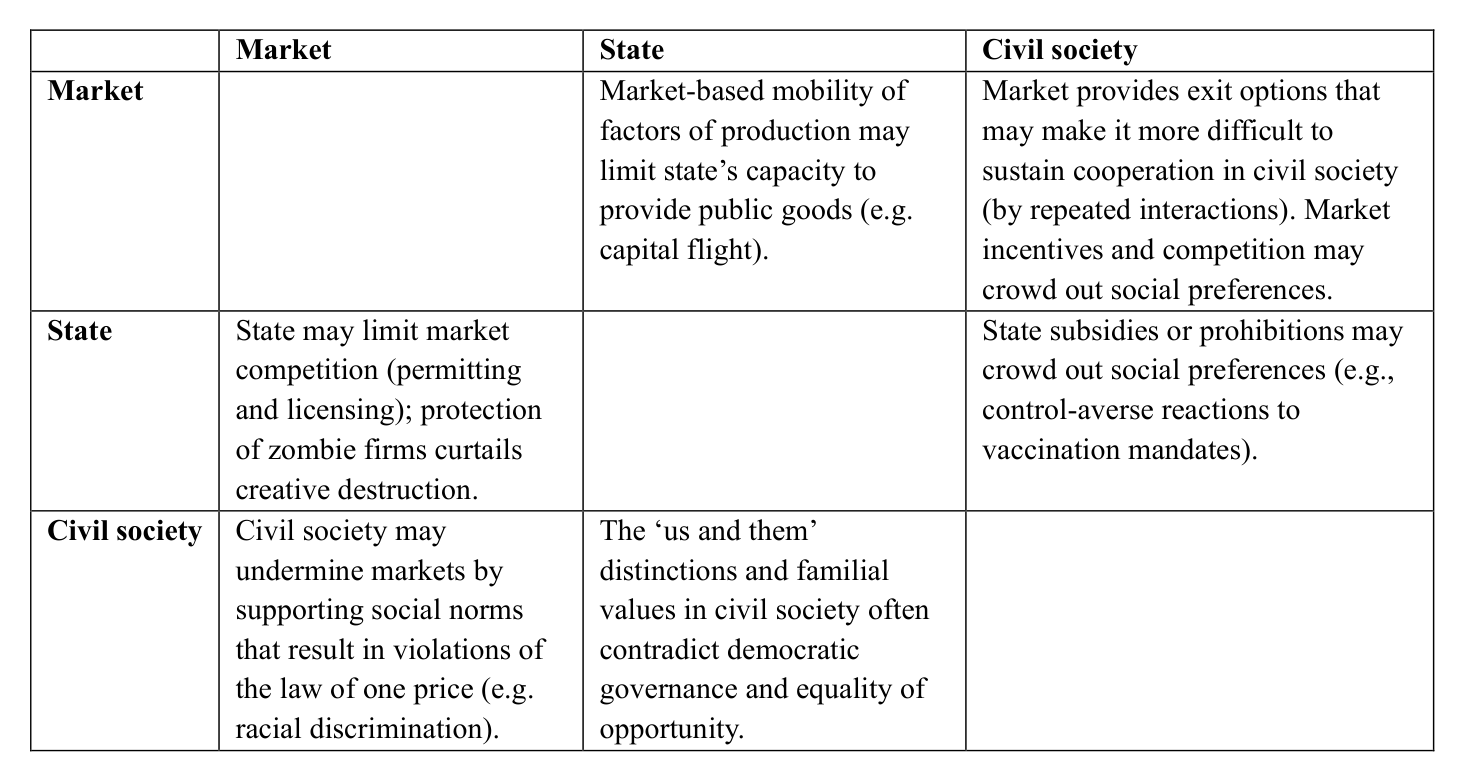
Market State Civil society Market Market-based mobility of factors of production may limit state’s capacity to provide public goods (e.g. capital flight).
Market provides exit options that may make it more difficult to sustain cooperation in civil society (by repeated interactions). Market incentives and competition may crowd out social preferences. State State may limit market competition (permitting and licensing); protection of zombie firms curtails creative destruction.
State subsidies or prohibitions may crowd out social preferences (e.g., control-averse reactions to vaccination mandates).
Civil society Civil society may undermine markets by supporting social norms that result in violations of the law of one price (e.g. racial discrimination).
The ‘us and them’ distinctions and familial values in civil society often contradict democratic governance and equality of opportunity.






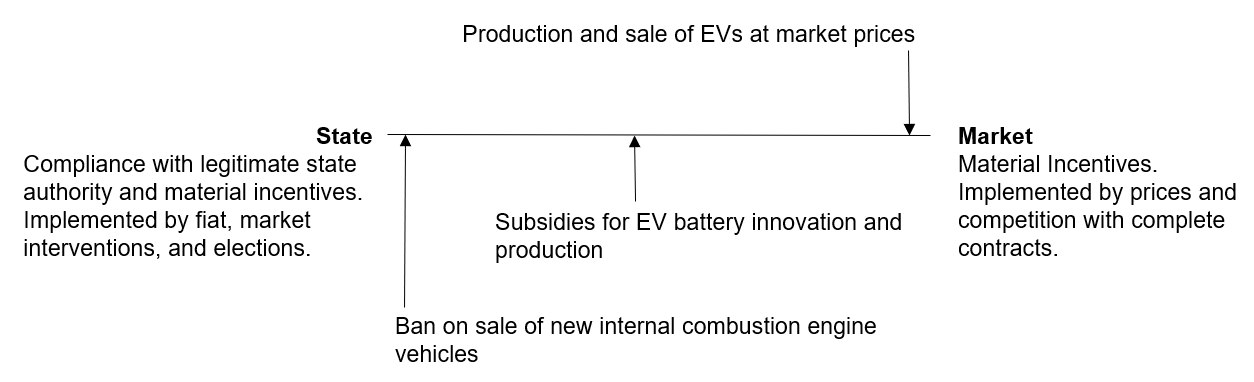
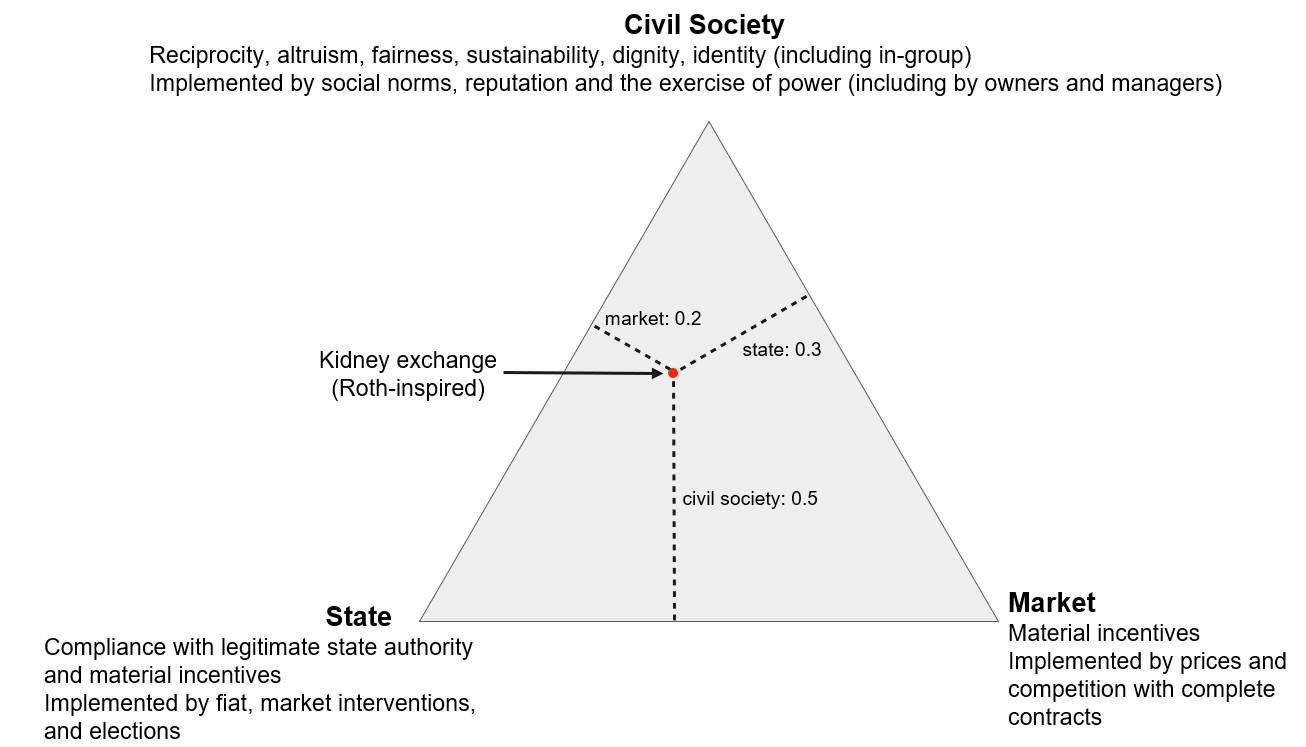
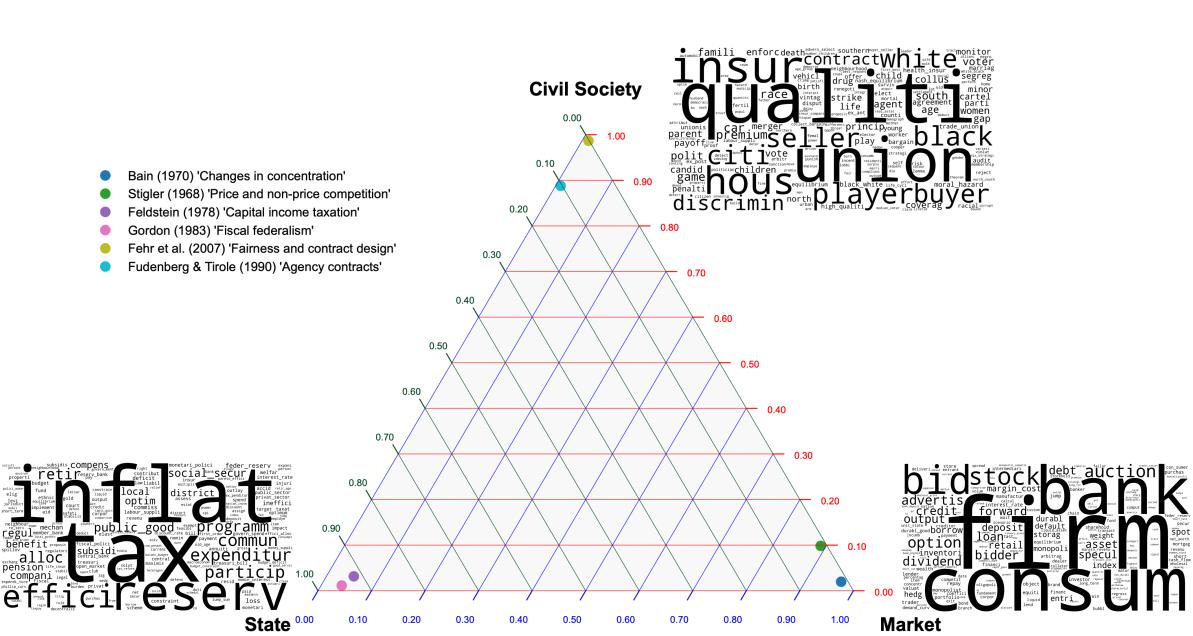
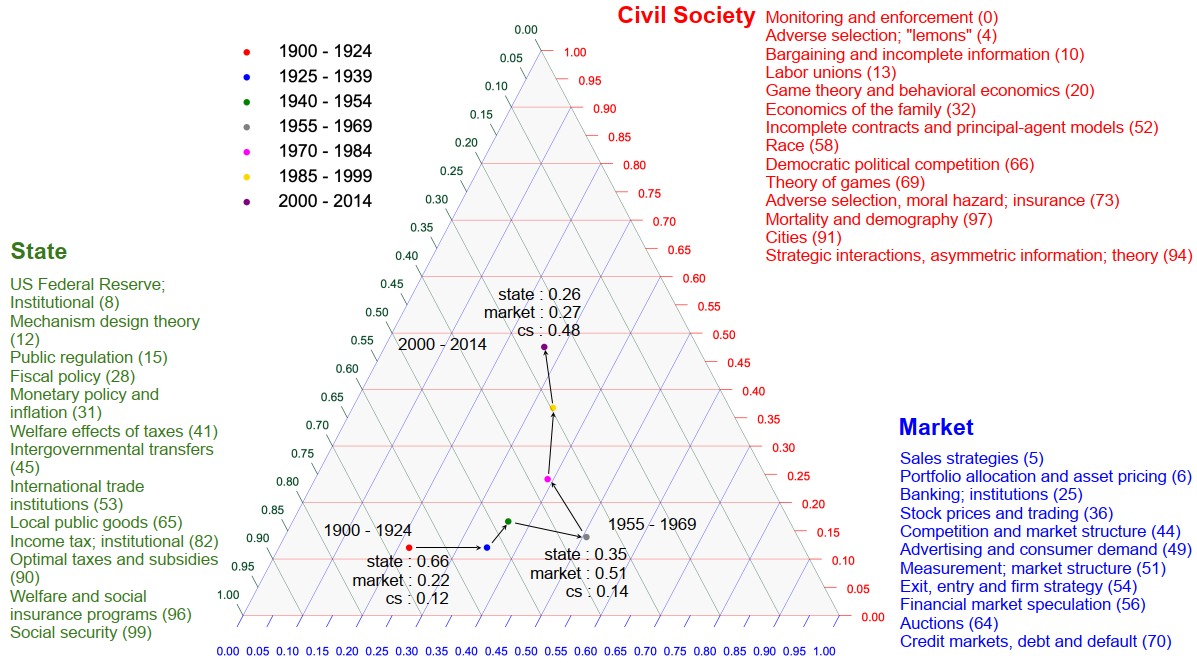
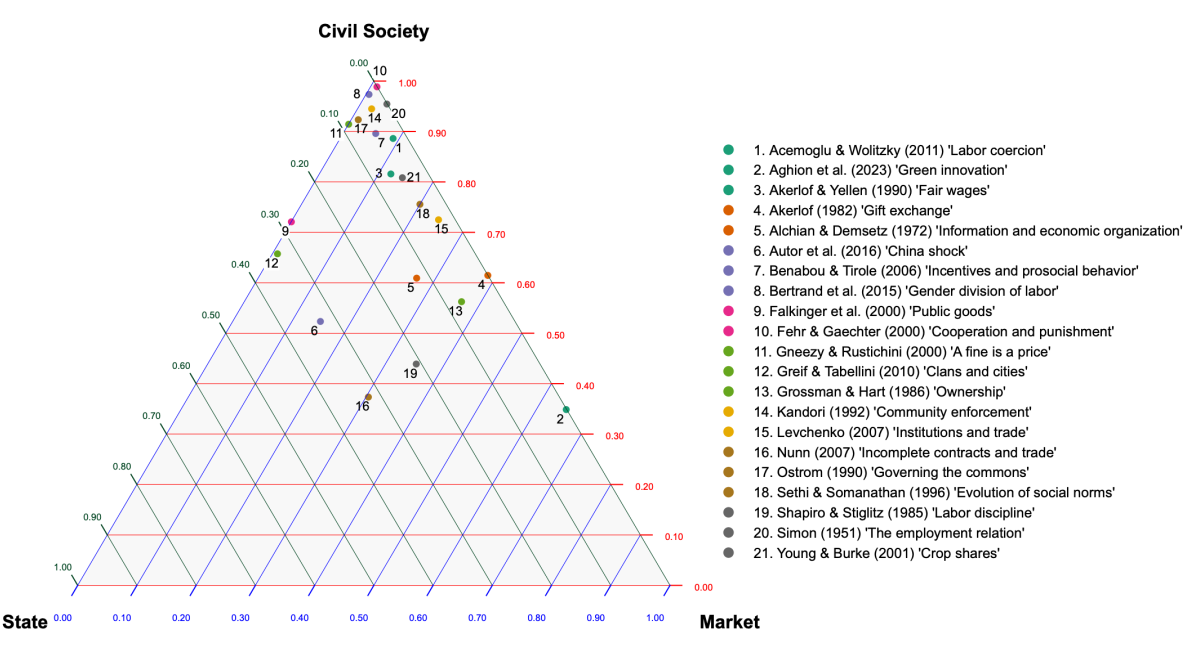
Table 2. Forms of governance as substitutes (reducing the effectiveness of other forms) The off- diagonal entries are examples of the row entry undermining the capacity of the column entry to address societal problems.
Privatizing the asset – giving each member a marketable share in the forest, for example – provides
each with an incentive to sustain the resource and monitor those who would overexploit it. But by
allowing the sale of one’s share, privatization also makes it easier to leave. This undermines the
conditions that had sustained cooperation. It reduces the expected duration of interactions, so the
value of avoiding retaliation is also reduced, possibly by enough to make overexploitation the more
rewarding strategy. Those who remained conditional cooperators in this setting would experience
frequent exploitation by their fellow villagers who ceased cooperating. Privatization would thus
favor the evolution of self-regarding, uncooperative preferences.
A curious twist in the history of land rights in highland Peru provided Ragnhild Haugli Braaten with
a natural quasi experiment illustrating these effects (Braaten 2014). Due to the incomplete
implementation of a policy recognizing and reinforcing rights of common landownership introduced
by a leftist military government in the late 1960s, two distinct sets of land rights existed: private
individual ownership in some villages and communal ownership in others. In both sets of villages, a
traditional community assembly deliberated on questions of governance. Among the assembly’s
tasks was the organization of communal work parties that maintained the farmers’ complex irrigation
systems, roads, public buildings, and other common resources. The assembly also specified the
number of workdays each household was required to contribute to these projects and disciplined
those who reneged on their community labor responsibilities. This was backed up by the real threat
that the land tilled by the free rider could be confiscated. In addition, men volunteered to help
neighbors in a traditional custom of reciprocal sharing of farm work.
Braaten wanted to know whether the form of land ownership (private or communal) was associated
with differences in the degree of cooperation among the farmers. She interviewed 570 people, half
from seven jointly owned communities and half from eight “private” communities. Other than their
different land-rights histories, the two sets of communities hardly differed in literacy, land area per
household, degree of poverty, mean income, elevation above sea level, and even degree of
interpersonal trust. But compared with those holding jointly titled land, people in the private title






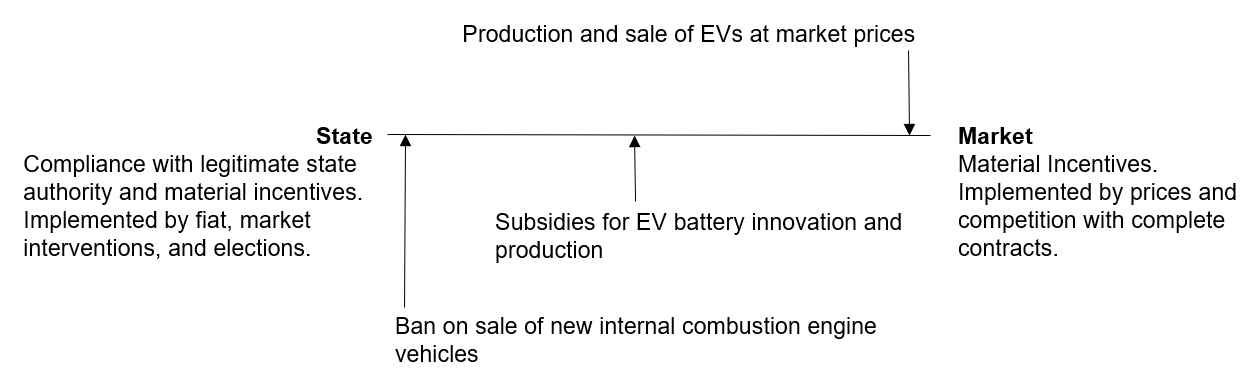
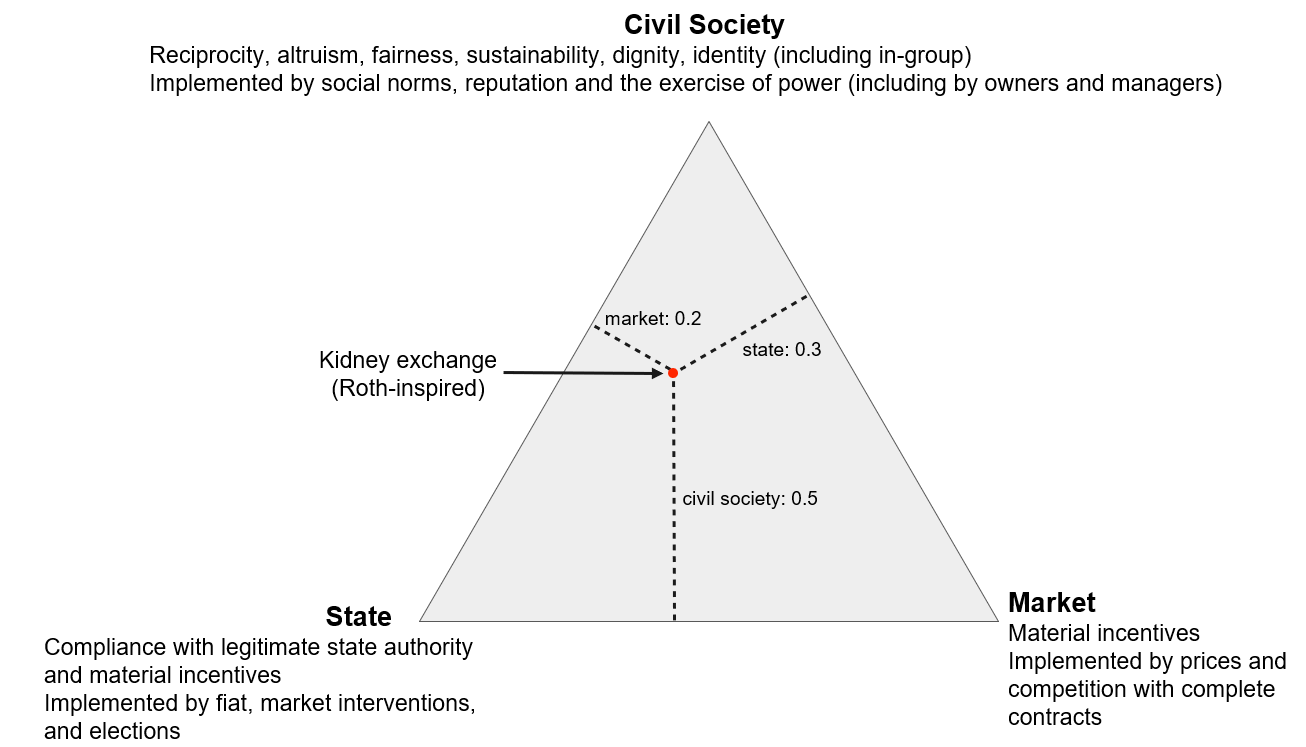
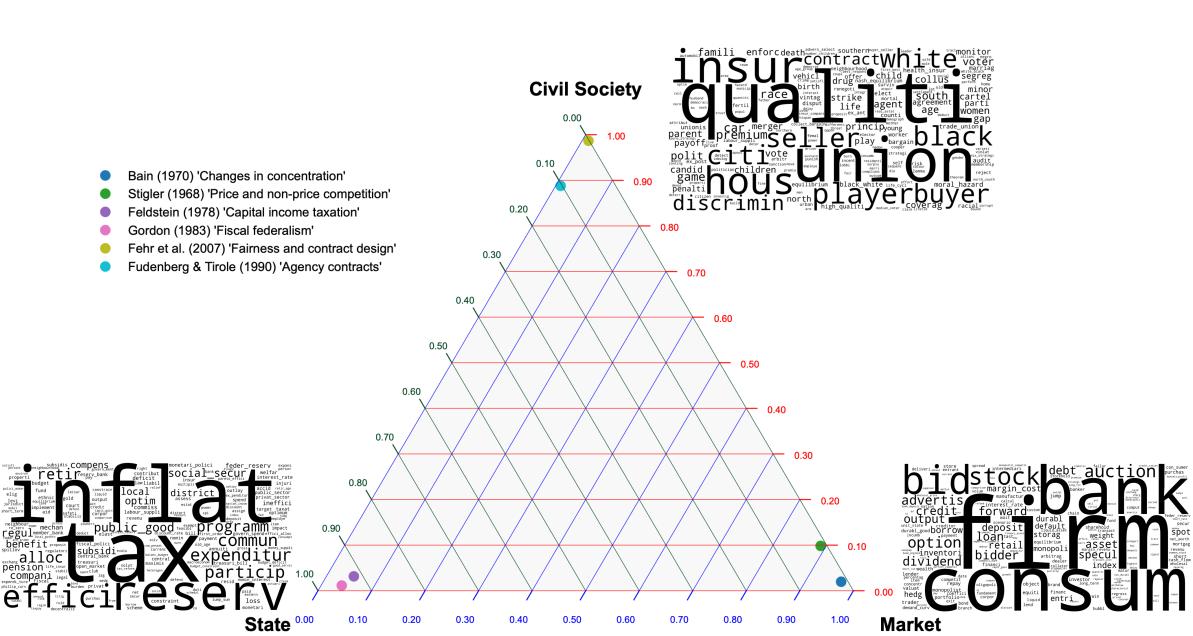
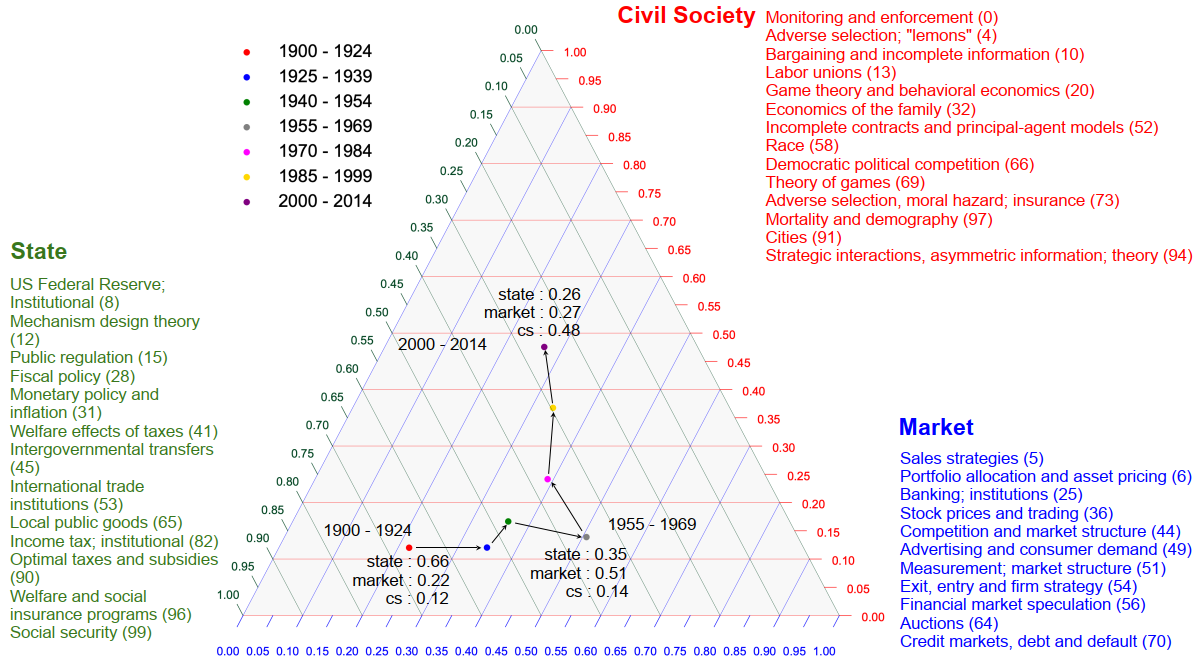
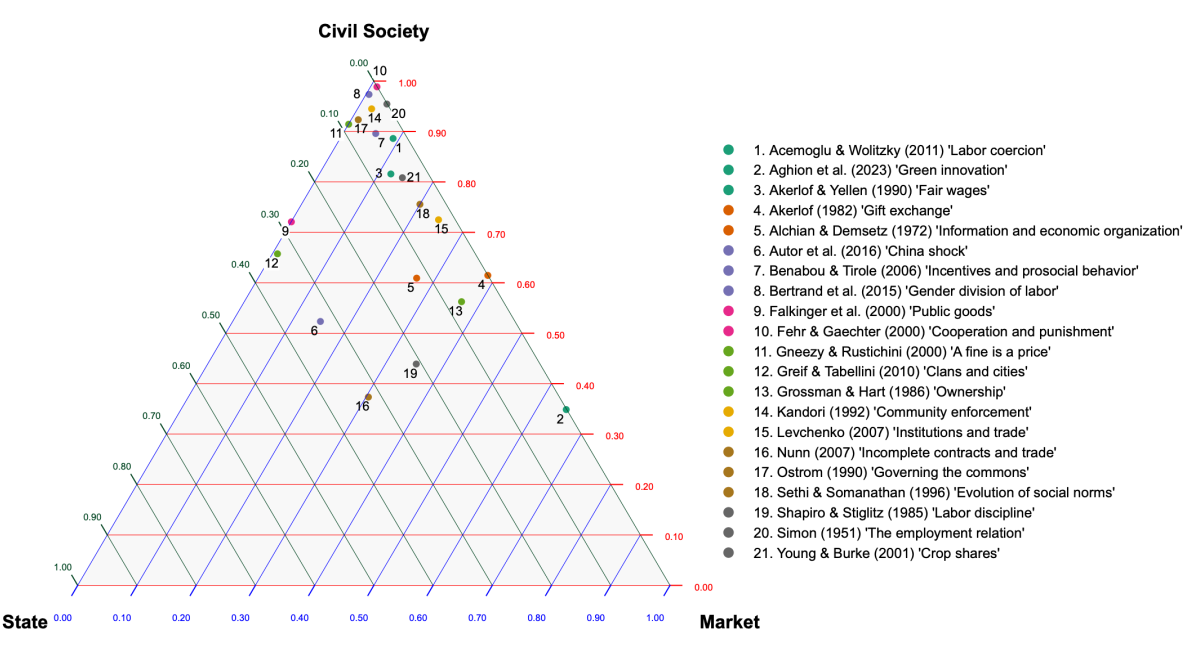
communities volunteered less than half the number of days to the communal projects, and
significantly fewer days to the system of reciprocal farming help, as well.
Braaten performed a Public Goods game with the two groups and found that those from the joint-
ownership villages contributed over a third more than those from the private communities,
controlling for individual and community characteristics. She concluded that the “recent
formalization of individual land rights has . . . weakened the traditional forms of cooperation.” And
as with individual land titling, those taking advantage of the exit option afforded by a modern
regional labor market increased their payoffs by simply ignoring what had once been a community
norm. Her study suggests that the privatization and clarification of land and other property rights
designed to allow for more complete contracts may have had collateral cultural effects that made
people less likely to learn or retain the norms and other values essential to good governance.
7. DISCUSSION
The proliferation of civil society themes that we documented in the research corpus has been
reflected in Nobel awards to Myrdal and Hayek (in 1974), Simon (1978), Coase (1991), North and
Fogel (1993) Nash (1994), Sen (1998), Akerlof and Stiglitz (2001), Kahneman and Smith (2002),
Schelling (2005), Ostrom and Williamson (2009), Hart (2016), Thaler (2017), Milgrom (2020),
Goldin (2023), Acemoglu, Johnson, and Robinson (2024) and Aghion, Howitt, and Mokyr (2025).
While civil society may at first glance appear to be unfamiliar terrain to economists, progress in
contract theory, mechanism design, game theory, and related fields has allowed us to say quite a bit
about the comparative institutional advantage of alternative forms of governance in their abstract
forms represented by the vertices of the governance triangle (Figure 4).
Paradoxically, the shift in focus in economic research that we documented in section 3 has not been
widely recognized either among economists or policy makers. Writing just at the time Arrow urged
economists to focus more on collective action (separate from the state) and on other-regarding
values, Abba Lerner summed up both the strength of economics and its limitations: “An economic
transaction is a solved political problem ... Economics has gained the title Queen of the Social
Sciences by choosing solved political problems as its domain” (Lerner 1972) p. 259. By a solved
political problem, Lerner meant an exchange covered by a complete contract whose terms are
determined by the market and enforced by the state (not, for example, by the principal in their






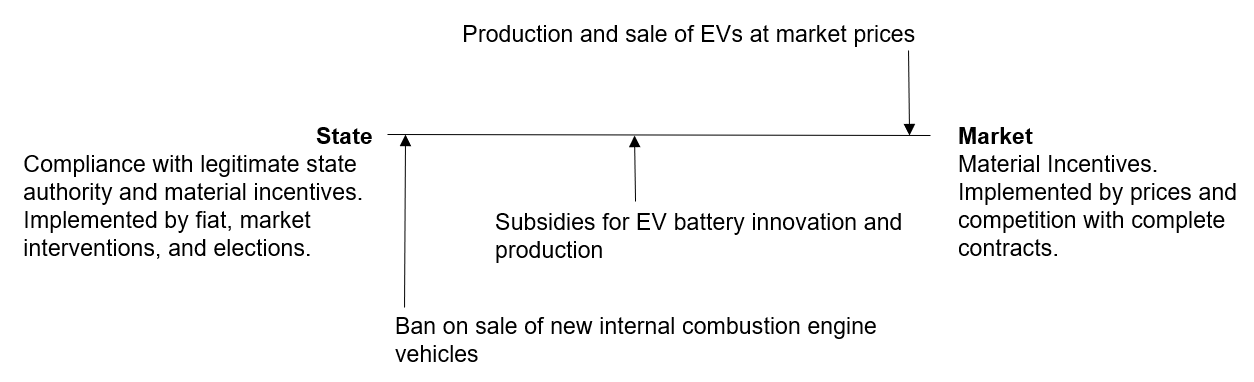
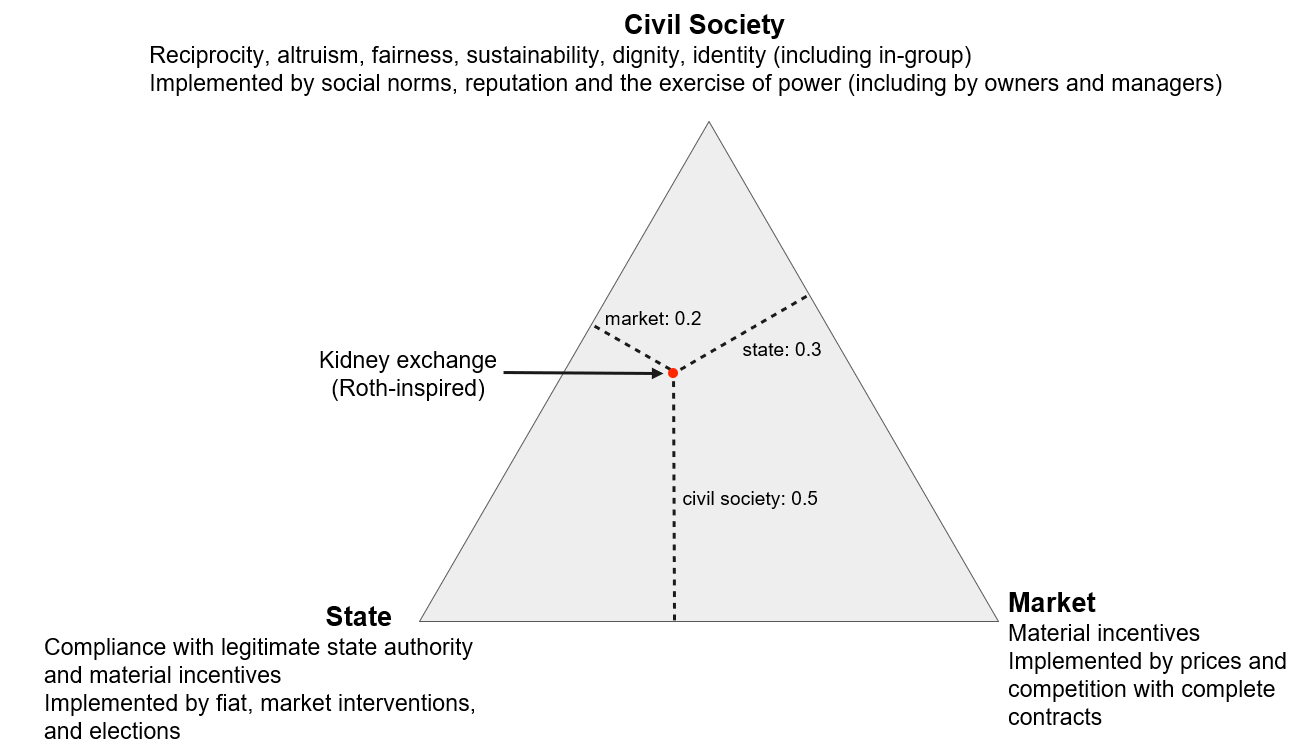
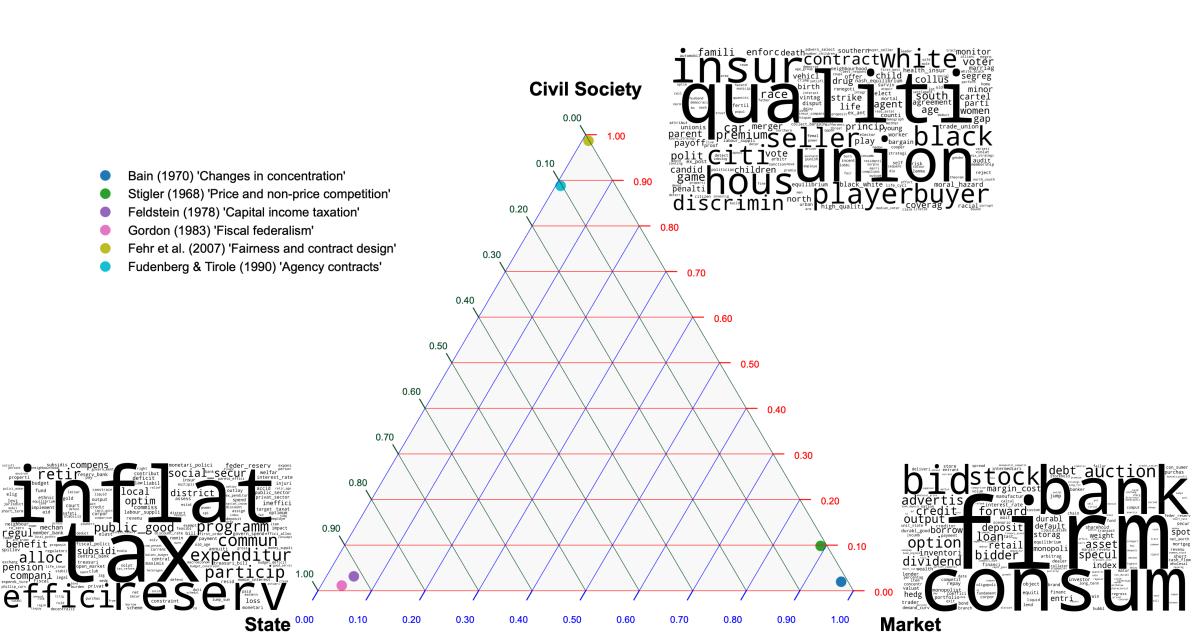
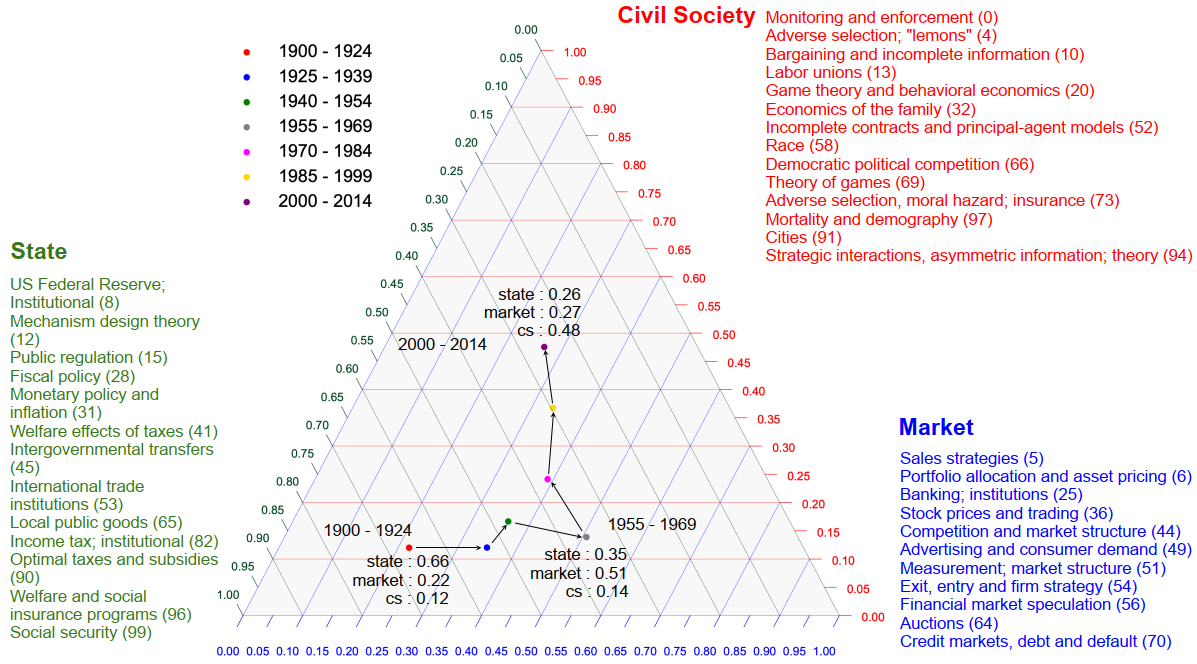
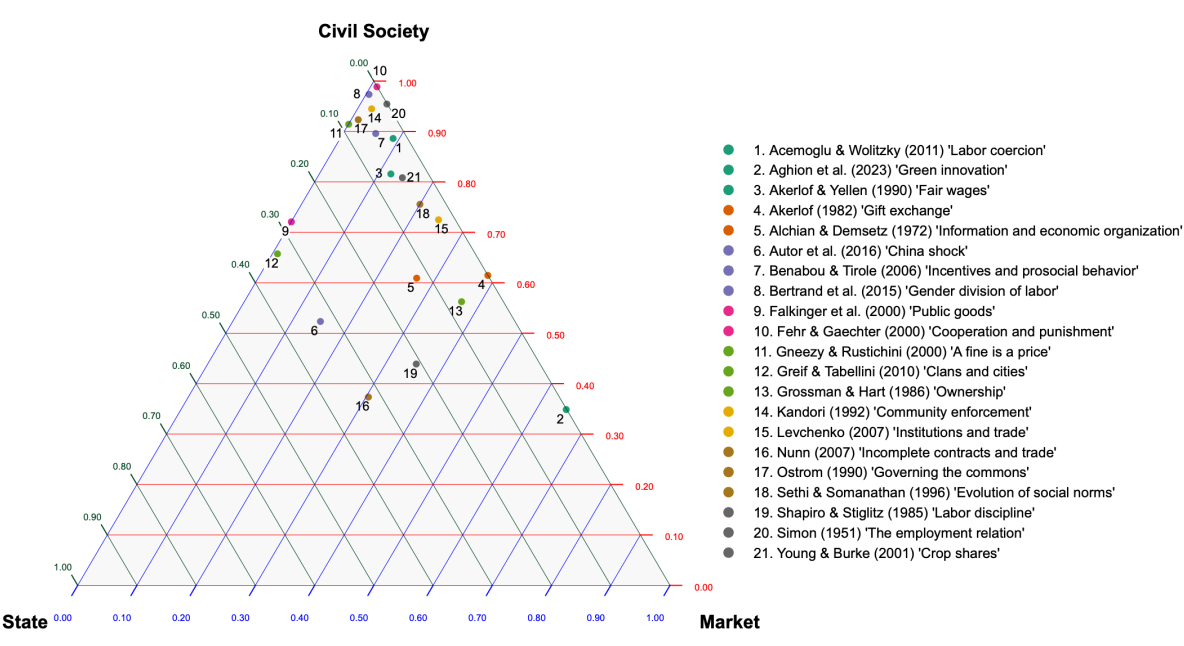
strategic interactions with an agent). Such an exchange does not entail the exercise of private power
or require the underpinning of social norms; it is in Lerner’s terms a “solved political problem.”
Advocating policies close to the state-market edge of the triangle continues to be attractive to
policymakers and economists who advise them precisely because this edge is where the familiar
Marshall-Walras inspired economics rules. But abstracting from social norms, the importance of
community and identity, the private exercise of power and other themes of civil society can produce
poor policy outcomes, as Autor et al.’s work on the China shock forcefully demonstrates. The recent
rise of ‘place-based’ industrial policies (Juhasz et al 2024) addresses the surprisingly limited
adjustment in local labor markets that Autor et al. documented and suggests a movement away from
the state-market edge of the governance triangle to take account of the importance of identity in
labor market behavior.
It may be that economics remains, as Lerner put it, queen of the social sciences. But if this is the
case, it did not occur by limiting ourselves to the world of self-interested actors, complete contracts
and enforceable fiats. Economics will have achieved this honor by expanding its domain to include
the implementation mechanisms and social preferences characteristic of civil society.
LITERATURE CITED
Acemoglu D, Wolitzsky A. 2011. The economics of labor coercion. Econometrica 79: 555-600 Aghion P, Benabou R, Martin R, Roulet A. 2023. Environmental preferences and technological
choices: Is market competition clear or dirty? . AER Insights 5: 1-20 Akerlof GA. 1982. Labor Contracts as Partial Gift Exchange. Quarterly Journal of Economics 97:
543-69 Akerlof GA, Kranton R. 2010. Identity Economics: How our identities shape our work, wages,
and well-being. Princeton: Princeton University Press. 200 pp. Akerlof GA, Yellen J. 1990. The Fair Wage-Effort Hypothesis and Unemployment. Quarterly
Journal of Economic s 105: 255-83 Alchian A, Demsetz H. 1972. Production, information costs, and economic organization.
American Economic Association 72: 777-95 Almond GA, Verba S. 1963. The Civic Culture: Political Attitudes and Democracy in Five
Nations. Princeton: Princeton University Press Alquist J, Levi M. 2014. In the interest of others: Organizations and social activism. Princeton:
Princeton University Press Ambedkar BR. 1994. Draft Constitution-- Discussion (1948). In Dr. Babasaheb Ambedkar's
Writings and Speeches, ed. V Moon. Bombay: Government of Maharashtra Arrow K. 1963a. Uncertainty and the welfare economics of medical care. American Economic
Association 53: 941-73






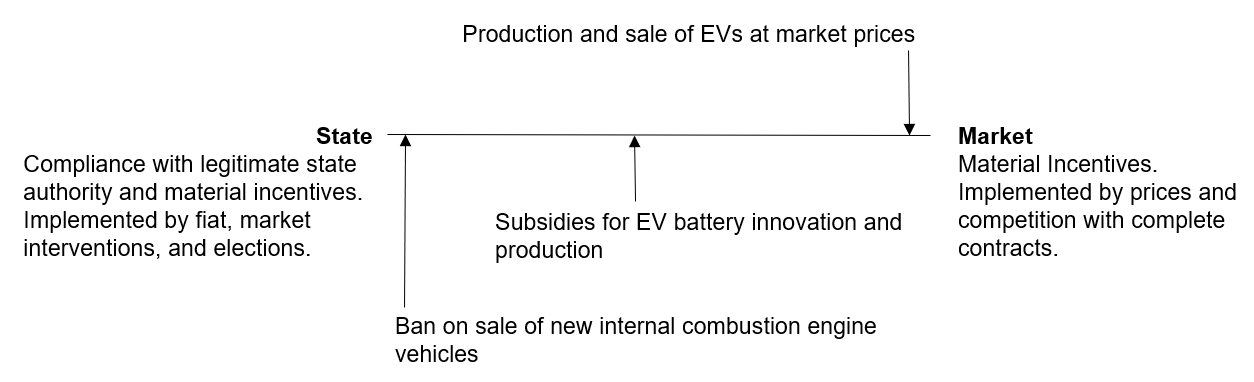
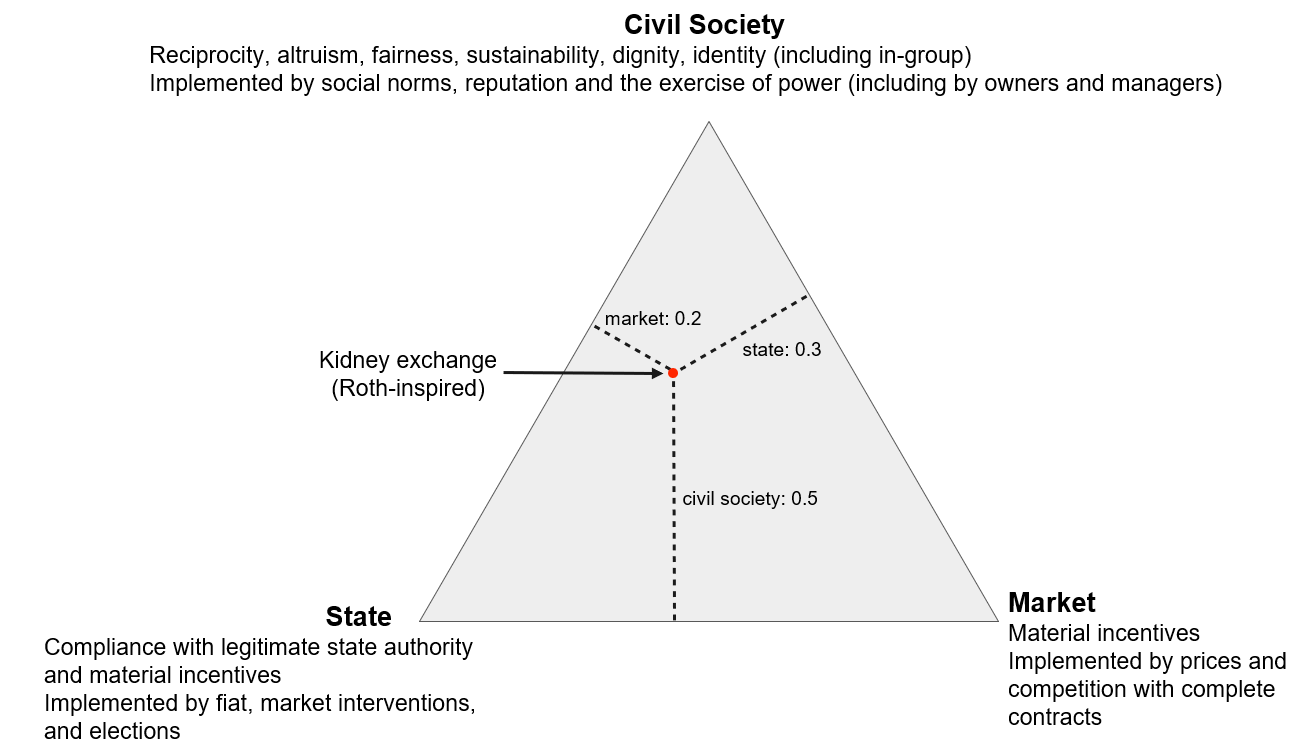
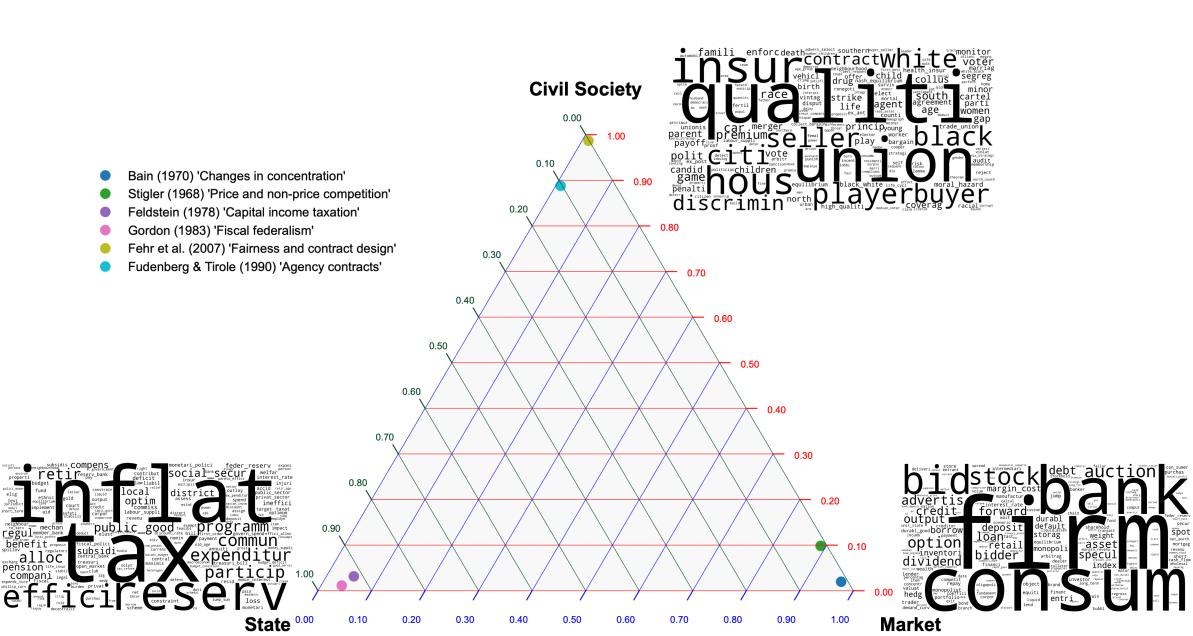
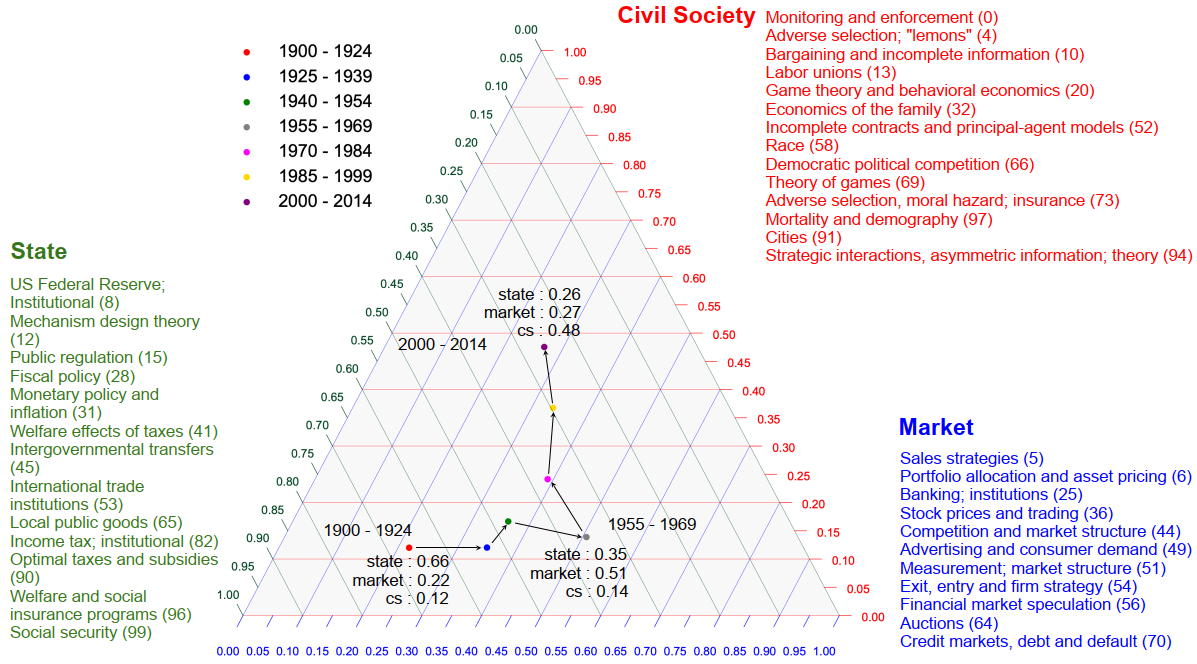
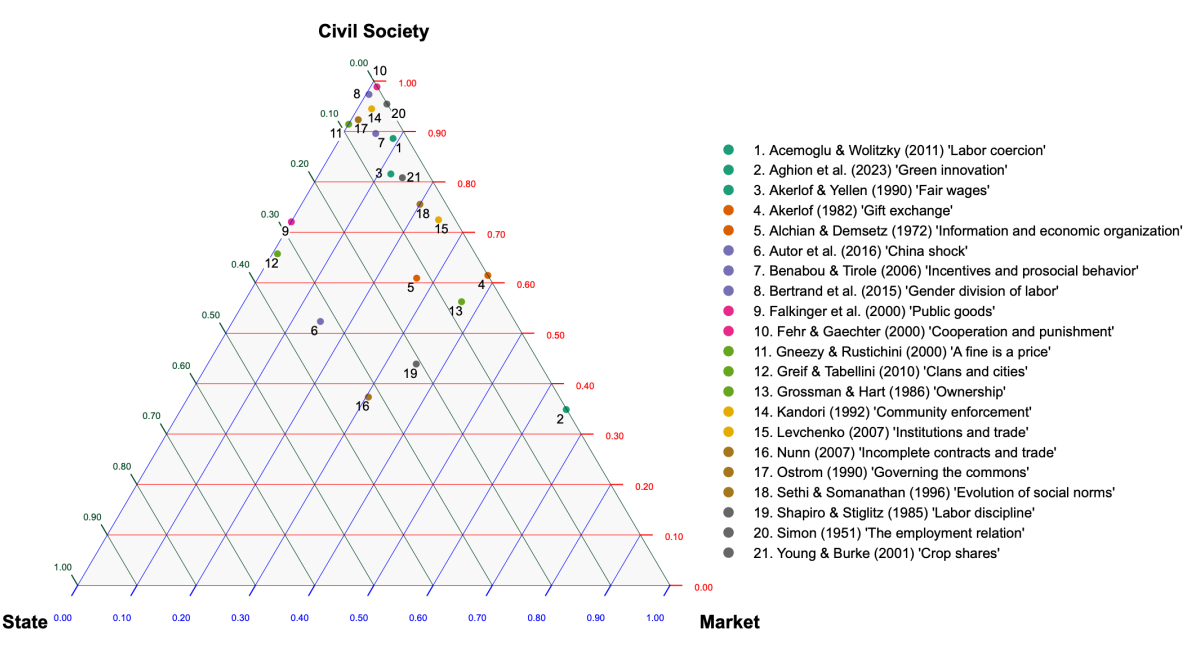
Arrow KJ. 1963b. Social Choice and Individual Values. New York: John Wiley & Sons Arrow KJ. 1971. Political and Economic Evaluation of Social Effects and Externalities. In
Frontiers of Quantitative Economics, ed. MD Intriligator, pp. 3-23. Amsterdam: North Holland Atkinson A, Stiglitz JE. 2015. Lectures on Public Economics. New York: McGraw-Hill Autor D, Dorn D. 2013. The growth of low-skill service jobs and the polarization of the US labor
market. American Economic Review 103: 1553-97 Autor D, Dorn D, Hanson G. 2016. The China Shock: Learning from Labor-Market Adjustment to
Large Chnges in Trade. Annual Review of Economics 8: 205-40 Backhouse R, Cherrier B. 2017. The age of the applied economist: The transformation of
economics since the 1970s. History of Political Economy 49 (annual supplement) Bain J. 1970. Changes in concentration in manufacturing industries in the United States, 1954-
1966. Review of Economics and Statisitcs 54: 411-16 Bardhan P. 2000. Irrigation and Cooperation: An empirical analysis of 48 irrigation
communities in South India. . Economic Development and Cultural Change 48: 847-65 Becker G. 1958. Competition and Democracy. Journal of Law and Economics 1: 105-09 Becker G. 1974a. A theory of marriage. Journal of Political Economy 82: S11-26 Becker G. 1974b. A theory of marriage: Part II. Journal of Political Economy 82: S11-26 Becker GS. 1996. Accounting for Tastes. Cambridge, MA: Harvard University Press Benabou R, Tirole J. 2006. Incentives and Prosocial Behavior. American Economic Review 96:
1652-78 Bertrand M, Kamenica E, Pan J. 2015. Gender identity and relative income within households.
Quarterly Journal of Economic s: 571-614 Besley T. 2020. State capacity, reciprocity and the social contract. Econometrica 88: 1307-35 Besley T, Persson T. 2023. The political ecnomy of green transitions. Quarterly Journal of
Economic s: 1863-906 Black D. 1958. The theory of committees and elections. . Cambridge: Cambridge University
Press Blanchflower DG, Oswald AJ. 1994. The Wage Curve. Cambridge, MA: MIT Press Blanchflower DG, Oswald AJ. 2004. Well-Being over Time in Britain and the USA. Journal of
Public Economics: 1359-86 Boulding K. 1970. A primer on social dynamics" History as dialectics and development. New
York: Free Press Boulding K. 1973. The economy of love and fear: A preface to grants economics. Belmont, CA.:
Wadsworth Bowles S. 1985. The Production Process in a Competitive Economy: Walrasian, Neo-
Hobbesian, and Marxian Models. American Economic Review 75: 16-36 Bowles S. 1986. The process of production in a competitive economy: reply. American
Economic Review 76: 1203-04 Bowles S. 1991. The Reserve Army Effect on Wages in a Labour Discipline Model: U.S., 1954-
1987. In Making Economies More Efficient and More Equitable: Factors Determining Income Distribution, ed. T Mizoguchi, pp. 385-406. Oxford: Oxford University Press Bowles S. 2004. Microeconomics: Behavior, Institutions, and Evolution. Princeton: Princeton
University Press. 584 pp.






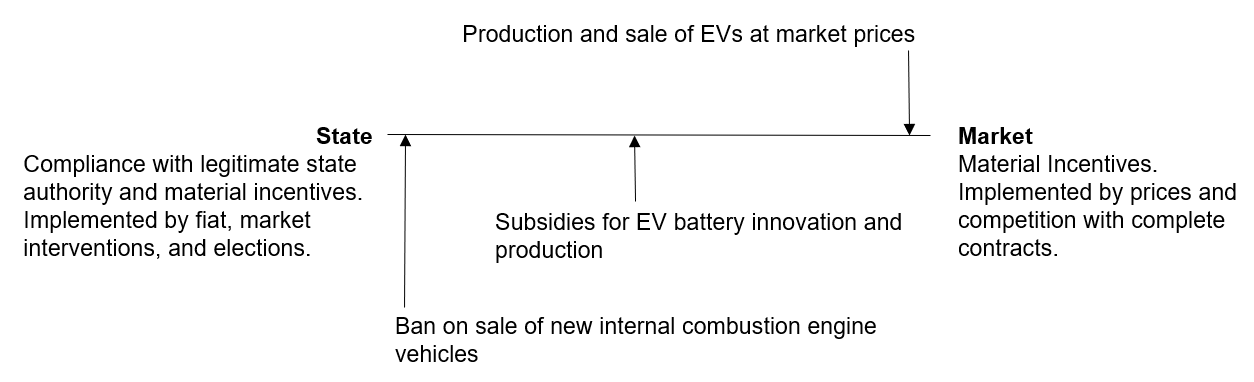
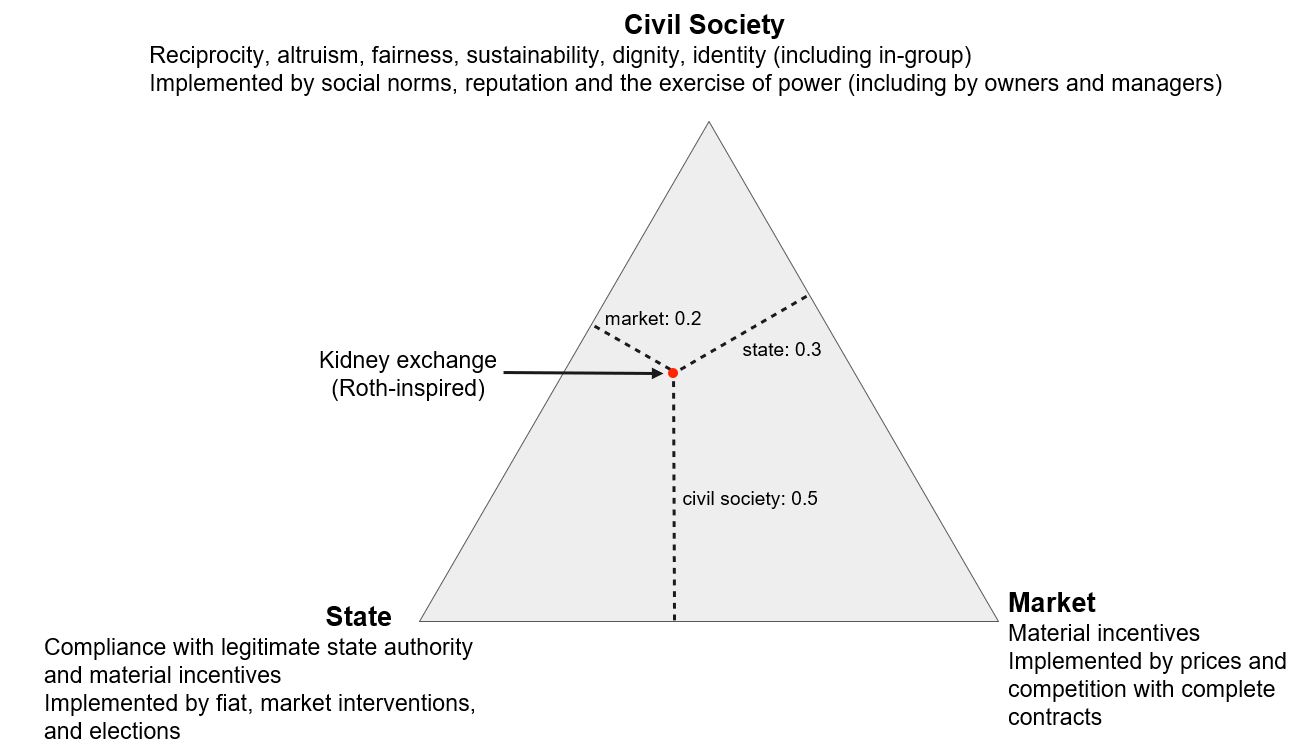
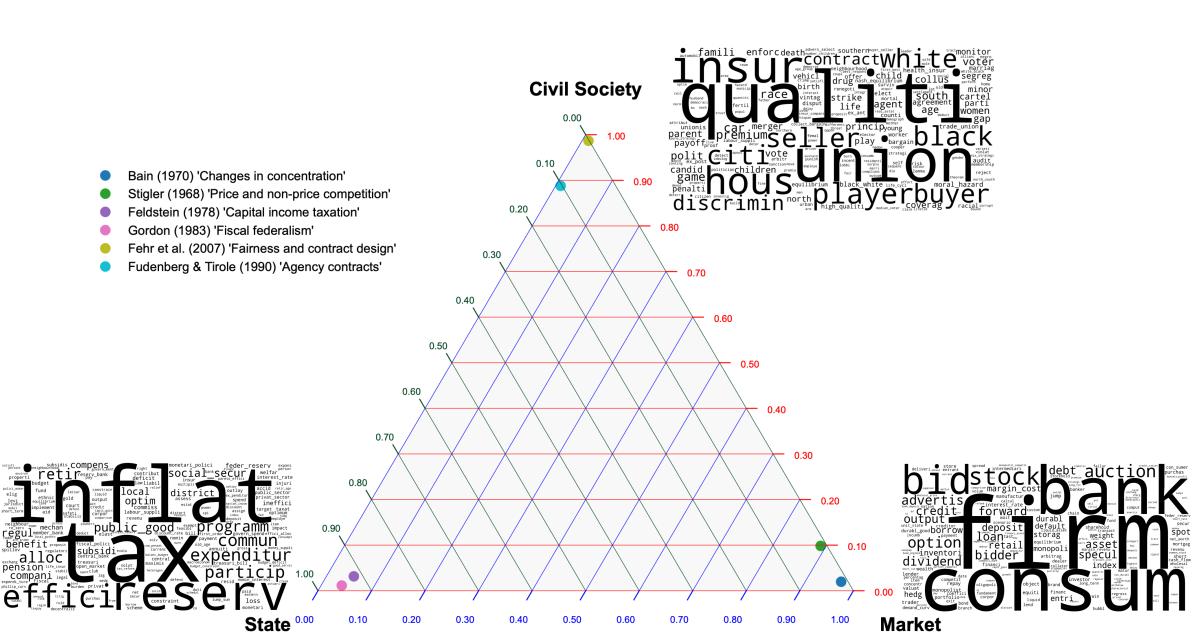
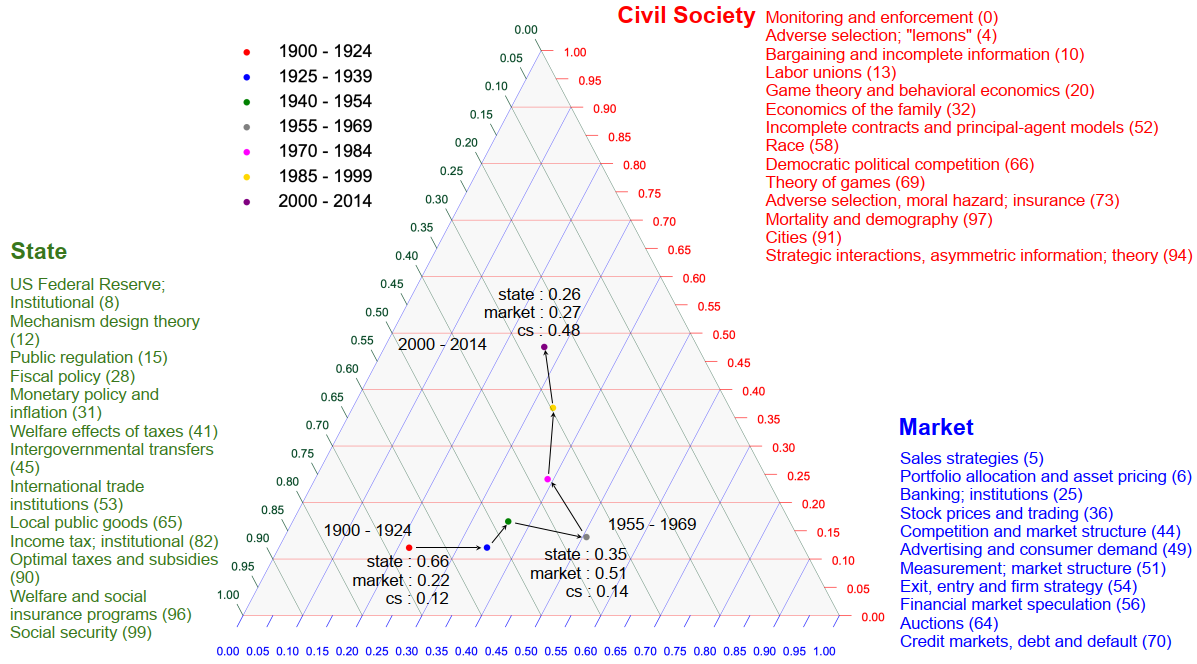
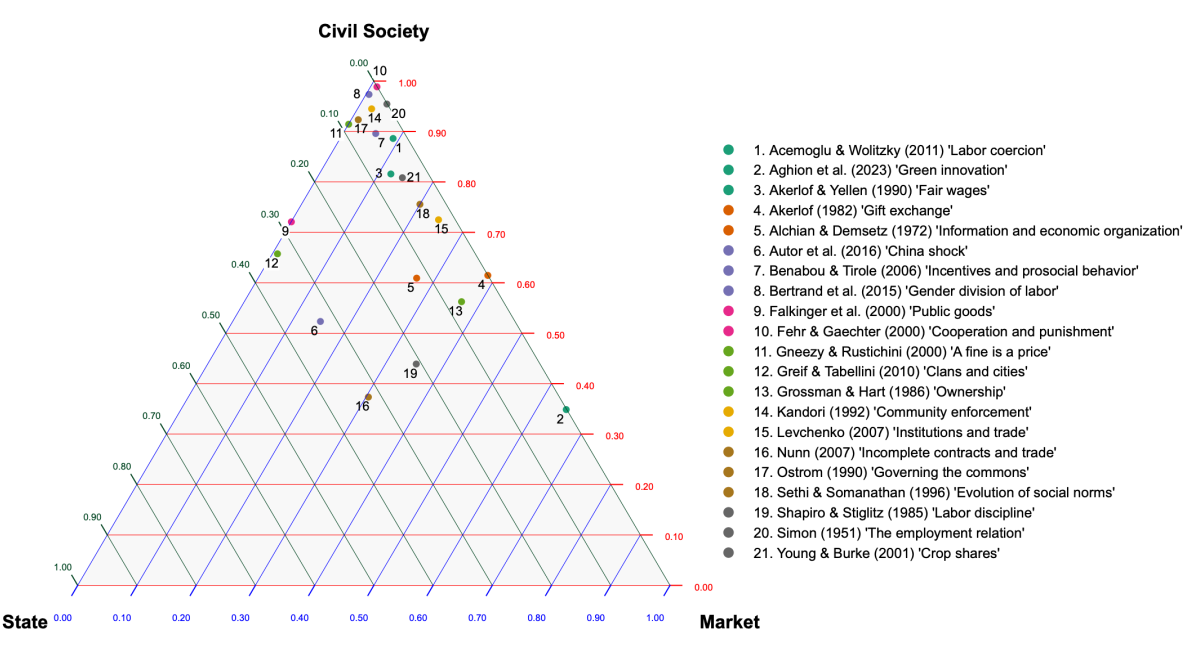
Bowles S. 2016. The Moral Economy: Why good incentives are no substitute for good citizens.
New Haven: Yale University Press Bowles S, Carlin W. 2020a. Shrinking capitalism. American Economic Association, Papers and
Proceedings 110: 372-77 Bowles S, Carlin W. 2020b. What students learn in economics 101: Time for a change. Journal
of Economic Literature 58: 176-214 Bowles S, Carlin W, Subramanyam S. 2025. Civil society comes of age in Economics: Tracking
100 years of research beyond markets and states. Economics Letters in press Bowles S, Gordon D, Weisskopf T. 1983. Hearts and Minds: A Social Model of U.S. Productivity
Growth. Brookings Papers on Economic Activity: 381-450 Bowles S, Hwang S-H. 2008. Social Preferences and Public Economics: Mechanism design
when preferences depend on incentives. Journal of Public Economics Vol 92: 1811-20 Bowles S, Polania-Reyes S. 2012. Economic Incentives and Social Preferences: Substitutes or
Complements? Journal of Economic Literature 50: 368-425 Bowles S, Schmelz K. 2026. Do liberal institutions sustain the liberal culture they require?
Endogenous social preferences and why they matter. In Handbook of Culture and Economic Behavior, ed. N Nunn, B Enke, L Wantchekon, P Giuliano: Elsevier Boyd R, Gintis H, Bowles S. 2010. Coordinated Punishment of Defectors Sustains Cooperation
and Can Proliferate When Rare. Science 328: 617-20 Braaten RH. 2014. Land rights and community cooperation: Public goods experiments from
Peru. World Development 61: 127-41 Breza E, Kaur S, Krishnaswamy N. 2025. Social norm as a determinant of aggregate labor
supply: Evidence from decentralized spot markets. Unpublished manuscript Brochu P, Green DA, Lemieux T, Townsend J. 2025. The minimum wage, turnover, and the shape
of the wage distribution. Journal of Labor Economics forthcoming Buchanan J, Tullock G. 1962. The calculus of consent: logical foundations of constitutional
democracy. Ann Arbor: University of Michigan Press Burke M. 2015. The disributional effects of contractual norms: The case of cropshare
agreements. Federal Reserve Bank of Boston Research Department Working Paper 15-7 Coase RH. 1937. The Nature of the Firm. Economica 4: 386-405 Coase RH. 1992. The Institutional Structure of Production. American Economic Review 82:
713-19 Coviello D, Deserranno E, Persico N. 2022. Minimum wage and individual worker productivity:
Evidence from a large U.S. retailer. Journal of Political Economy 130: 2315-59 Dahl RA. 1977. On Removing Certain Impediments to Democracy in the United States. Political
Science Quarterly 92: 1-20 Domar E, Musgrave RA. 1944. Proportional Income Taxation and Risk-Taking. Quarterly Journal
of Economics 58: 388-422 Downs A. 1957. An Economic Theory of Democracy. New York: Harper and Brothers Falkinger J, Fehr E, Gaechter S, Winter-Ebmer R. 2000. A simple mechanism for the efficient
provision of public goods. American Economic Review 90: 247-64 Farber H. 2005. What do we know about job loss in the United States. Economic Perspectives
29 Fehr E, Charness G. 2025. Social Preferences: Fundamental Characteristics and Economic
Consequesnces Journal of Economic Literature 62: 440-514






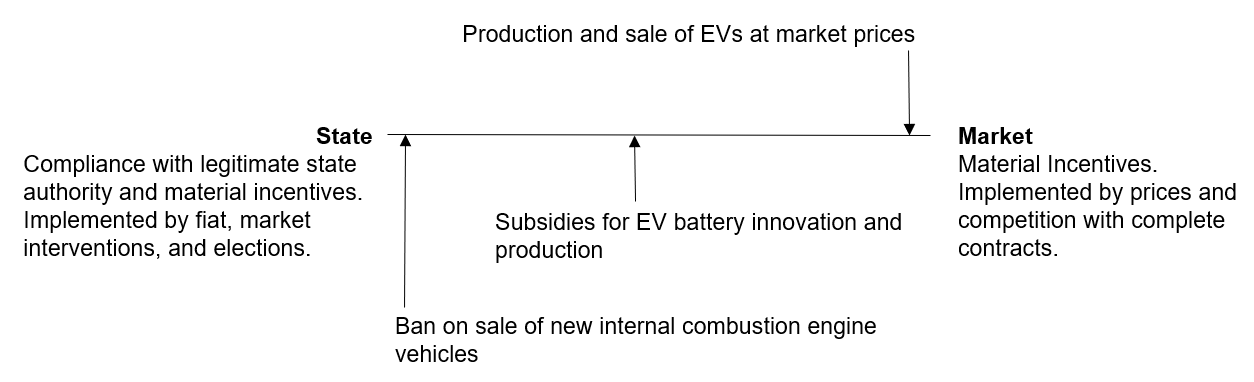
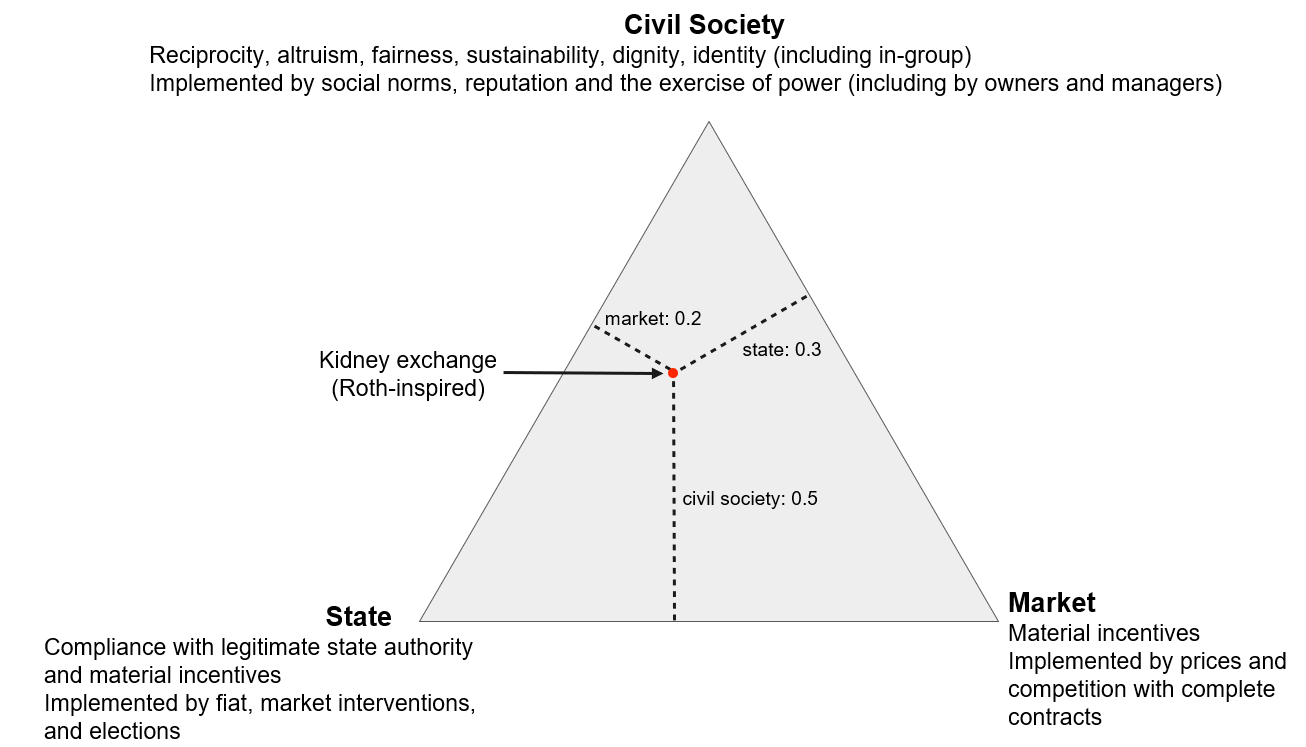
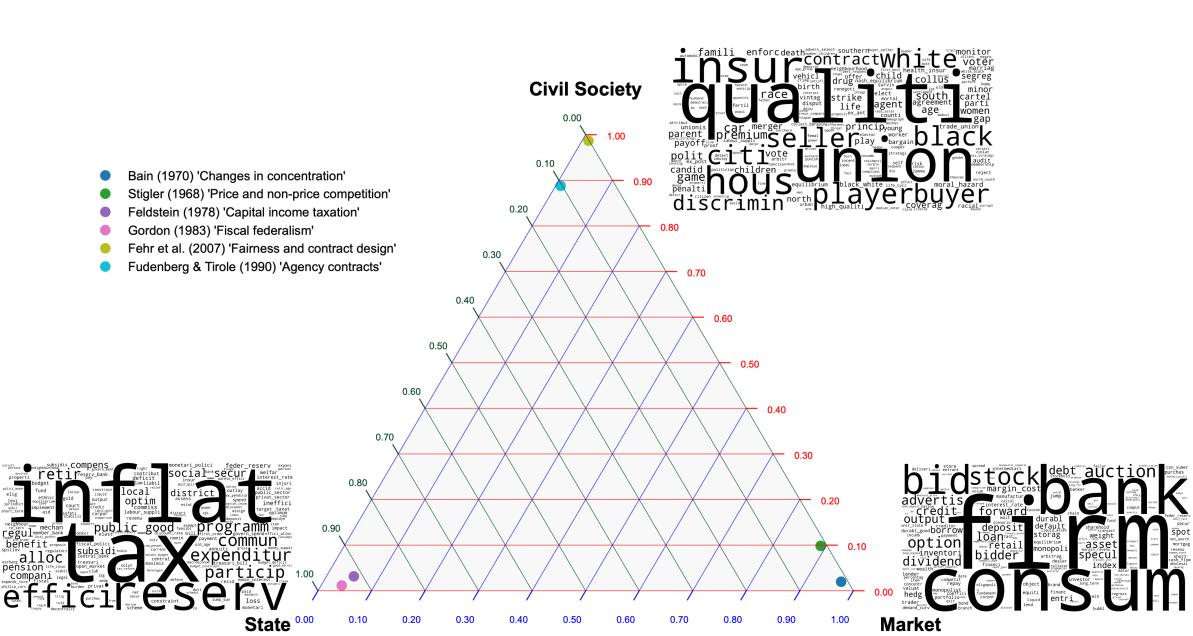
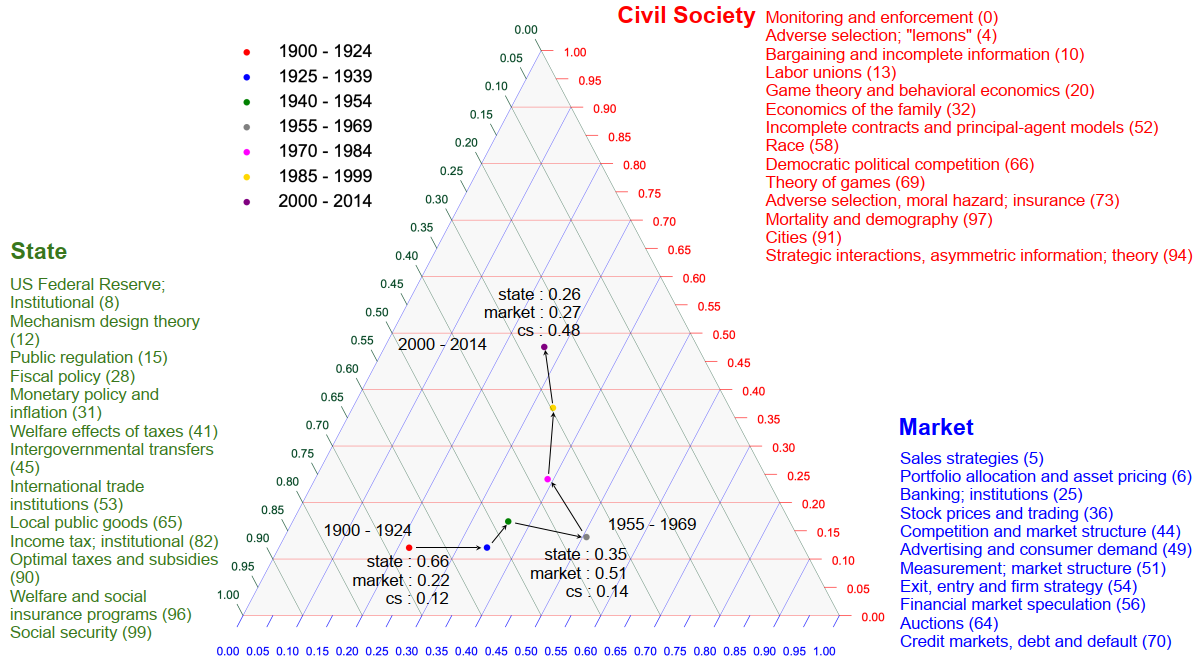
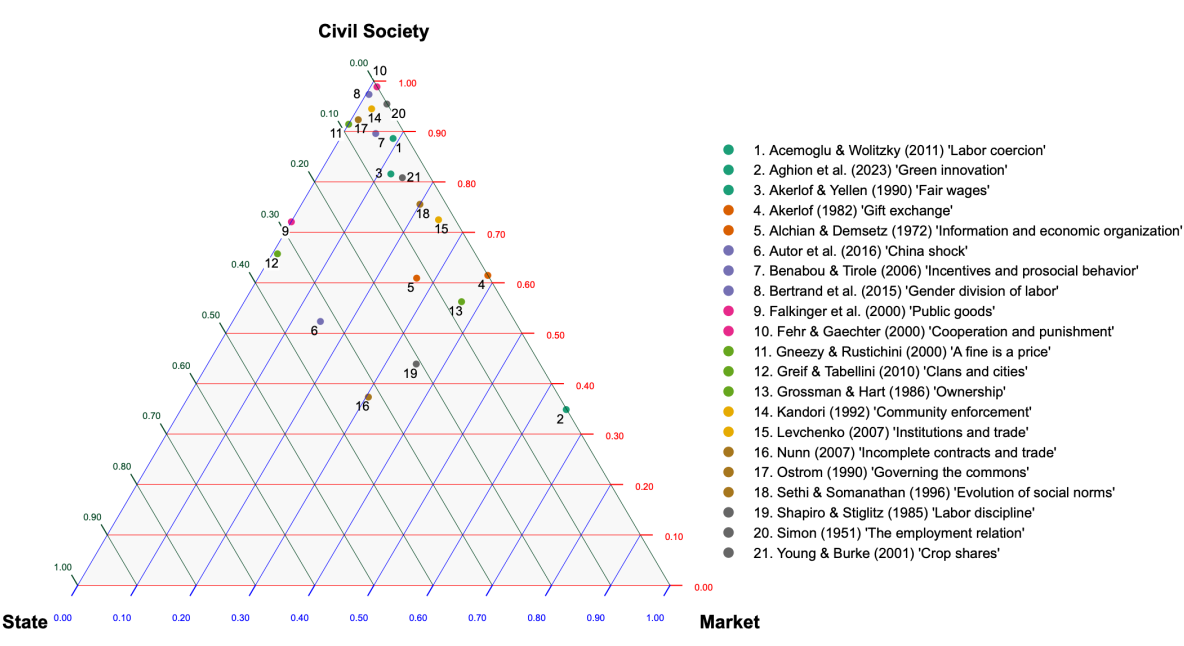
Fehr E, Gachter S. 2000. Cooperation and Punishment in Public Goods Games. American
Economic Review 90: 980-94 Fehr E, Gaechter S. 2000. Cooperation and Punishment in Public Goods Experiments.
American Economic Review 90: 980-94 Fehr E, Klein A, Schmidt KM. 2007. Fairness and Contract design. Econometrica 75: 121-54 Feldstein M. 1978. The welfare cost of capital income taxation. Journal of Political Economy
86: S29-S51 Fudenberg D, Pathak P. 2010. Unobserved punishment supports cooperation. Journal of Public
Economics 94: 78-86 Fudenberg D, Tirole J. 1990. Moral hazard and renegotiation in agency contracts. Econometrica
58: 1271-319 Gaither HR. 1949. Report of the Study Committee for the Ford Foundation on Policy and
Program,. Ford Foundation, Detroit Gintis H. 1972. A Radical Analysis of Welfare Economics and Individual Development.
Quarterly Journal of Economics 86: 572-99 Gneezy U, Rustichini A. 2000a. A Fine is a Price. Journal of Legal Studies 29: 1-17 Gneezy U, Rustichini A. 2000b. Pay enough or don't pay at all. Quarterly Journal of Economics
115: 791-810 Gordon R. 1983. An optimal taxation approach to fiscal federalism. Journal of Political
Economy 98: 567-86 Green D. 2025. Respect: Empirical labor economics and distributive justice. unpublished
manuscript. Greif A, Tabellini G. 2010. Cultural and Institutional Bifurcation: China and Europe Compared.
American Economic Association, Papers and Proceedings 100: 135-40 Grossman S, Hart O. 1986. The Costs and Benefits of Ownership: A Theory of Vertical and
Lateral Integration. Journal of Political Economy 94: 691-719 Han H. 2014. How organizations develop activists: Civic associations and leadership in the
21st century. Oxford: Oxford University Press Han H. 2024. Undivided: The quest for racial solidarity in American church. New York City:
Knopf Hardin G. 1968. The Tragedy of the Commons. Science 162: 1243-48 Hart O. 1995. Firms, Contracts, and Financial Structure. Oxford: Clarendon Press Hayek FA. 1945. The Use of Knowledge in Society. American Economic Review 35: 519-30 Hayek FA. 1948. The meaning of competition. In Individualism and Economic Order. Chicago:
University of Chicago Press Hirschman A. 1991. Exit Voice and Loyalty. Cambridge: Harvard University Press Jacobson L, LaLonde R, Sullivan D. 1993. Earnings losses of displaced workers. American
Economic Review 83: 685-709 Juhasz R, Lane N, Rodrik D. 2024. The new economics of industrial policy. Annual Review of
Economics 16: 216-42 Kandori M. 1992. Social Norms and Community Enforcement. Review of Economic Studies 59:
63-80 Kolm S-C. 1984. La bonne economie: La reciprocity generale. Paris: Presses Universitaires de
France






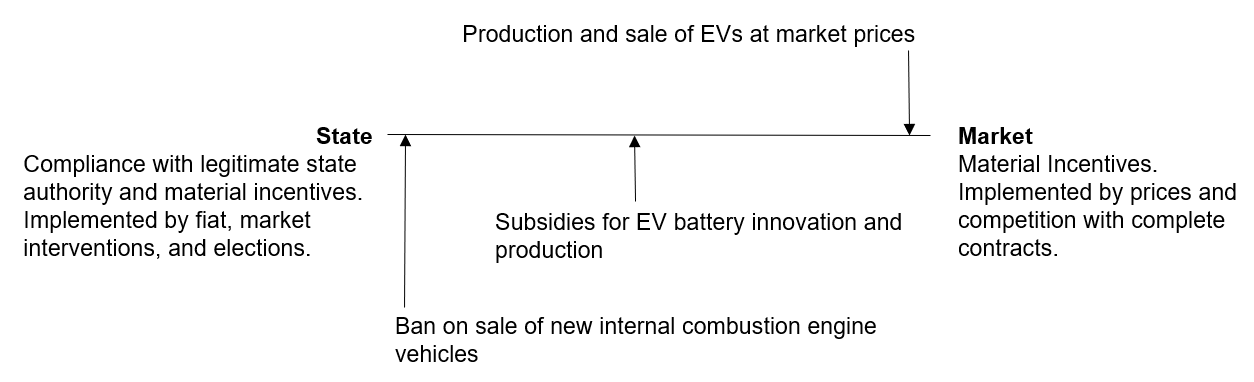
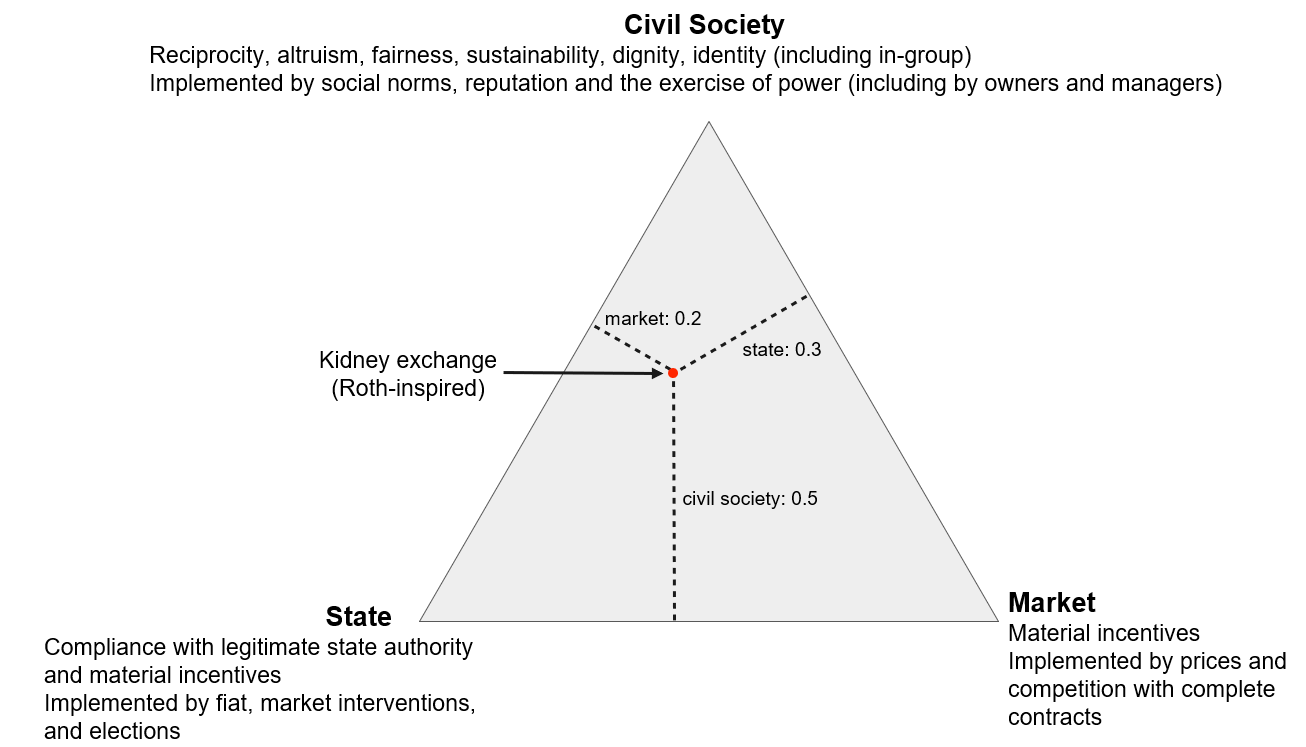
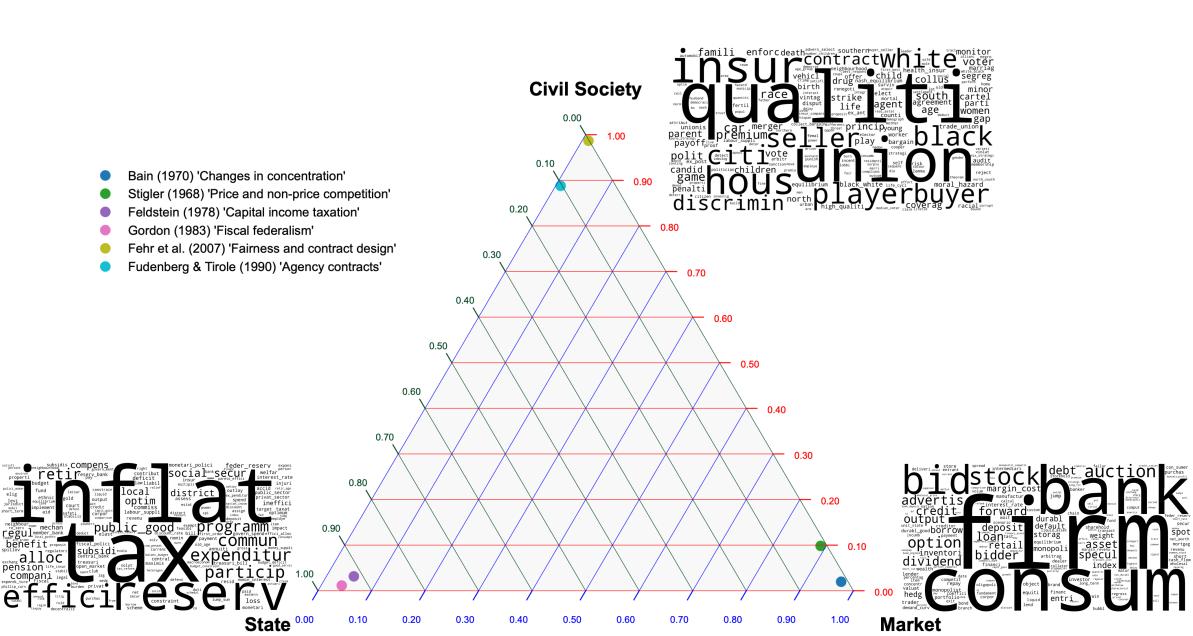
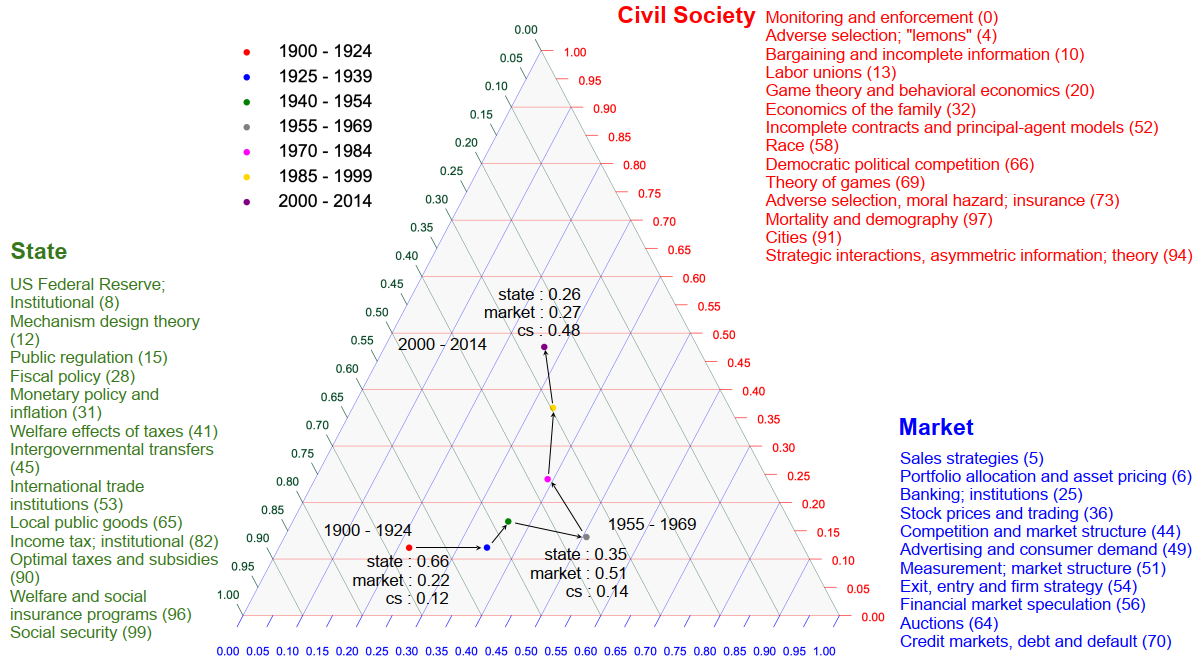
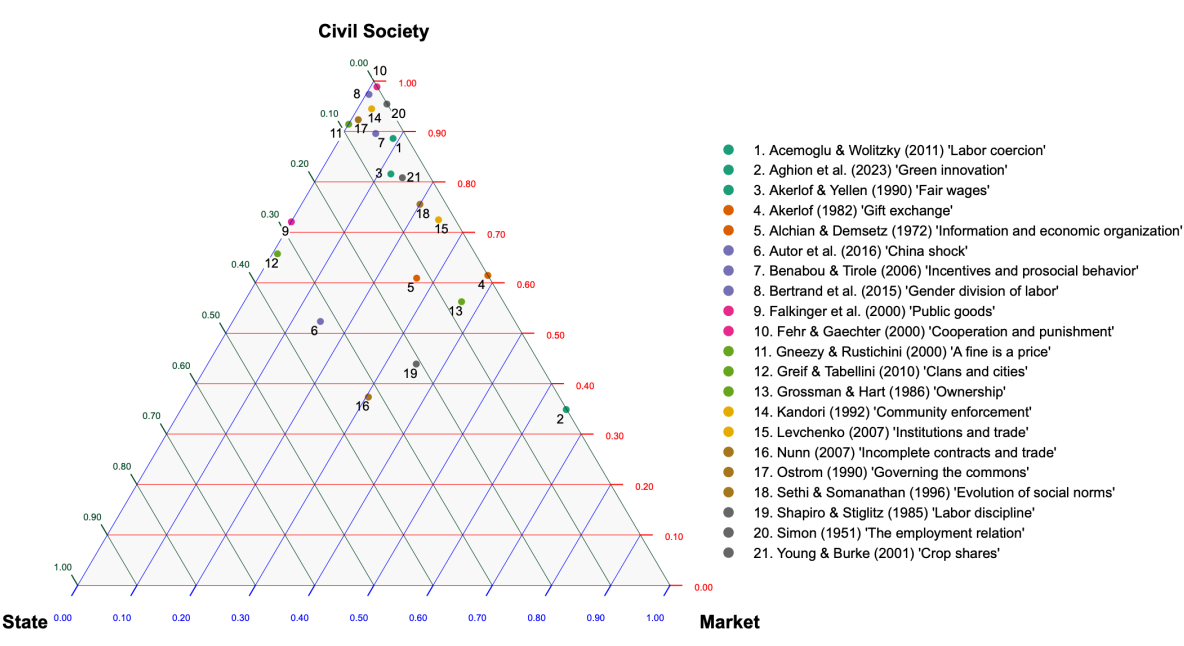
Kreps DM. 2023. Arguing About Tastes: Modeling How Context and Experience Change
Economic Preferences. New York: Columbia University Press Laffont JJ. 2008. Fundamentals of Public Economics. Cambridge: MIT Press Lazear E, Shaw K, Stanton C. 2016. Making do with less: Working harder during recessions.
Journal of Labor Economics 34: S330-S60 Leonard R. 1989. To advance human welfare! Economics and the Ford Foundation, 1950-1968.
Duke University Institute for Policy Studies and Public Affairs Working Paper Lerner A. 1972. The Economics and Politics of Consumer Sovereignty. American Economic
Review 62: 258-66 Levchenko A. 2007. Institutional quality and international trade. Review of Economic Studies
74: 791-819 Maayam Yeshoron Y. 2025a. Beyond Markets: The notion of 'social institution' in the work of
Arrow and Hurwicz. CHOPE Working paper 2025-09 Maayam Yeshoron Y. 2025b. Kenneth Arrow's fundamental critique of neoclassical economics.
Journal of Economic Methodology 32: 1-17 Makowski L, Ostroy J. 2001. Perfect competition and the creativity of the market. Journal of
Economic Literature XXXIX: 479-535 Marx K. 1973. Grundrisse: Foundations of the Critique of Political Economy. New York: Vintage Mattauch L, Hepburn C, Spuler F, Stern N. 2022. The economics of climate change with
endogenous preferences. Resource and energy economics 69: 1-19 Mill JS. 1929 [1848]. Principles of Political Economy with Some of Their Applications. London:
Longmans Green Nunn N. 2007. Relationship-specificity, incomplete contracts, and the pattern of trade.
Quarterly Journal of Economic s 122: 569-600 Oh S. 2023. Does identity affect labor supply? American Economic Review 113: 2055-83 Ostrom E. 1990. Governing the Commons: The Evolution of Institutions for Collective Action.
Cambridge, UK: Cambridge University Press Ostrom E. 2000. Collective Action and the Evolution of Social Norms. Journal of Economic
Perspectives 14: 137-58 Ouchi W. 1980. Markets Bureaucracies and Clans. Administrative Science Quarterly 25: 129-
41 Rajan R. 2019. The third pillar: How markets and the state leave the community behind. New
York: Penguin Roth AE, Sönmez T, Ünver MU, Delmonico FL, Said-man SL. 2006. Utilizing list exchange and
undirected Good Samaritan donation through ‘chain’ paired kidney donations. . American Journal of Transplantation 6: 2694-705. Rustagi D, Engel S, Kosfeld M. 2010. Conditional cooperation and costly monitoring explain
success in forest commons management. Science 330: 961-65 Sampson RJ, Raudenbush SW, Earls F. 1997. Neighborhoods and Violent Crime: A Multilevel
Study of Collective Efficacy. Science 277: 918-24 Sandel M. 2022. Democracy's discontent: A new edition for our perilous times. Cambridge:
Harvard University Press Schelling T. 1971. Dynamic models of segregation. Journal of Mathematical Sociology 1: 143-
86 Schelling T. 1978. Micromotives and Macrobehavior. New York: W. W. Norton & Co






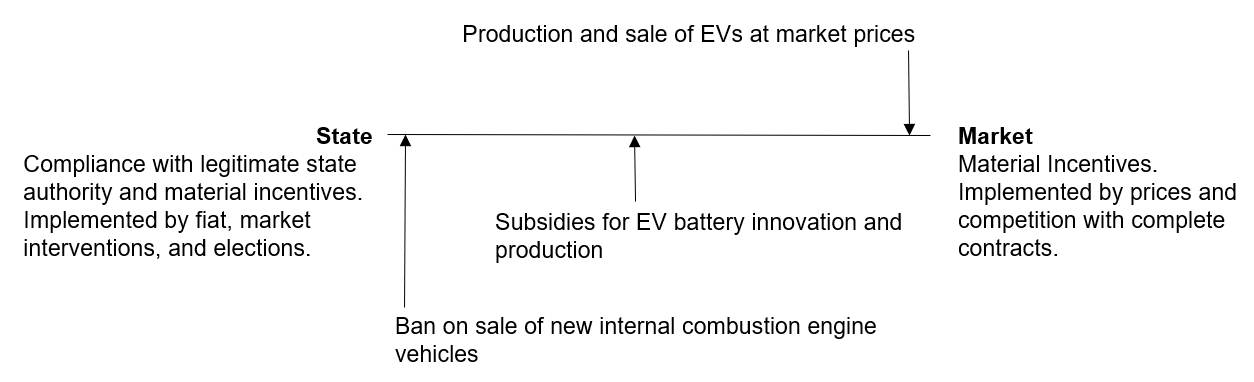
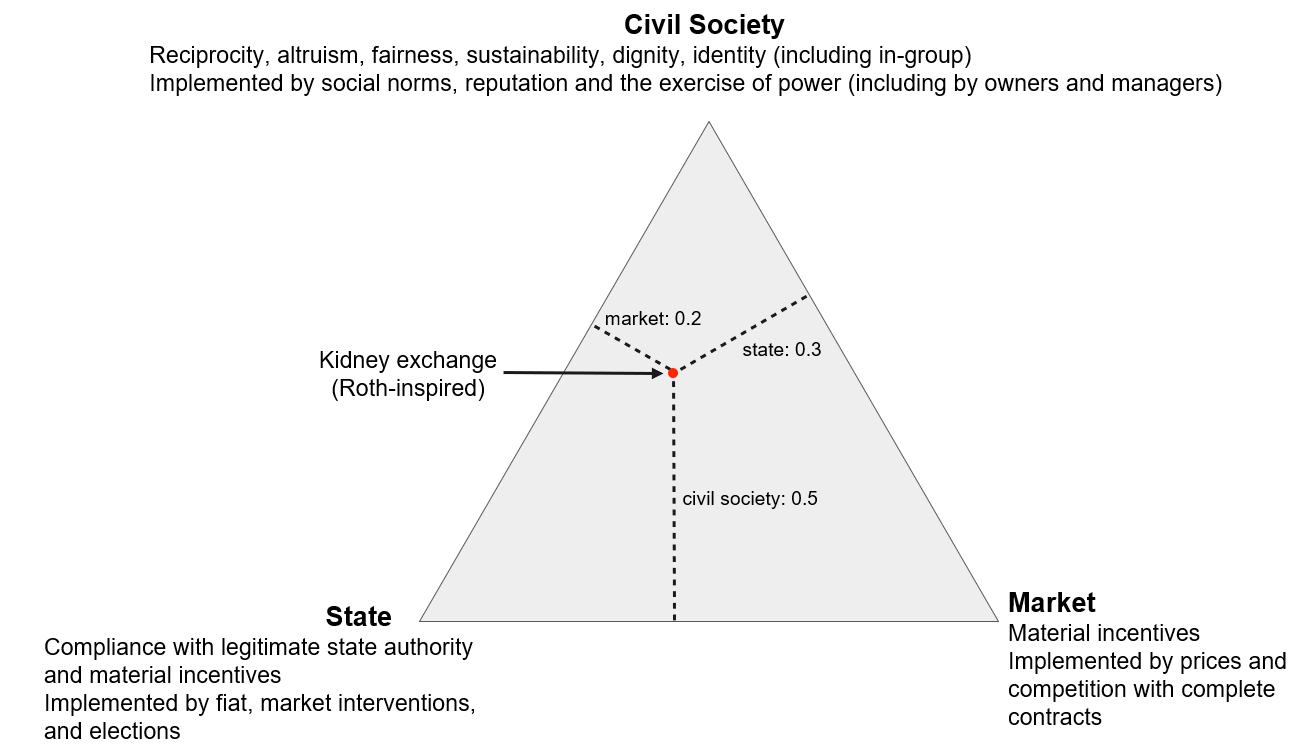
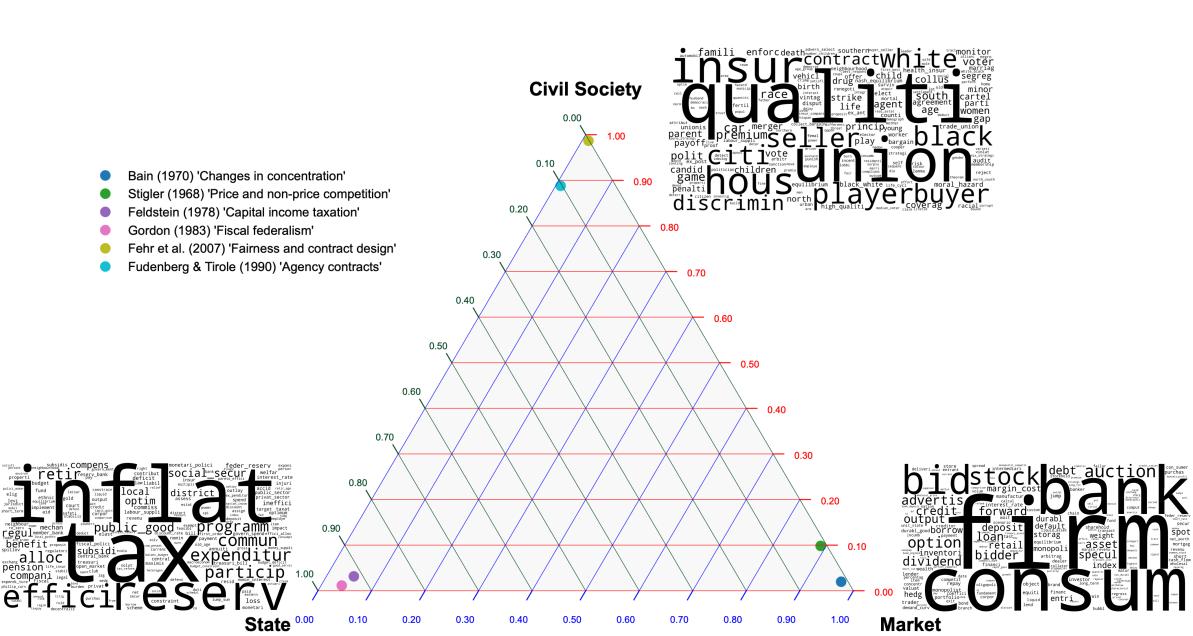
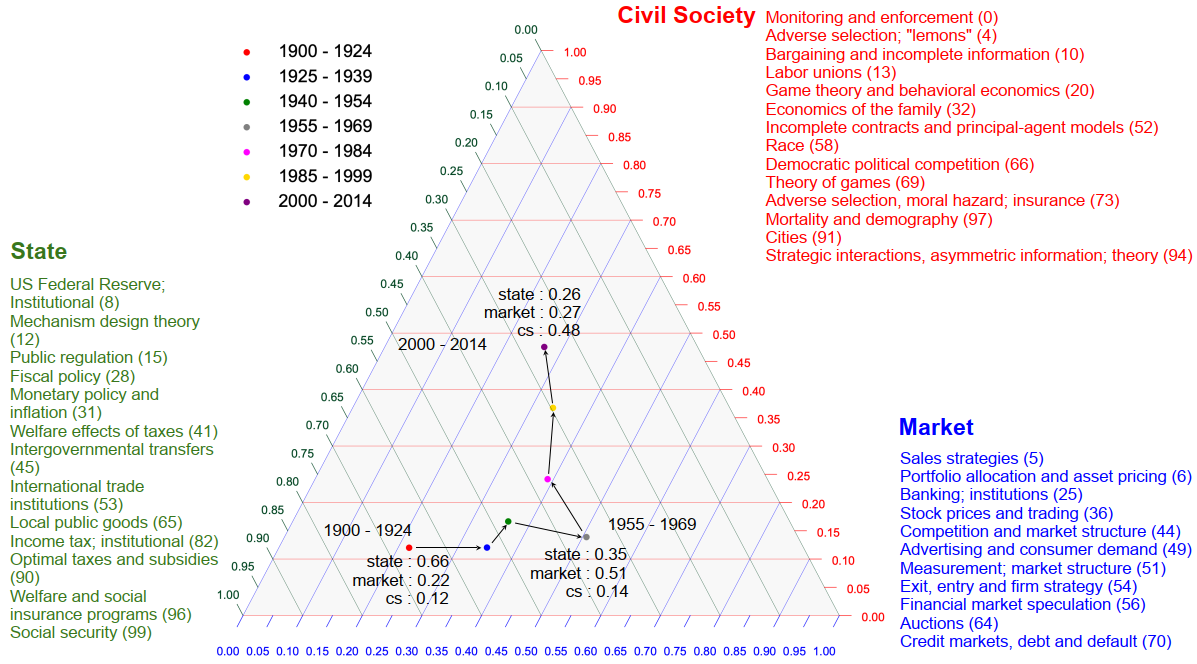
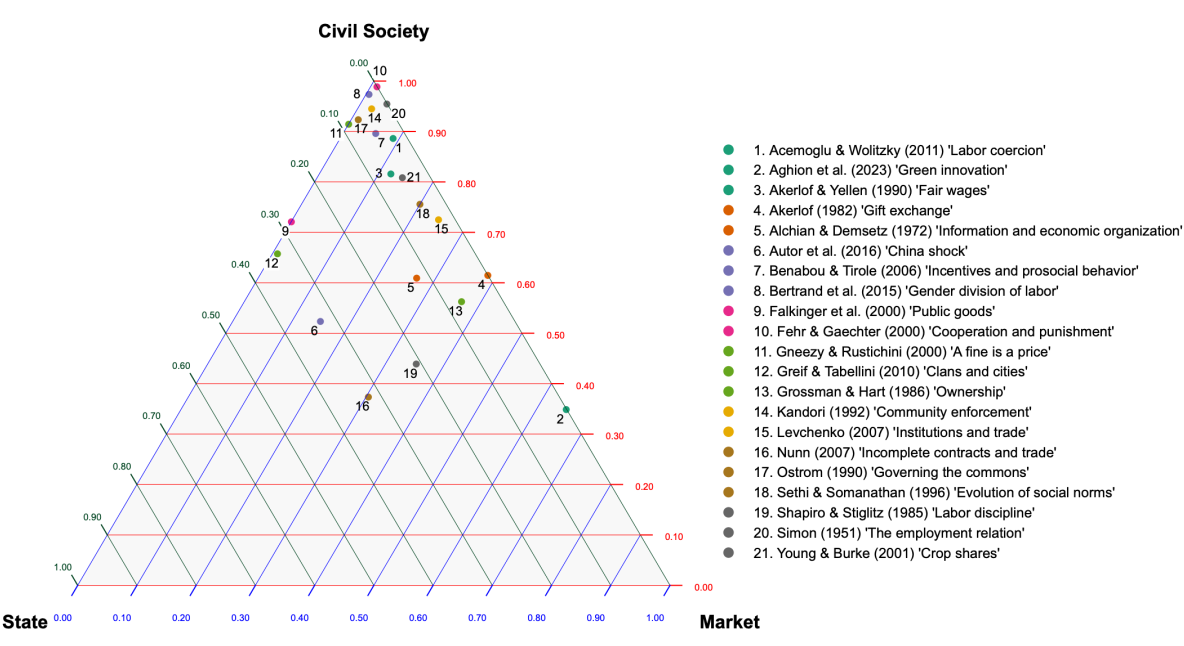
Schmelz K. 2021. Enforcement may crowd out voluntary support for COVID-19 policies,
especially where trust in government is weak and in a liberal society. Proceedings of the National Academy of Science 118 Schmelz K, Bowles S. 2025. Sustainable policies for a sustainable environment: Evidence on
pitfalls and opportunities in climate policy design Nature Sustainability forthcoming Schumpeter J. 1950. The March into Socialism. American Economic Review 40: 446-56 Sethi R, Somanathan E. 1996. The Evolution of Social Norms in Common Property Resource
Use. American Economic Review 86: 766-88 Shapiro C, Stiglitz J. 1984. Equilibrium Unemployment as a Worker Disciplining Device.
American Economic Review 75: 433-44 Simon H. 1951. A Formal Theory of the Employment Relation. Econometrica 19: 293-305 Simon HA. 1991. Organizations and Markets. Journal of Economic Perspectives 5: 25-44 Smith A. 1976 [1776]. An Inquiry into the Nature and Causes of the Wealth of Nations. Oxford:
Clarendon Press Solow R. 1990. The Labor Market as a Social Institution. Cambridge, UK: Basil Blackwell Stigler GJ. 1968. Price and non-price competition. Journal of Political Economy 76: 149-68 Stiglitz J. 1987. The Causes and Consequences of the Dependence of Quality on Price. Journal
of Economic Literature 25: 1-48 Verba S, Schlozman KL, Brady H. 1995. Voice and Equality: Civic Voluntarism in American
Politics. Cambridge, MA: Harvard University Press von Weizsäcker CC. 2024. Freedom and adaptive preferences. Milton Park: Routledge Williamson O. 1975. Markets and hierarchies, analysis and antitrust implications : a study in
the economies of internal organization. New York: Free Press Williamson OE. 1985. The Economic Institutions of Capitalism. New York: Free Press Young P, Burke M. 2001. Competition and Custom in Economic Contracts: A Case Study of
Illinois Agriculture. American Economic Review 91: 559-73
Powered by TCPDF (www.tcpdf.org)
📝 About this HTML version
This HTML document was automatically generated from the PDF. Some formatting, figures, or mathematical notation may not be perfectly preserved. For the authoritative version, please refer to the PDF.