The Seed as Compressed Biology:Conceptual modeling of wheat, maize and soybean in the AGI era - and why seed design now reaches deep into nutrition, processing and industrial strategy
Abstract
This essay argues that crop seeds should be modeled not as passive agricultural objects, but as compressed, executable biological systems. Wheat, maize and soybean encode different reserve logics, nutritional architectures and industrial behaviors. In the AGI era, seed design is becoming a coupled problem across breeding, sensing, process engineering, nutrition and regional strategy [1]-[8].
Full Text
SCIENTIFIC AMERICAN-STYLE MONOGRAPH
The Seed as Compressed Biology
Conceptual modeling of wheat, maize and soybean in the AGI era - and why seed design now reaches deep into nutrition, processing and industrial strategy
Co-created with OpenAI GPT-5.4 Thinking
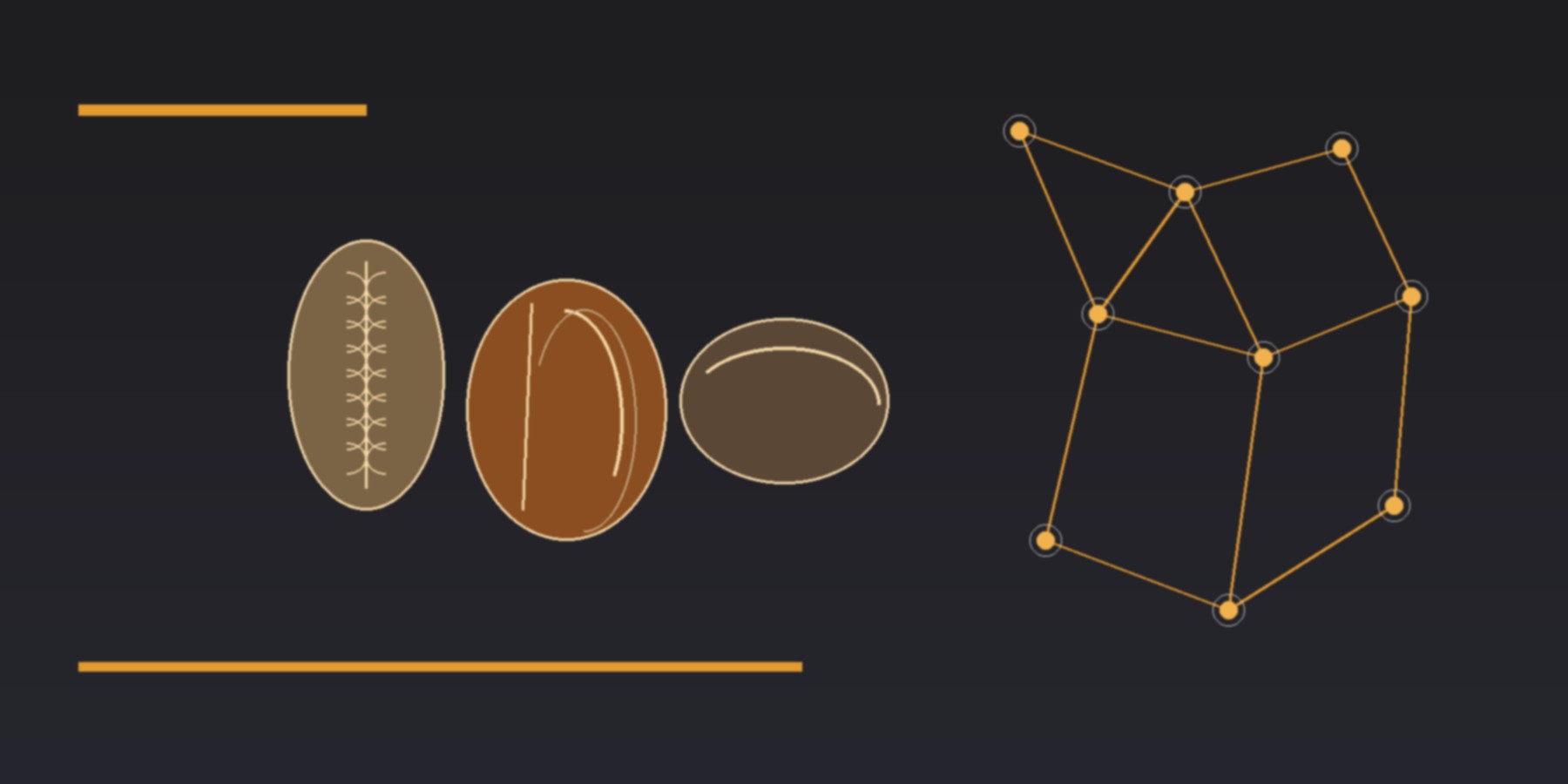
Focus This essay argues that crop seeds should be modeled not as passive agricultural objects, but as compressed, executable biological systems. Wheat, maize and soybean encode different reserve logics, nutritional architectures and industrial behaviors. In the AGI era, seed design is becoming a coupled problem across breeding, sensing, process engineering, nutrition and regional strategy [1]-[8].
Why the seed must be reimagined
A crop seed is easy to underestimate because it arrives in the world as a small, familiar thing: dry, silent, stackable, apparently inert. But conceptually it is one of the densest packages in biology. A seed is not merely stored matter. It is an information capsule, a metabolic reserve, a developmental restart protocol, a nutritional matrix and an industrial precursor all at once. Once it is framed that way, wheat, maize and soybean stop looking like interchangeable commodities and begin to appear as three distinct modes of biological compression.
That shift matters because agriculture is entering a period in which intelligence is moving upstream. The important design question is no longer only how to grow more biomass in the field. It is how to specify, sense, predict and process living materials whose inner architecture already determines downstream outcomes in milling, crushing, extrusion, emulsification, feed conversion and human nutrition. Recent reviews in plant breeding, agricultural digital twins and grain sensing all point in this direction: biological value is increasingly being treated as a modelable, data-rich system rather than a static trait list [4]-[6].
The seed is therefore becoming a privileged interface between life and computation. In the same way that the minimal-cell literature invites us to see the cell as executable biology, crop-seed modeling invites us to see the seed as executable agronomy. It contains a program for growth, but it also contains a program for
The Seed as Compressed Biology | 1
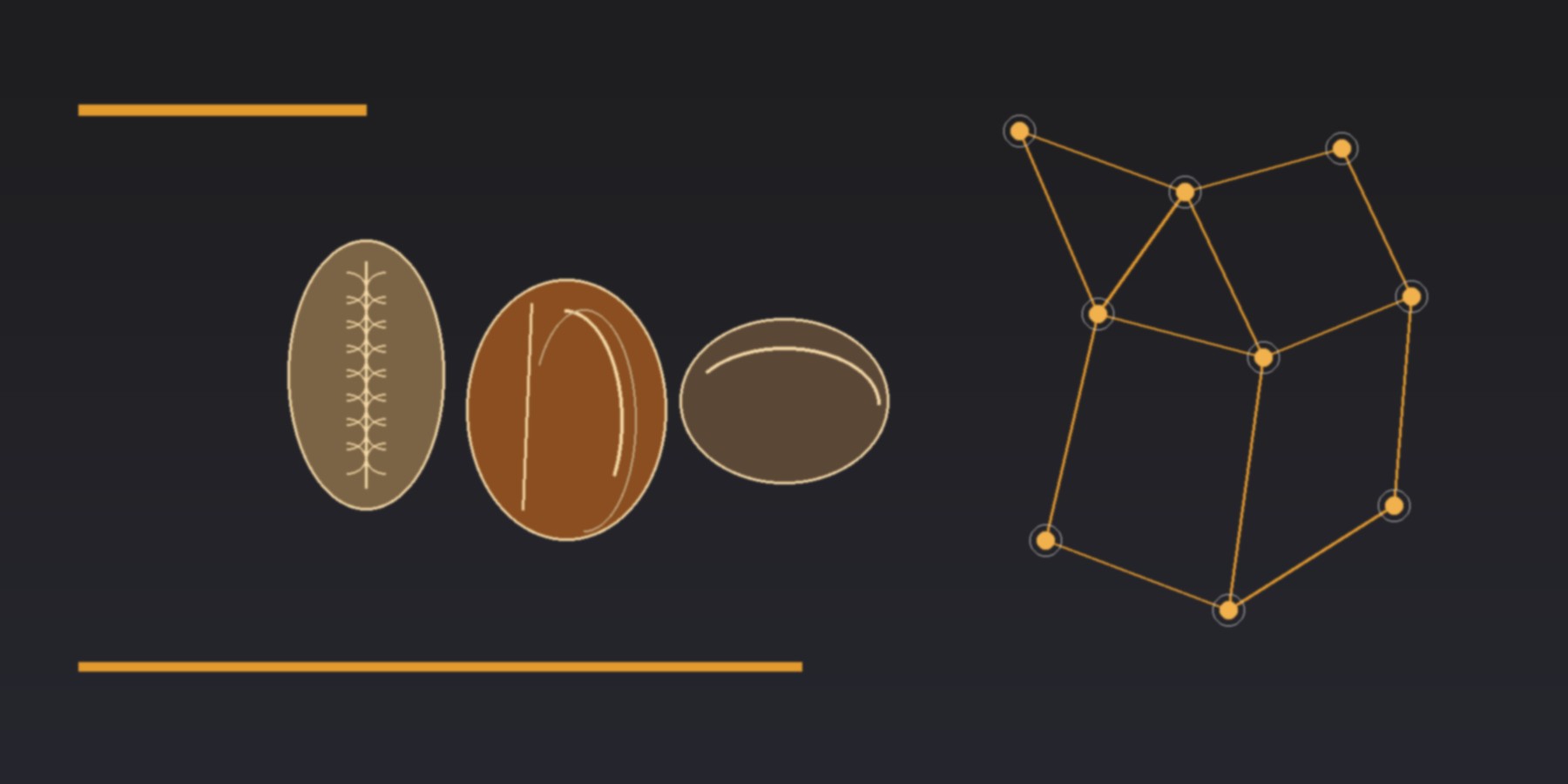
food and industry. The most decisive seed traits now sit simultaneously in the domains of genomics, developmental physiology, matrix chemistry and process behavior.
The seed is not simply a thing that is planted. It is a condensed decision architecture whose internal design propagates outward into nutrition, manufacturing and strategy.
A six-layer conceptual model of the seed
A useful conceptual model is to treat the seed as operating on six linked layers. The first is informational: the embryo and associated tissues contain developmental instructions that determine how growth can resume. The second is metabolic: the seed stores carbon, nitrogen and minerals in species-specific reserve forms. The third is architectural: tissues such as endosperm, bran, germ and cotyledons distribute mass and function unevenly across the seed body. The fourth is nutritional: those reserves and tissues shape digestibility, amino-acid balance, fiber content and micronutrient delivery. The fifth is industrial: the same composition determines how the material behaves under milling, mixing, crushing, extrusion, fermentation or emulsification. The sixth is strategic: seed design interacts with region, climate, input costs, storage, logistics and end-market use [1]-[8].
This layered view is especially helpful because it prevents a common reduction. Seeds are often described only by aggregate composition - protein, starch, oil, fiber. But total composition alone is not enough. A seed is not merely a bag of molecules. It is matter arranged in a way that both restarts life and conditions technological behavior. In wheat, the relationship between endosperm starch and gluten proteins gives the grain its unusual role in dough systems. In maize, kernel architecture underwrites multiple conversion pathways, from meal and flour to starch and industrial derivatives. In soybean, the partitioning of protein bodies and oil bodies within cotyledons makes the seed function almost like a portable biochemical refinery [1]-[3].
Three seed archetypes: wheat, maize and soybean
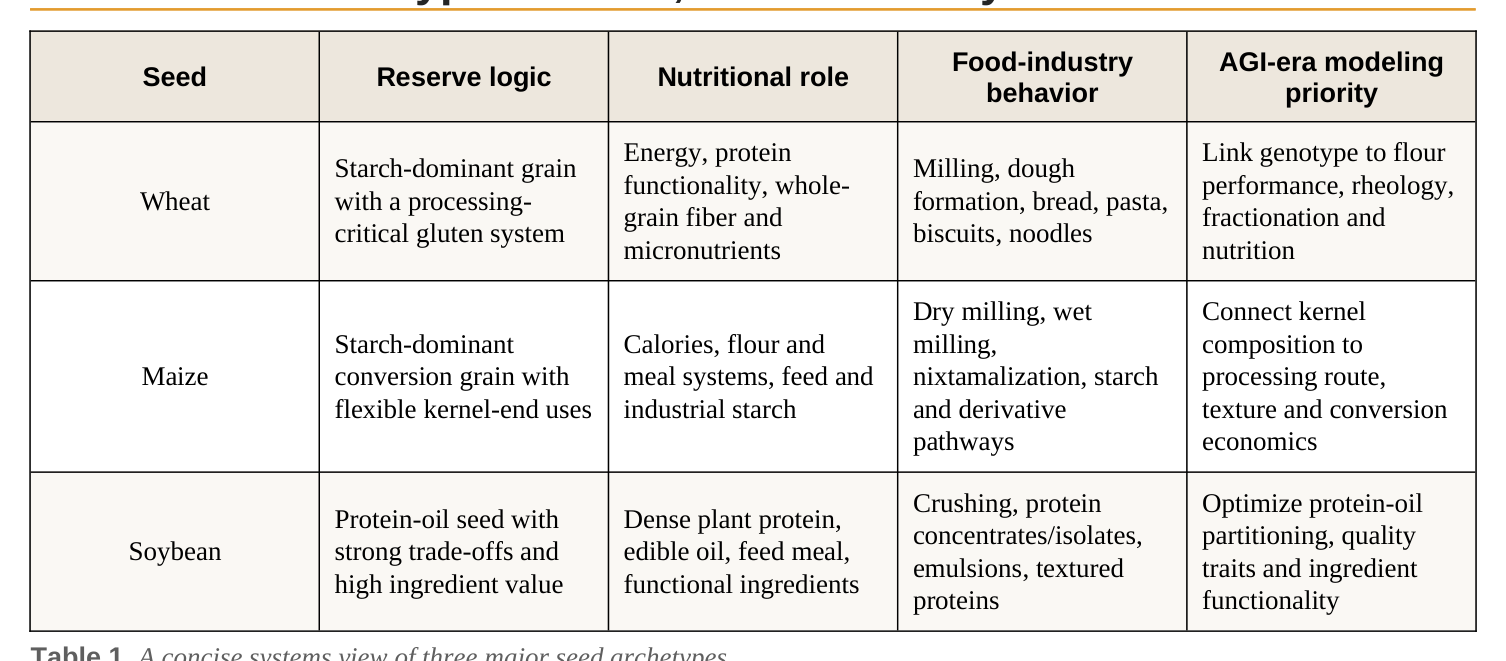
Seed Reserve logic Nutritional role Food-industry
AGI-era modeling
behavior
priority
Energy, protein functionality, whole- grain fiber and micronutrients
Link genotype to flour performance, rheology, fractionation and nutrition
Starch-dominant grain with a processing- critical gluten system
Milling, dough formation, bread, pasta, biscuits, noodles
Wheat
Dry milling, wet milling, nixtamalization, starch and derivative pathways
Connect kernel composition to processing route, texture and conversion economics
Starch-dominant conversion grain with flexible kernel-end uses
Calories, flour and meal systems, feed and industrial starch
Maize
Crushing, protein concentrates/isolates, emulsions, textured proteins
Optimize protein-oil partitioning, quality traits and ingredient functionality
Protein-oil seed with strong trade-offs and high ingredient value
Dense plant protein, edible oil, feed meal, functional ingredients
Soybean
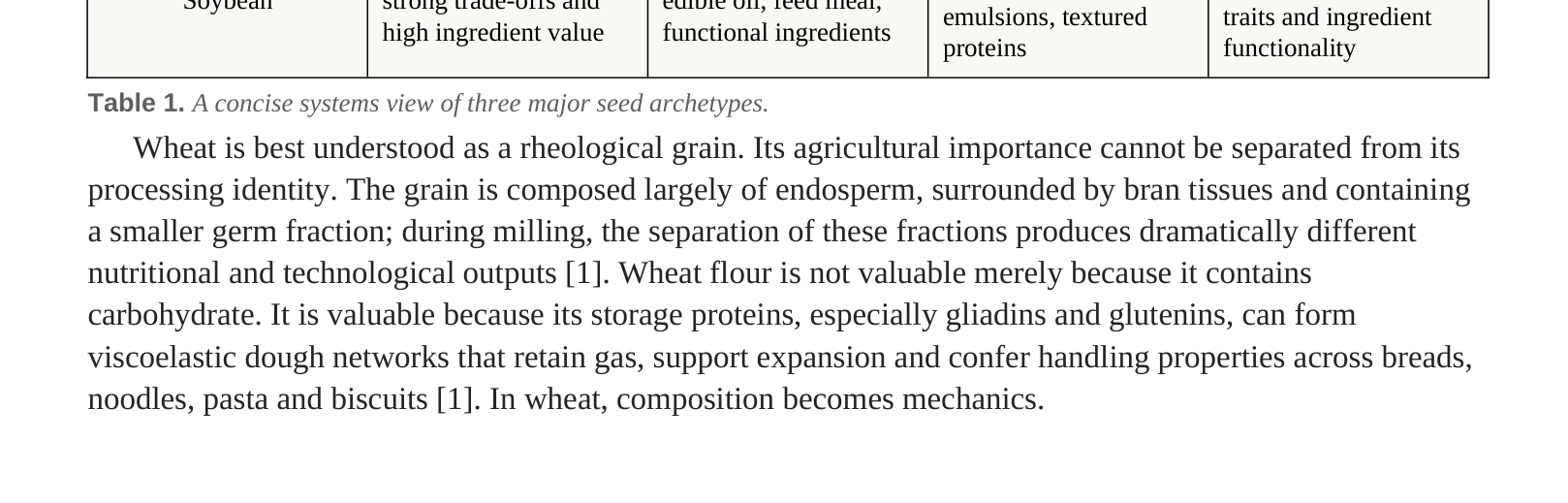
Table 1. A concise systems view of three major seed archetypes.
Wheat is best understood as a rheological grain. Its agricultural importance cannot be separated from its processing identity. The grain is composed largely of endosperm, surrounded by bran tissues and containing a smaller germ fraction; during milling, the separation of these fractions produces dramatically different nutritional and technological outputs [1]. Wheat flour is not valuable merely because it contains carbohydrate. It is valuable because its storage proteins, especially gliadins and glutenins, can form viscoelastic dough networks that retain gas, support expansion and confer handling properties across breads, noodles, pasta and biscuits [1]. In wheat, composition becomes mechanics.
The Seed as Compressed Biology | 2
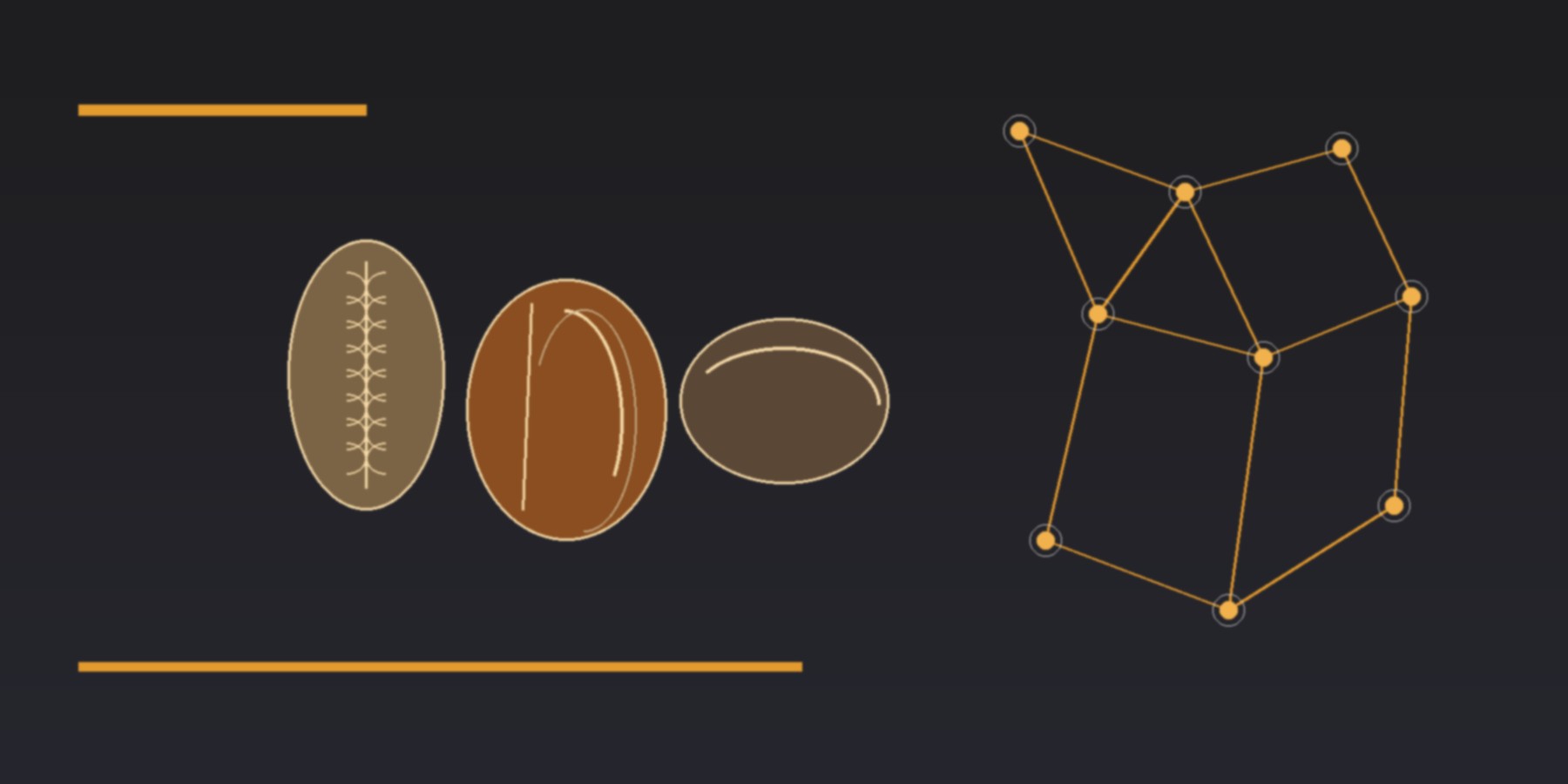
Maize is best understood as a conversion grain. Typical kernel composition is dominated by starch, with smaller but still consequential contributions from protein, oil, fiber and ash [2]. This balance makes maize extraordinarily versatile: it can move into meal and flour streams, feed systems, industrial starch pathways and nixtamalized food cultures. The same kernel therefore sits at the intersection of nutrition and bioprocessing. It is a seed built for transformation. The strategic question is not simply how much maize is produced, but which kernel architecture is best aligned with which conversion route.
Soybean is best understood as a protein-oil seed. Its cotyledons accumulate large storage pools of protein and lipid, making it central not only to feed and edible oil systems but also to the expanding landscape of plant-protein ingredients [3]. Soy functionality matters because soy proteins can gel, emulsify, bind water and interact with fats in useful ways across industrial formulations. Yet soybean also reveals a crucial law of seed design: desirable traits often do not rise together. Field evidence from Brazil confirms a persistent negative relation between seed protein concentration and yield, while broader soybean literature documents long-recognized tensions between protein and oil accumulation [3],[7]. Soybean is therefore not a shopping list of traits; it is an optimization problem.
Nutrition lives in the seed matrix, not only in the nutrient label
Nutrition is often reduced to totals: grams of protein, starch, fat or fiber. But food behavior begins deeper than the label. It begins in the matrix. In wheat, the arrangement of starch granules, protein bodies, bran layers and lipids affects both processing and digestion. In maize, dry-milled and nixtamalized pathways alter nutrient accessibility and consumer uses. In soybean, the transition from whole seed to meal, isolate, concentrate or textured ingredient changes the relationship between protein quality, fat delivery and food structure. The lesson is simple but profound: nutrition is partly molecular, but it is also architectural [1]-[3].
This is why cereal-legume complementarity remains so powerful in food systems. Wheat and maize provide scalable caloric density and broad processing utility. Soybean contributes dense plant protein and oil. The value of these seeds in human diets is therefore not redundant but complementary. One carries conversion-friendly carbohydrate; another contributes viscoelastic structure; the third contributes protein functionality and lipid-rich chemistry. The food industry exploits exactly this complementarity, whether in breads, tortillas, infant foods, feed formulations, snacks, analog proteins or blended ingredients.
From an industrial nutrition perspective, the most important variable may no longer be nutrient addition downstream, but seed design upstream. If breeders and process engineers can jointly specify the seed matrix - its reserve partitioning, tissue geometry, protein quality and process response - then healthier and more efficient food systems can be designed earlier in the chain. The seed becomes a pre-structured nutritional platform rather than an inert input awaiting correction in the factory.
Why food industry should model seeds as process-ready matter
The food industry does not buy biology in the abstract. It buys behavior under stress: milling stress, shear stress, thermal stress, storage stress, hydration stress. A kernel or bean becomes valuable when it behaves predictably under those transformations. Wheat is a canonical example. Bakers care about dough stability, extensibility, elasticity, gas retention and loaf volume, not just about crude protein. Maize processors care about kernel hardness, starch accessibility, milling yield, masa quality and downstream texture. Soy users care about crushing returns, isolate performance, solubility, emulsifying ability, gelation behavior and flavor- management pathways [1]-[3].
This means that seed quality should be treated as an interface problem. Seed traits propagate outward into factory settings, energy requirements, ingredient yields, shelf behavior and consumer experience. A wheat cultivar that performs magnificently in the field but poorly in dough is not, in industrial terms, an unequivocal success. A soybean with high yield but declining protein concentration may still create friction in meal or isolate markets. A maize lot with acceptable composition but poor fit to a target processing route can destroy value silently, through lower recovery, weaker texture or tighter process windows.
The Seed as Compressed Biology | 3
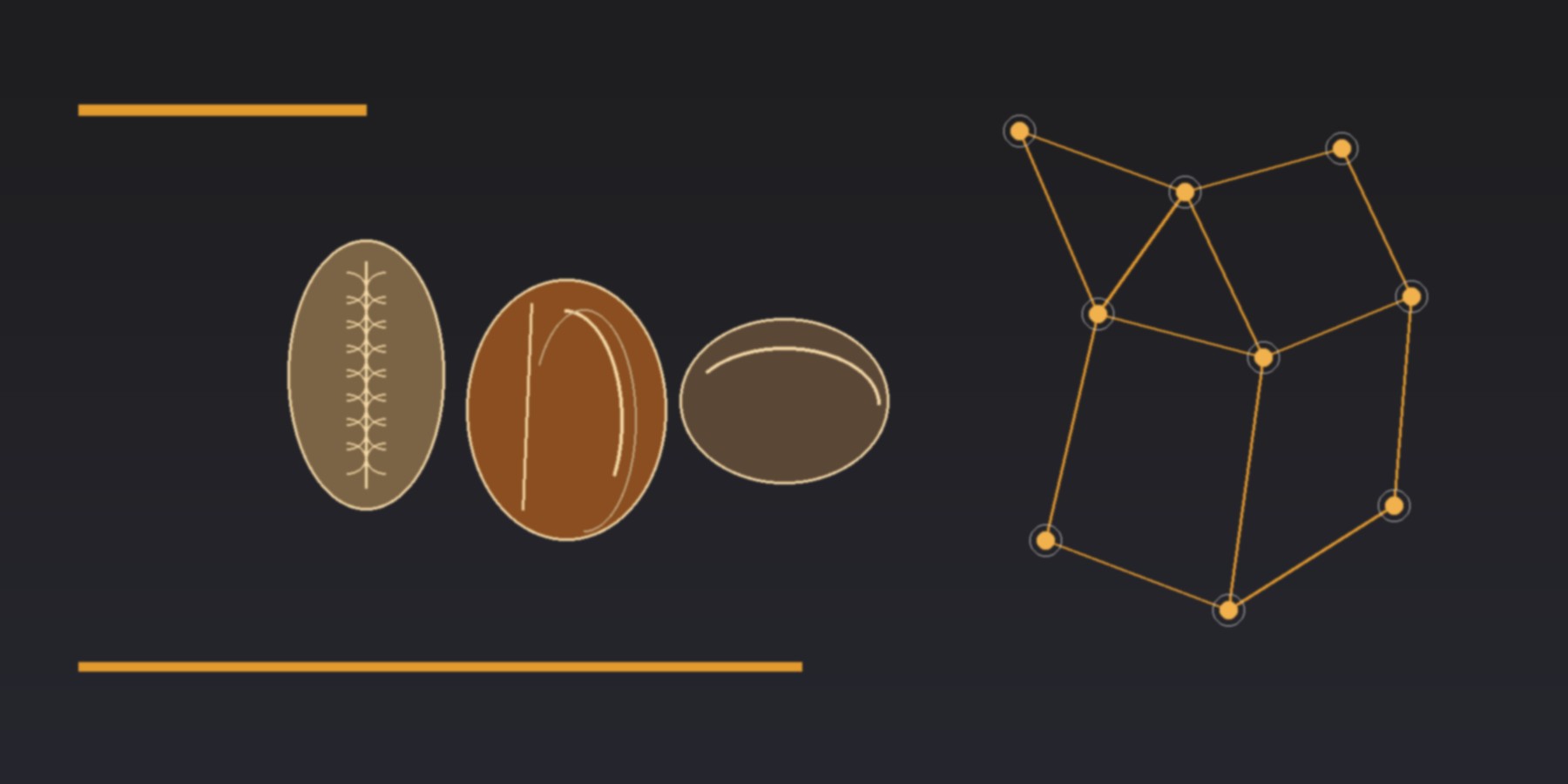
The most strategic food firms will therefore move from commodity purchasing to seed intelligence. They will want better coupling between breeding targets, lot classification, processing parameters and product architecture. In other words, they will want to know not just what a seed is, but what kind of industrial future it is predisposed to produce.
Once a seed is seen as process-ready matter, breeding and food engineering stop being separate conversations.
The AGI era: from seed phenotyping to seed computation
This is where the AGI era changes the conversation. Reviews on modern breeding emphasize that AI and machine-learning tools are being integrated with genomic, phenomic and enviromic data to accelerate selection and improve decision-making [5]. Reviews on agricultural digital twins describe how simulated replicas of crops and farms can support optimization, automation and predictive management [4]. Reviews on hyperspectral imaging show that grain quality can increasingly be assessed non-destructively and rapidly through spectral-spatial signatures rather than slow destructive assays [6]. Put together, these trends imply a new possibility: the seed as a computable design space [4]-[6].
The first implication is the emergence of seed digital twins. A digital twin of a seed system would not be a simple image or database entry. It would connect genotype, developmental context, environment, reserve chemistry, quality sensing and processing response. Instead of rating a soybean only by field yield, one could estimate likely protein-oil partitioning, ingredient functionality, crushing economics and nutrition-linked suitability across end uses. Instead of treating wheat merely by class label, one could forecast flour behavior, likely rheological windows and the nutritional consequences of different fractionation pathways.
The second implication is place-based seed portfolios. AGI-level systems will not merely search for a universal best variety. They will optimize portfolios. A maize hybrid suitable for starch extraction is not the same design object as one intended for specialty flour or feed. A wheat line for pan bread is not identical to one for noodles or low-input mixed farming. A soybean optimized for crushing economics may differ from one aimed at higher-protein ingredient streams. Advanced models can make such distinctions operational at scale by linking genotype-by-environment-by-management interactions with industrial destination [4],[5].
The third implication is real-time lot intelligence. Hyperspectral and related sensing approaches are rapidly improving the non-destructive evaluation of grain quality and safety [6]. This means seed lots can become much more information-rich at the point of storage, trading and processing. In practice, the value chain can begin to sort lots not only by appearance or moisture, but by latent biochemical and structural signatures relevant to nutrition and process performance. That moves quality control from retrospective testing toward predictive orchestration.
The fourth implication is that breeding targets themselves will shift. Once the connection between seed structure and downstream function becomes modelable, breeders will increasingly target process outcomes directly: dough behavior, starch conversion, emulsification potential, protein quality, oil stability, digestibility trajectories, even suitability for particular regional food cultures. The seed will be designed less as a generic agricultural object and more as a pre-configured industrial platform.
Seeds as biological software
The deepest conceptual leap may be to think of a crop seed as biological software compiled into matter. The genome alone is not the whole program. The compiled entity includes reserve allocation, tissue geometry, dormancy logic, stress sensitivity, maternal environment effects and the physical organization of proteins, oils and carbohydrates. Together these determine both how the organism boots and how the harvested seed behaves in the human world.
The Seed as Compressed Biology | 4
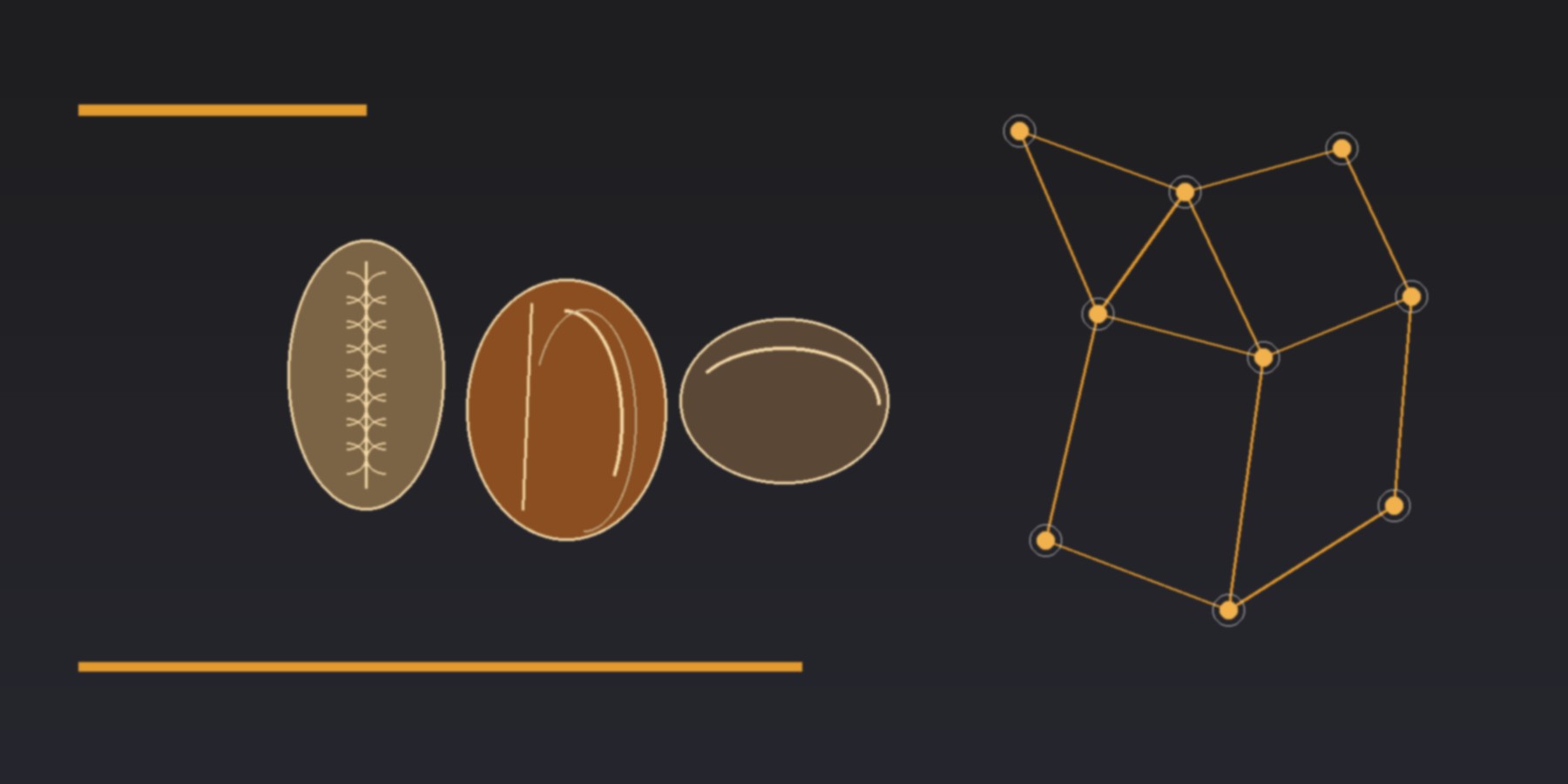
Under this view, wheat, maize and soybean run different post-harvest worlds. Wheat compiles into networks of dough and fermentation. Maize compiles into conversion pathways spanning food, feed and industrial starch. Soybean compiles into protein-oil economics, meal streams and functional ingredients. Their strategic value is therefore inseparable from the kinds of systems they are able to instantiate after harvest.
This perspective is useful because it unifies agronomy, nutrition and industry. It also aligns with an AGI- era design logic. Intelligent systems work best when they can navigate structured possibility spaces. Seeds are becoming such spaces. Once their architecture is sufficiently sensed, modeled and linked to downstream outcomes, the seed becomes a programmable node in a larger human-machine food system.
Strategic implications for agriculture and food systems
Several consequences follow. First, value migrates toward integrated data layers. The most advantaged actors will be those able to connect field performance, seed quality sensing, processing data and market specifications into a continuous loop. Second, regional strategy matters more, not less. Seed intelligence will reward place-based matching among climate, soils, infrastructure, input constraints and industrial endpoints. Third, measurement regimes will become more granular. Instead of broad commodity categories, lots and varieties may be characterized by compositional and functional signatures with direct contractual value. Fourth, breeding and food design will partially merge. The frontier will be not only improved yield or improved processing, but deliberately co-designed seed-process systems [4]-[8].
There is also a nutritional-policy implication. If seeds are modeled in this integrated way, public and private decisions can move beyond blunt production metrics toward richer targets: protein density where needed, better amino-acid complements, more resilient whole-grain streams, stronger ingredient functionality with fewer additives, and seed portfolios better adapted to volatile climates and fertilizer economics. In that sense, conceptual seed modeling is not a luxury exercise. It is part of building a more intelligent food system.
Conclusion
The seed deserves a larger conceptual status than it usually receives. It is not just the beginning of a plant. It is the beginning of a supply chain, a diet, a processing system and, increasingly, a computational design problem. Wheat, maize and soybean each reveal a different archetype of compressed biology: wheat as edible mechanics, maize as conversion infrastructure, soybean as protein-oil programming. To model them well is to understand how living form propagates into nutritional and industrial futures.
In the AGI era, that understanding will become more actionable. Better sensing, digital twins, AI-assisted breeding and process-linked modeling will allow seeds to be designed and selected not only for field yield, but for regional fit, nutritional architecture and industrial behavior. The winning seed will not simply be the one that grows more. It will be the one whose internal design most intelligently aligns life, food and manufacture.
Synthesis The seed is where plant life, human metabolism, manufacturing logic and machine intelligence begin to converge. Once this is understood, breeding becomes a design science of future food systems.
The Seed as Compressed Biology | 5
Selected references
1. Khalid, A., Hameed, A., & Tahir, A. (2023). Wheat quality: A review on chemical composition, nutritional attributes,
grain anatomy, types, classification, and function of seed storage proteins in bread making quality. Frontiers in Nutrition, 10. PMC9998918.
2. La Menza, F. C., et al. (2026). Assessment of kernel composition and dry milling quality standards in a flint maize
hybrid following hairy vetch and nitrogen fertilization. Journal of Stored Products Research / ScienceDirect abstract. Reported kernel composition: starch 68-72%, protein 8-11%, oil 4-6%, fiber 8-14%, ash 1-3%.
3. Rashid, M., et al. (2025). Soybean Synergies: A comprehensive review on novel extraction techniques and their role
in unlocking health potential. Review article; soybean protein and oil ranges summarized in the 31-44% and 19-26% intervals, respectively. PMC12481215.
4. Subeesh, A., & Chauhan, N. (2025). Agricultural digital twin for smart farming: A review. Green Technologies and
Sustainability, 100299. doi:10.1016/j.grets.2025.100299.
5. Garcia-Oliveira, A. L., Dwivedi, S. L., Chander, S., Nelimor, C., Abd El Moneim, D., & Ortiz, R. O. (2026).
Breeding Smarter: Artificial Intelligence and Machine Learning Tools in Modern Breeding-A Review. Agronomy, 16(1), 137. doi:10.3390/agronomy16010137.
6. Liang, Y., Li, Z., Shi, J., Zhang, N., Qin, Z., Du, L., Zhai, X., Shen, T., Zhang, R., Zou, X., & Huang, X. (2025).
Advances in Hyperspectral Imaging Technology for Grain Quality and Safety Detection: A Review. Foods, 14(17), 2977. doi:10.3390/foods14172977.
7. Zelaya Arce, M. S., et al. (2025). Assessing genetics, biophysical, and management factors related to soybean seed
protein variation in Brazil. European Journal of Agronomy, 165, 127541.
8. Brito-Oliveira, T. C., et al. (2025). Plant Proteins as Emulsifiers in the Food Industry. Journal of the American Oil
Chemists' Society. Soy proteins remain among the most studied plant emulsifiers for food applications.
Colophon
Prepared as a polished PDF monograph in an editorial register inspired by long-form popular science essays. Visual design, structuring and writing were co-created with OpenAI GPT-5.4 Thinking.
The Seed as Compressed Biology | 6
📝 About this HTML version
This HTML document was automatically generated from the PDF. Some formatting, figures, or mathematical notation may not be perfectly preserved. For the authoritative version, please refer to the PDF.